Graña-Castro Osvaldo, Izquierdo Elena, Piñas-Mesa Antonio, Menasalvas Ernestina, Chivato-Pérez Tomás
Departamento de Ciencias Médicas Básicas, Instituto de Medicina Molecular Aplicada (IMMA-Nemesio Díez), Facultad de Medicina, Universidad San Pablo-CEU, CEU Universities, 28925 Alcorcón, Spain.
Departamento de Humanidades-Sección de Pensamiento Facultad de Humanidades y Ciencias de la Comunicación, Universidad San Pablo-CEU, CEU Universities, 28003 Madrid, Spain.
J Clin Med. 2024 Nov 16;13(22):6913. doi: 10.3390/jcm13226913.
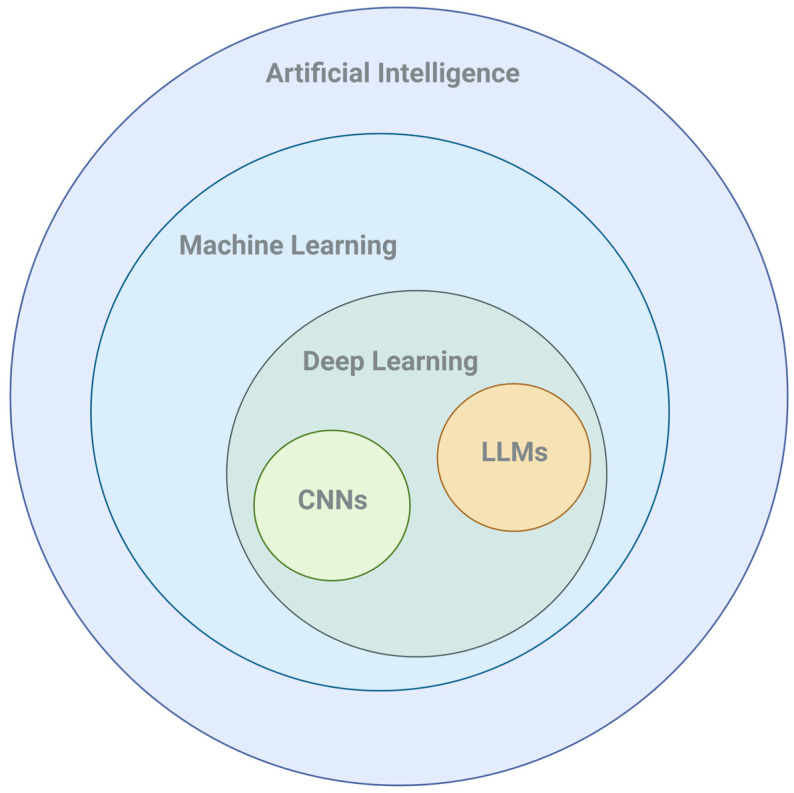
Chronic respiratory diseases (CRDs), including asthma and chronic obstructive pulmonary disease (COPD), represent significant global health challenges, contributing to substantial morbidity and mortality. As the prevalence of CRDs continues to rise, particularly in low-income countries, there is a pressing need for more efficient and personalized approaches to diagnosis and treatment. This article explores the impact of emerging technologies, particularly artificial intelligence (AI), on the management of CRDs. AI applications, including machine learning (ML), deep learning (DL), and large language models (LLMs), are transforming the landscape of CRD care, enabling earlier diagnosis, personalized treatment, and enhanced remote patient monitoring. The integration of AI with telehealth and wearable technologies further supports proactive interventions and improved patient outcomes. However, challenges remain, including issues related to data quality, algorithmic bias, and ethical concerns such as patient privacy and AI transparency. This paper evaluates the effectiveness, accessibility, and ethical implications of AI-driven tools in CRD management, offering insights into their potential to shape the future of respiratory healthcare. The integration of AI and advanced technologies in managing CRDs like COPD and asthma holds substantial potential for enhancing early diagnosis, personalized treatment, and remote monitoring, though challenges remain regarding data quality, ethical considerations, and regulatory oversight.
慢性呼吸道疾病(CRDs),包括哮喘和慢性阻塞性肺疾病(COPD),是全球重大的健康挑战,导致大量发病和死亡。随着CRDs的患病率持续上升,尤其是在低收入国家,迫切需要更高效、个性化的诊断和治疗方法。本文探讨新兴技术,特别是人工智能(AI)对CRDs管理的影响。人工智能应用,包括机器学习(ML)、深度学习(DL)和大语言模型(LLMs),正在改变CRD护理的格局,实现早期诊断、个性化治疗以及加强远程患者监测。人工智能与远程医疗和可穿戴技术的整合进一步支持积极干预并改善患者预后。然而,挑战依然存在,包括与数据质量、算法偏差以及患者隐私和人工智能透明度等伦理问题相关的问题。本文评估了人工智能驱动工具在CRD管理中的有效性、可及性和伦理影响,深入探讨了它们塑造呼吸健康未来的潜力。在管理诸如COPD和哮喘等CRDs方面,人工智能与先进技术的整合在加强早期诊断、个性化治疗和远程监测方面具有巨大潜力,尽管在数据质量、伦理考量和监管监督方面仍存在挑战。