Department of Pharmacology, Toxicology and Clinical Pharmacology, Faculty of Medicine, University of Novi Sad, Hajduk Veljkova 3, 21000, Novi Sad, Serbia.
Faculty of Medicine, University of Novi Sad, Hajduk Veljkova 3, 21000, Novi Sad, Serbia.
BMC Med Educ. 2024 Nov 27;24(1):1381. doi: 10.1186/s12909-024-06249-6.
Acquiring sufficient knowledge and understanding the importance of intestinal microbiota and probiotics in health and disease, as well as their potential for interactions with concurrently administered drugs, can significantly influence future pharmacotherapeutic practices among health science students.
This study aimed to assess the knowledge, factors influencing knowledge, attitudes, and practices regarding intestinal microbiota and probiotics and their interactions with drugs among students of the Faculty of Medicine in Novi Sad.
This cross-sectional study was conducted in the form of an anonymous questionnaire among first- and final-year medical and pharmacy students. Predictors of knowledge scores were analyzed using a negative binomial regression model.
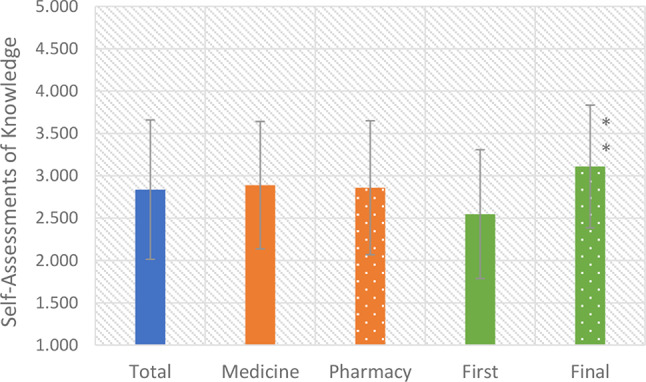
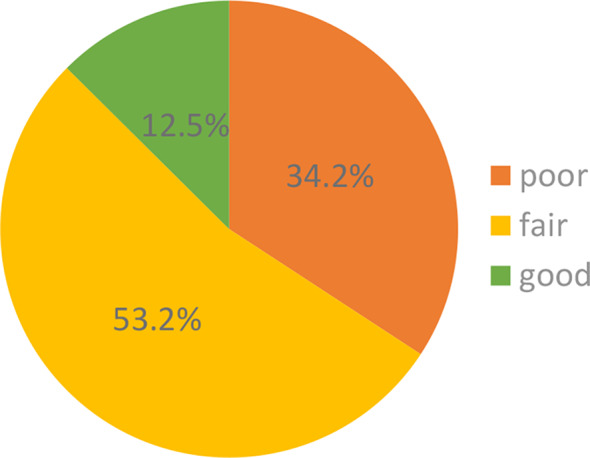
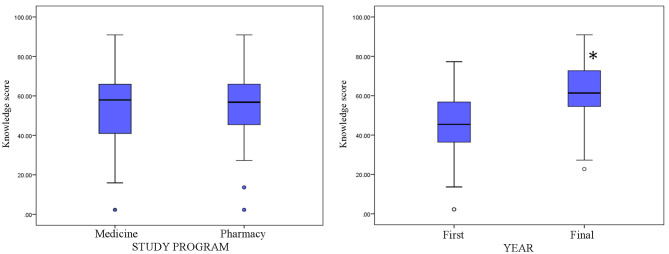
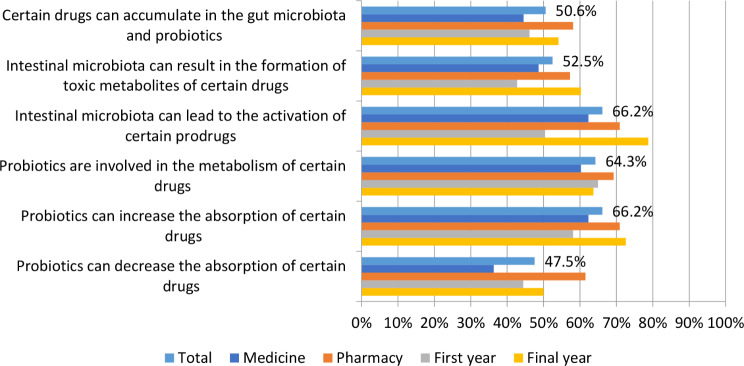
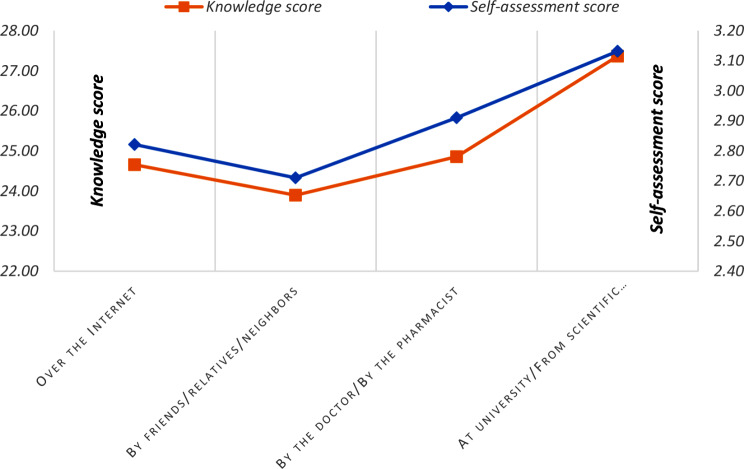
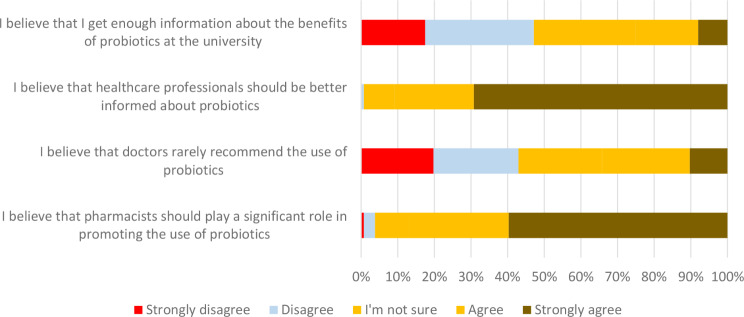
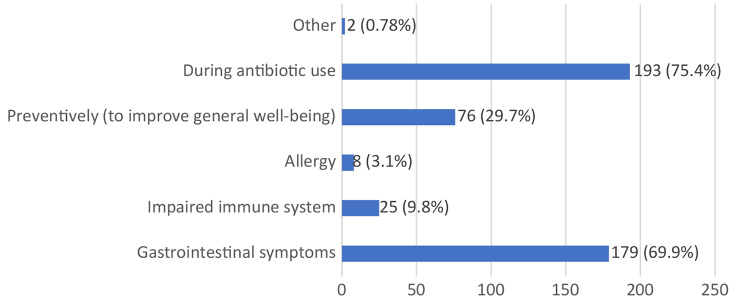
The questionnaire was completed by 263 medical and pharmacy students (44.58% first-year and 55.5% final-year students). Approximately half of the students (53.2%) demonstrated fair knowledge, 34.2% had poor knowledge, and only 12.5% had good knowledge about the intestinal microbiota and probiotics. Study year and self-assessment of knowledge were statistically significant predictors of knowledge scores, while the presence of chronic diseases, previous education, and lifestyle were not. The most common indications for probiotic use among respondents were antibiotic use (75.4%) and gastrointestinal symptoms (69.9%). A large number of respondents reported not paying attention to the concurrent use of probiotics with drugs or food, nor to the choice of specific probiotic strains. Most students expressed that they receive insufficient information on this topic at the university.
Most students demonstrate inadequate knowledge about the gut microbiota and probiotics, which affects their practical use of these supplements. The primary reasons for this are insufficient information and unreliable sources of information. Therefore, enhancing education on this topic could significantly improve the knowledge and pharmacotherapeutic practices of future healthcare professionals.
了解肠道微生物群和益生菌在健康和疾病中的作用及其与同时给予的药物相互作用的潜力,对于医学专业学生的未来药物治疗实践具有重要意义。
本研究旨在评估诺维萨德医科大学的医学生和药学学生对肠道微生物群和益生菌的知识、影响知识的因素、态度和实践,以及它们与药物的相互作用。
采用匿名问卷的横断面研究方法,对医学生和药学学生进行调查。采用负二项回归模型分析知识得分的预测因素。
共完成了 263 名医学生和药学学生(44.58%为一年级学生,55.5%为五年级学生)的问卷。大约一半的学生(53.2%)对肠道微生物群和益生菌的知识了解程度为一般,34.2%的学生了解程度较差,只有 12.5%的学生了解程度较好。学习年限和自我评估的知识是知识得分的统计学显著预测因素,而慢性疾病的存在、以前的教育和生活方式不是。受访者最常见的益生菌使用指征是抗生素使用(75.4%)和胃肠道症状(69.9%)。大量受访者表示他们没有注意到益生菌与药物或食物同时使用,也没有注意到特定益生菌菌株的选择。大多数学生表示,他们在大学期间获得的关于这一主题的信息不足。
大多数学生对肠道微生物群和益生菌的知识不足,这影响了他们对这些补充剂的实际应用。主要原因是信息不足和信息来源不可靠。因此,加强这方面的教育可以显著提高未来医疗保健专业人员的知识和药物治疗实践水平。