Al Noman Zakaria, Tasnim Shadia, Masud Rony Ibne, Anika Tasnia Tabassum, Islam Md Saiful, Rahman Al Muksit Mohammad Taufiquer, Rahman Md Tanvir
Bangladesh Council of Scientific and Industrial Research, Dhaka, Bangladesh.
Department of Pathology, Faculty of Veterinary Science, Bangladesh Agricultural University, Mymensingh, Bangladesh.
J Adv Vet Anim Res. 2024 Sep 29;11(3):601-617. doi: 10.5455/javar.2024.k810. eCollection 2024 Sep.
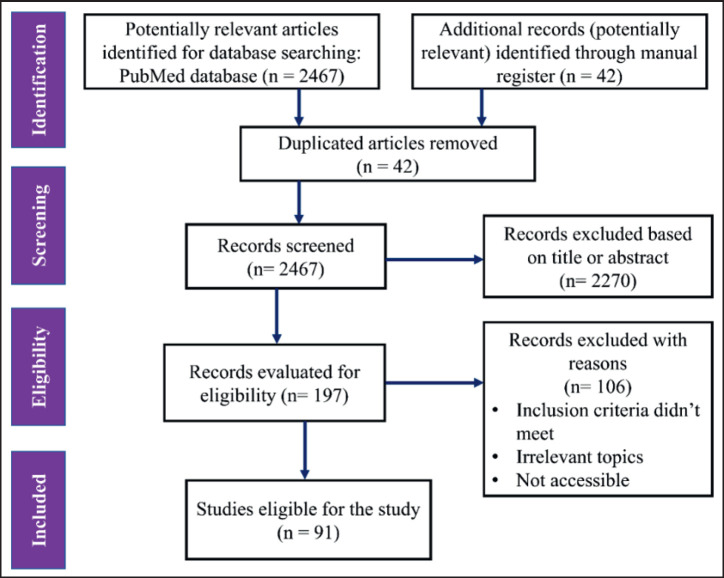
Reverse zoonosis or zooanthroponosis is the transfer of pathogens from humans to animals. Although less studied than zoonotic diseases, this phenomenon poses significant risks to both animal and public health. The increasing human-animal interactions driven by urbanization, globalization, and environmental changes have exacerbated the occurrence of reverse zoonosis. This review evaluated the global impact and transmission patterns of reverse zoonosis, highlighting the anthropogenic and intrinsic factors contributing to its emergence. The study performed a systematic review and included 91 scientific articles published from 2000 to 2022, covering viral, bacterial, parasitic, fungal, and protozoal reverse zoonoses. This study indicated that viral infections, particularly respiratory viruses such as severe acute respiratory syndrome coronavirus-2 and influenza, have the highest incidence of reverse zoonosis, followed by bacterial infections like tuberculosis and methicillin-resistant . The United States, India, and Hong Kong are among the most reported regions for reverse zoonotic events. Major risk factors identified include environmental degradation, climate change, antimicrobial resistance, and global wildlife trade. The review underscores the need for enhanced surveillance systems, interdisciplinary collaboration, and stringent regulations on wildlife trade and animal husbandry practices to mitigate the risks associated with reverse zoonosis. Understanding the dynamics of human-animal pathogen transmission is crucial for developing not only effective but also sustainable strategies to protect animal populations as well as public health from emerging infectious diseases.
反向人畜共患病或人兽共患病是指病原体从人类传播至动物。尽管相较于人畜共患病,对这种现象的研究较少,但该现象对动物和公共卫生均构成重大风险。城市化、全球化和环境变化推动的人与动物互动增加,加剧了反向人畜共患病的发生。本综述评估了反向人畜共患病的全球影响和传播模式,强调了导致其出现的人为因素和内在因素。该研究进行了系统综述,纳入了2000年至2022年发表的91篇科学文章,涵盖病毒、细菌、寄生虫、真菌和原生动物引起的反向人畜共患病。该研究表明,病毒感染,尤其是严重急性呼吸综合征冠状病毒2和流感等呼吸道病毒,反向人畜共患病的发病率最高,其次是结核病和耐甲氧西林等细菌感染。美国、印度和香港是报告反向人畜共患病事件最多的地区之一。确定的主要风险因素包括环境退化、气候变化、抗菌药物耐药性和全球野生动物贸易。该综述强调需要加强监测系统、跨学科合作以及对野生动物贸易和畜牧实践实施严格监管,以降低与反向人畜共患病相关的风险。了解人与动物病原体传播的动态对于制定不仅有效而且可持续的战略至关重要,这些战略旨在保护动物种群以及公共卫生免受新发传染病的影响。