Mourra Devry, Cavalieri Angela M, Casey Madison M, Sahin Mesut, Lang Eric J
New York University, Grossman School of Medicine.
New Jersey Institute of Technology.
Res Sq. 2024 Nov 20:rs.3.rs-5147104. doi: 10.21203/rs.3.rs-5147104/v1.
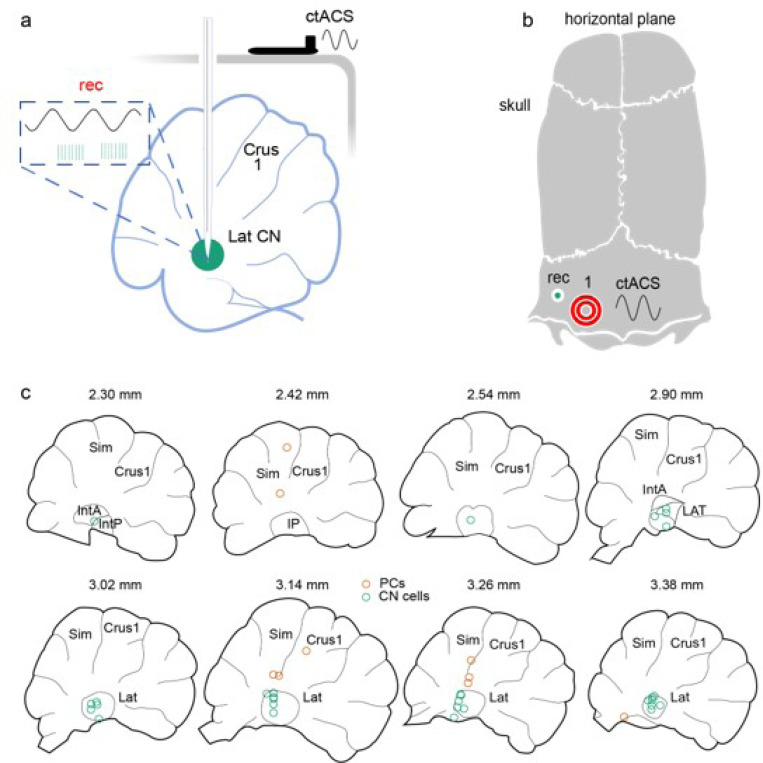
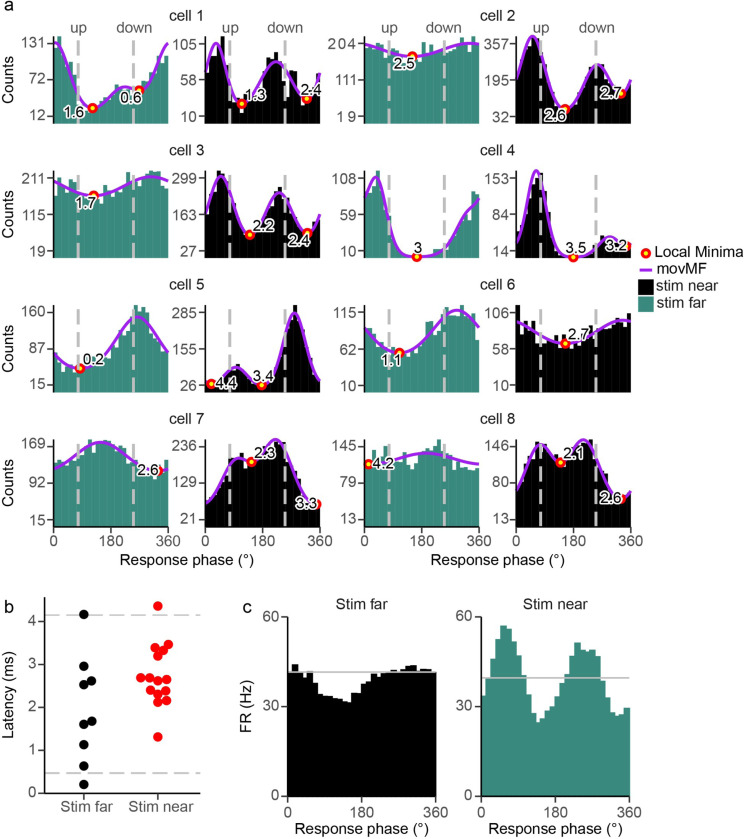
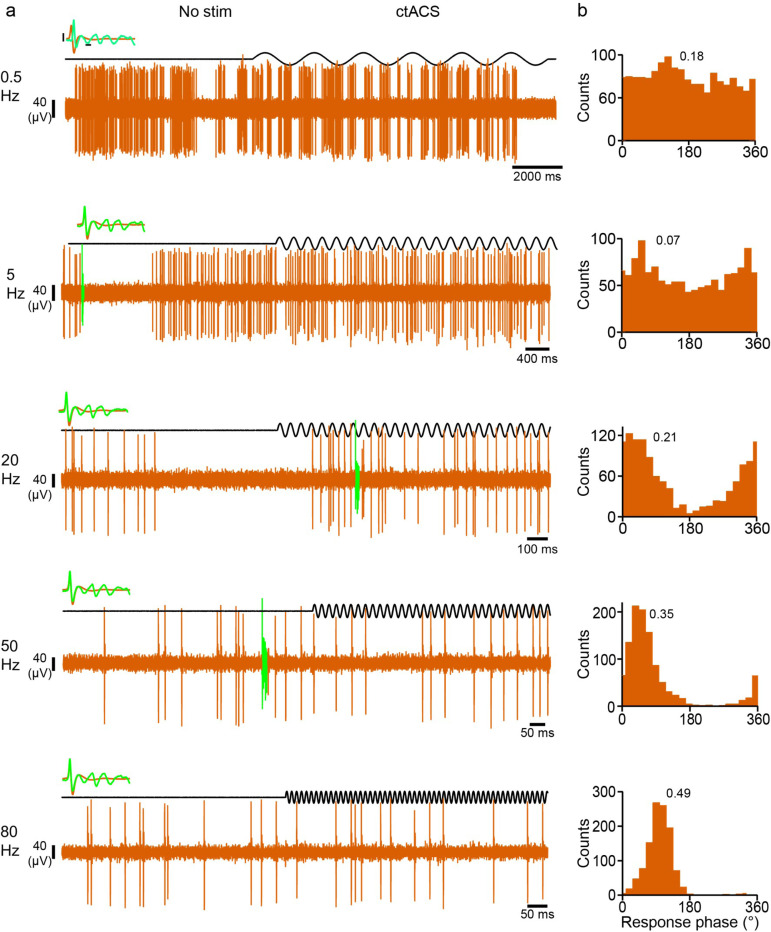
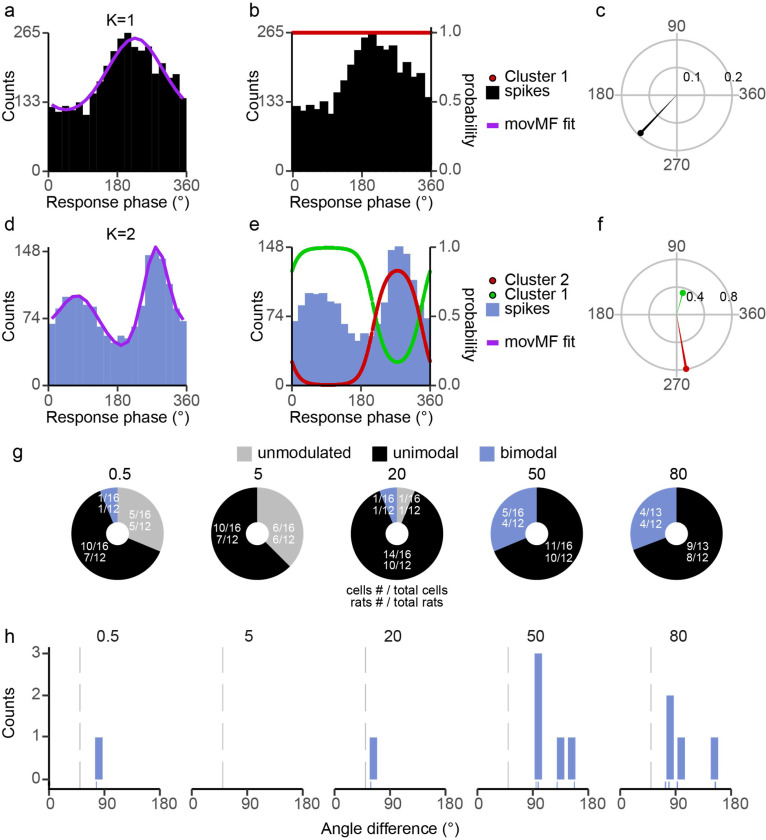
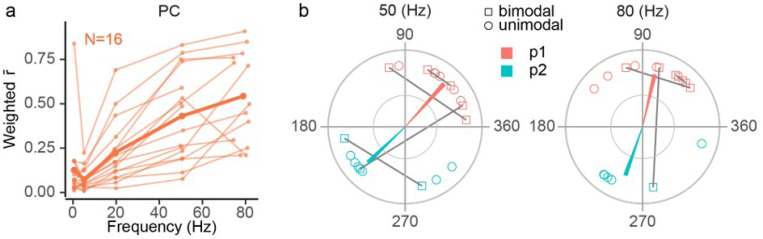
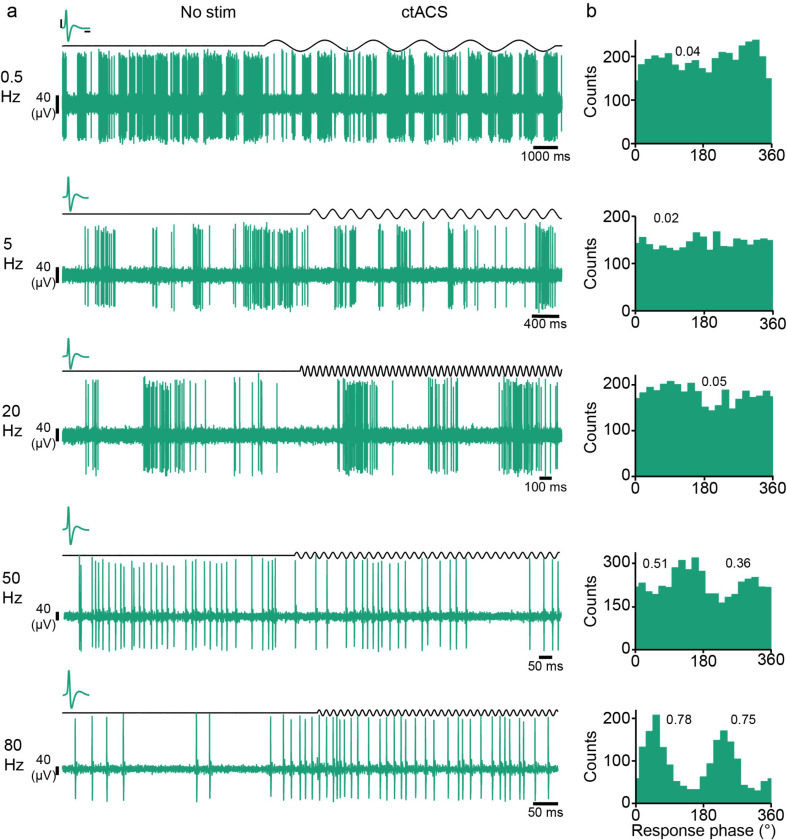
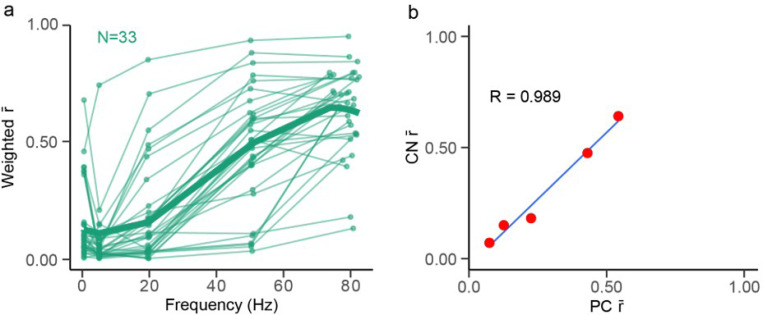
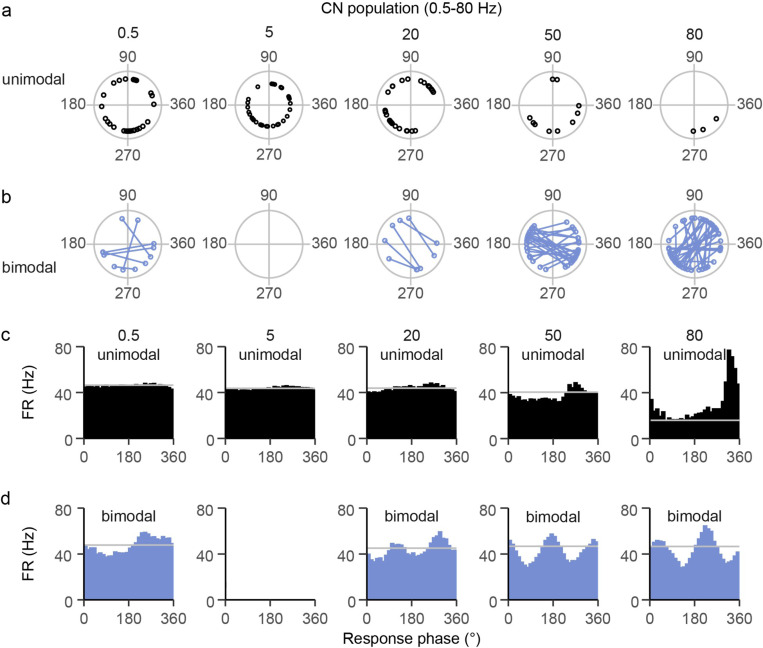
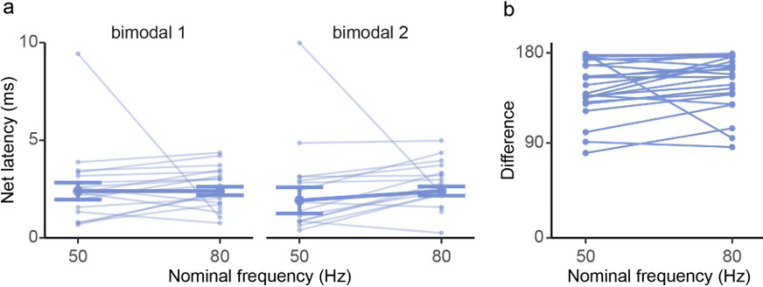
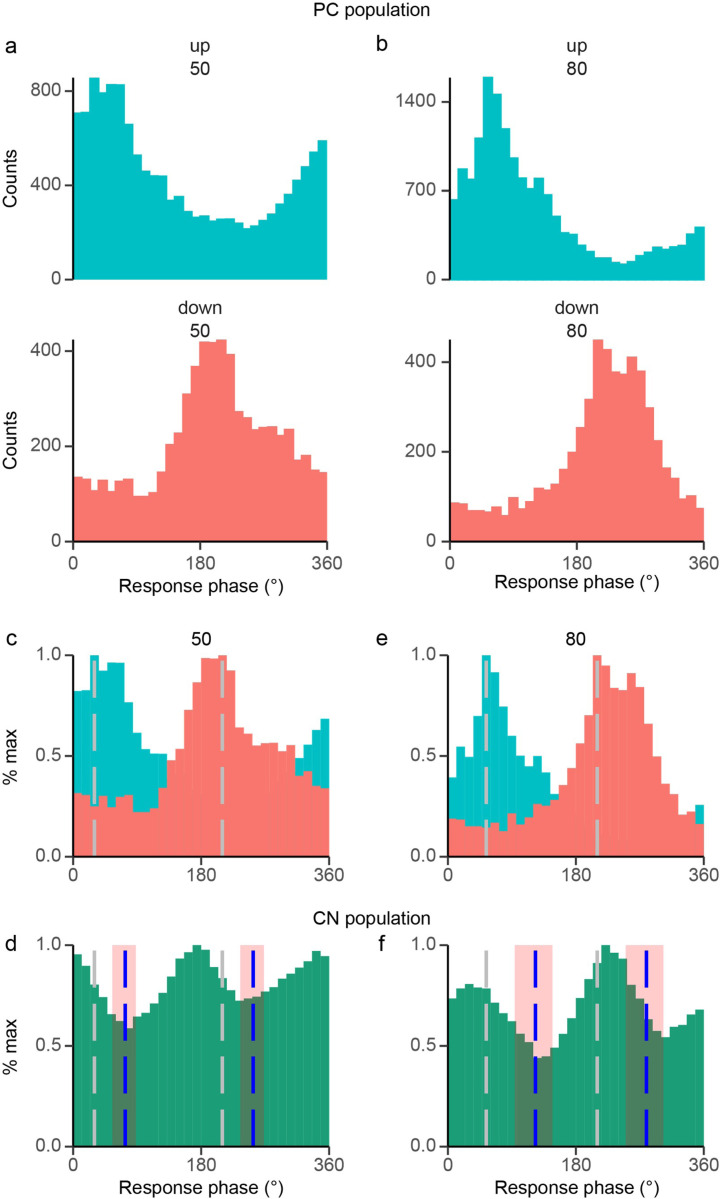
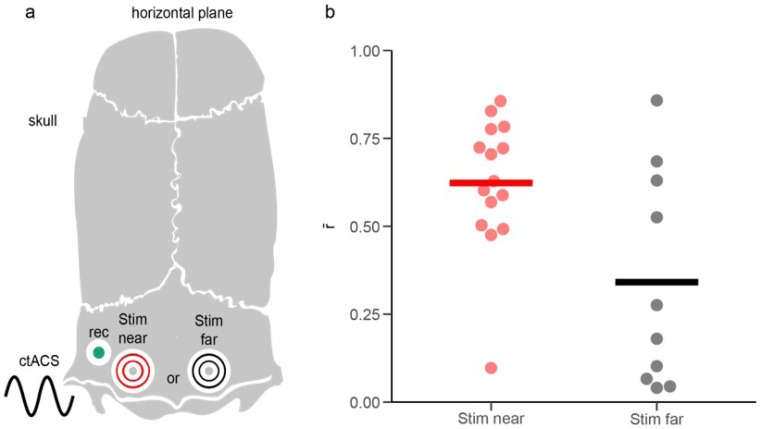
Transcranial alternating current stimulation (ctACS) has the potential to be an appealing, non-invasive treatment option for psychiatric and neurological disorders. However, its potential has been limited by significant knowledge gaps in the details and mechanisms of how ctACS affects cerebellar output on single cell and population levels. We investigated this issue by making single-unit recordings of Purkinje cells (PC) and lateral cerebellar nuclear (Lat CN) cells in response to ctACS in anesthetized adult female Sprague-Dawley rats. The ctACS electrode was positioned directly on the skull above crus 1, either ipsilaterally just medial to the recording site or contralaterally. The return electrode was placed under the skin of the shoulder ipsilateral to the recorded cell. In response to ctACS at frequencies ranging from 0.5 to 80 Hz, PC and CN activity was modulated in a frequency-dependent manner. PC and CN entrainment strength increased with stimulation frequency. Moreover, a unimodal response was seen for most PCs across all frequencies, whereas most CN cells transitioned to bimodal patterns as stimulus frequency increased. The phase of the local minima CN cells, and its change with frequency, was consistent with CN cells being driven synaptically by PC activity. Furthermore, the nearer ctACS location to the recording site, the stronger the entrainment, suggesting that ctACS electrode placement could be used to target specific cerebellar output channels. In sum, the results show that transcranial stimulation of the cerebellar cortex can modulate cerebellar output, which has potential implications for its use in treating neurological and psychiatric disorders.
经颅交流电刺激(ctACS)有可能成为一种有吸引力的、用于治疗精神疾病和神经疾病的非侵入性治疗选择。然而,其潜力受到了显著的知识空白的限制,这些空白涉及ctACS如何在单细胞和群体水平上影响小脑输出的细节和机制。我们通过在麻醉的成年雌性Sprague-Dawley大鼠中对浦肯野细胞(PC)和小脑外侧核(Lat CN)细胞进行单单位记录来研究这个问题。ctACS电极直接放置在小脑脚1上方的颅骨上,记录部位同侧且刚好在内侧或对侧。返回电极放置在记录细胞同侧肩部的皮肤下。在0.5至80Hz的频率范围内施加ctACS时,PC和CN的活动以频率依赖的方式受到调制。PC和CN的夹带强度随刺激频率增加。此外,大多数PC在所有频率上都呈现单峰反应,而随着刺激频率增加,大多数CN细胞转变为双峰模式。局部最小值CN细胞的相位及其随频率的变化,与CN细胞由PC活动突触驱动一致。此外,ctACS位置越靠近记录部位,夹带越强,这表明ctACS电极放置可用于靶向特定的小脑输出通道。总之,结果表明对小脑皮质的经颅刺激可以调节小脑输出,这对其在治疗神经疾病和精神疾病中的应用具有潜在意义。