Li Ningning, Cui Yuzhu, Zhang Zijian, Wang Shuai, Sun Yaqing, Zhang Shaoying, Li Guolong
College of Agronomy, Inner Mongolia Agricultural University, Hohhot, China.
Front Plant Sci. 2024 Nov 13;15:1435799. doi: 10.3389/fpls.2024.1435799. eCollection 2024.
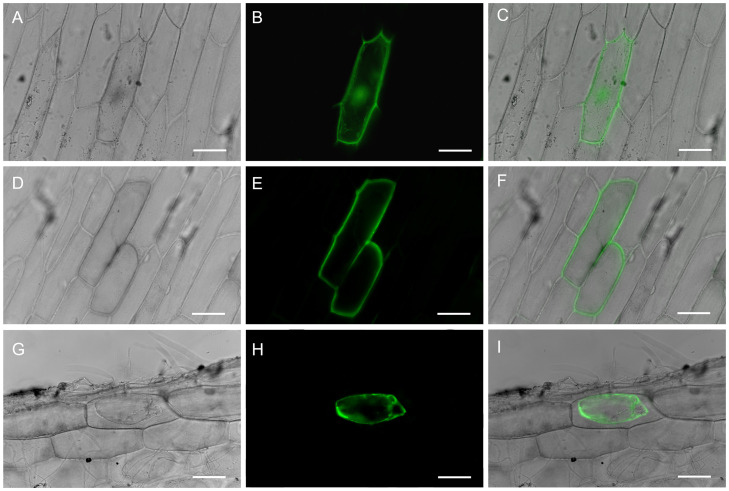
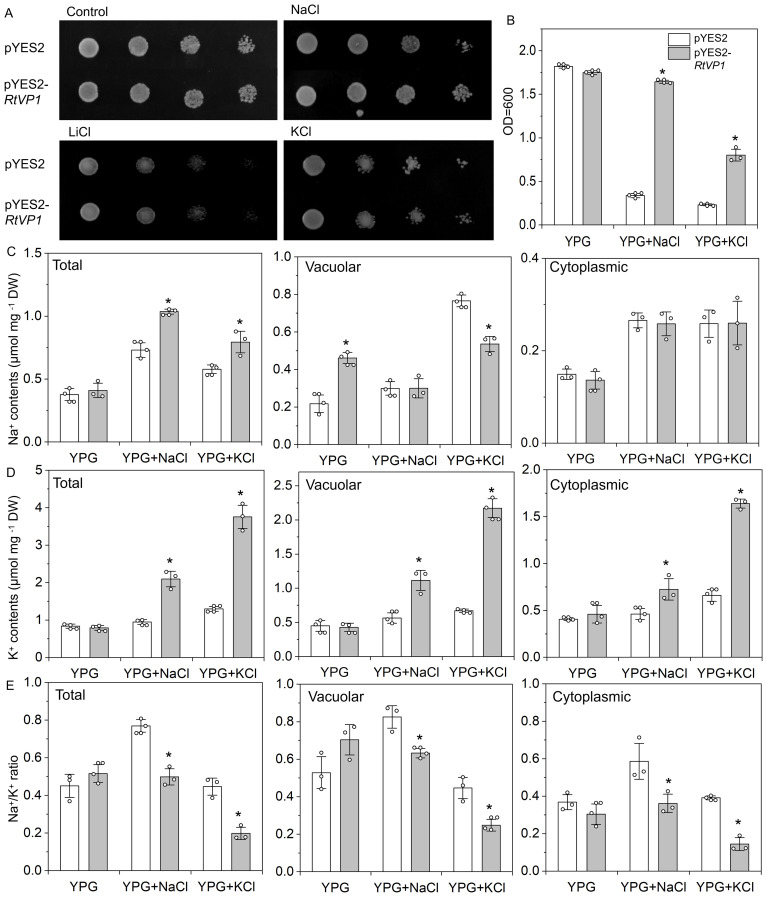
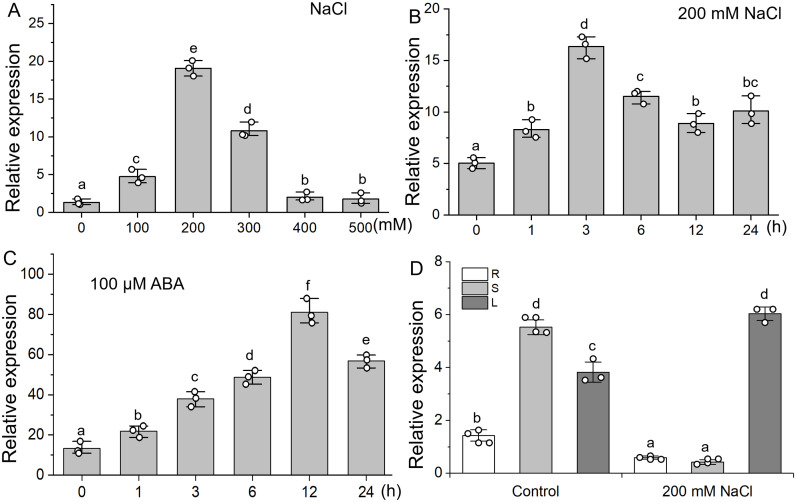
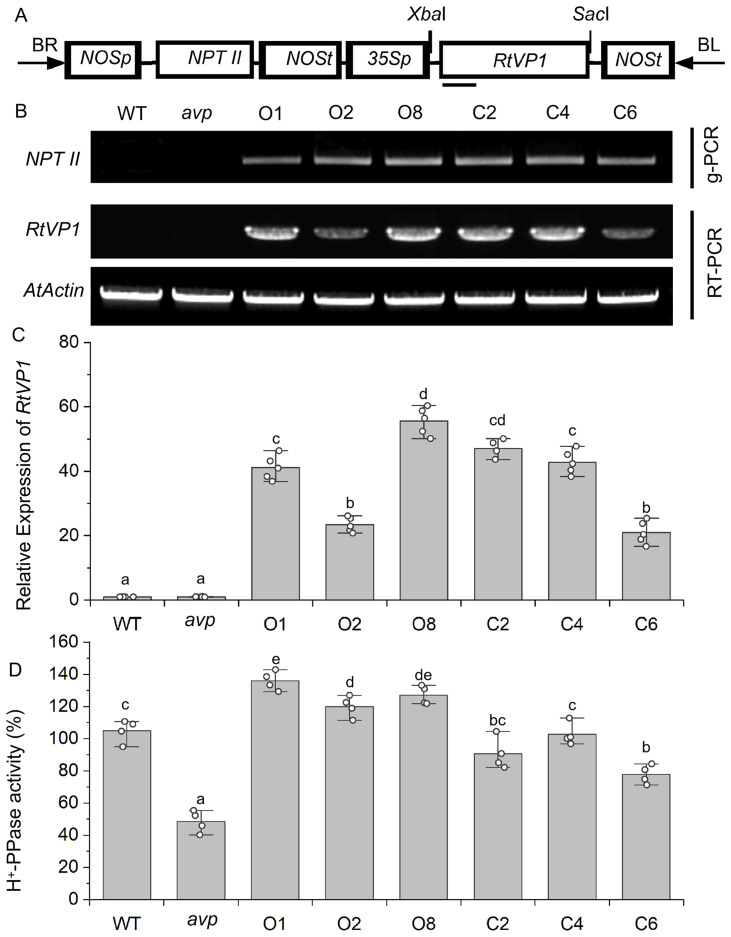
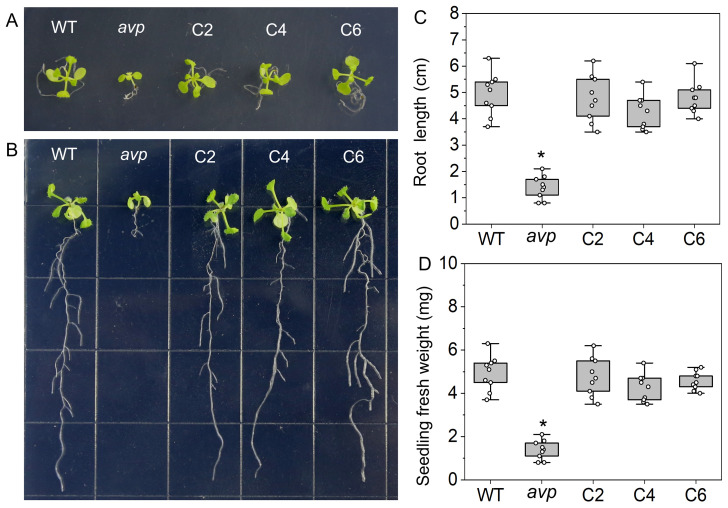
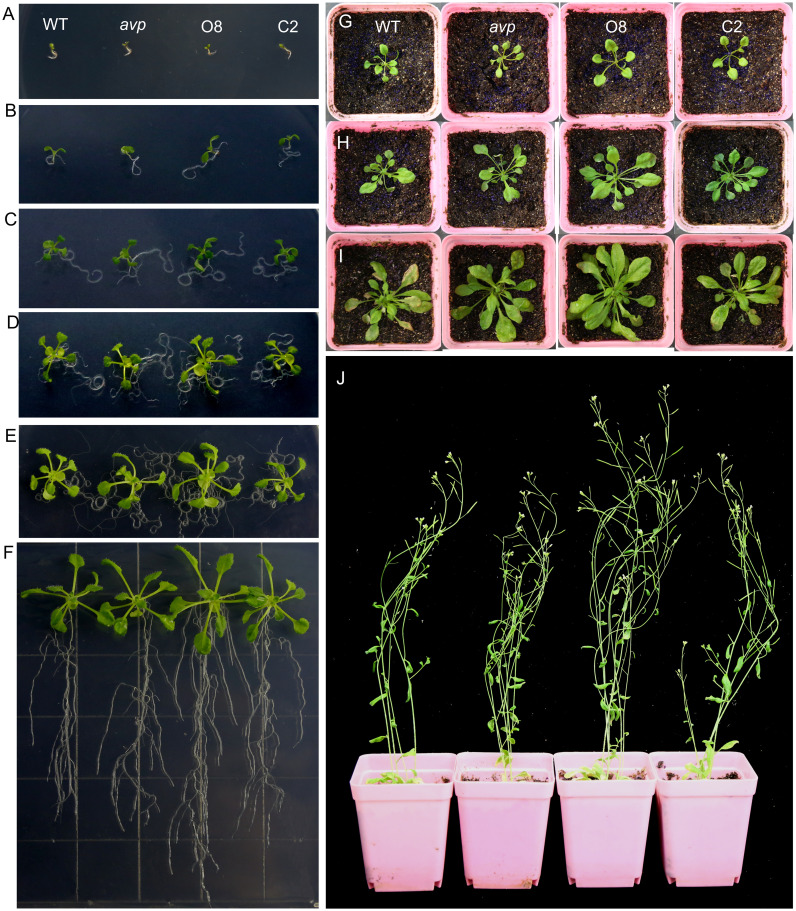
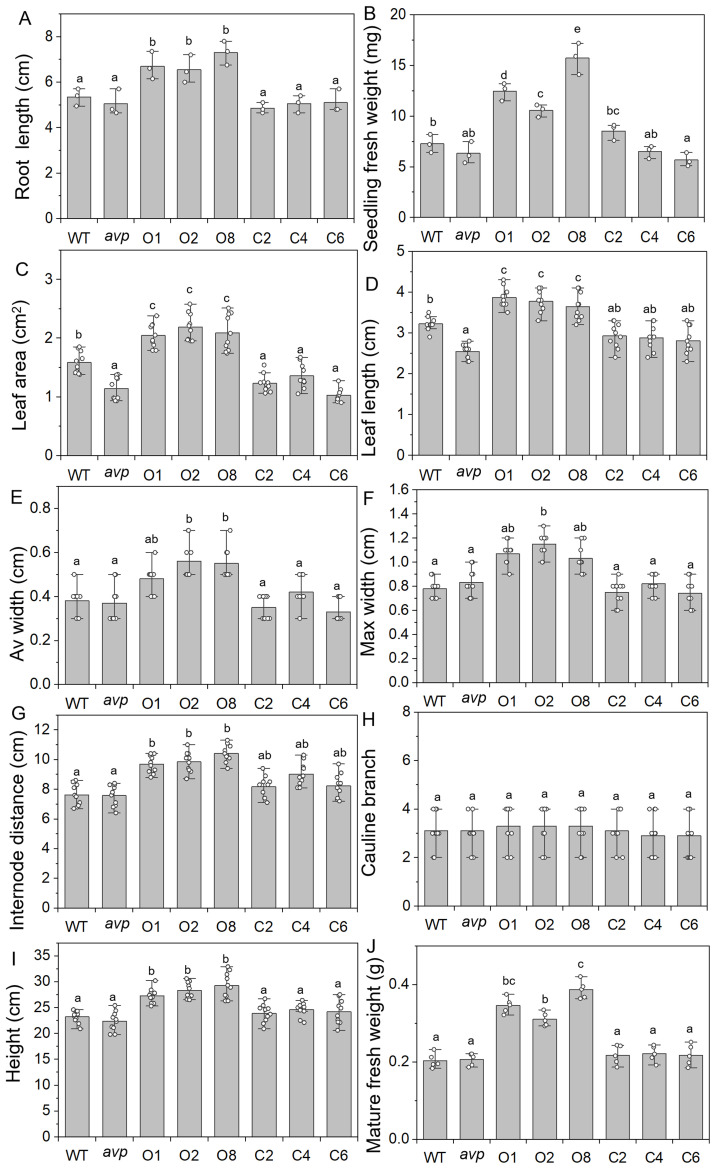
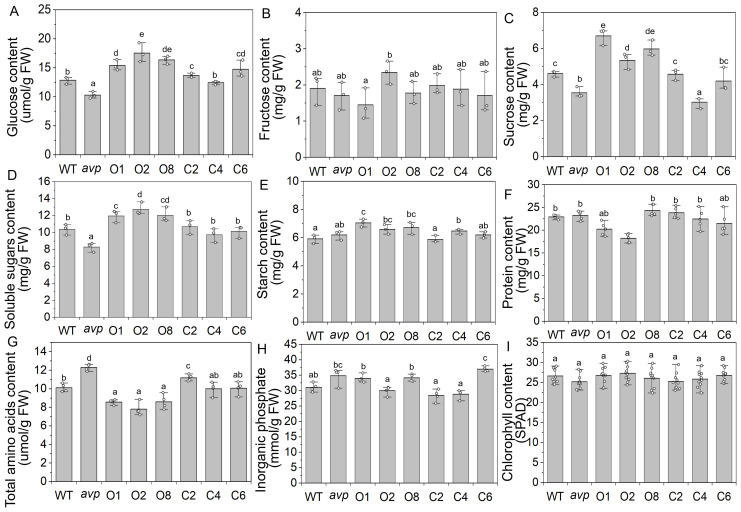
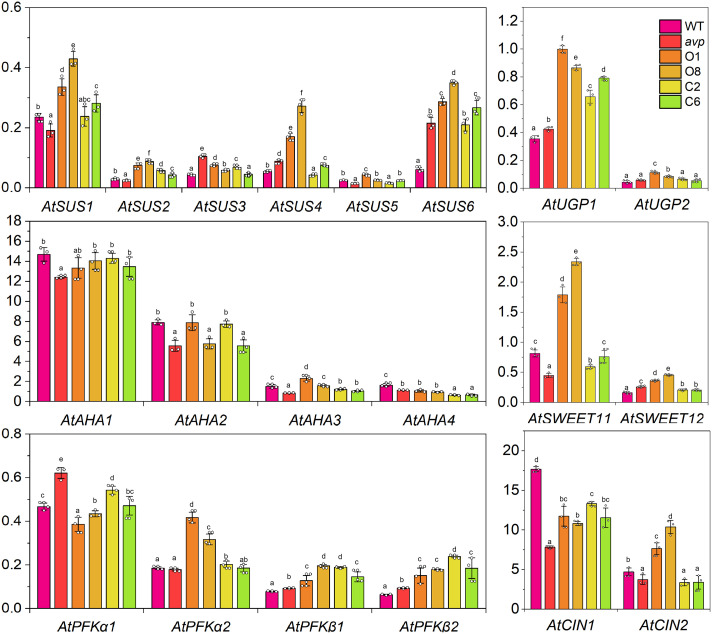
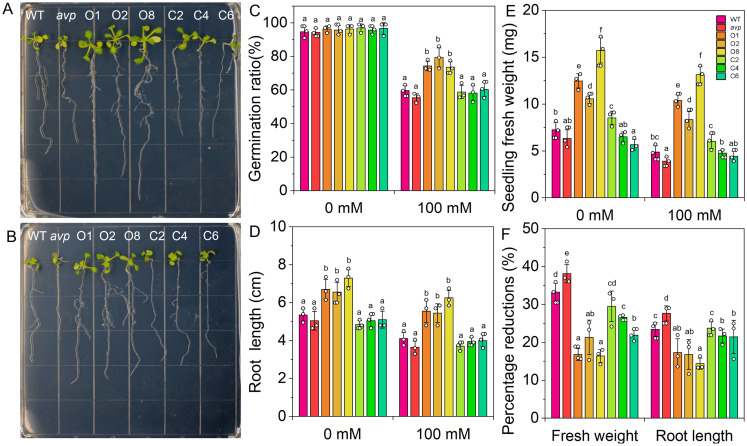
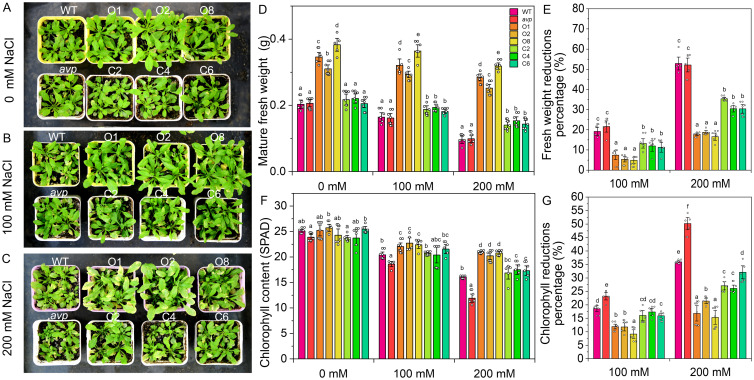
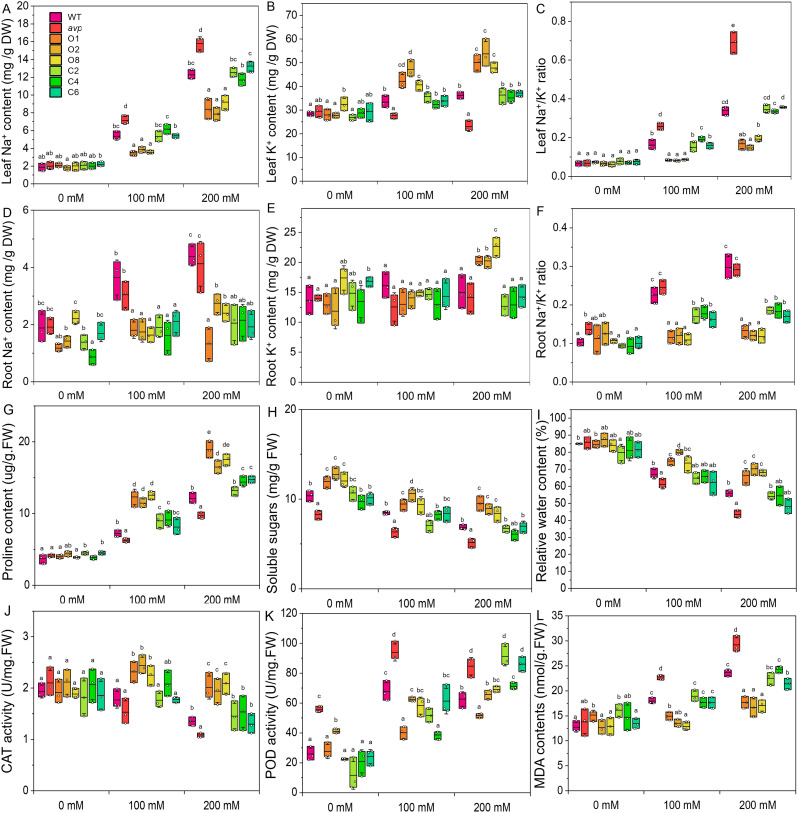
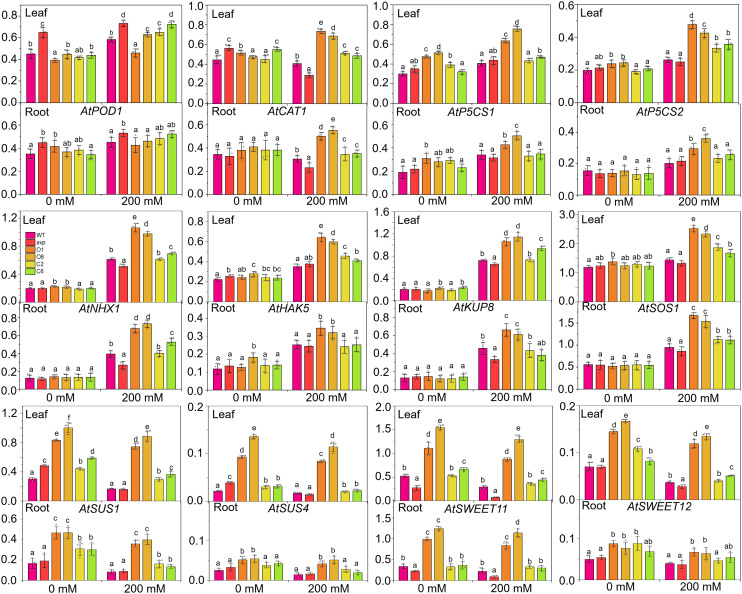
, a wild and endangered salt-secreting small shrub, is distributed in arid and semi-arid areas of Inner Mongolia, China. An H-pyrophosphatase gene () was isolated from . according to transcriptomic data, which encoded a plasma membrane and tonoplast-localized protein. was quickly upregulated by NaCl and exogenous abscisic acid treatment and rescued the sucrose deficiency sensitive phenotype of the mutant (). Transgenic overexpressing exhibited a higher leaf area, plant height, fresh weight, root length, and soluble carbohydrate accumulation compared to the wild type (WT) under normal conditions. overexpression increased the seed germination rate and decreased the reduction rate of fresh weight, root length, and chlorophyll content in transgenic plants under salt stress. Catalase enzyme activity, proline content, relative water content, and soluble sugar content were significantly increased in transgenic under salt stresses, but the malondialdehyde content was dramatically decreased. More K and less Na were accumulated in transgenic leaves, resulting in a relatively lower Na/K ratio. In transgenic roots, K was unchanged, but Na and the Na/K ratios were reduced compared to those in WT. More Na and K were accumulated in the intracellular of transgenic yeast, and the Na/K ratio was significantly reduced compared to the control. These results showed that . promotes the vegetative growth of plants, mainly by regulating carbohydrate metabolism, and confers salt tolerance in transgenic by maintaining Na/K homeostasis and enhancing the antioxidant and osmotic regulatory capacity. These results indicated that can serve as an important candidate gene for genetic improvement of crop yield and salt tolerance.
[植物名称]是一种野生且濒危的泌盐小灌木,分布于中国内蒙古的干旱和半干旱地区。根据转录组数据从[植物名称]中分离出一个H - 焦磷酸酶基因([基因名称]),该基因编码一种定位于质膜和液泡膜的蛋白质。[基因名称]在NaCl和外源脱落酸处理下迅速上调,并挽救了[突变体名称]突变体对蔗糖缺乏敏感的表型。与正常条件下的野生型(WT)相比,过表达[基因名称]的转基因[植物名称]表现出更高的叶面积、株高、鲜重、根长和可溶性碳水化合物积累。在盐胁迫下,[基因名称]过表达提高了转基因植物的种子发芽率,并降低了鲜重、根长和叶绿素含量的降低率。盐胁迫下转基因[植物名称]的过氧化氢酶活性、脯氨酸含量、相对含水量和可溶性糖含量显著增加,但丙二醛含量显著降低。转基因[植物名称]叶片中积累了更多的K和更少的Na,导致相对较低的Na/K比。在转基因[植物名称]的根中,K含量不变,但与WT相比,Na含量和Na/K比降低。转基因酵母细胞内积累了更多的Na和K,与对照相比,Na/K比显著降低。这些结果表明,[基因名称]主要通过调节碳水化合物代谢促进植物营养生长,并通过维持Na/K稳态以及增强抗氧化和渗透调节能力赋予转基因[植物名称]耐盐性。这些结果表明,[基因名称]可作为作物产量和耐盐性遗传改良的重要候选基因。