Department of Haematology, School of Medical Sciences, Universiti Sains Malaysia, Kubang Kerian, Kota Bharu , Kelantan, 16150, Malaysia.
Department of Biology, Faculty of Education, Omdurman Islamic University, P.O. Box 382, Omdurman, Sudan.
J Exp Clin Cancer Res. 2024 Nov 28;43(1):312. doi: 10.1186/s13046-024-03218-1.
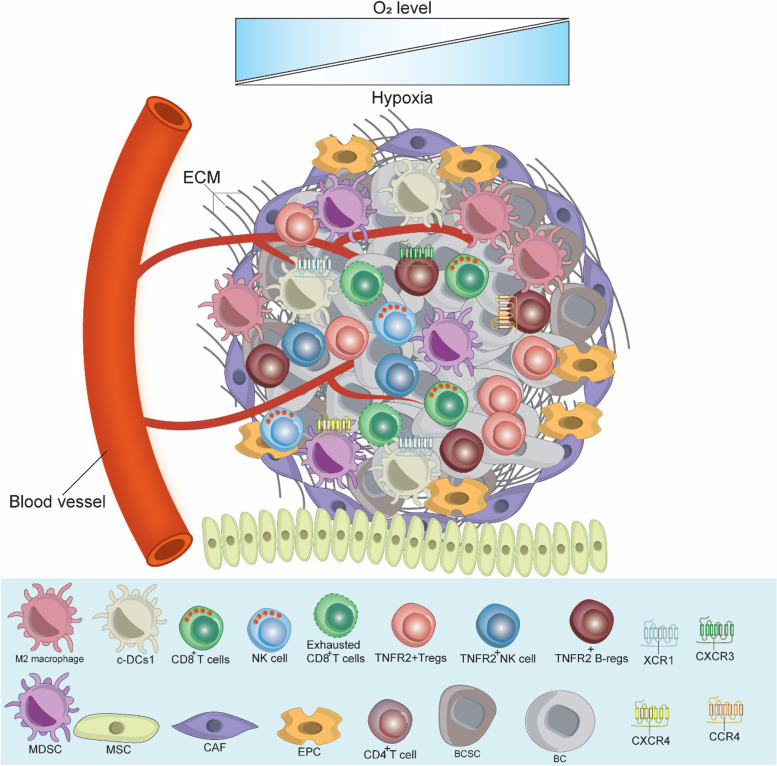
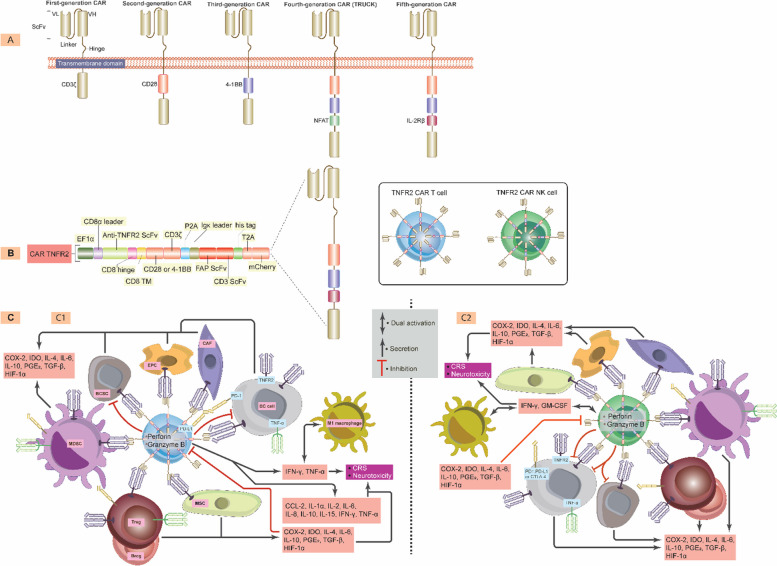
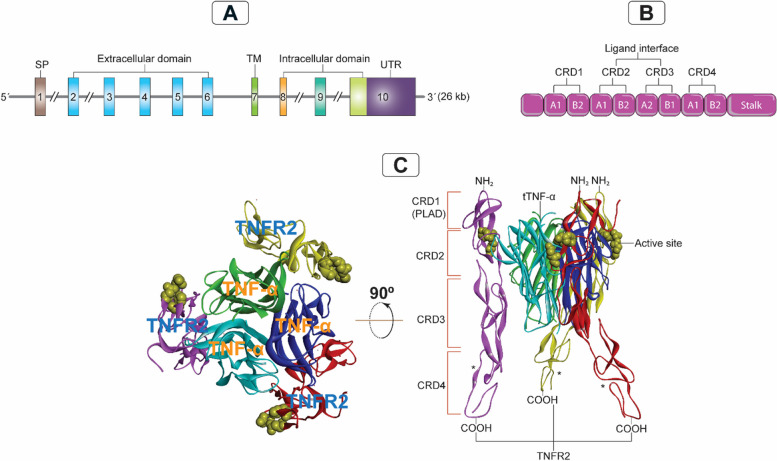
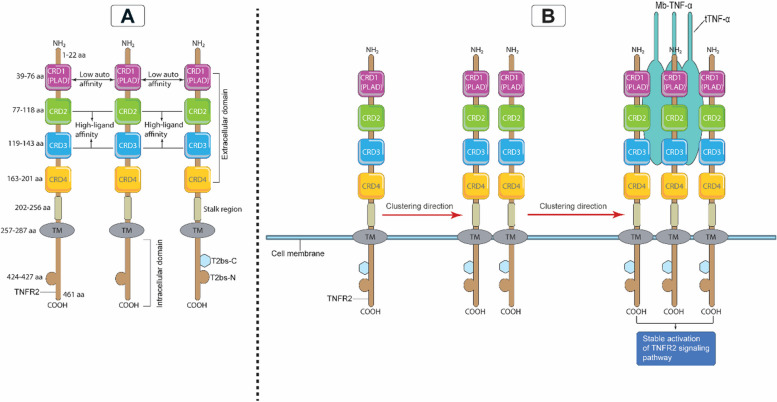
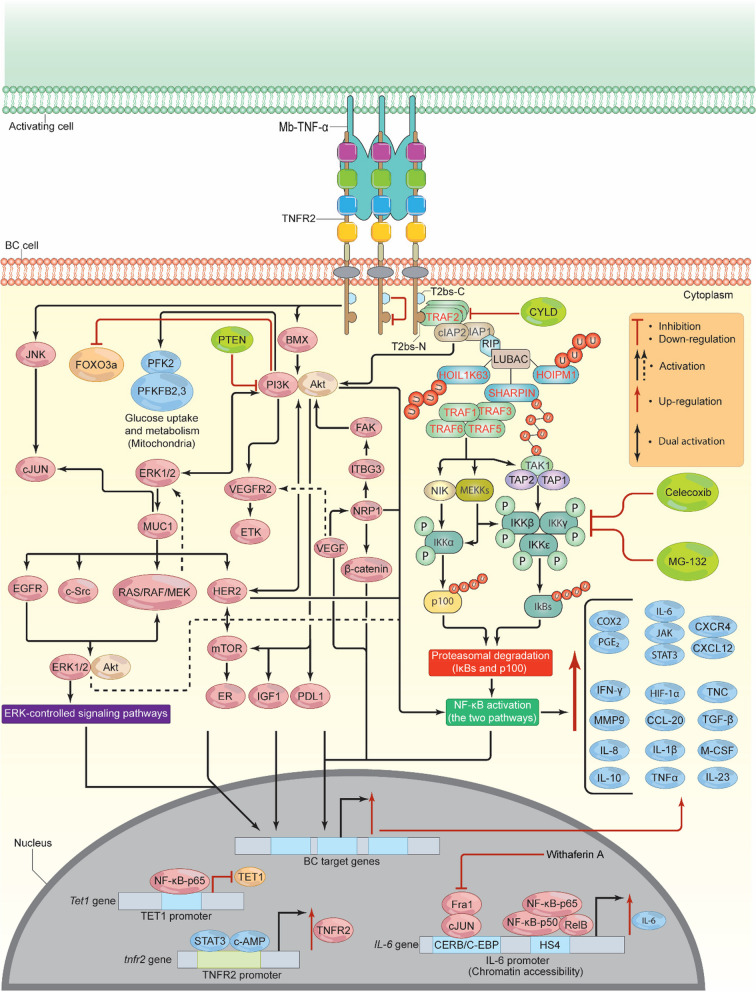
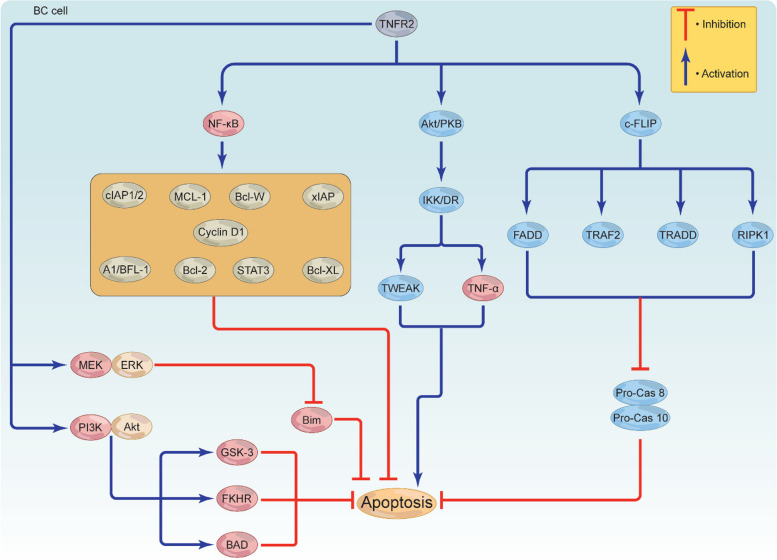
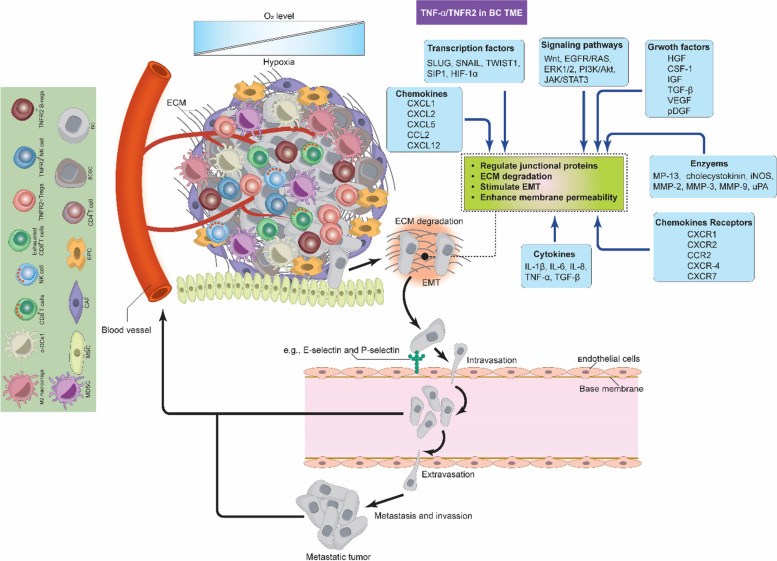
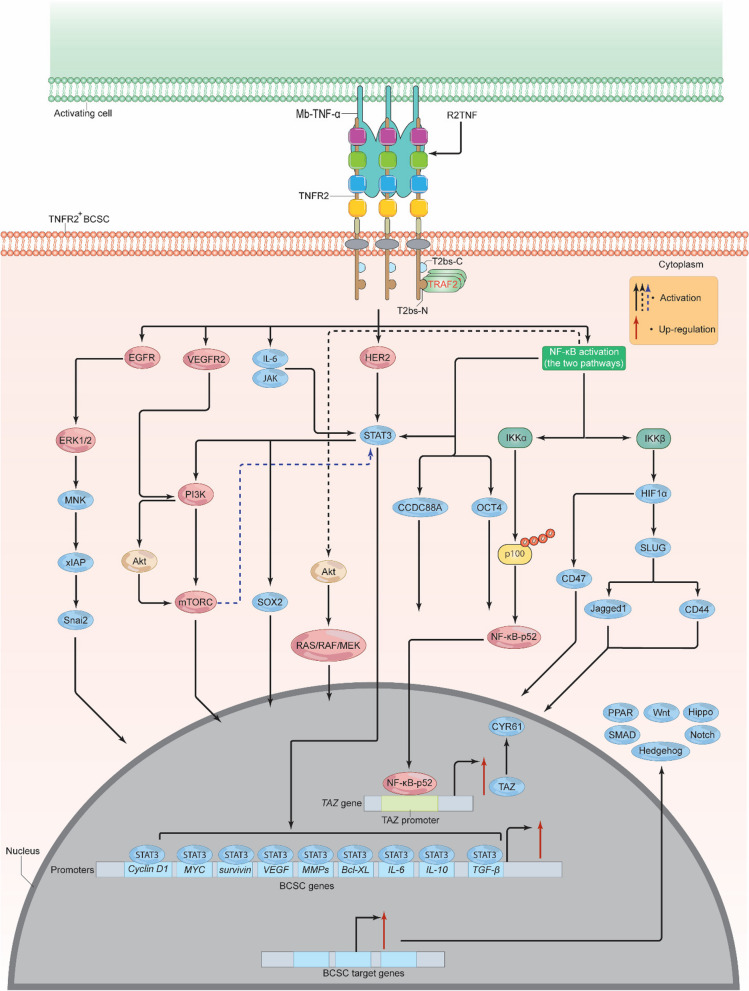
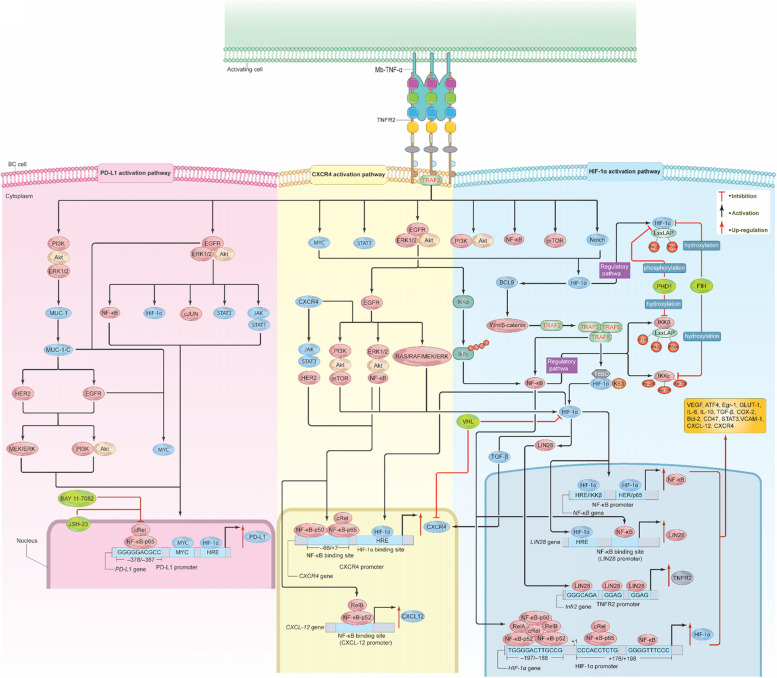
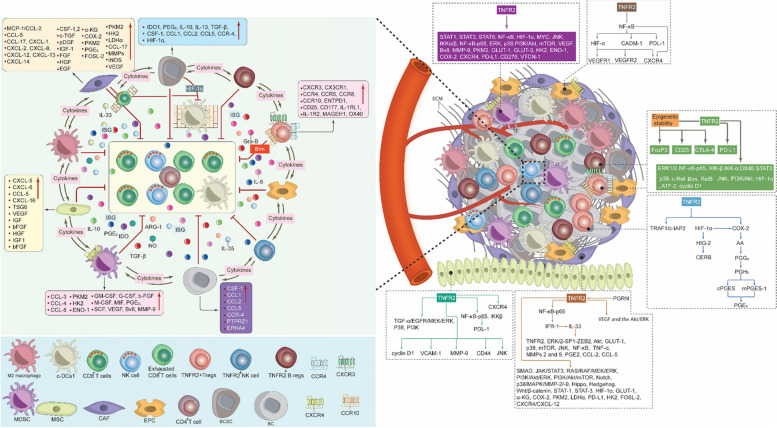
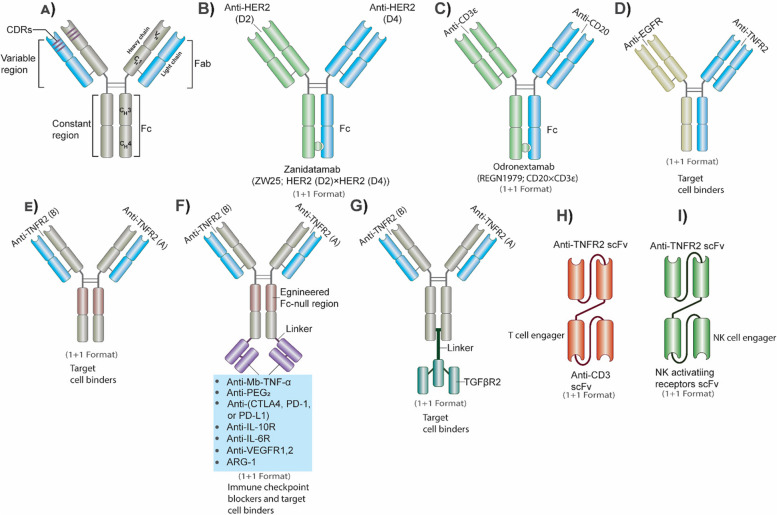
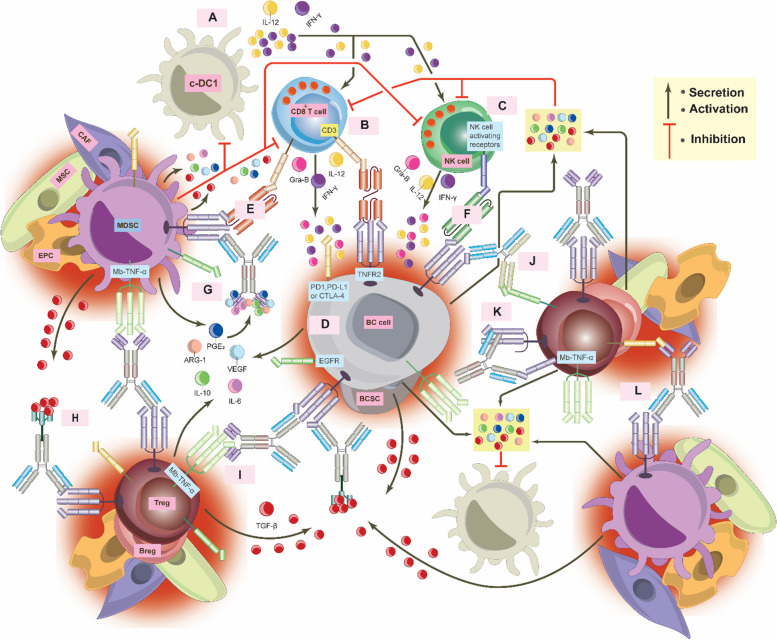
Breast cancer (BC) is the most frequently diagnosed malignancy among women. It is characterized by a high level of heterogeneity that emerges from the interaction of several cellular and soluble components in the tumor microenvironment (TME), such as cytokines, tumor cells and tumor-associated immune cells. Tumor necrosis factor (TNF) receptor 2 (TNFR2) appears to play a significant role in microenvironmental regulation, tumor progression, immune evasion, drug resistance, and metastasis of many types of cancer, including BC. However, the significance of TNFR2 in BC biology is not fully understood. This review provides an overview of TNFR2 biology, detailing its activation and its interactions with important signaling pathways in the TME (e.g., NF-κB, MAPK, and PI3K/Akt pathways). We discuss potential therapeutic strategies targeting TNFR2, with the aim of enhancing the antitumor immune response to BC. This review provides insights into role of TNFR2 as a major immune checkpoint for the future treatment of patients with BC.
乳腺癌(BC)是女性中最常见的恶性肿瘤。它的特点是高度异质性,这种异质性源于肿瘤微环境(TME)中几种细胞和可溶性成分的相互作用,如细胞因子、肿瘤细胞和肿瘤相关免疫细胞。肿瘤坏死因子(TNF)受体 2(TNFR2)似乎在多种癌症(包括 BC)的微环境调节、肿瘤进展、免疫逃逸、耐药性和转移中发挥重要作用。然而,TNFR2 在 BC 生物学中的意义尚不完全清楚。这篇综述概述了 TNFR2 的生物学特性,详细描述了其激活及其与 TME 中重要信号通路(如 NF-κB、MAPK 和 PI3K/Akt 通路)的相互作用。我们讨论了针对 TNFR2 的潜在治疗策略,旨在增强对 BC 的抗肿瘤免疫反应。这篇综述深入了解了 TNFR2 作为主要免疫检查点在未来治疗 BC 患者中的作用。