International Clinical Research Center, St. Anne's University Hospital Brno, Brno, Czech Republic.
First Department of Neurology, St. Anne's University Hospital Brno and Faculty of Medicine, Masaryk University, Brno, Czech Republic.
BMC Public Health. 2024 Nov 28;24(1):3322. doi: 10.1186/s12889-024-20809-x.
If carried out correctly and without delay, activation of emergency services by stroke bystanders could improve mortality and disability from stroke. This paper describes the development of a school-based intervention using the Intervention Mapping approach. It aims to improve the appropriate activation of emergency medical services for suspected stroke by 12-15-year-old children.
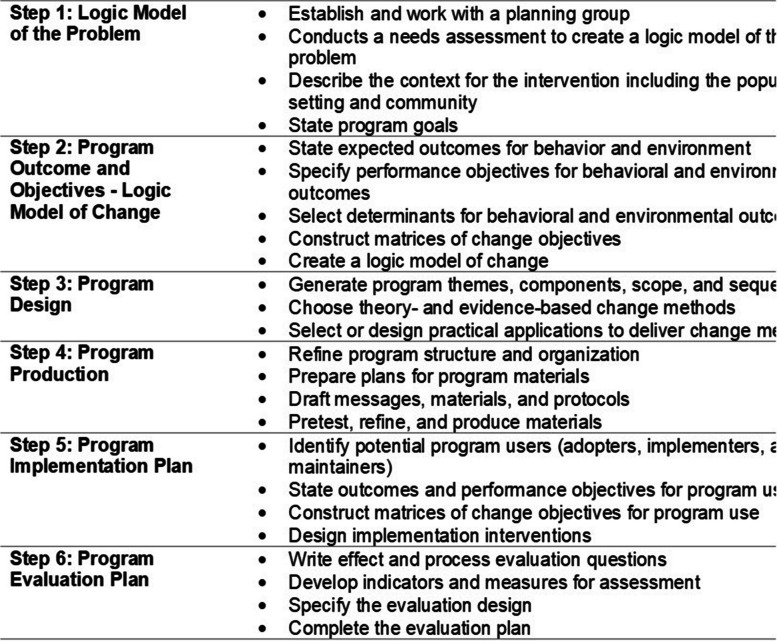
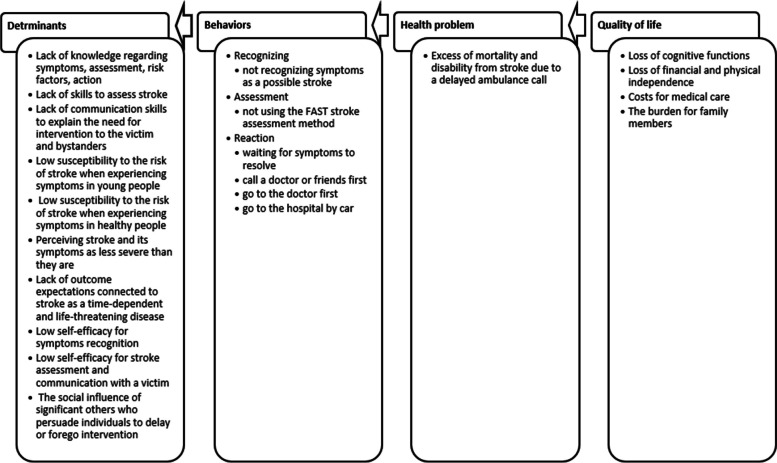
The development of the intervention was guided by Intervention Mapping approach. The logic model of the problem was created through analysis of the existing literature and semi-structured interviews with stakeholders. Based on these findings, performance objectives and their determinants were determined and matched to create a model for changing emergency medical services activation behavior. Behavior change methods and their practical applications were then determined. Based on them, intervention messages and materials were designed, the intervention was drafted, pretested, and finalized.
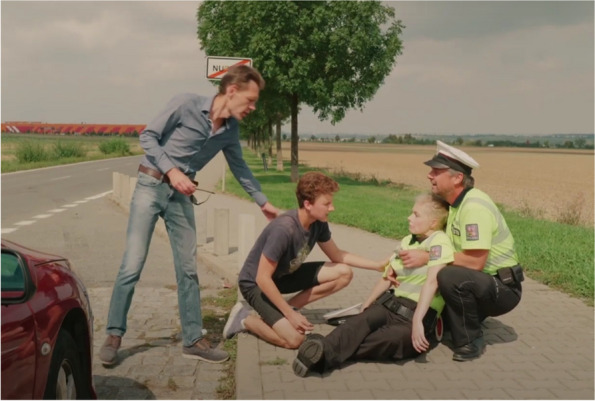
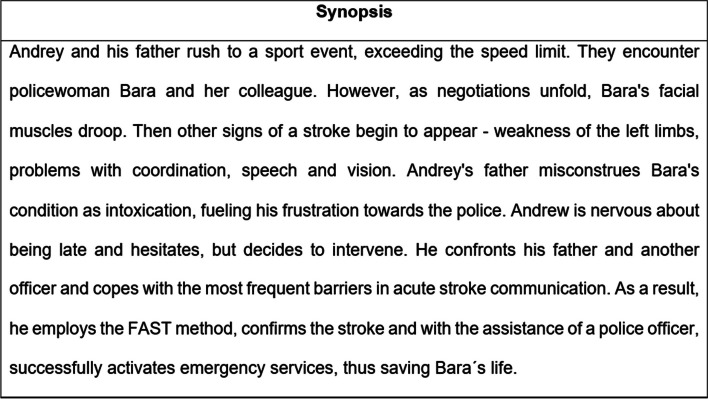
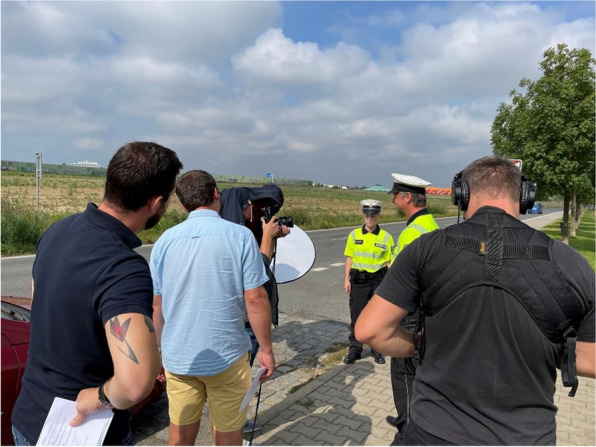
It was found that the main performance objectives for the activation of emergency medical services were (1) recognizing symptoms, (2) communicating with the victim, and (3) calling an ambulance immediately. Their main determinants were knowledge, social influence, risk perception, self-efficacy, outcome expectations, and skills. Determinants were then matched with performance objectives to create the matrices of requested behavior changes. The following change methods were chosen: modeling, elaboration, belief selection, providing cues, scenario-based risk information, and cultural similarity. Methods were translated into practical applications in the form of a short educational film. The production company created, pretested, and finalized the film. As a result, a 5-minute entertainment-education video was created modeling an acute stroke with a child as the main bystander.
The Intervention Mapping approach guided the development of a school-based program to improve Emergency medical services activation in stroke by 12-15 year old children. Our process and approach can serve as a model for researchers and health promotion professionals aiming to improve help-seeking behavior for stroke to improve stroke help-seeking behavior as well as other acute diseases.
如果由中风旁观者正确且及时地启动紧急服务,可能会改善中风患者的死亡率和残疾程度。本文描述了使用干预映射方法进行的一项基于学校的干预措施的发展。其目的是提高 12-15 岁儿童对疑似中风的紧急医疗服务的正确激活率。
干预的开发由干预映射方法指导。通过分析现有文献和对利益相关者的半结构化访谈,创建问题的逻辑模型。基于这些发现,确定了绩效目标及其决定因素,并将其进行匹配,以创建改变紧急医疗服务激活行为的模型。然后确定行为改变方法及其实际应用,并基于这些方法设计干预信息和材料,起草、预测试和最终确定干预措施。
发现紧急医疗服务激活的主要绩效目标是(1)识别症状,(2)与受害者沟通,(3)立即呼叫救护车。其主要决定因素是知识、社会影响、风险感知、自我效能、预期结果和技能。然后将决定因素与绩效目标相匹配,以创建请求行为变化的矩阵。选择了以下改变方法:建模、阐述、信念选择、提供线索、基于情景的风险信息和文化相似性。方法被转化为以短片形式的实际应用。制作公司创建、预测试并最终确定了短片。结果,制作了一部 5 分钟的娱乐教育短片,模拟了以儿童为主要旁观者的急性中风。
干预映射方法指导了一项基于学校的计划的发展,以提高 12-15 岁儿童对中风的紧急医疗服务激活率。我们的过程和方法可以为旨在改善中风等急性疾病寻求帮助行为的研究人员和健康促进专业人员提供模型。