Hospital of Chengdu University of Traditional Chinese Medicine, Chengdu, 610072, Sichuan Province, China.
TCM Regulating Metabolic Diseases Key Laboratory of Sichuan Province, Hospital of Chengdu University of Traditional Chinese Medicine, Chengdu, 610072, Sichuan Province, China.
J Transl Med. 2024 Nov 28;22(1):1079. doi: 10.1186/s12967-024-05802-7.
The aim of this study was to explore the microbial variations and biomarkers in the oral environment of patients with persistent pulmonary nodules (pPNs) and to reveal the potential biological functions of the salivary microbiota in pPNs.
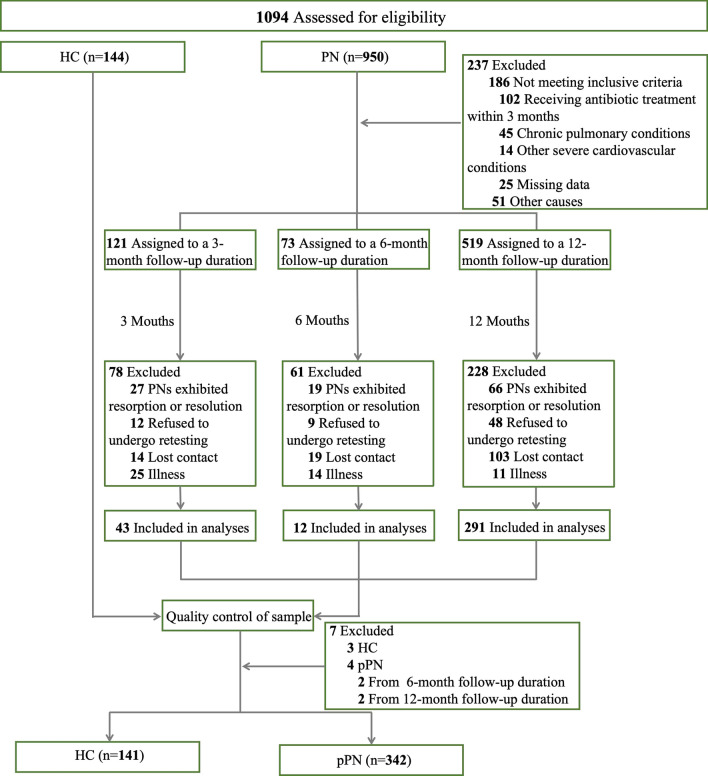
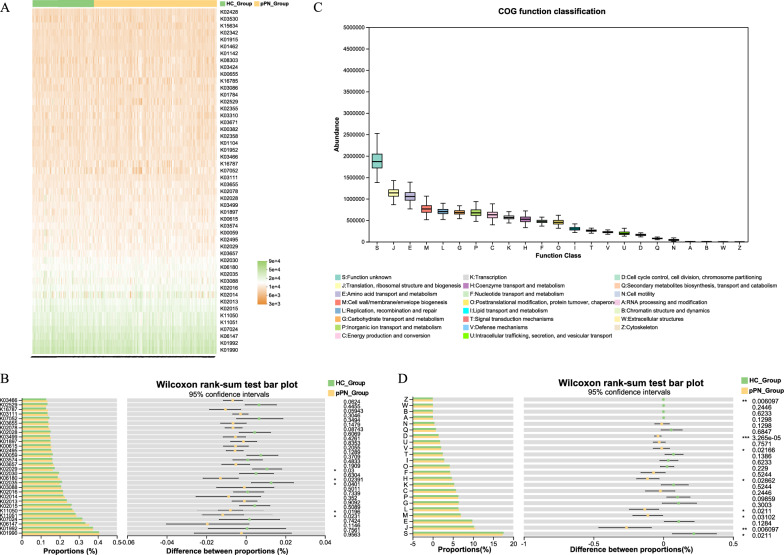
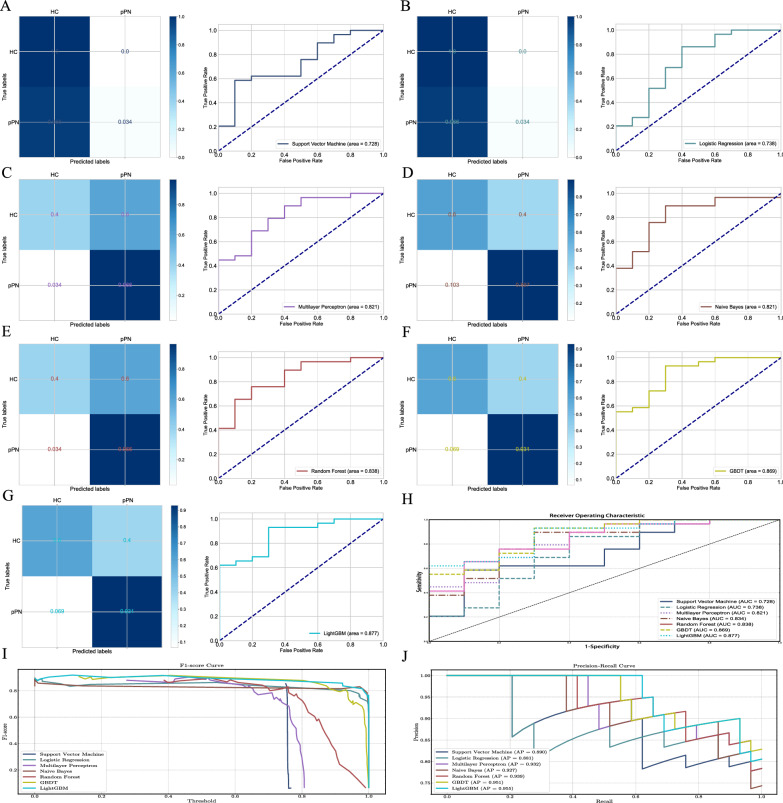
This study included a total of 483 participants (141 healthy controls and 342 patients with pPNs) from June 2022 and January 2024. Saliva samples were subjected to sequencing of the V3-V4 region of the 16S rRNA gene to assess microbial diversity and differential abundance. Seven advanced machine learning algorithms (logistic regression, support vector machine, multi-layer perceptron, naïve Bayes, random forest, gradient boosting decision tree, and LightGBM) were utilized to evaluate performance and identify key microorganisms, with fivefold cross-validation employed to ensure robustness. The Shapley Additive exPlanations (SHAP) algorithm was employed to explain the contribution of these core microbiotas to the predictive model. Additionally, the PICRUSt2 algorithm was used to predict the microbial functions.
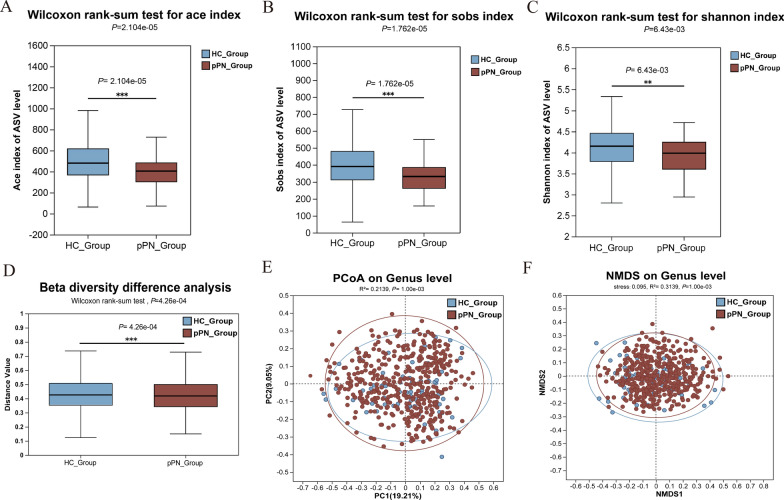
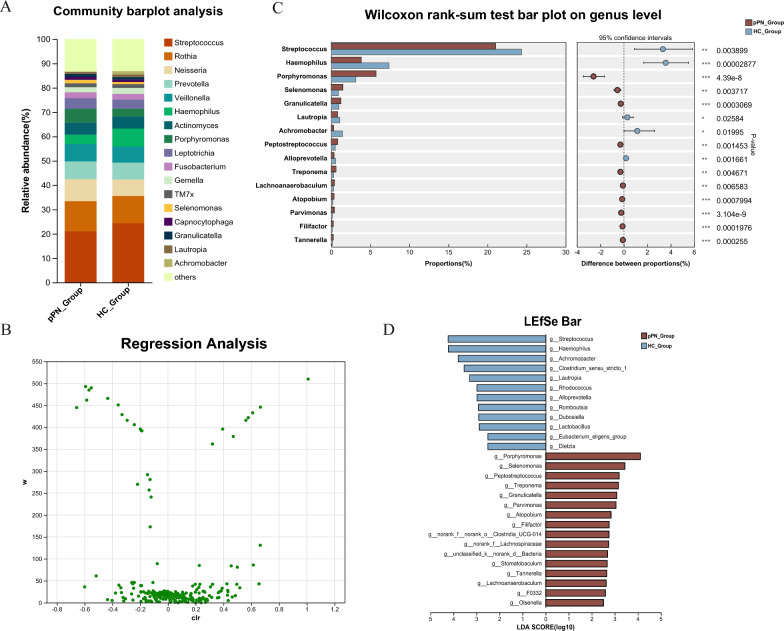
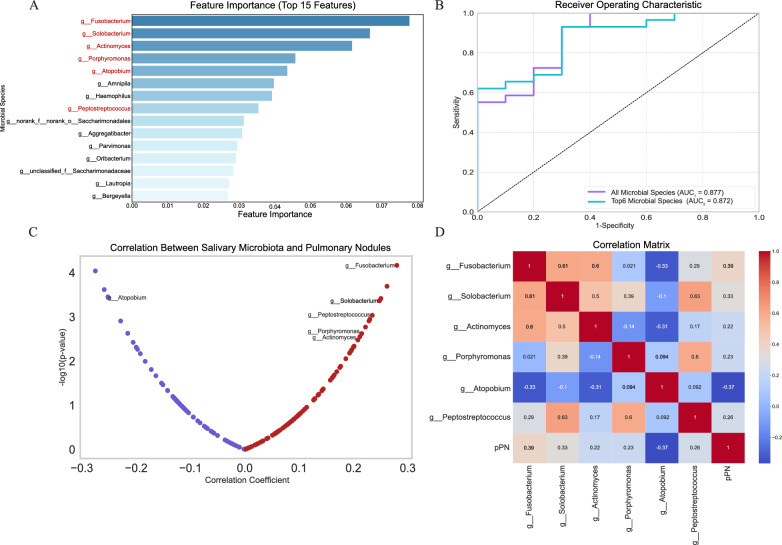
The salivary microbial composition in pPNs group showed significantly lower α- and β-diversity compared to healthy controls. A high-accuracy LightGBM model was developed, identifying six core genera-Fusobacterium, Solobacterium, Actinomyces, Porphyromonas, Atopobium, and Peptostreptococcus-as pPNs biomarkers. Additionally, a visualization pPNs risk prediction system was developed. The immune responses and metabolic activities differences in salivary microbiota between the patients with pPNs and healthy controls were revealed.
This study highlights the potential clinical applications of the salivary microbiota for enable earlier detection and targeted interventions, offering significant promise for advancing clinical management and improving patient outcomes in pPNs.
本研究旨在探索持续性肺结节(pPNs)患者口腔环境中的微生物变化和生物标志物,并揭示唾液微生物群在 pPNs 中的潜在生物学功能。
本研究共纳入 2022 年 6 月至 2024 年 1 月的 483 名参与者(141 名健康对照和 342 名 pPNs 患者)。对唾液样本进行 16S rRNA 基因 V3-V4 区测序,以评估微生物多样性和差异丰度。采用七种先进的机器学习算法(逻辑回归、支持向量机、多层感知机、朴素贝叶斯、随机森林、梯度提升决策树和 LightGBM)评估性能并识别关键微生物,采用五折交叉验证确保稳健性。利用 Shapley Additive exPlanations(SHAP)算法解释这些核心微生物群落对预测模型的贡献。此外,使用 PICRUSt2 算法预测微生物功能。
与健康对照组相比,pPNs 组的唾液微生物组成表现出明显较低的α-和β多样性。开发了一个高精度的 LightGBM 模型,确定了六个核心属-Fusobacterium、Solobacterium、Actinomyces、Porphyromonas、Atopobium 和 Peptostreptococcus-作为 pPNs 的生物标志物。此外,还开发了一个可视化的 pPNs 风险预测系统。揭示了 pPNs 患者和健康对照组唾液微生物群之间的免疫反应和代谢活性差异。
本研究强调了唾液微生物群在早期检测和靶向干预方面的潜在临床应用,为推进 pPNs 的临床管理和改善患者预后提供了重要前景。