Wang Zixuan, Yang Chenyi, Wang Xinyi, Liao Huihui, Liu Xing, Liu Huan, Zhang Miao, Zhang Lin, Wang Haiyun
The Third Central Clinical College of Tianjin Medical University, Tianjin, China.
Department of Anesthesiology, The Third Central Hospital of Tianjin, Tianjin, China.
Aging Cell. 2025 Mar;24(3):e14418. doi: 10.1111/acel.14418. Epub 2024 Nov 28.
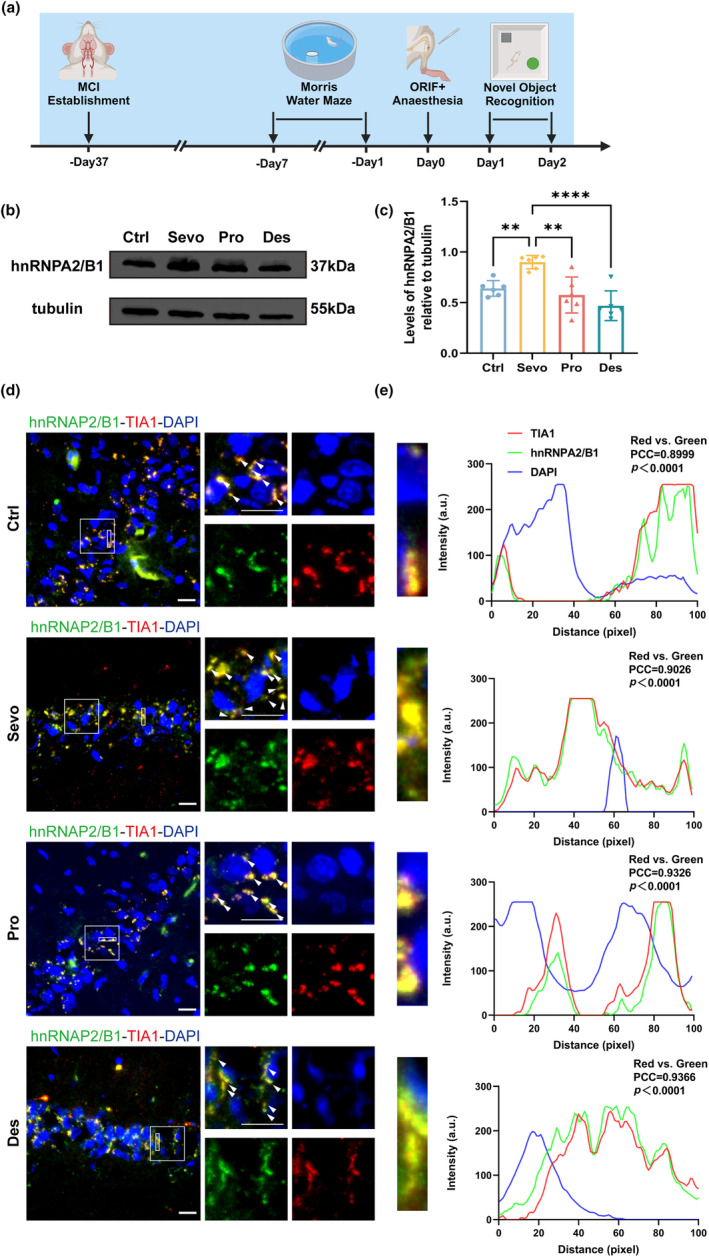
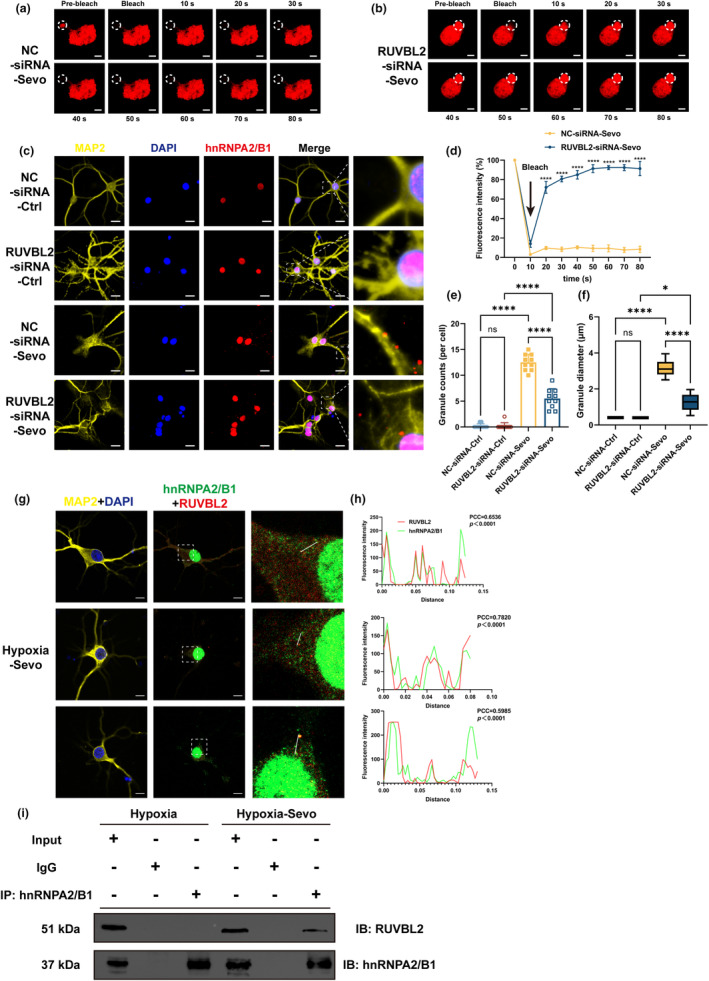
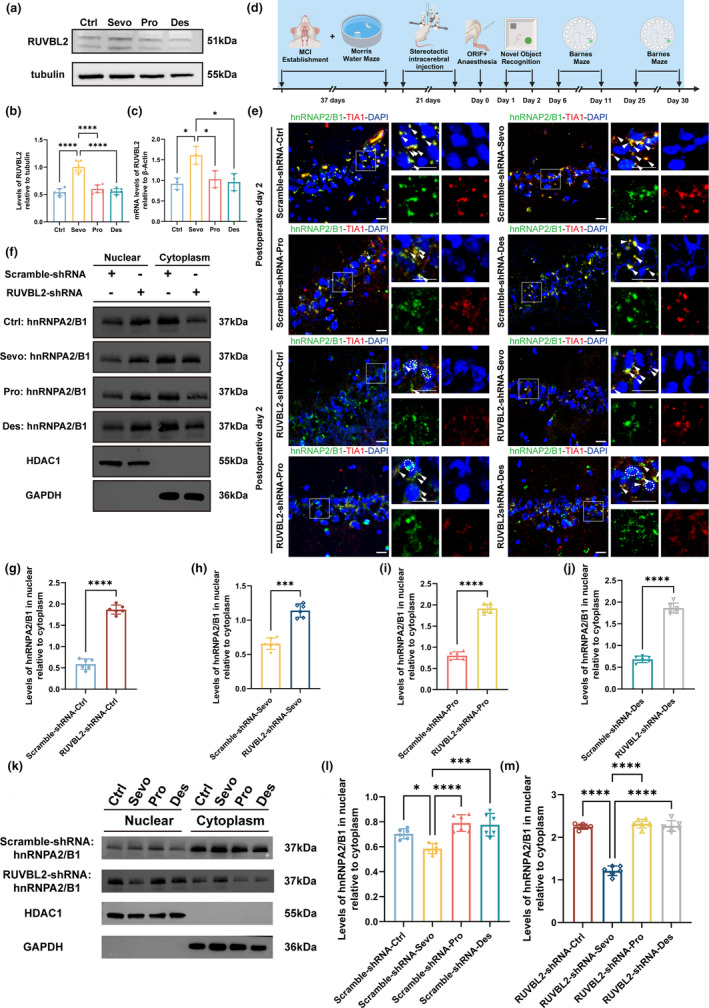
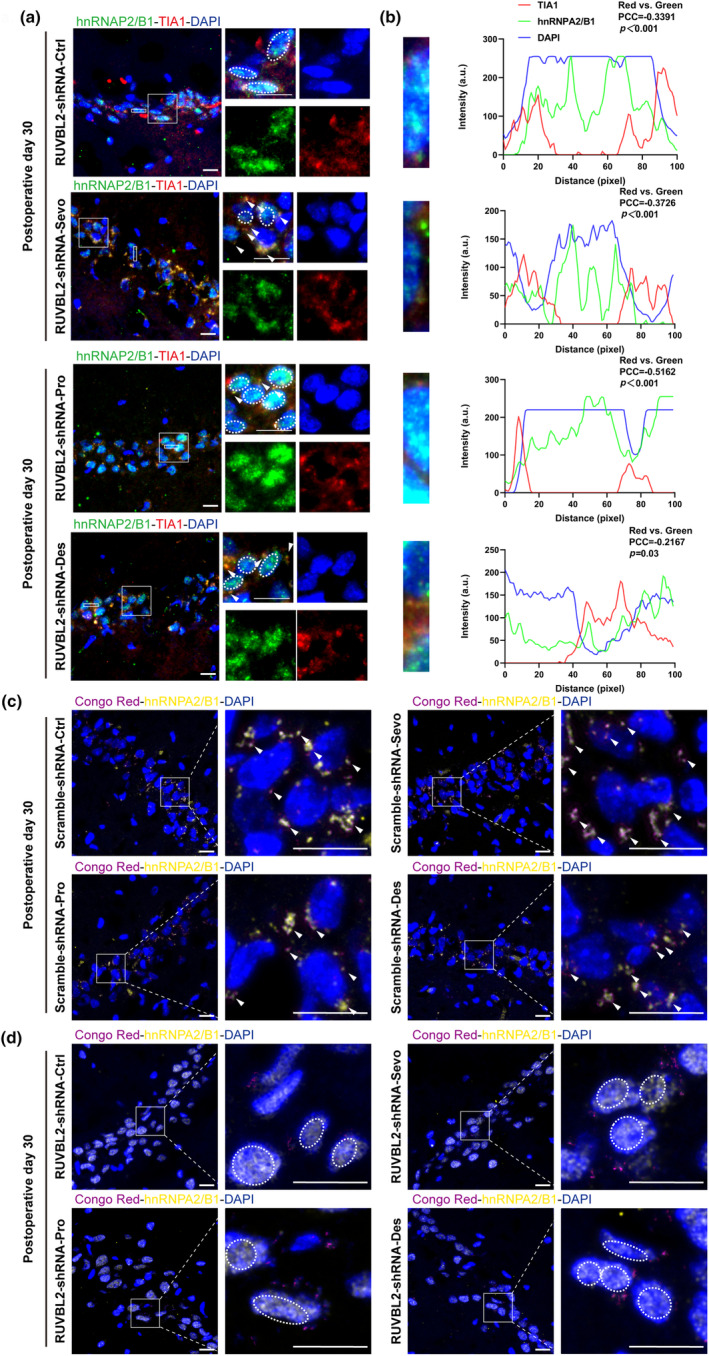
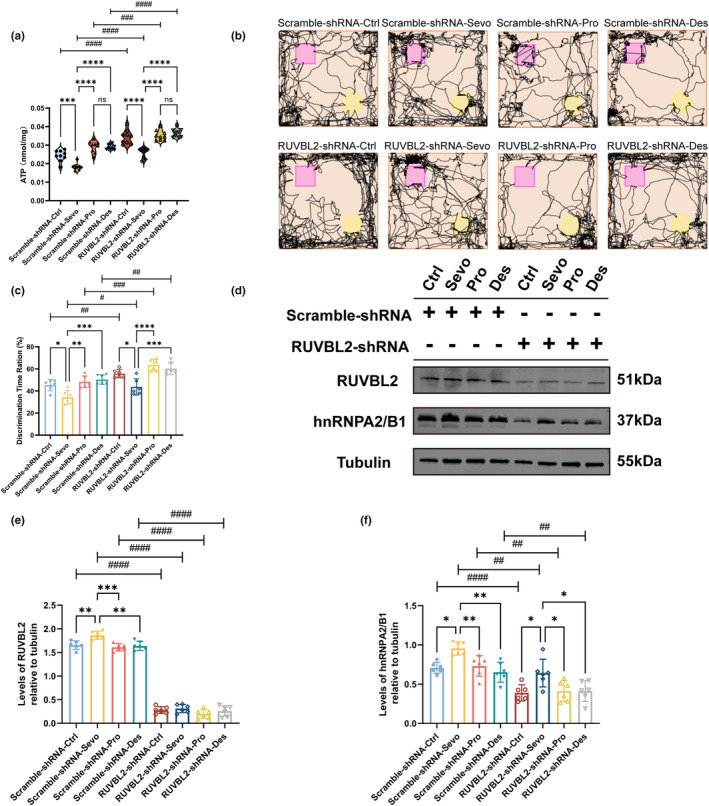
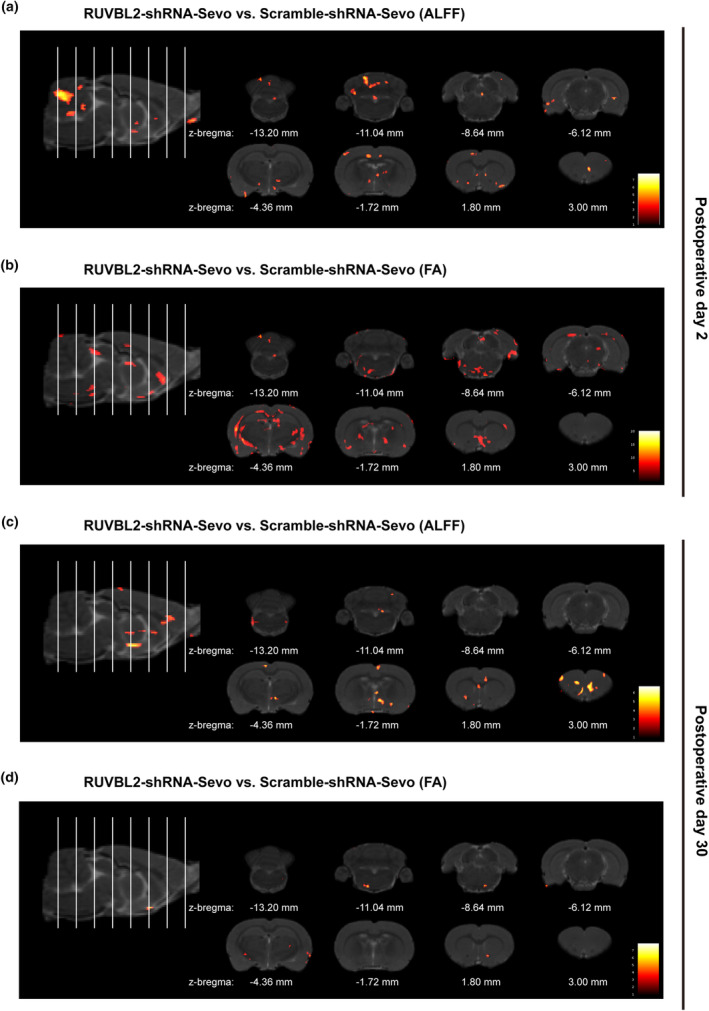
Perioperative neurocognitive disorders (PND) is common in aged mild cognitive impairment (MCI) patients and can accelerate the progression to dementia. This process involves heterogeneous nuclear ribonucleoprotein A2/B1 (hnRNPA2/B1)-mediated aggregates of stress granules (SGs), while RUVBL2 influences the dynamics of these SGs. Our research explored a new target for modulating hnRNAPA2/B1-SGs dynamics to accelerate their disassembly and potentially delay MCI progression due to PND. We assessed the effect of hippocampal RUVBL2 knockdown on hnRNPA2/B1-SGs in aged MCI rats through behavioral studies, biochemical experiments and MRI. We also examined hnRNPA2/B1-SGs dynamics using immunofluorescence staining and fluorescence recovery after photobleaching (FRAP) in rat primary hippocampal neurons. Our results revealed that hnRNPA2/B1 in the hippocampus of aged MCI rats translocates to the cytoplasm to form SGs following anesthesia. RUVBL2 knockdown promotes the disappearance of hnRNPA2/B1-SGs, allowing hnRNPA2/B1 to return to the nucleus and enhancing functional activity in the brain regions of aged MCI rats. In primary hippocampal neurons, RUVBL2 deletion facilitated hnRNPA2/B1-SGs transition from hydrogel to liquid, promoting disassembly. We compared three commonly used general anesthetics-3% sevoflurane, 40 mg·kg·h propofol, and 9% desflurane. Sevoflurane upregulated RUVBL2, which decreased the intraneuronal pH and disrupted energy metabolism. These changes resulted in greater stabilization of hnRNPA2/B1- SGs. In conclusion, our findings indicated that the knockdown of RUVBL2 expression contributes to the transition of hnRNPA2/B1-SGs from the hydrogel phase to the liquid phase. Targeted interference with RUVBL2 may represent a novel approach to delay the progression to dementia due to PND in aged MCI patients.
围手术期神经认知障碍(PND)在老年轻度认知障碍(MCI)患者中很常见,并且会加速向痴呆症的进展。这一过程涉及异质性核糖核蛋白A2/B1(hnRNPA2/B1)介导的应激颗粒(SGs)聚集,而RUVBL2会影响这些SGs的动态变化。我们的研究探索了一个新靶点,用于调节hnRNPA2/B1-SGs的动态变化,以加速其解体,并可能延缓因PND导致的MCI进展。我们通过行为学研究、生化实验和磁共振成像评估了海马体中RUVBL2基因敲低对老年MCI大鼠hnRNPA2/B1-SGs的影响。我们还使用免疫荧光染色和光漂白后荧光恢复(FRAP)技术在大鼠原代海马神经元中检测了hnRNPA2/B1-SGs的动态变化。我们的结果显示,老年MCI大鼠海马体中的hnRNPA2/B1在麻醉后会转移到细胞质中形成SGs。RUVBL2基因敲低促进了hnRNPA2/B1-SGs的消失,使hnRNPA2/B1回到细胞核,并增强了老年MCI大鼠脑区的功能活性。在原代海马神经元中,RUVBL2缺失促进了hnRNPA2/B1-SGs从水凝胶向液体的转变,促进了解体。我们比较了三种常用的全身麻醉药——3%七氟醚、40mg·kg·h丙泊酚和9%地氟醚。七氟醚上调了RUVBL2,这降低了神经元内pH值并扰乱了能量代谢。这些变化导致hnRNPA2/B1-SGs更加稳定。总之,我们的研究结果表明,RUVBL2表达的敲低有助于hnRNPA2/B1-SGs从水凝胶相转变为液相。靶向干扰RUVBL2可能是一种延缓老年MCI患者因PND向痴呆症进展的新方法。