He Xingyan, Zhang Yuxin
Department of Pediatrics, Guangdong Provincial People's Hospital (Guangdong Academy of Medical Sciences), Southern Medical University, Guangzhou, Guangdong, China.
Shantou University Medical College, Shantou, Guangdong, China.
Front Microbiol. 2024 Nov 14;15:1480022. doi: 10.3389/fmicb.2024.1480022. eCollection 2024.
Epilepsy is a prevalent chronic neurological disorder that is strongly associated with a wide range of psychological, cognitive and social problems. It affects a significant proportion of the global population and has a number of complex etiologies. A growing body of research indicates that there is a strong association between epilepsy and the gut microbiota. Indeed, a substantial body of research has investigated the potential role of epilepsy in relation to the gut microbiota, examining alterations in the abundance, diversity, and relative abundance of the gut microbiota in patients with epilepsy.
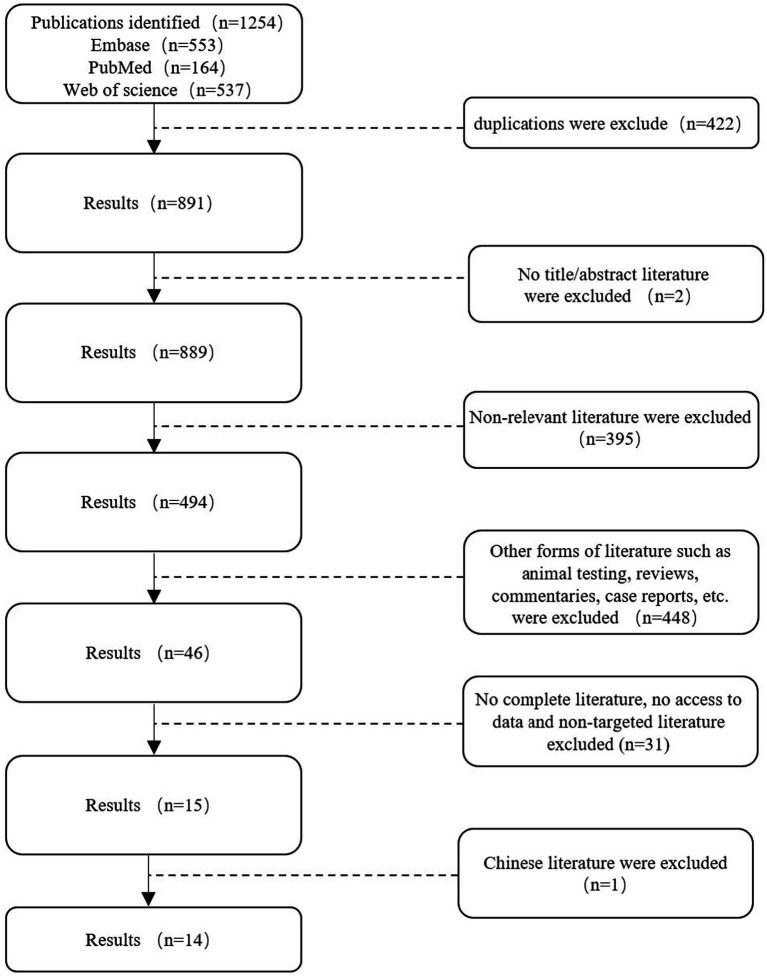
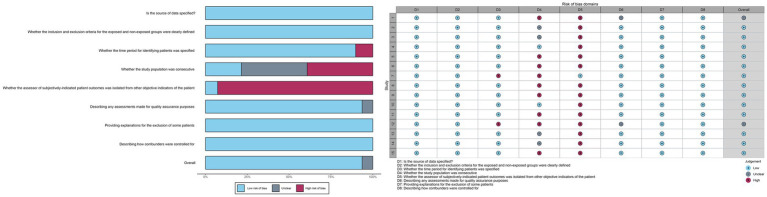
This study was conducted in accordance with the PRISMA guidelines and included multiple studies that met specific criteria. A keyword search was conducted in the following databases: PubMed, Embase, and Web of Science. The data extraction and quality assessment were conducted by two independent researchers. A systematic review and meta-analysis of the relationship between patients with epilepsy and gut flora was conducted using the R 4.3.4 software.
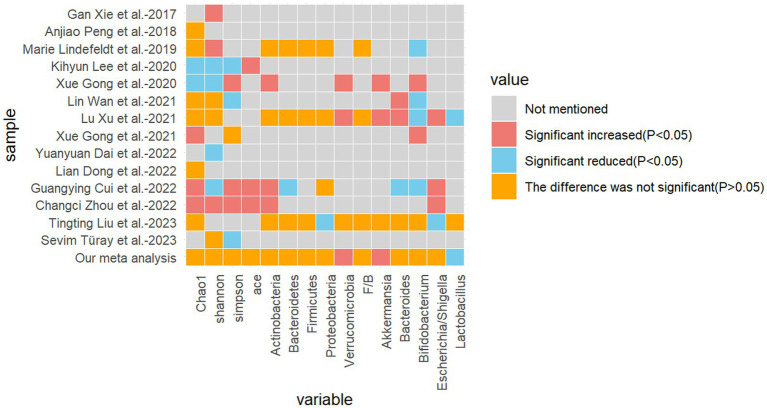
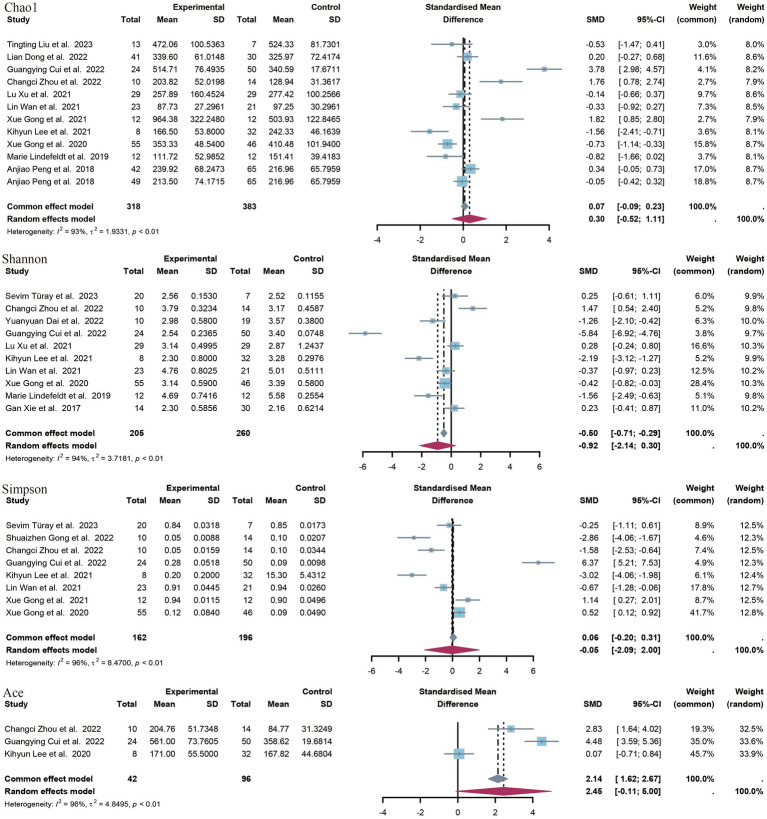
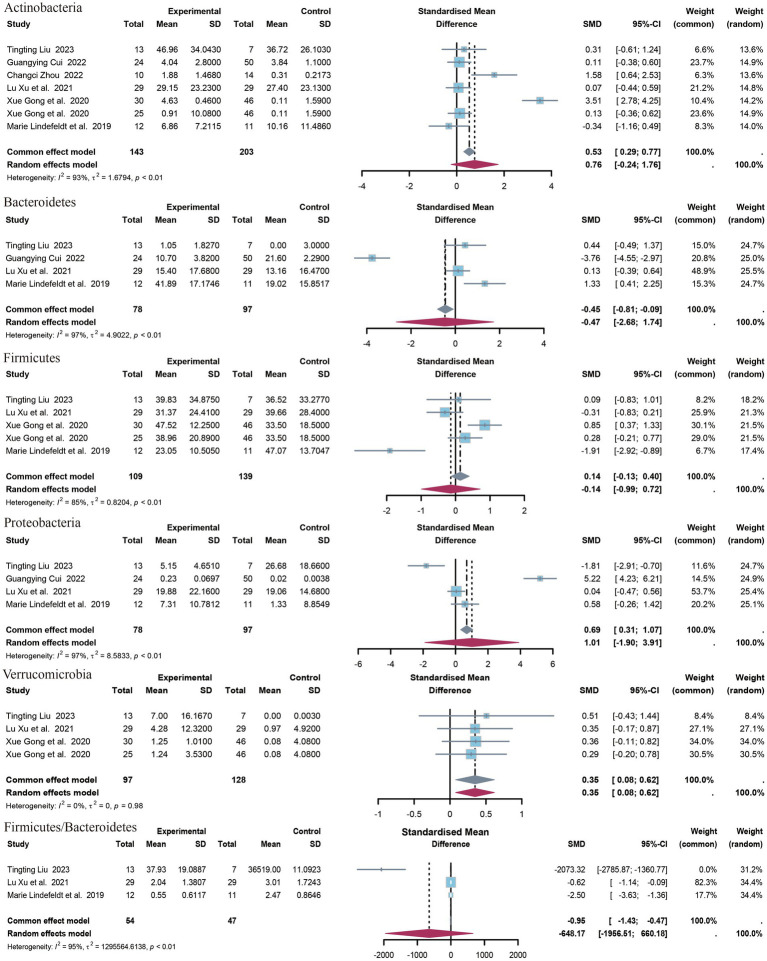
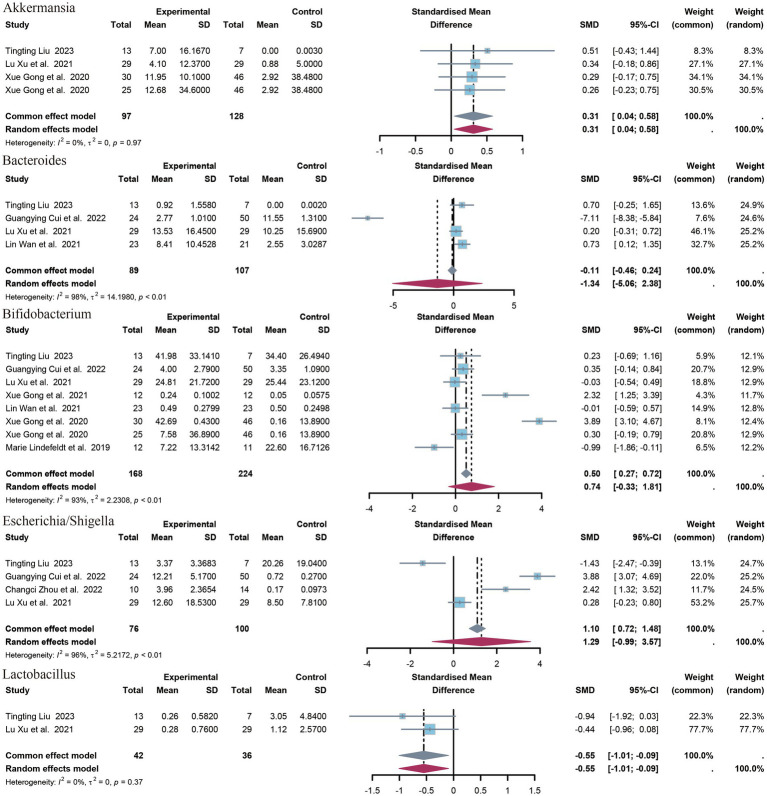
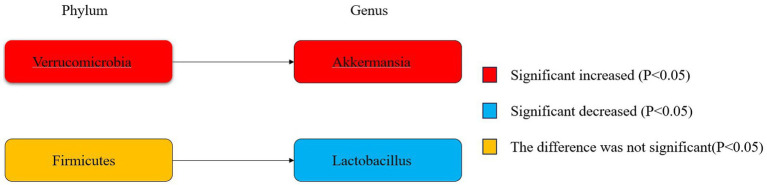
The results of the analyses indicated that the intestinal flora of patients with epilepsy did not differ significantly in alpha diversity compared to healthy controls. However, the relative abundance of specific flora, such as and was significantly increased in patients, whereas Lactobacillus was significantly decreased.
The relationship between epilepsy and gut flora is reciprocal. The present meta-analysis demonstrated that there were no statistically significant alterations in the overall characteristics of the intestinal flora of the patients. However, significant changes were observed in the relative abundance of certain phyla and genera. Consequently, it is hypothesized that epilepsy can cause changes in the relative abundance of specific flora in patients. Furthermore, in conjunction with previous studies, it is believed that changes in intestinal flora can also have an effect on seizures. For example, may be a beneficial genus that potentially reduces seizures. Conversely, the effect of Akkermansia is two-sided.
癫痫是一种常见的慢性神经系统疾病,与广泛的心理、认知和社会问题密切相关。它影响着全球相当一部分人口,病因复杂。越来越多的研究表明,癫痫与肠道微生物群之间存在密切关联。事实上,大量研究已经探讨了癫痫与肠道微生物群的潜在关系,研究了癫痫患者肠道微生物群的丰度、多样性和相对丰度的变化。
本研究按照PRISMA指南进行,纳入了多项符合特定标准的研究。在以下数据库中进行了关键词搜索:PubMed、Embase和Web of Science。由两名独立研究人员进行数据提取和质量评估。使用R 4.3.4软件对癫痫患者与肠道菌群之间的关系进行了系统评价和荟萃分析。
分析结果表明,与健康对照组相比,癫痫患者的肠道菌群在α多样性方面没有显著差异。然而,患者体内特定菌群的相对丰度,如[此处原文缺失具体菌名]和[此处原文缺失具体菌名]显著增加,而乳酸杆菌显著减少。
癫痫与肠道菌群之间的关系是相互的。本荟萃分析表明,患者肠道菌群的总体特征没有统计学上的显著变化。然而,在某些门和属的相对丰度上观察到了显著变化。因此,推测癫痫可导致患者体内特定菌群相对丰度的变化。此外,结合先前的研究,认为肠道菌群的变化也可能对癫痫发作产生影响。例如,[此处原文缺失具体菌名]可能是一个有益的菌属,有可能减少癫痫发作。相反,阿克曼氏菌的作用是双向的。