Núñez-Cortés Rodrigo, López-Bueno Rubén, Torres-Castro Rodrigo, Calatayud Joaquín, Del Pozo Cruz Borja
Department of Physical Therapy, Faculty of Medicine, University of Chile, Santiago, Chile.
Physiotherapy in Motion Multispeciality Research Group (PTinMOTION), Department of Physiotherapy, University of Valencia, Valencia, Spain.
Pediatr Obes. 2025 Jan;20(1):e13190. doi: 10.1111/ijpo.13190. Epub 2024 Nov 29.
Cardiovascular health is a crucial aspect of overall health. The aim of this study was to estimate the prevalence of cardiovascular risk factors among children and adolescents during the COVID-19 pandemic based on the Life's Essential 8 domains.
PubMed, Scopus and Web of Science were systematically searched until 24 February 2023. Studies had to meet the following criteria: (1) observational studies, (2) studies reporting proportion of selected risk factors, (3) studies involving children or adolescents, (4) studies that collected data during the COVID-19 pandemic and (5) studies with representative samples. The outcomes included were diet, physical activity, nicotine exposure, sleep health, obesity, dyslipidaemia, diabetes and elevated blood pressure.
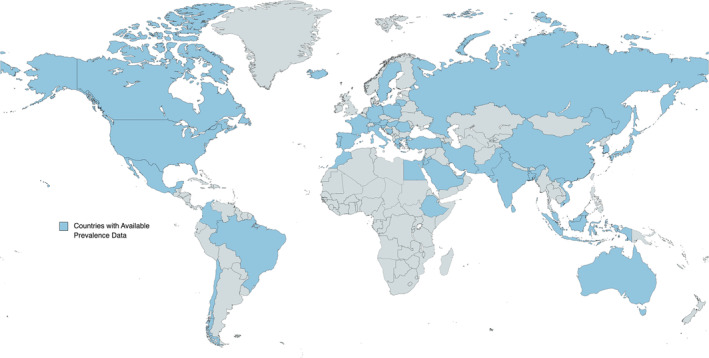
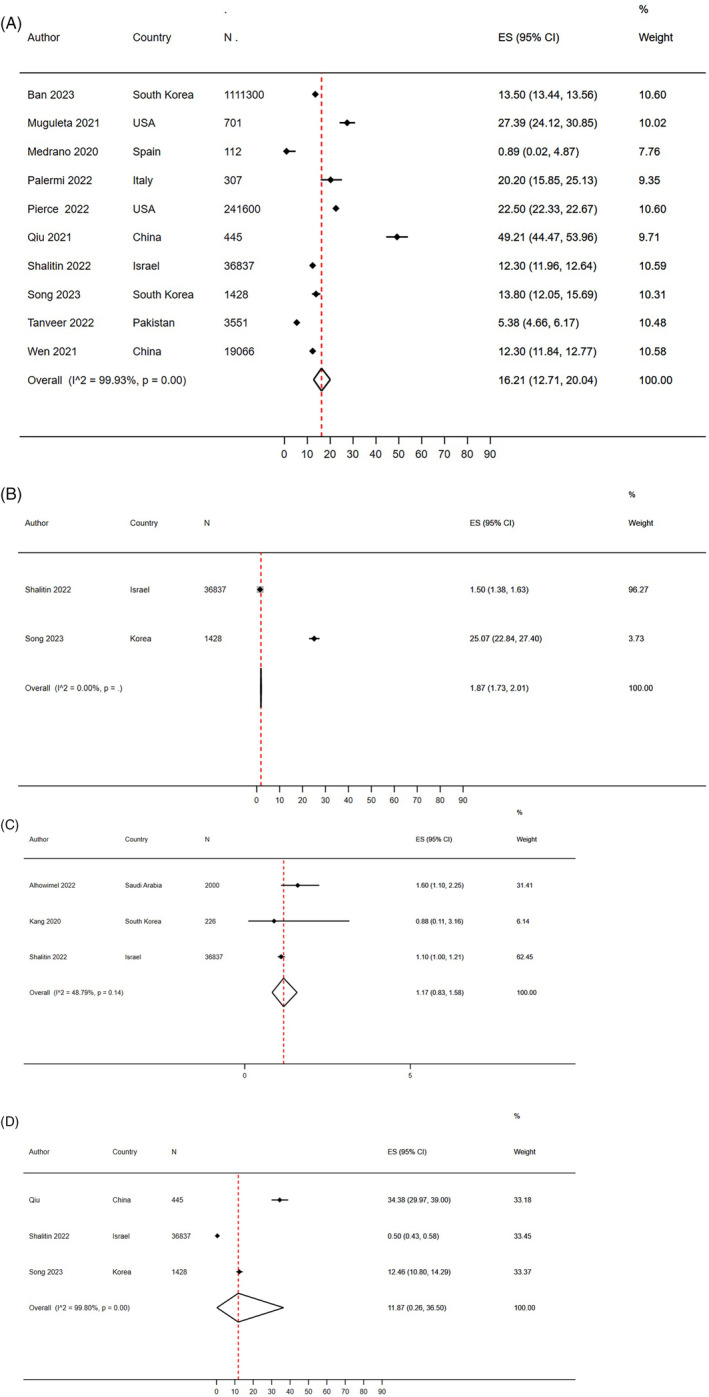
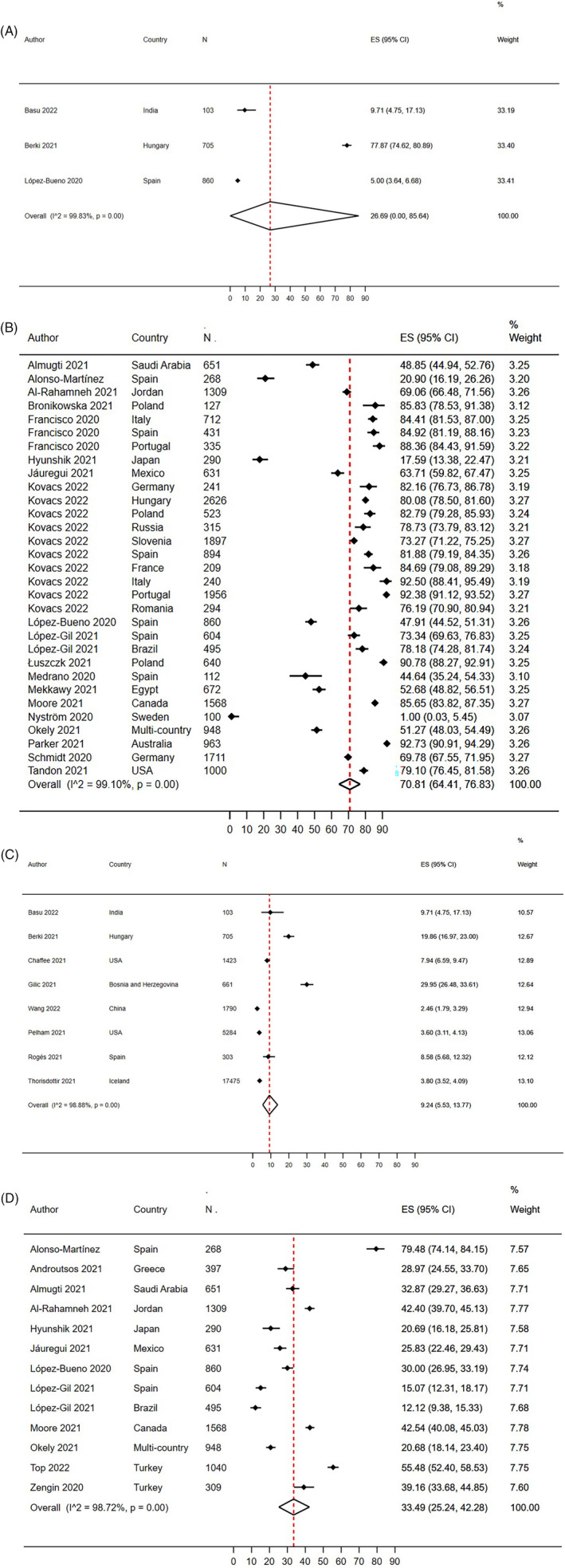
Sixty-two studies with 1 526 173 participants from 42 countries were included. Of these, 41 studies were used in the meta-analyses. The overall pooled prevalence of risk factors in the behavioural domain was as follows: poor quality diet 26.69% (95% CI 0.00%-85.64%), inadequate physical activity 70.81% (95% CI 64.41%-76.83%), nicotine exposure 9.24% (95% CI 5.53%-13.77%) and sleep disorders 33.49% (95% CI 25.24%-42.28%). The overall pooled prevalence of risk factors in the health domain was as follows: obesity 16.21% (95% CI 12.71%-20.04%), dyslipidaemia 1.87% (95% CI 1.73%-2.01%), diabetes 1.17% (95% CI 0.83%-1.58%) and elevated blood pressure 11.87% (95% CI 0.26%-36.50%).
These results highlight the need for prevention strategies to maintain better cardiovascular health from an early age, particularly by increasing physical activity levels, sleep time and promoting the consumption of more fruits and vegetables.
心血管健康是整体健康的关键方面。本研究的目的是基于生命必需的8个领域,估计新冠疫情期间儿童和青少年心血管危险因素的患病率。
系统检索了PubMed、Scopus和Web of Science,直至2023年2月24日。研究必须符合以下标准:(1)观察性研究;(2)报告选定危险因素比例的研究;(3)涉及儿童或青少年的研究;(4)在新冠疫情期间收集数据的研究;(5)具有代表性样本的研究。纳入的结果包括饮食、身体活动、尼古丁暴露、睡眠健康、肥胖、血脂异常、糖尿病和血压升高。
纳入了来自42个国家的62项研究,共1526173名参与者。其中,41项研究用于荟萃分析。行为领域危险因素的总体合并患病率如下:饮食质量差26.69%(95%CI 0.00%-85.64%),身体活动不足70.81%(95%CI 64.41%-76.83%),尼古丁暴露9.24%(95%CI 5.53%-13.77%),睡眠障碍33.49%(95%CI 25.24%-42.28%)。健康领域危险因素的总体合并患病率如下:肥胖16.21%(95%CI 12.71%-20.04%),血脂异常1.87%(95%CI 1.73%-2.01%),糖尿病1.17%(95%CI 0.83%-1.58%),血压升高11.87%(95%CI 0.26%-36.50%)。
这些结果凸显了从早年开始采取预防策略以维持更好心血管健康的必要性,特别是通过增加身体活动水平、睡眠时间以及促进更多水果和蔬菜的消费。