Department of Infectious Disease, The First Affiliated Hospital of Zhengzhou University, Zhengzhou, 450052, China.
Department of Gastrointestinal Surgery, The First Affiliated Hospital, College of Clinical Medicine, Henan University of Science and Technology, Luoyang, 471000, China.
Sci Rep. 2024 Nov 30;14(1):29809. doi: 10.1038/s41598-024-81481-0.
Hepatocellular carcinoma (HCC) is a highly heterogeneous tumor and a primary cause of cancer-relevant deaths worldwide. The role of reactive oxygen species (ROS) in HCC development is less studied.
Seurat package and CellMarker database were employed for single-cell RNA sequencing (scRNA-seq) analysis based on the GSE189175 dataset from Gene Expression Omnibus (GEO). DAVID and MsigDB database were utilized for pathway analysis. SCENIC analysis was performed to map a transcription factors (TFs) regulatory network. CellChat was used for cellular communication analysis.
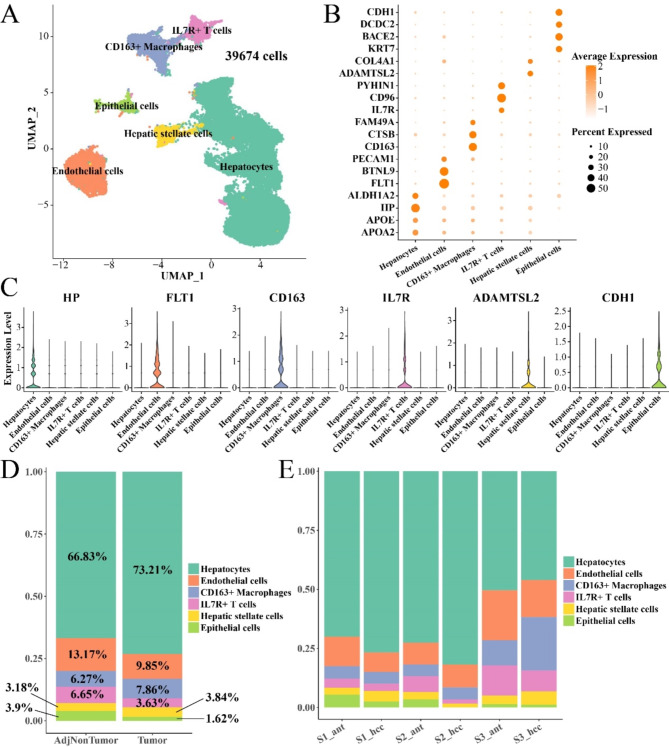
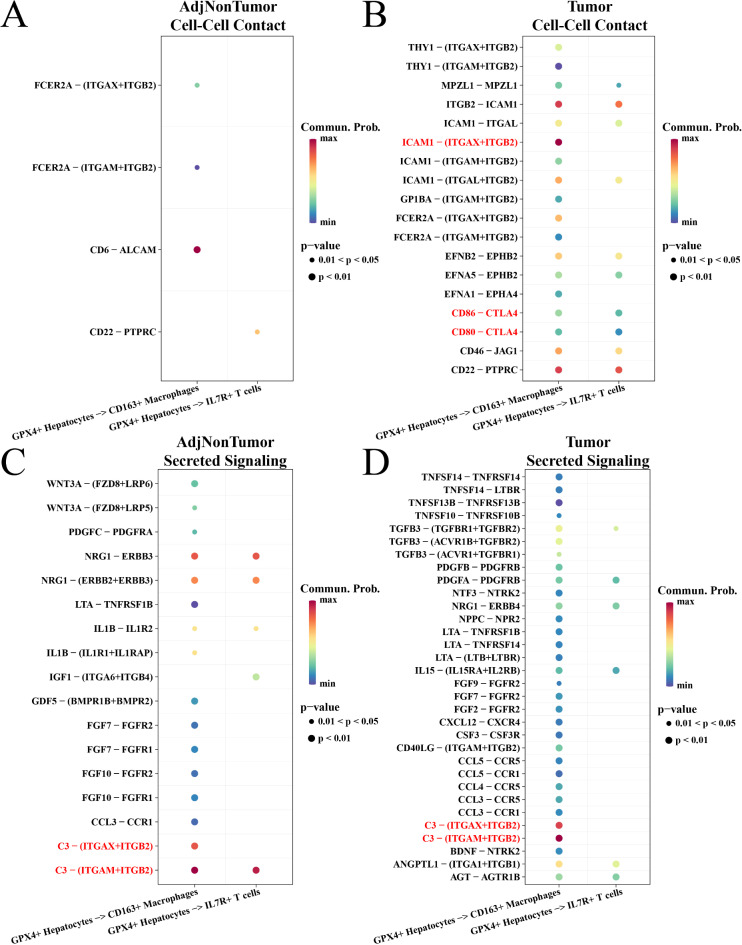
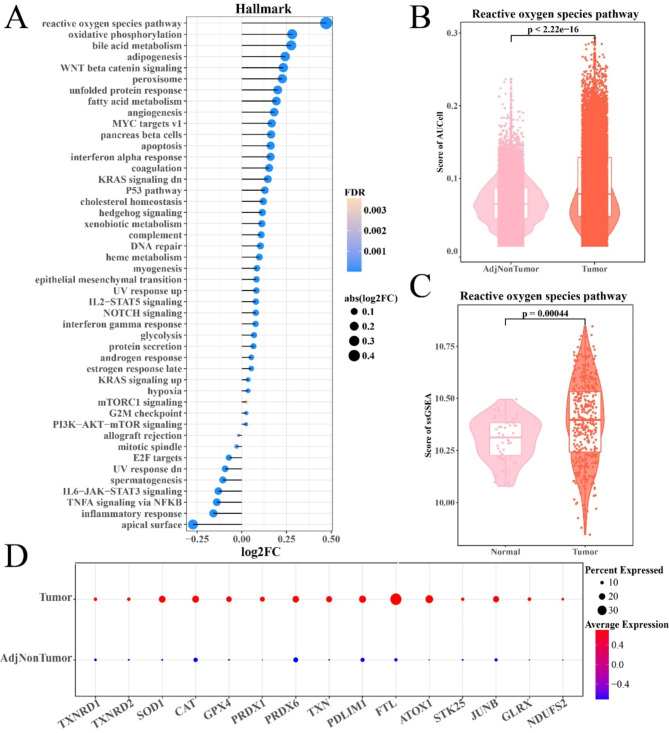
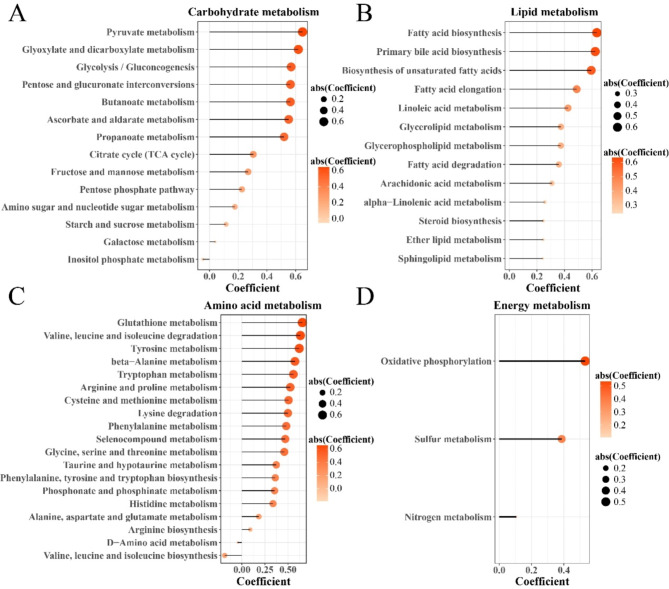
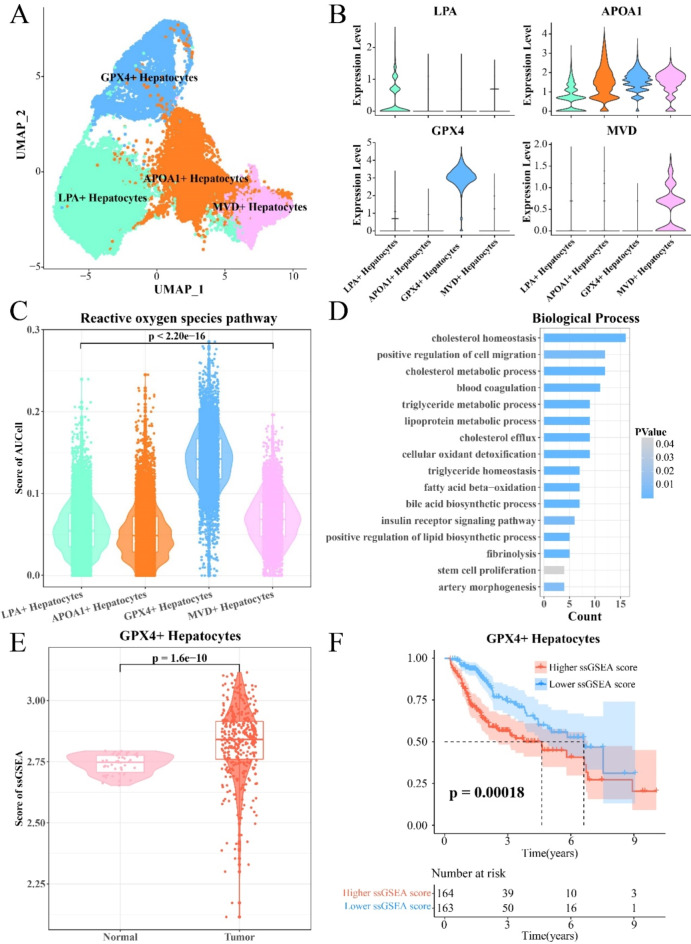
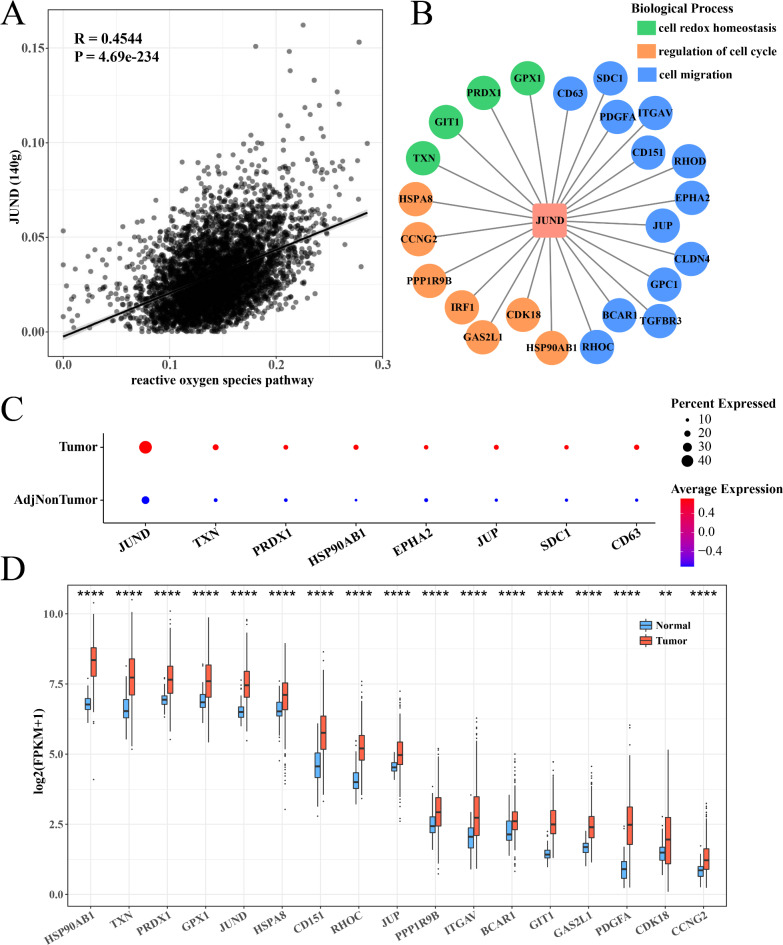
Six major cell subpopulations were identified, among which hepatocytes accounted for the highest proportion in both cancer and adjacent tissues. The enrichment scores of the 50 hallmark gene sets showed that the ROS pathway was abnormally activated in HCC hepatocytes and positively correlated with energy metabolism-related pathways (glucose metabolism, lipid metabolism, amino acid metabolism, etc.). Then, the hepatocytes were divided into four subgroups. Noticeably, GPX4+ hepatocytes with the highest activity of the ROS pathway was related to a worse prognosis of HCC. Mechanism analysis revealed that JUND was involved in the positive regulation of the ROS pathway in GPX4+ hepatocytes. It was found that the interdependent ligand-receptor interaction between GPX4+ liver cells and immune cells facilitated the malignant development of HCC.
ROS pathway was over-activated in the hepatocytes of HCC tissues. GPX4+ hepatocytes having the highest activity of the ROS pathway closely interacted with T cells and M2 macrophage cells. Molecular subtypes and risk score signature based on the ROS pathway and its potential target gene JUND are encouraged to be developed for improving the precision treatment of HCC.
肝细胞癌(HCC)是一种高度异质性肿瘤,也是全球癌症相关死亡的主要原因。活性氧(ROS)在 HCC 发展中的作用研究较少。
使用 Seurat 包和 CellMarker 数据库,基于基因表达综合数据库(GEO)中的 GSE189175 数据集进行单细胞 RNA 测序(scRNA-seq)分析。使用 DAVID 和 MsigDB 数据库进行通路分析。SCENIC 分析用于绘制转录因子(TF)调控网络。使用 CellChat 进行细胞通讯分析。
鉴定出 6 种主要的细胞亚群,其中肝癌和癌旁组织中肝细胞的比例最高。50 个标志性基因集的富集分数显示,ROS 通路在 HCC 肝细胞中异常激活,并与能量代谢相关通路(葡萄糖代谢、脂质代谢、氨基酸代谢等)呈正相关。然后,将肝细胞分为四个亚群。值得注意的是,ROS 通路活性最高的 GPX4+肝细胞与 HCC 的预后较差有关。机制分析表明,JUND 参与了 GPX4+肝细胞中 ROS 通路的正调控。研究发现,GPX4+肝细胞与免疫细胞之间的相互依存的配体-受体相互作用促进了 HCC 的恶性发展。
ROS 通路在 HCC 组织的肝细胞中过度激活。ROS 通路活性最高的 GPX4+肝细胞与 T 细胞和 M2 巨噬细胞密切相互作用。基于 ROS 通路及其潜在靶基因 JUND 的分子亚型和风险评分特征,有望为 HCC 的精准治疗提供帮助。