Azuma Toshiki, Onozawa Shinichi, Miyamoto Yukari, Katayama Nobuyuki
Rehabilitation Medicine, Yawata Medical Center, Komatsu, JPN.
Visiting Nurse Station, Rehabilitation Care Rojo, Komatsu, JPN.
Cureus. 2024 Oct 30;16(10):e72691. doi: 10.7759/cureus.72691. eCollection 2024 Oct.
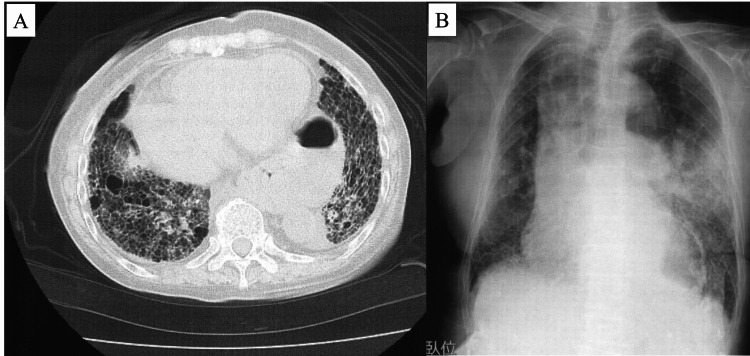
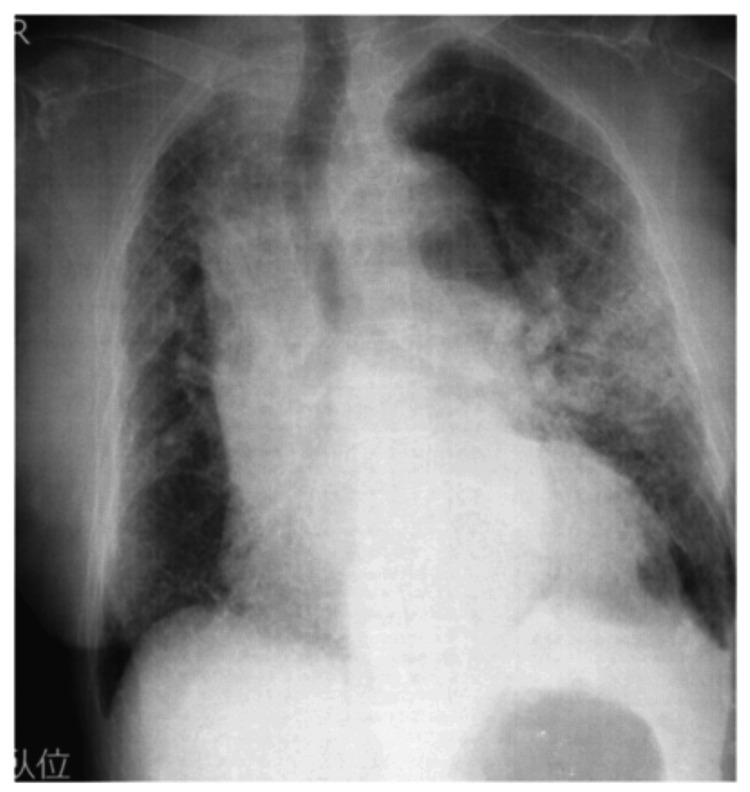
A high-flow nasal cannula is used as the primary therapy for patients with respiratory failure. Its effectiveness, however, is contingent upon proper patient monitoring by trained healthcare professionals. The case report highlights the benefits of home nursing and rehabilitation in an 81-year-old woman with rheumatoid-related interstitial pneumonia (complicated by drug-induced interstitial pneumonia) who developed respiratory failure. She lived at home with her family while undergoing high-flow therapy. At the outset of the home visit care, she was bedridden, had an indwelling urinary catheter, ate with assistance, and had to wipe her entire body because she could not bathe. Five months after receiving home visit care, she was able to use a portable toilet. However, she was unable to walk because of dyspnea and muscle weakness. She then went through five months of home visit rehabilitation before being able to move around her home with a walker. In addition, she was able to ride out in the back seat of her husband's car. Her quality of life improved as her daily activities improved, and she was able to participate in leisure activities. This experience suggests that home visit rehabilitation may be beneficial in promoting outdoor activities in patients with interstitial pneumonia caused by severe respiratory failure.
高流量鼻导管被用作呼吸衰竭患者的主要治疗方法。然而,其有效性取决于训练有素的医护人员对患者进行适当的监测。该病例报告强调了家庭护理和康复对一名81岁患有类风湿性相关间质性肺炎(合并药物性间质性肺炎)并发展为呼吸衰竭的女性的益处。她在家中与家人一起生活,同时接受高流量治疗。在家庭访视护理开始时,她卧床不起,留置导尿管,在他人协助下进食,并且由于无法洗澡而不得不擦拭全身。接受家庭访视护理五个月后,她能够使用便携式马桶。然而,由于呼吸困难和肌肉无力,她无法行走。然后,她接受了五个月的家庭访视康复治疗,之后才能够借助助行器在家中活动。此外,她能够坐在丈夫汽车的后座外出。随着日常活动能力的提高,她的生活质量得到改善,并且能够参与休闲活动。这一经验表明,家庭访视康复可能有助于促进由严重呼吸衰竭引起的间质性肺炎患者的户外活动。