Khan Badhon Ali, Roy Shatabdi, Tahsin Nishat, Baidya Kalpana, Das Keshob Chandra, Islam Md Safiqul, Ahsan Nazmul, Salam Abdus
Department of Chemistry, Faculty of Science, University of Dhaka, Dhaka, 1000, Bangladesh.
Department of Genetic Engineering and Biotechnology, Faculty of Biological Sciences, University of Dhaka, Dhaka, 1000, Bangladesh.
Sci Rep. 2024 Dec 2;14(1):29884. doi: 10.1038/s41598-024-81376-0.
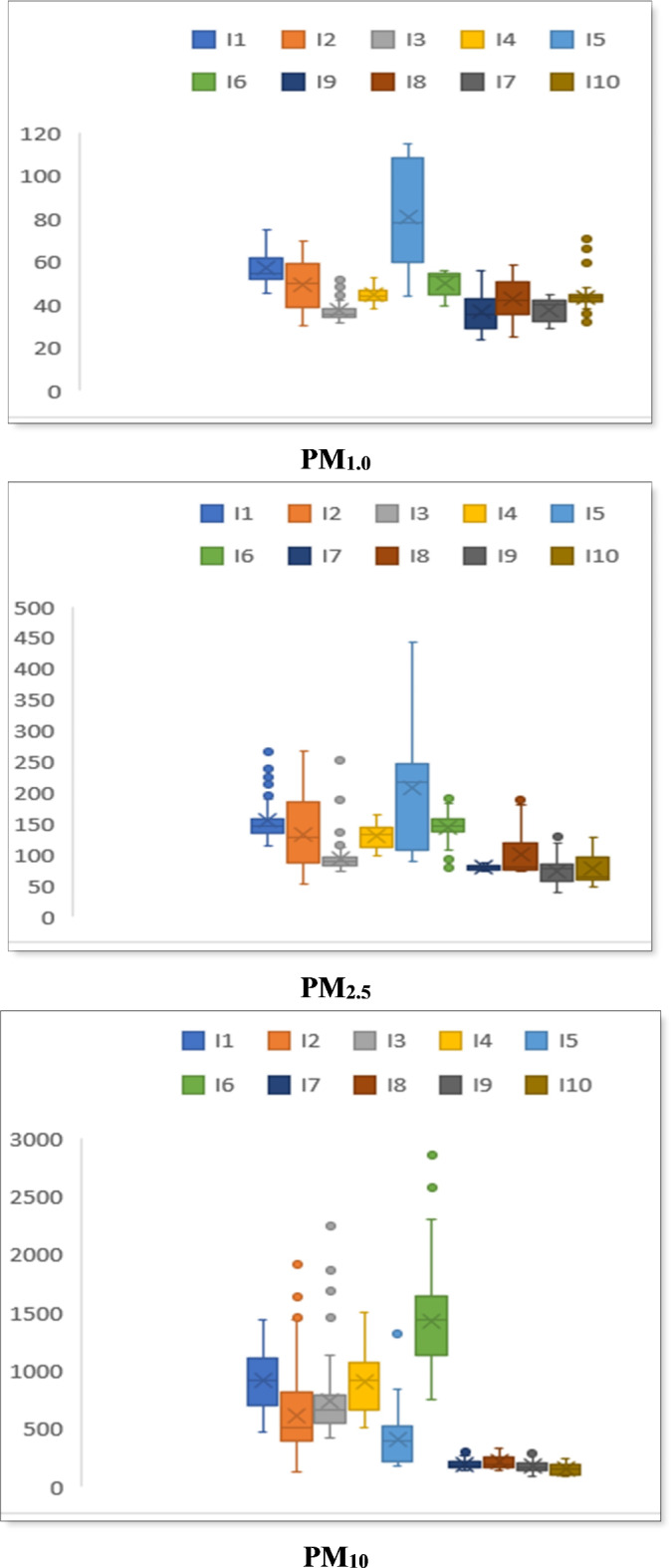
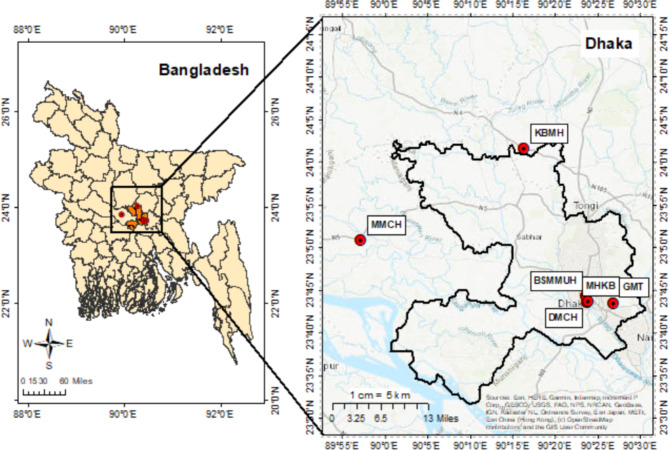
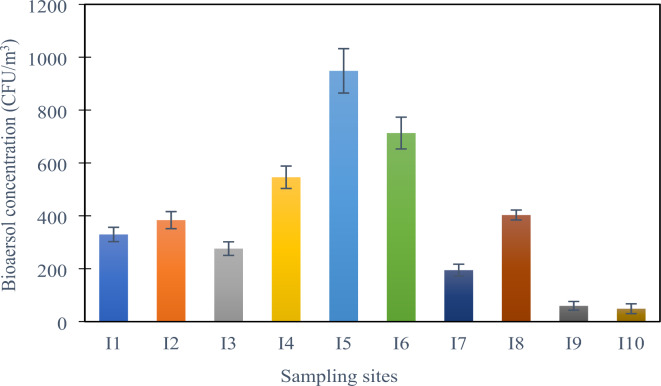
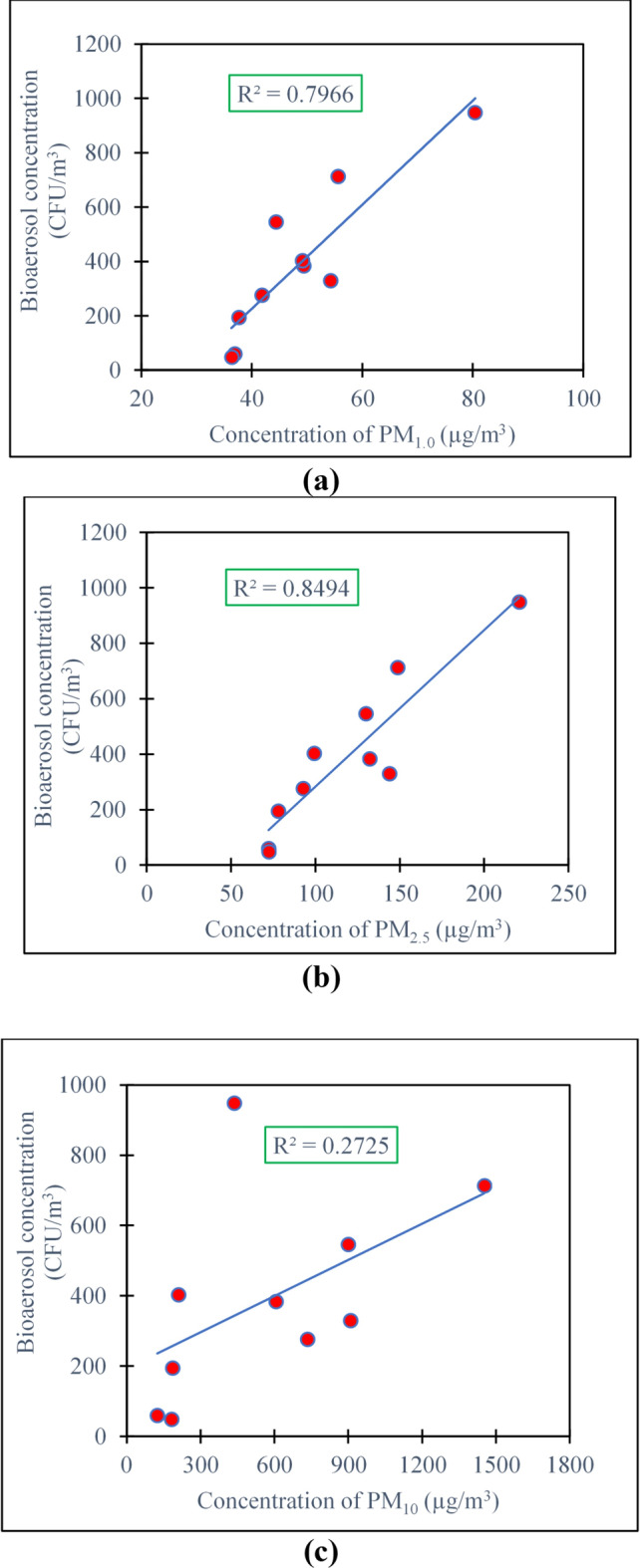
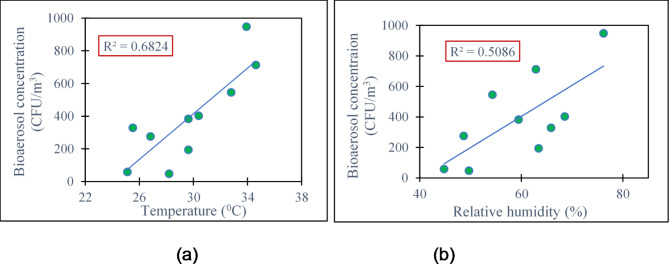
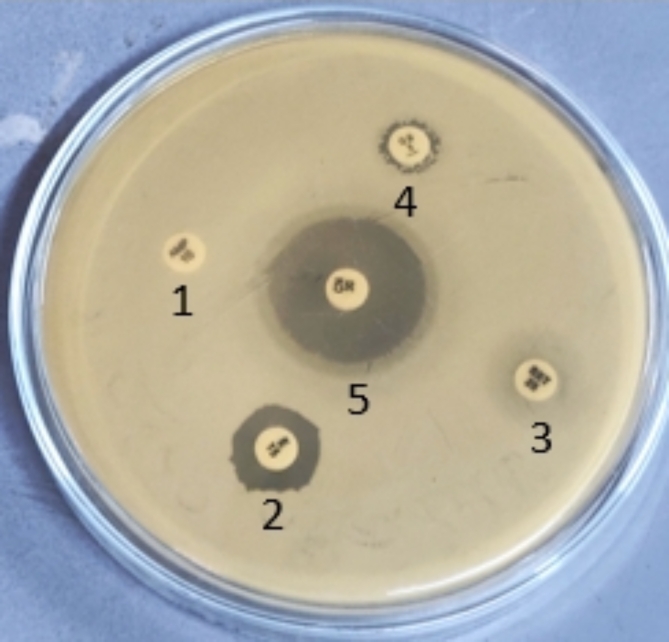
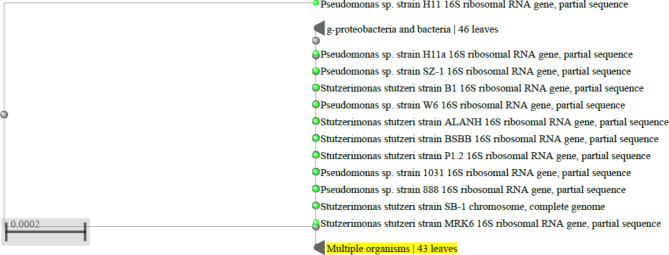
The emergence and spread of antibiotic resistance in microorganisms pose significant challenges to public health, especially in hospitals. This study investigated the existence or occurrence of bacterial bioaerosol and their antibiotic resistance patterns in particulate matter (PM) collected from hospitals in the greater Dhaka region, Bangladesh. The real-time particulate matter concentrations (PM, PM, and PM) were measured in four hospitals and two ambient locations. Air sampling was conducted using a filter-based method with a low-volume air sampler, while AEROCET-531 S (USA) was employed to monitor particulate matter concentrations. Bacterial bioaerosol concentration was determined using a culture-based method, and eleven bacterial species, including nine individual species, i.e., Staphylococcus aureus, Pseudomonas aeruginosa, P. stutzeri, Bacillus cereus, Acinetobacter schindleri, Proteus vulgaris, B. subtilis, Escherichia coli, and B. aerius, were isolated. Antibiotic susceptibility testing was conducted using the Kirby-Bauer disk diffusion method with 21 antibiotics. Bacterial isolates were detected using partial sequencing of the 16 S rRNA gene. Bioaerosol concentration ranged from 194.65 ± 22.48 CFU/m to 948.39 ± 84.14 CFU/m, showing significant correlations with PM and PM concentrations (R = 0.80 and 0.85, respectively). All bacterial isolates collected from the hospitals exhibited resistance against four or more antibiotics, indicating multidrug resistance (MDR). Notably, the bacterial isolates displayed the highest resistance rate against ampicillin (90.90%), azithromycin (81.81%), erythromycin (81.81%), cefixime (81.81%), and cotrimoxazole (54.54%), among the tested antibiotics. Except B. aerius, all other bacterial isolates were associated with hospital-acquired infections (HAIs). These findings highlight the high rates of antibiotic resistance, underscoring the pressing requirement for infection control measures and continuous surveillance strategies in hospital settings. These findings emphasize the necessity for global hospital infection control strategies focusing airborne multidrug-resistant microorganisms.
微生物中抗生素耐药性的出现和传播对公共卫生构成了重大挑战,在医院环境中尤为如此。本研究调查了从孟加拉国大达卡地区医院收集的颗粒物(PM)中细菌生物气溶胶的存在情况及其抗生素耐药模式。在四家医院和两个环境地点测量了实时颗粒物浓度(PM、PM和PM)。使用基于过滤器的方法和低流量空气采样器进行空气采样,同时使用AEROCET - 531 S(美国)监测颗粒物浓度。采用基于培养的方法测定细菌生物气溶胶浓度,分离出11种细菌,包括9种单一菌种,即金黄色葡萄球菌、铜绿假单胞菌、施氏假单胞菌、蜡样芽孢杆菌、辛氏不动杆菌、普通变形杆菌、枯草芽孢杆菌、大肠杆菌和气单胞菌。使用Kirby - Bauer纸片扩散法对21种抗生素进行抗生素敏感性测试。通过16 S rRNA基因的部分测序检测细菌分离株。生物气溶胶浓度范围为194.65±22.48 CFU/m至948.39±84.14 CFU/m,与PM和PM浓度显示出显著相关性(R分别为0.80和0.85)。从医院收集的所有细菌分离株均对四种或更多种抗生素表现出耐药性,表明存在多重耐药(MDR)。值得注意的是,在所测试的抗生素中,细菌分离株对氨苄西林(90.90%)、阿奇霉素(81.81%)、红霉素(81.81%)、头孢克肟(81.81%)和复方新诺明(54.54%)的耐药率最高。除气单胞菌外,所有其他细菌分离株均与医院获得性感染(HAIs)有关。这些发现突出了抗生素耐药率之高,强调了医院环境中感染控制措施和持续监测策略的迫切需求。这些发现强调了针对空气传播的多重耐药微生物制定全球医院感染控制策略的必要性。