Zhang Dong, Qin Chaoxi, Meng Fei, Han Xiaopeng, Guo Xing
Changzhi Medical College, No. 161, Jiefang East Street, Changzhi 046000, China.
Department of Orthopedics, Jincheng General Hospital, China Kangping Street, Beishidian Town, Jincheng 048006, China.
Anal Cell Pathol (Amst). 2024 May 29;2024:6624283. doi: 10.1155/2024/6624283. eCollection 2024.
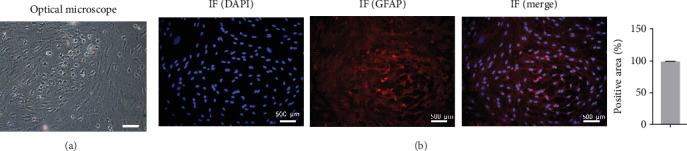
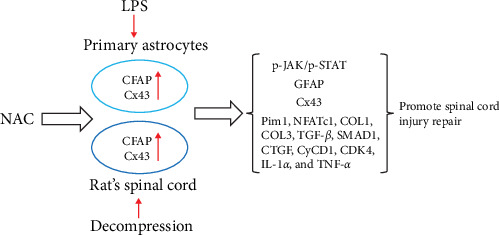
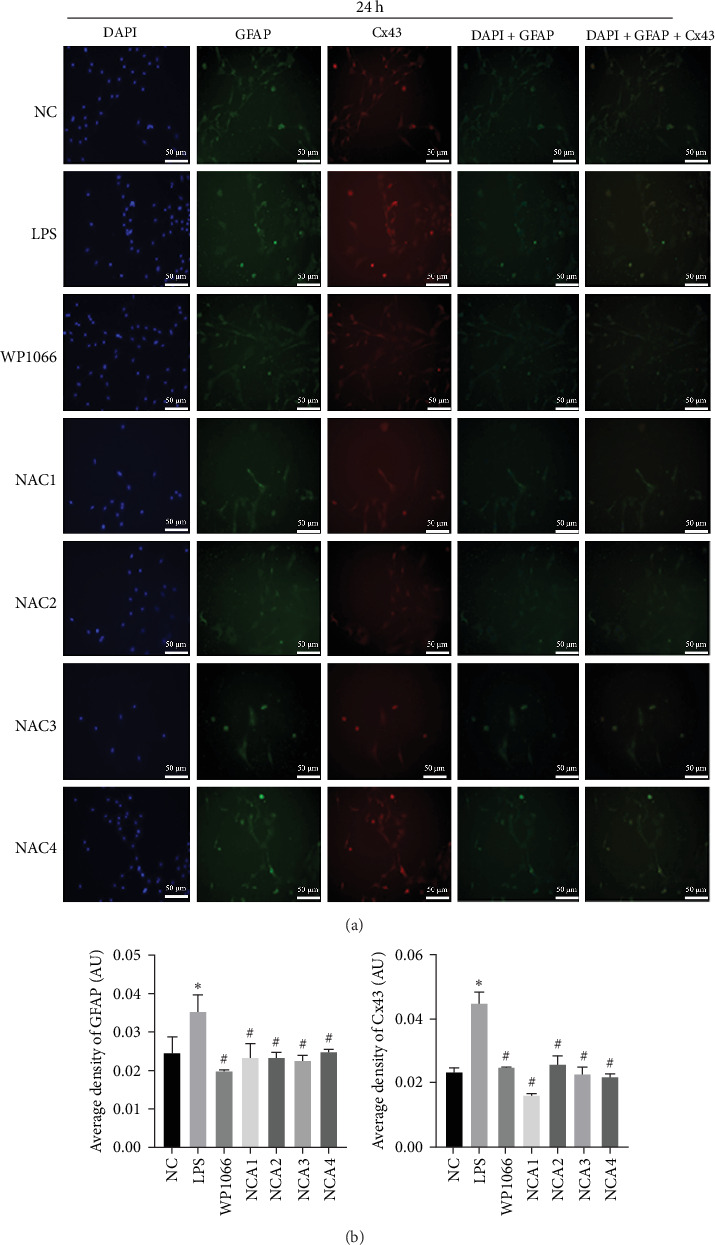
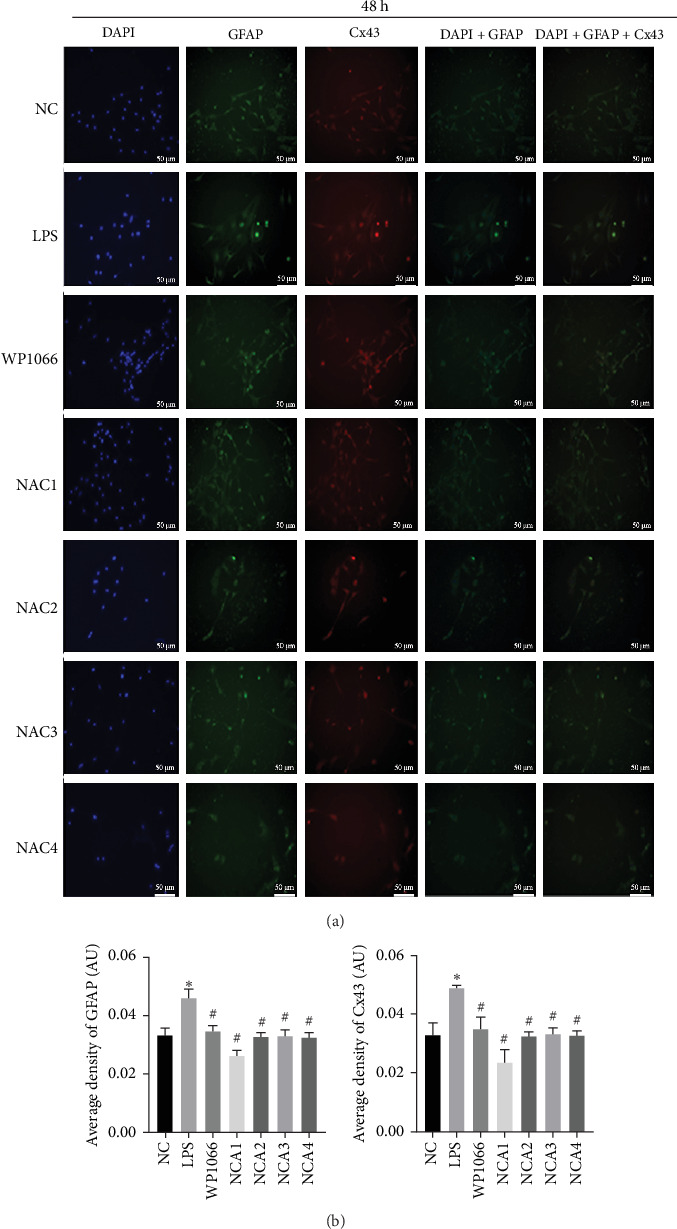
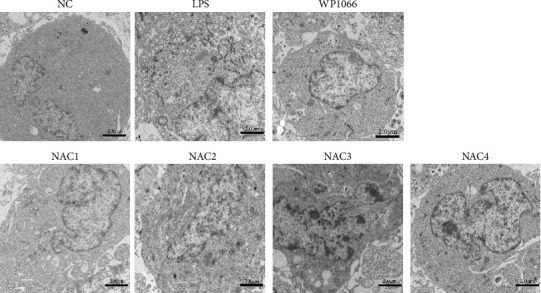
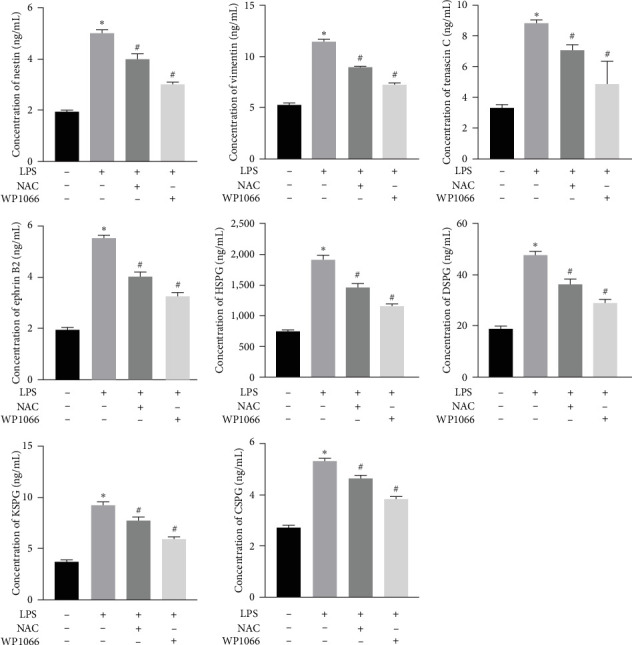
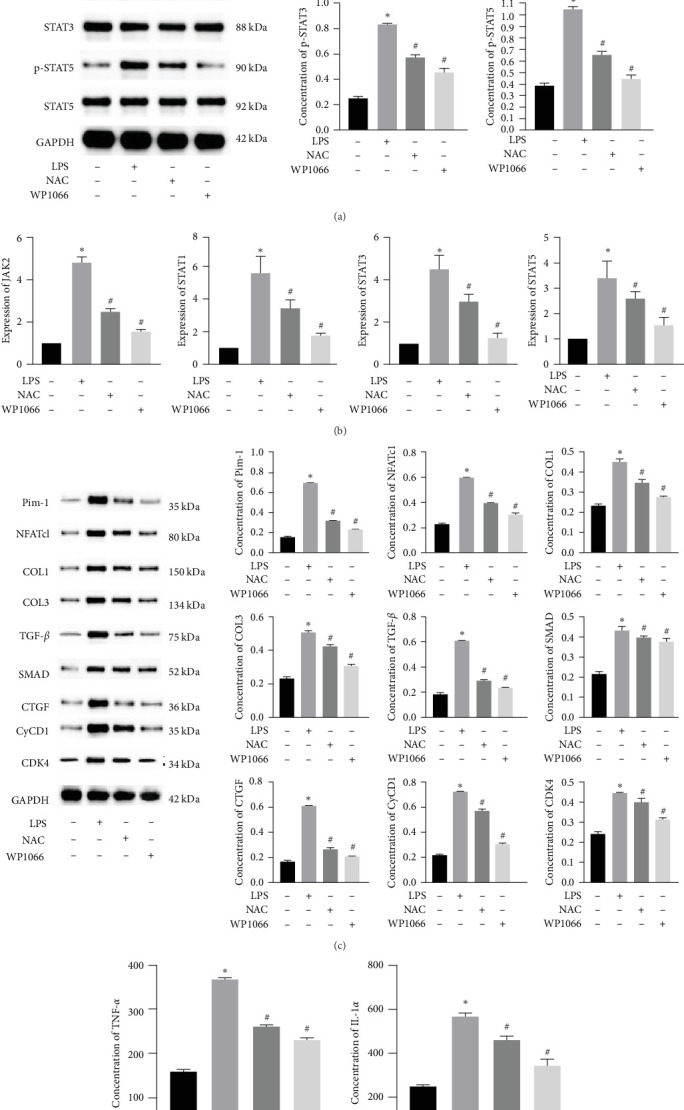
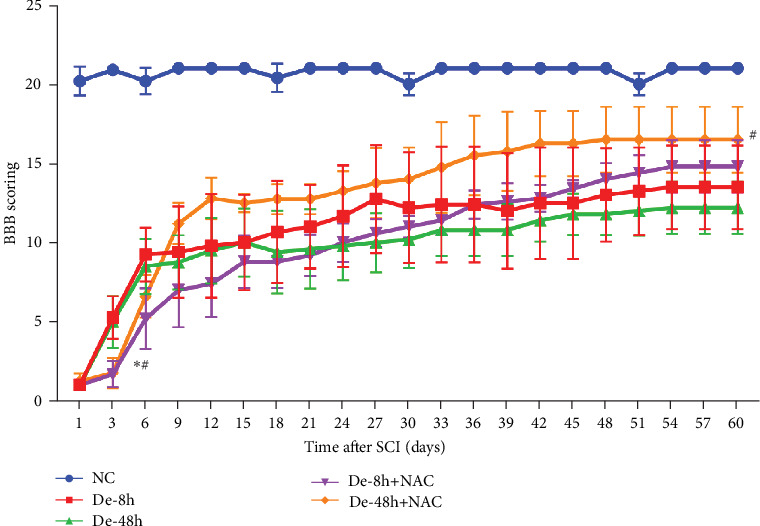
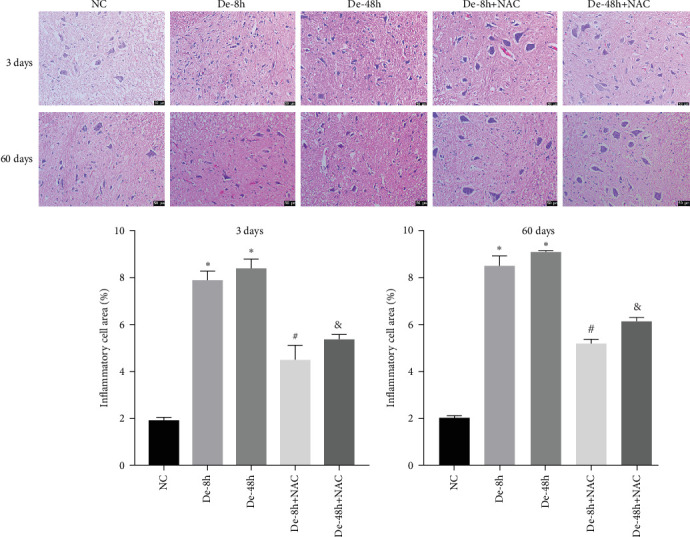
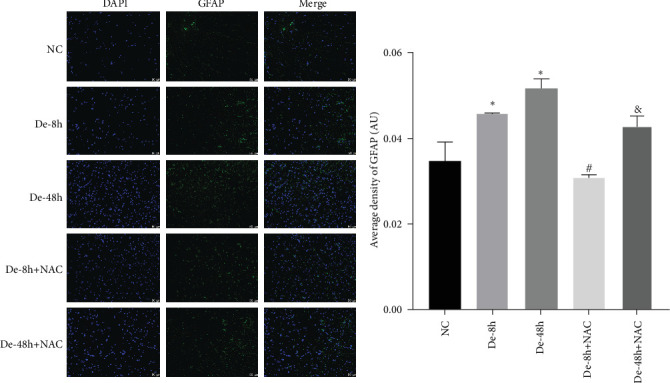
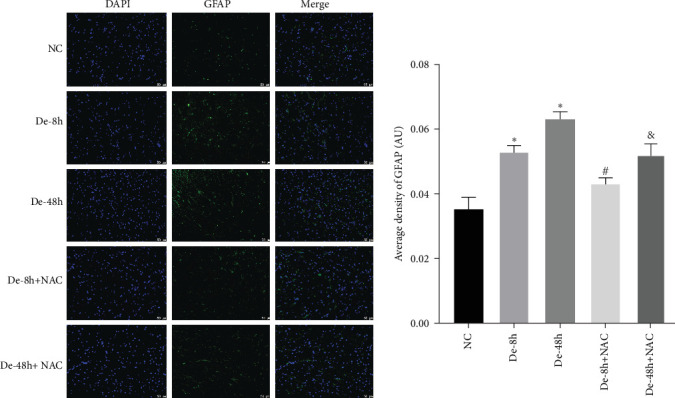
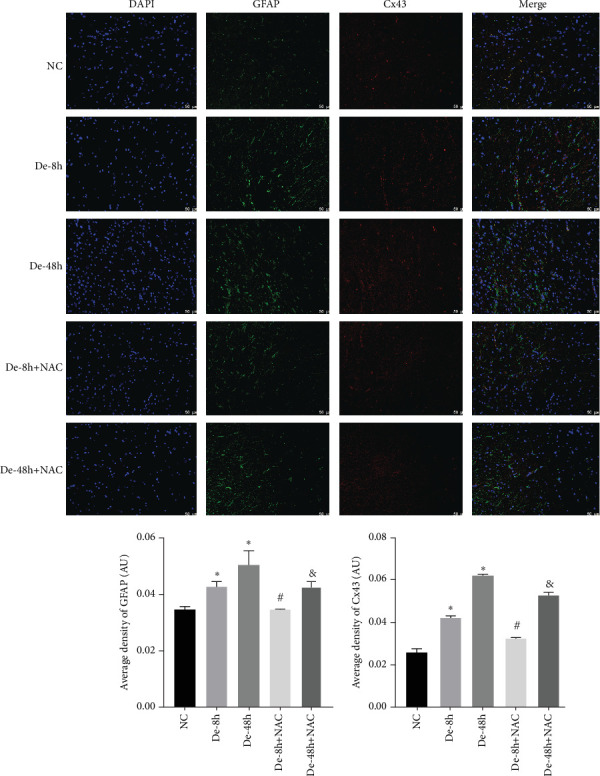
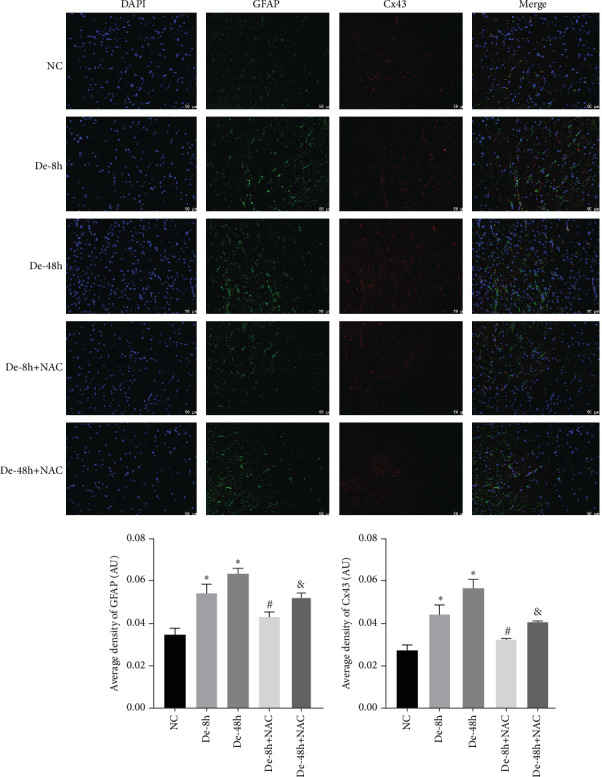
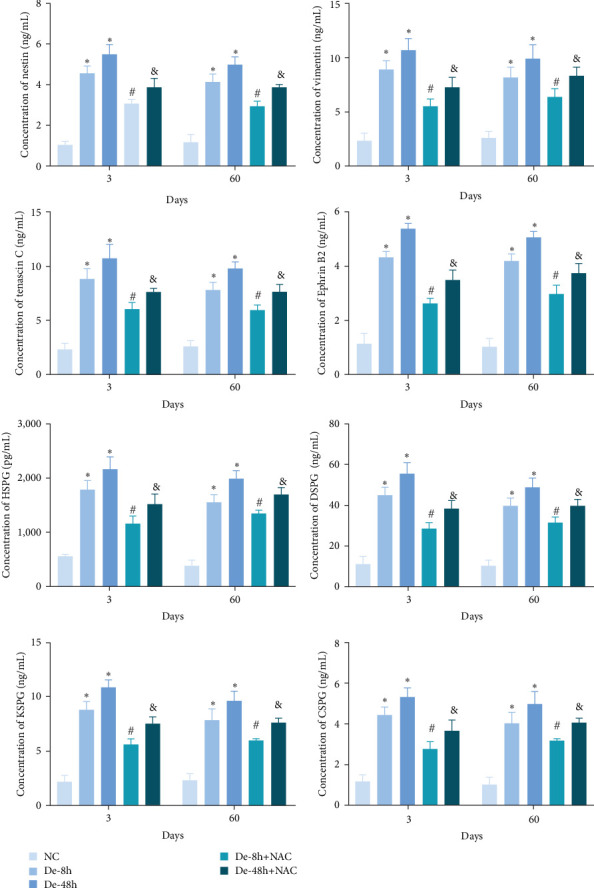
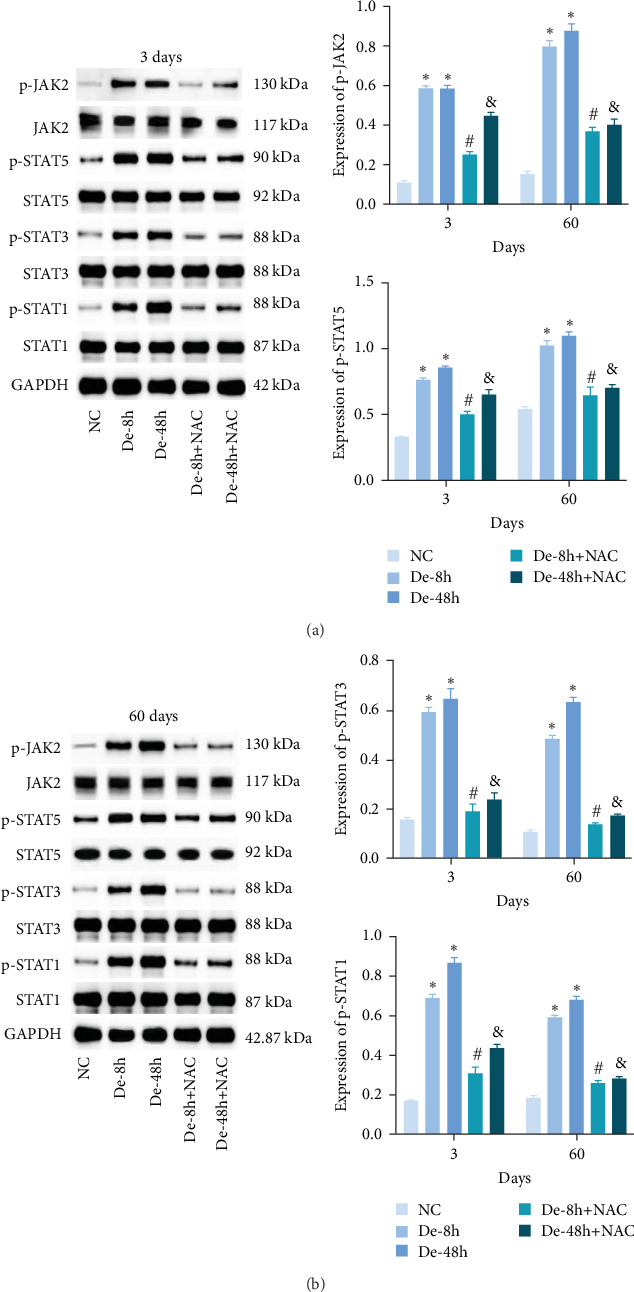
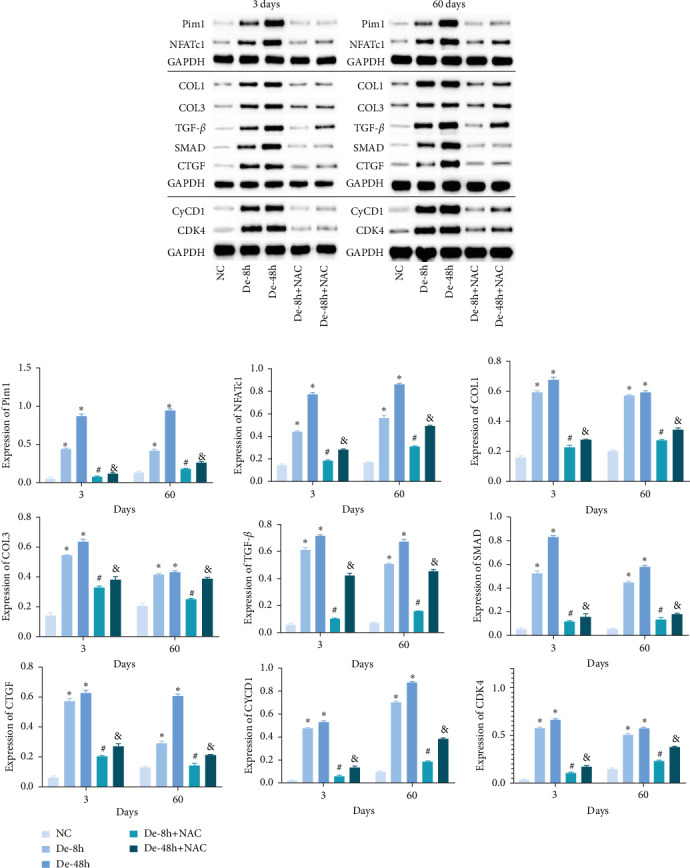
Astrocyte proliferation commonly occurs after spinal cord injury (SCI). N-Acetylcysteine (NAC) has a regulatory effect on many diseases. In this study, we investigated the effect and underlying mechanism of NAC on astrocytes in SCI. We isolated rat primary astrocytes and stimulated with lipopolysaccharide to induce cell proliferation and degeneration. A rat model of SCI was also established, and the Basso-Beattie-Bresnahan score was determined. The localization of glial fibrillary acidic protein in the cells and tissues was determined using TUNEL staining and immunofluorescence, while that of connexin 43 was assessed via immunofluorescence. Pathological changes associated with SCI were detected using hematoxylin and eosin staining, and inflammatory factors were detected using enzyme-linked immunosorbent assay. Additionally, JAK/STAT expression was evaluated using western blotting and quantitative reverse transcription polymerase chain reaction. NAC downregulated the glial fibrillary acidic protein abundance and connexin 43 in reactive astrocytes and SCI rat models while inhibiting the abundance of secreted proteins DSPG, HSPG, KSPG, tenascin C, vimentin, CSPG, ephrin-B2, and nestin. NAC also regulated the JAK/STAT signaling pathway by downregulating the expression of JAK2, STAT5, STAT3, STAT1, PIM1, NFATc1, COL1, COL3, TGF-, SMAD1, CTGF, CyCD1, and CDK4, thus alleviating SCI. Finally, NAC exhibited durable effects, with no SCI recurrence within 60 days. Therefore, NAC relieves SCI by inhibiting the proliferation of reactive astrocytes and suppressing the expression of secretory and JAK/STAT pathway proteins.
星形胶质细胞增殖常见于脊髓损伤(SCI)后。N-乙酰半胱氨酸(NAC)对多种疾病具有调节作用。在本研究中,我们探究了NAC对SCI中星形胶质细胞的作用及潜在机制。我们分离了大鼠原代星形胶质细胞,并用脂多糖刺激以诱导细胞增殖和变性。还建立了SCI大鼠模型,并测定了Basso-Beattie-Bresnahan评分。使用TUNEL染色和免疫荧光法测定细胞和组织中胶质纤维酸性蛋白的定位,同时通过免疫荧光法评估连接蛋白43的定位。使用苏木精和伊红染色检测与SCI相关的病理变化,使用酶联免疫吸附测定法检测炎症因子。此外,使用蛋白质免疫印迹法和定量逆转录聚合酶链反应评估JAK/STAT表达。NAC下调了反应性星形胶质细胞和SCI大鼠模型中胶质纤维酸性蛋白的丰度以及连接蛋白43,同时抑制了分泌蛋白DSPG、HSPG、KSPG、腱生蛋白C、波形蛋白、CSPG、ephrin-B2和巢蛋白的丰度。NAC还通过下调JAK2、STAT5、STAT3、STAT1、PIM1、NFATc1、COL1、COL3、TGF-、SMAD1、CTGF、CyCD1和CDK4的表达来调节JAK/STAT信号通路,从而减轻SCI。最后,NAC表现出持久的效果,60天内无SCI复发。因此,NAC通过抑制反应性星形胶质细胞的增殖并抑制分泌蛋白和JAK/STAT通路蛋白的表达来减轻SCI。