Smith Eric A, Belote Rachel L, Cruz Nelly M, Moustafa Tarek E, Becker Carly A, Jiang Amanda, Alizada Shukran, Prokofyeva Anastasia, Chan Tsz Yin, Seasor Tori A, Balatico Michael, Cortes-Sanchez Emilio, Lum David H, Hyngstrom John R, Zeng Hanlin, Deacon Dekker C, Grossmann Allie H, White Richard M, Zangle Thomas A, Judson-Torres Robert L
Department of Pathology, University of Utah, Salt Lake City, UT, USA.
The Huntsman Cancer Institute, University of Utah, Salt Lake City, UT, USA.
J Exp Clin Cancer Res. 2024 Dec 3;43(1):317. doi: 10.1186/s13046-024-03234-1.
Acral melanoma (AM) is an aggressive melanoma variant that arises from palmar, plantar, and nail unit melanocytes. Compared to non-acral cutaneous melanoma (CM), AM is biologically distinct, has an equal incidence across genetic ancestries, typically presents in advanced stage disease, is less responsive to therapy, and has an overall worse prognosis.
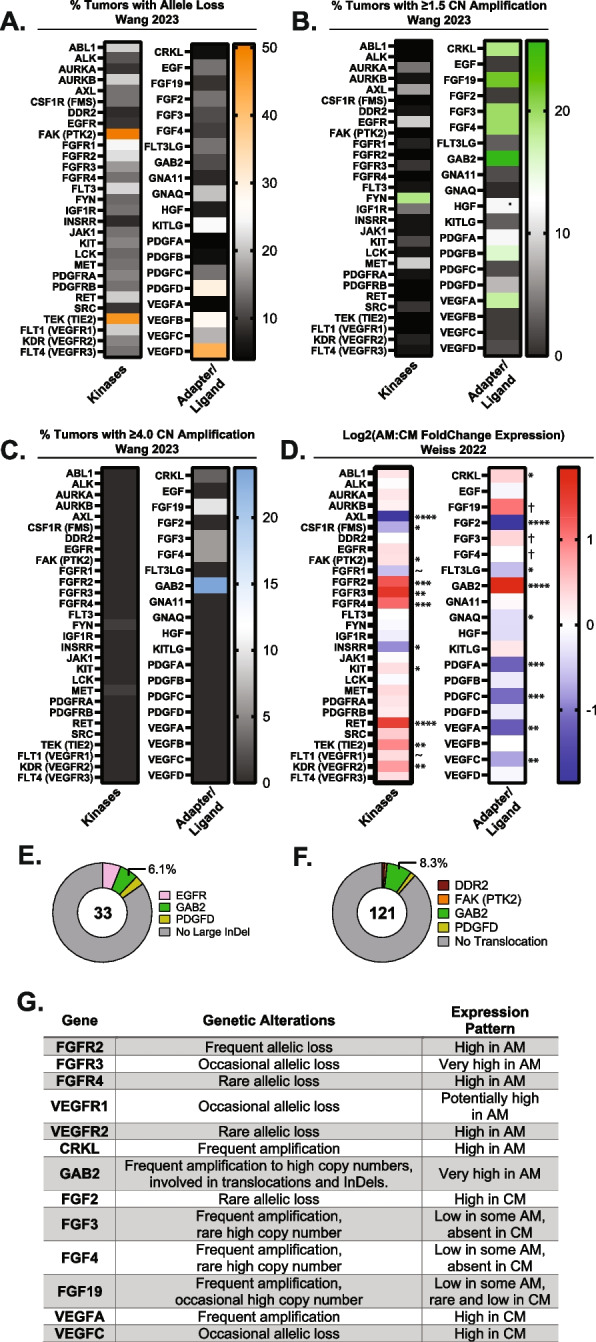
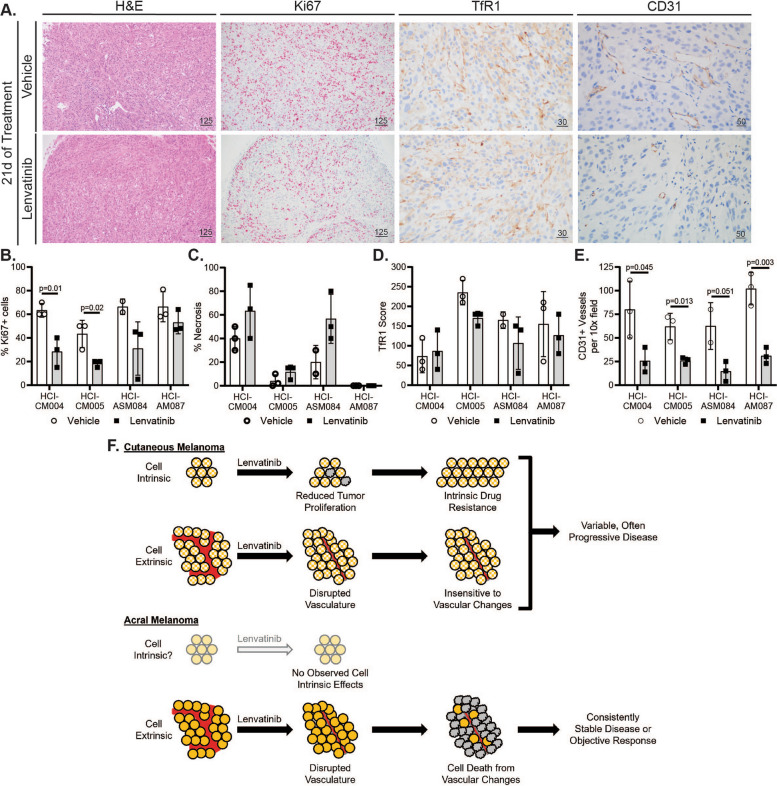
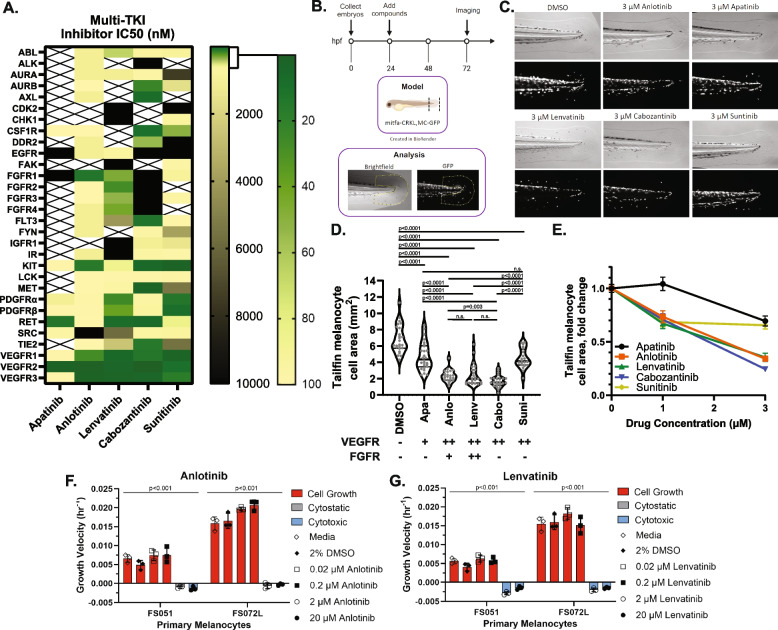
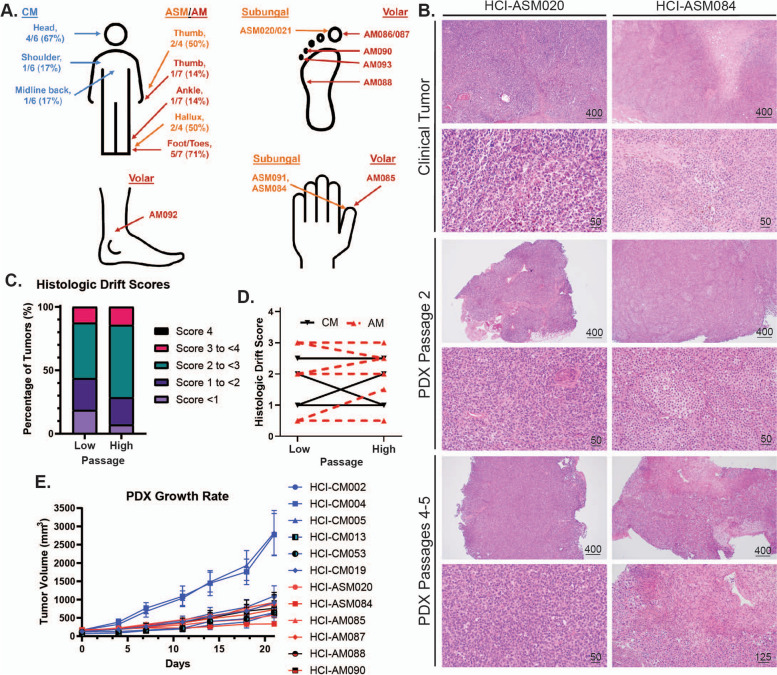
An independent analysis of published sequencing data was performed to evaluate the frequency of receptor tyrosine kinase (RTK) ligands and adapter protein gene variants and expression. To target these genetic variants, a zebrafish acral melanoma model and preclinical patient-derived xenograft (PDX) mouse models were treated with a panel of RTK inhibitors. Residual PDX tumors were evaluated for changes in proliferation, vasculature, necrosis, and ferroptosis by histology and immunohistochemistry.
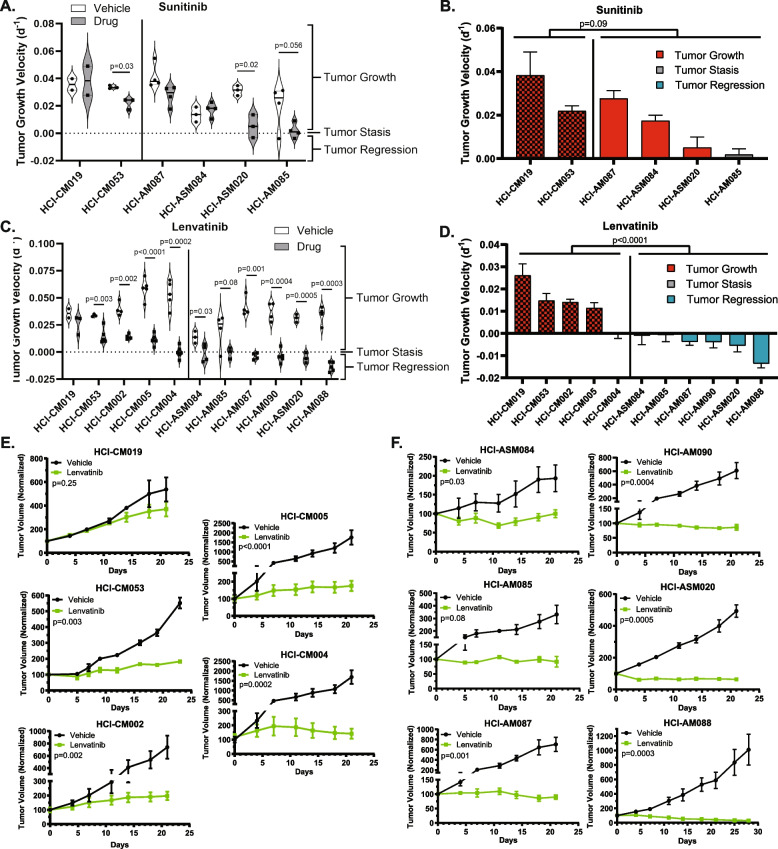
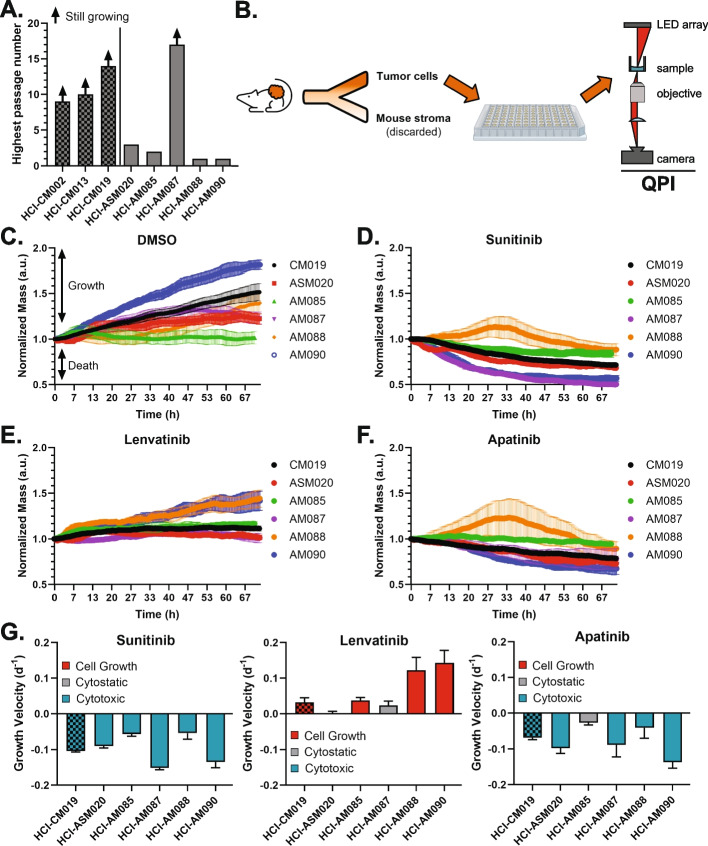
RTK ligands and adapter proteins are frequently amplified, translocated, and/or overexpressed in AM. Dual FGFR/VEGFR inhibitors decrease acral-analogous melanocyte proliferation and migration in zebrafish, and the potent pan-FGFR/VEGFR inhibitor, Lenvatinib, uniformly induces tumor regression in AM PDX tumors but only slows tumor growth in CM models. Unlike other multi-RTK inhibitors, Lenvatinib is not directly cytotoxic to dissociated AM PDX tumor cells and instead disrupts tumor architecture and vascular networks.
Considering the great difficulty in establishing AM cell culture lines, these findings suggest that AM may be more sensitive to microenvironment perturbations than CM. In conclusion, dual FGFR/VEGFR inhibition may be a viable therapeutic strategy that targets the unique biology of AM.
肢端黑色素瘤(AM)是一种侵袭性黑色素瘤变体,起源于手掌、足底和甲单位的黑素细胞。与非肢端皮肤黑色素瘤(CM)相比,AM在生物学上具有独特性,在不同遗传血统中的发病率相同,通常在疾病晚期出现,对治疗的反应较差,总体预后更差。
对已发表的测序数据进行独立分析,以评估受体酪氨酸激酶(RTK)配体和衔接蛋白基因变异及表达的频率。为了靶向这些基因变异,用一组RTK抑制剂处理斑马鱼肢端黑色素瘤模型和临床前患者来源的异种移植(PDX)小鼠模型。通过组织学和免疫组织化学评估残留的PDX肿瘤在增殖、血管生成、坏死和铁死亡方面的变化。
RTK配体和衔接蛋白在AM中经常发生扩增、易位和/或过表达。双FGFR/VEGFR抑制剂可降低斑马鱼中肢端类似黑素细胞的增殖和迁移,强效泛FGFR/VEGFR抑制剂乐伐替尼可一致地诱导AM PDX肿瘤消退,但仅减缓CM模型中的肿瘤生长。与其他多RTK抑制剂不同,乐伐替尼对解离的AM PDX肿瘤细胞没有直接细胞毒性,而是破坏肿瘤结构和血管网络。
考虑到建立AM细胞系的巨大困难,这些发现表明AM可能比CM对微环境扰动更敏感。总之,双FGFR/VEGFR抑制可能是一种针对AM独特生物学特性的可行治疗策略。