Areri Habtamu Abera, Tadele Henok, Workneh Sale
School of Nursing and Midwifery, College of Health Sciences, Addis Ababa University, Addis Ababa, Ethiopia.
Department of Pediatrics and Child Health, School of Medicine, College of Health Sciences, Addis Ababa University, Addis Ababa, Ethiopia.
Syst Rev. 2024 Dec 3;13(1):297. doi: 10.1186/s13643-024-02691-1.
Benzathine penicillin G (BPG) is a proven preventive agent for preventing the progression of rheumatic heart disease (RHD) and is recognized as a standard of care. However, ensuring adherence to BPG remains a global challenge. The objective of this review was to synthesize the available evidence on the barriers to and facilitators of BPG adherence among RHD patients.
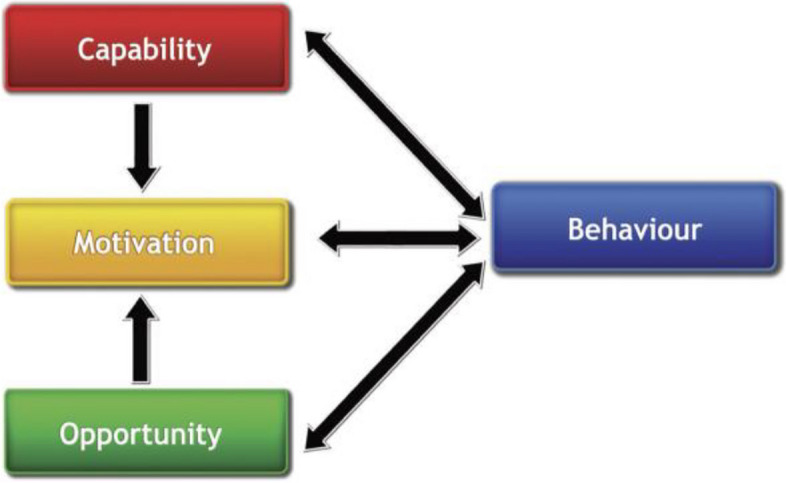
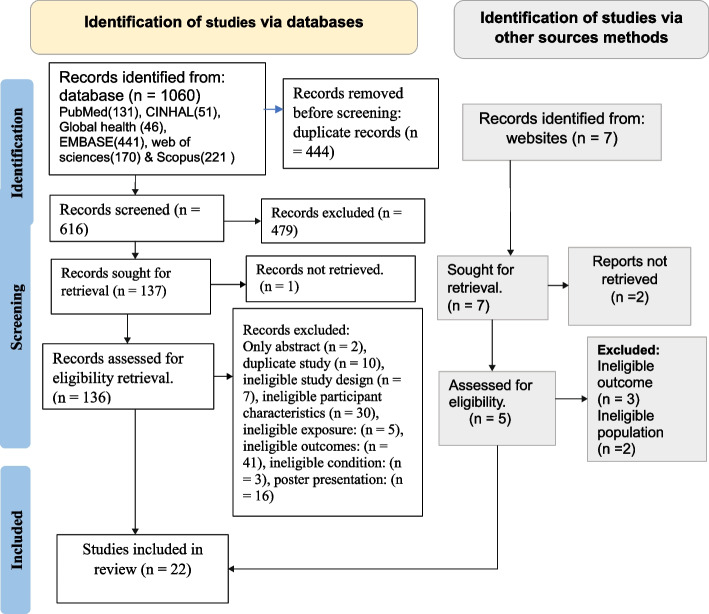
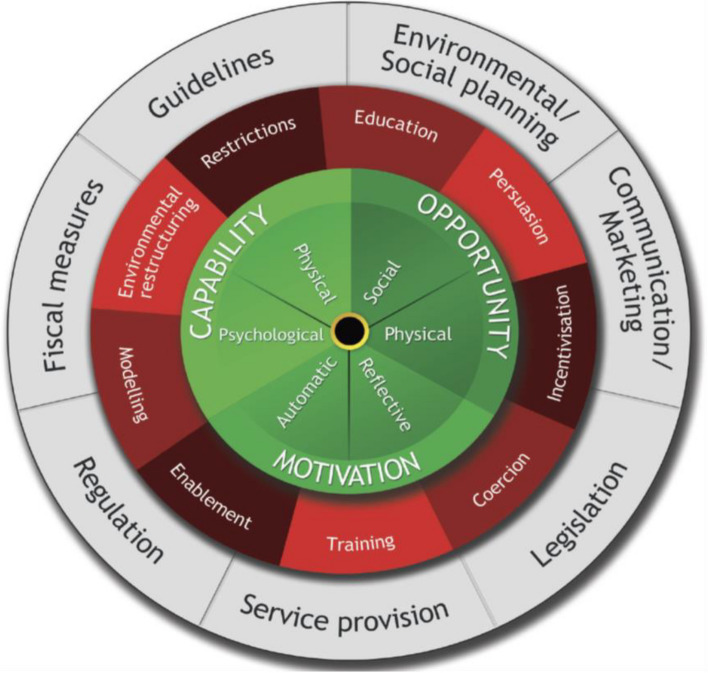
This systematic review included both qualitative and quantitative studies on RHD patients published in the English language. This systematic review was conducted following the Preferred Reporting Items for Systematic Reviews and Meta-analyses (PRISMA) guidelines. The search strategy involved PubMed, Embase, CINAHL, Global Health, Scopus, and Web of Sciences databases to identify keywords and terms contained in the title and abstract and the index terms used to describe articles. The review included papers published from January 1, 2000, to March 30, 2024. Two independent reviewers screened, appraised, and extracted the data. The data analysis was carried out deductively to fit onto the components of the COM-B (Capability, Opportunity, Motivation-Behaviour) model.
In this review, 1067 records were screened, and 22 studies with 7338 participants were included. Thirty-five barriers and twenty facilitators were identified and mapped onto COM-B components. Physical capability (e.g., felt healthy), psychological capability (e.g., lack of knowledge), reflective motivation (e.g., poor patient handling), automatic motivation (e.g., BPG injection pain), physical opportunity (e.g., BPG unavailability) and social opportunity (e.g., inadequate counseling) were identified as barriers. The most discussed barrier was automatic motivation, followed by psychological capability and physical opportunity.
Our review revealed variable levels of BPG adherence across studies and identified significant barriers and facilitators. Further research is recommended to identify contextual interventions to address barriers and capitalize on facilitators.
PROSPERO CRD42024535398.
苄星青霉素G(BPG)是一种经证实的预防风湿性心脏病(RHD)进展的预防药物,被公认为一种护理标准。然而,确保患者坚持使用BPG仍然是一项全球性挑战。本综述的目的是综合现有证据,了解RHD患者坚持使用BPG的障碍和促进因素。
本系统综述纳入了以英文发表的关于RHD患者的定性和定量研究。本系统综述按照系统评价和Meta分析的首选报告项目(PRISMA)指南进行。检索策略涉及PubMed、Embase、CINAHL、Global Health、Scopus和Web of Sciences数据库,以识别标题和摘要中包含的关键词和术语以及用于描述文章的索引词。该综述纳入了2000年1月1日至2024年3月30日发表的论文。两名独立的评审员对数据进行筛选、评估和提取。采用演绎法进行数据分析,以符合COM-B(能力、机会、动机-行为)模型的组成部分。
在本综述中,共筛选了1067条记录,纳入了22项研究,涉及7338名参与者。确定了35个障碍和20个促进因素,并将其映射到COM-B模型的组成部分上。身体能力(如感觉健康)、心理能力(如知识缺乏)、反思性动机(如对患者处理不当)、自动性动机(如BPG注射疼痛)、身体机会(如无法获得BPG)和社会机会(如咨询不足)被确定为障碍。讨论最多的障碍是自动性动机,其次是心理能力和身体机会。
我们的综述揭示了不同研究中BPG坚持率的差异,并确定了重要的障碍和促进因素。建议进一步开展研究,以确定针对障碍的情境干预措施,并利用促进因素。
PROSPERO CRD号为CRD42024535398。