Ruan Shirong, Jia Rumeng, Hu Liang, Liu Yuge, Tian Qingyan, Jiang Kunmao, Xia Xinyue, Tao Xueyou, Liu Wen-Tao, Pan Yinbing, Hu Fan
Department of Pharmacology, School of Basic Medical Sciences, Nanjing Medical University, Nanjing, Jiangsu, China.
Department of Anesthesiology, Ili and Jiangsu Joint Institute of Health, The Friendship Hospital of Ili Kazakh Autonomous Prefecture, Yining, Xinjiang, China.
Front Immunol. 2024 Nov 19;15:1455771. doi: 10.3389/fimmu.2024.1455771. eCollection 2024.
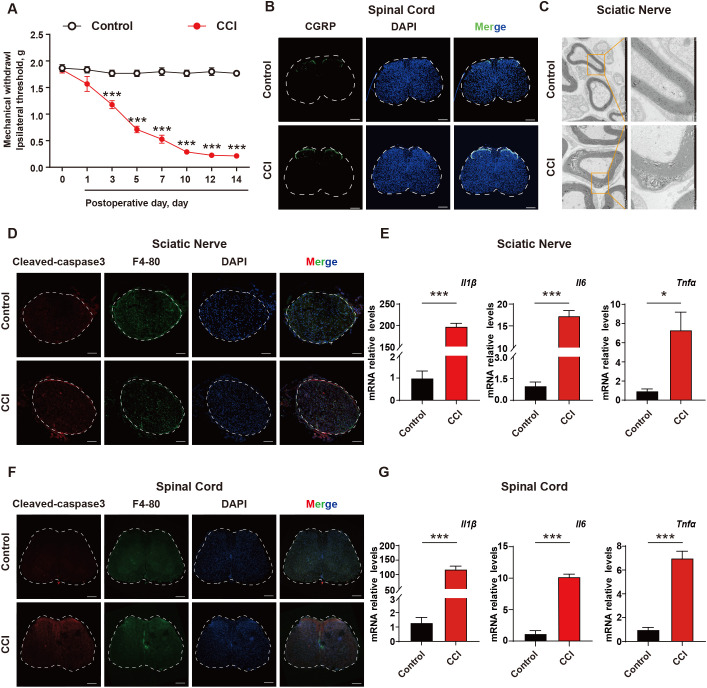
Neuropathic pain (NPP) is a multifaceted pain syndrome that occurs as a consequence of physical injury or underlying diseases, with an incidence rate of 7%-10%, NPP poses a significant clinical challenge as current treatment options are ineffective. The accumulation of apoptotic cells and neuroinflammation play crucial roles in the pathological mechanisms of NPP. Here, we aim to investigate strategies for effectively clearing apoptotic cells and provide therapeutic interventions for NPP.
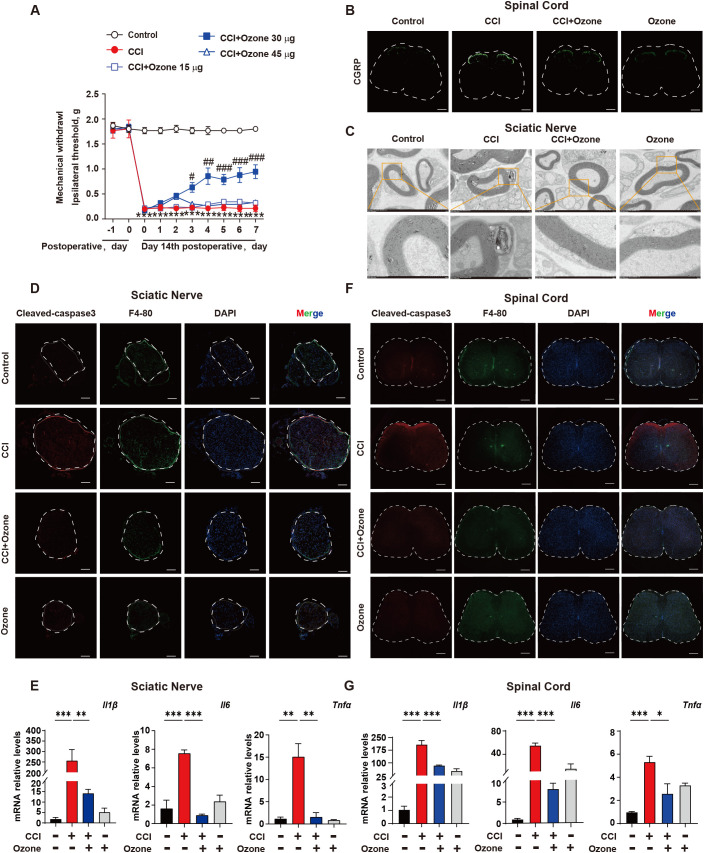
CCI mice were treated with different concentrations of ozone (15μg, 30μg, 45μg) to investigate the effects on the accumulation of apoptotic cells and neuroinflammation. In vitro, the phagocytic function of BMDM towards apoptotic neutrophils after ozone treatment was examined.
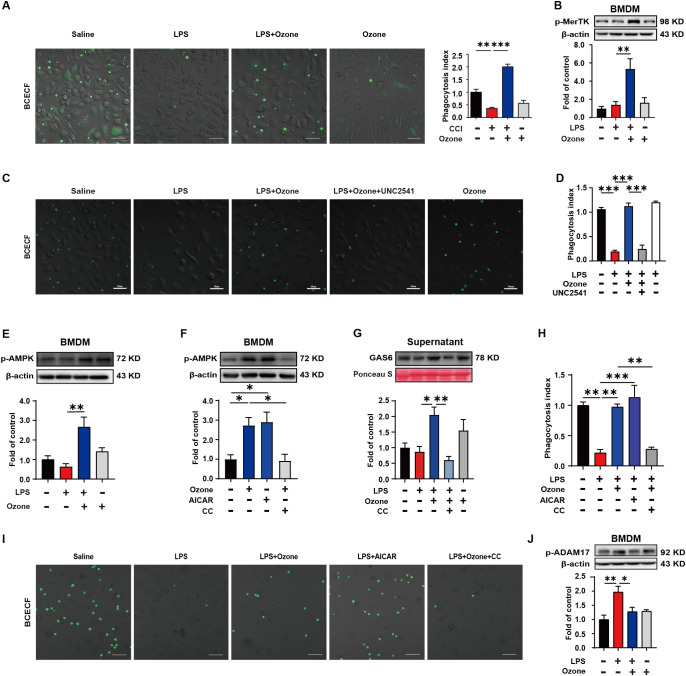
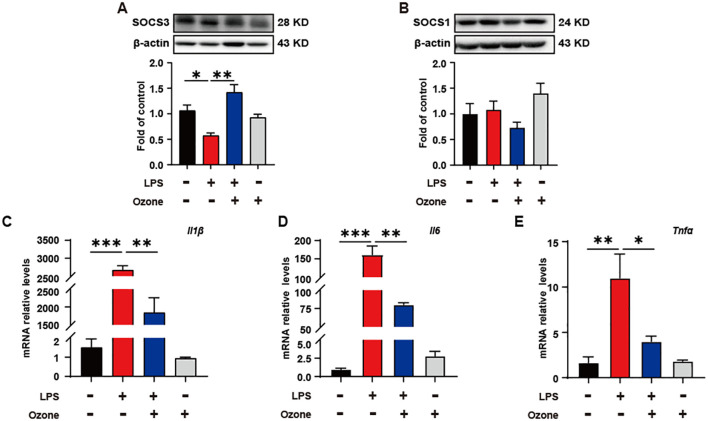
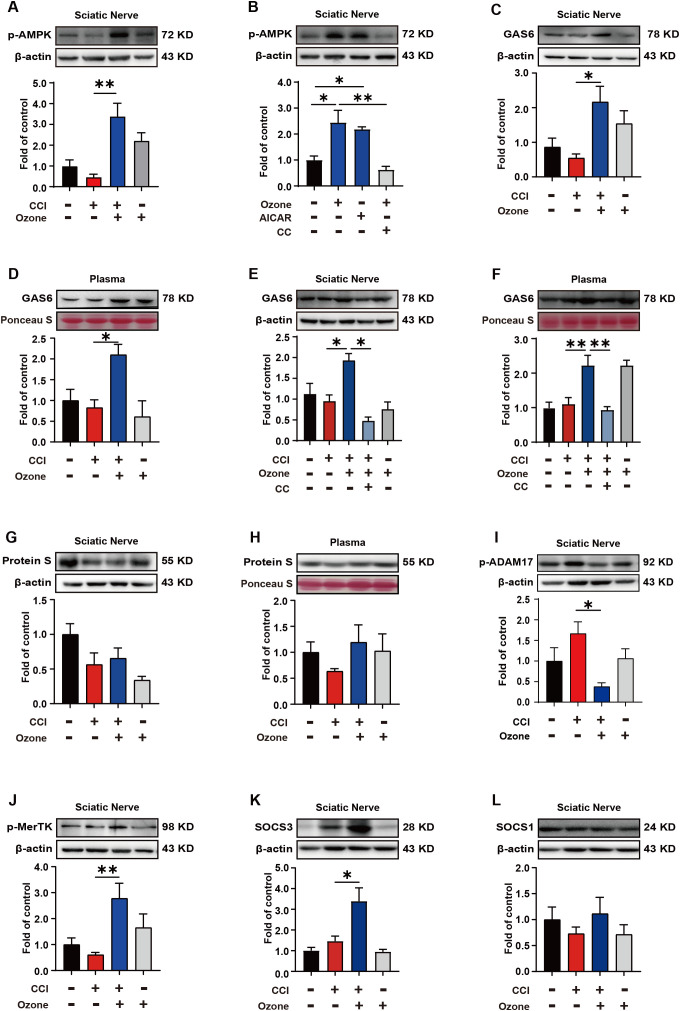
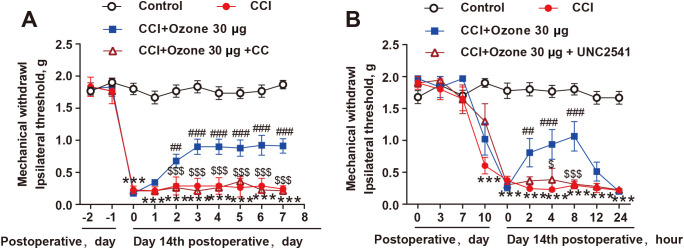
We found ozone at a concentration of 30μg significantly alleviated mechanical hypersensitivity in CCI mice and ozone significantly upregulates the phagocytic activity of BMDM. Furthermore, we investigated the mechanisms and found ozone could activate AMPK, upregulate Gas6 (but not Protein S), activate MerTK (a key receptor involved in apoptosis), and enhance the phagocytic function of BMDM towards apoptotic neutrophils. It caused the promotion of SOCS3 expression and the suppression of inflammatory factors IL-1β, IL-6, and TNF-a. Interestingly, the effect of ozone in alleviating CCI-induced pain was abolished by the AMPK inhibitor CC and the MerTK receptor inhibitor UNC2541.
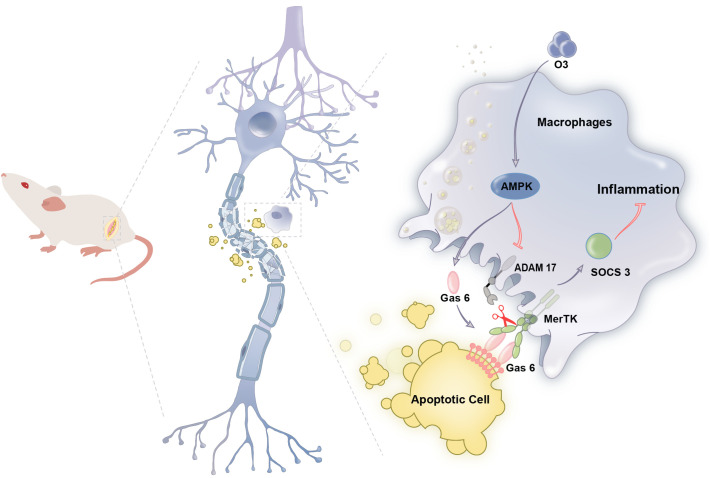
Ozone facilitated macrophage clearance of apoptotic cells, decreased neuroinflammation by activation of p-AMPK/Gas6/MerTK/SOCS3 signaling pathway, which may become an effective therapeutic approach for neuropathic pain after further clinical validation.
神经性疼痛(NPP)是一种多方面的疼痛综合征,由身体损伤或潜在疾病引起,发病率为7%-10%。由于目前的治疗选择无效,NPP构成了重大的临床挑战。凋亡细胞的积累和神经炎症在NPP的病理机制中起关键作用。在此,我们旨在研究有效清除凋亡细胞的策略,并为NPP提供治疗干预措施。
用不同浓度的臭氧(15μg、30μg、45μg)处理慢性压迫性损伤(CCI)小鼠,以研究其对凋亡细胞积累和神经炎症的影响。在体外,检测臭氧处理后骨髓来源的巨噬细胞(BMDM)对凋亡中性粒细胞的吞噬功能。
我们发现浓度为30μg的臭氧能显著减轻CCI小鼠的机械性超敏反应,且臭氧能显著上调BMDM的吞噬活性。此外,我们研究了其机制,发现臭氧可激活AMPK,上调Gas6(而非蛋白S),激活MerTK(参与凋亡的关键受体),并增强BMDM对凋亡中性粒细胞的吞噬功能。它导致SOCS3表达的促进和炎性因子IL-1β、IL-6和TNF-α的抑制。有趣的是,AMPK抑制剂CC和MerTK受体抑制剂UNC2541消除了臭氧减轻CCI诱导疼痛的作用。
臭氧促进巨噬细胞清除凋亡细胞,通过激活p-AMPK/Gas6/MerTK/SOCS3信号通路减轻神经炎症,经过进一步临床验证后,这可能成为治疗神经性疼痛的有效方法。