Chen Xu, Shen Jiapan, Jiang Xueqin, Pan Min, Chang Shuang, Li Juanjuan, Wang Lei, Miao Manli, Feng Xiaoxia, Zhang Ling, Shu Guoqing, Liu Wenjian, Xu Fangzhou, Zhang Wentao, Ding Zhao, Zong Huaiyuan, Liu Weiwei, Li Dapeng, Chen Biao, Shao Min, Fei Guanghe, Zha Xiaojun, Fan Xiaoyun
Department of Geriatric Respiratory and Critical Care Medicine, The First Affiliated Hospital of Anhui Medical University, Hefei, Anhui, China.
Department of Biochemistry & Molecular Biology, School of Basic Medicine, Anhui Medical University, Hefei, Anhui, China.
Theranostics. 2024 Oct 21;14(18):6947-6968. doi: 10.7150/thno.102318. eCollection 2024.
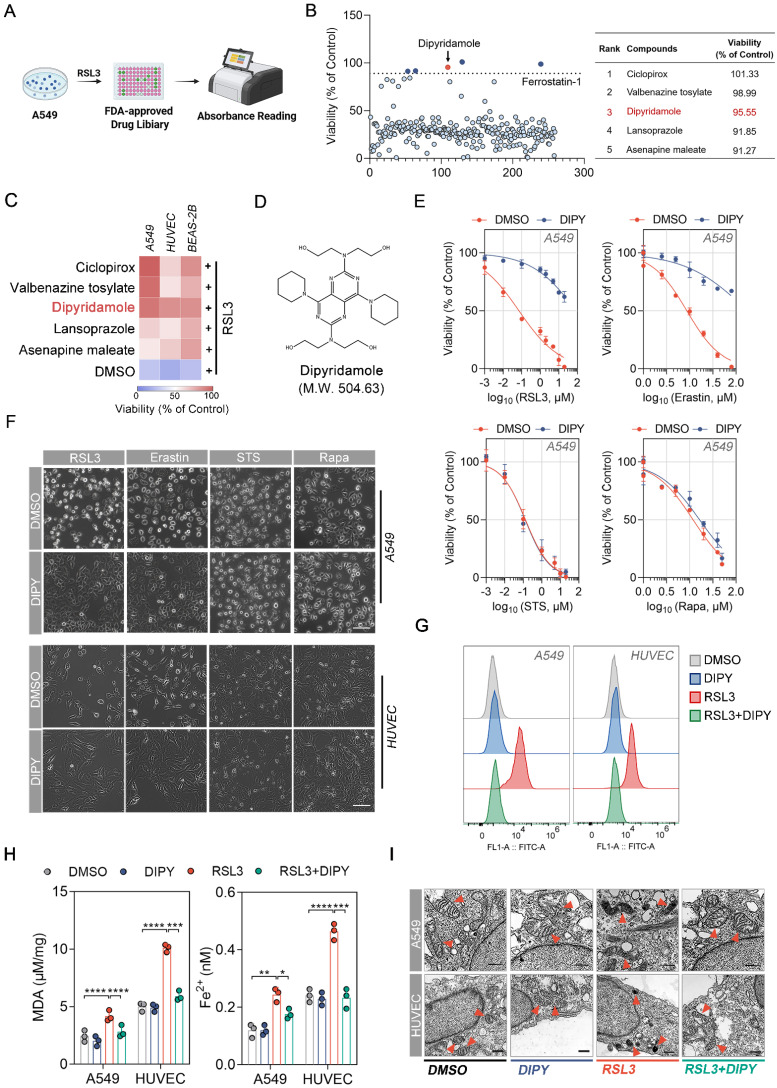
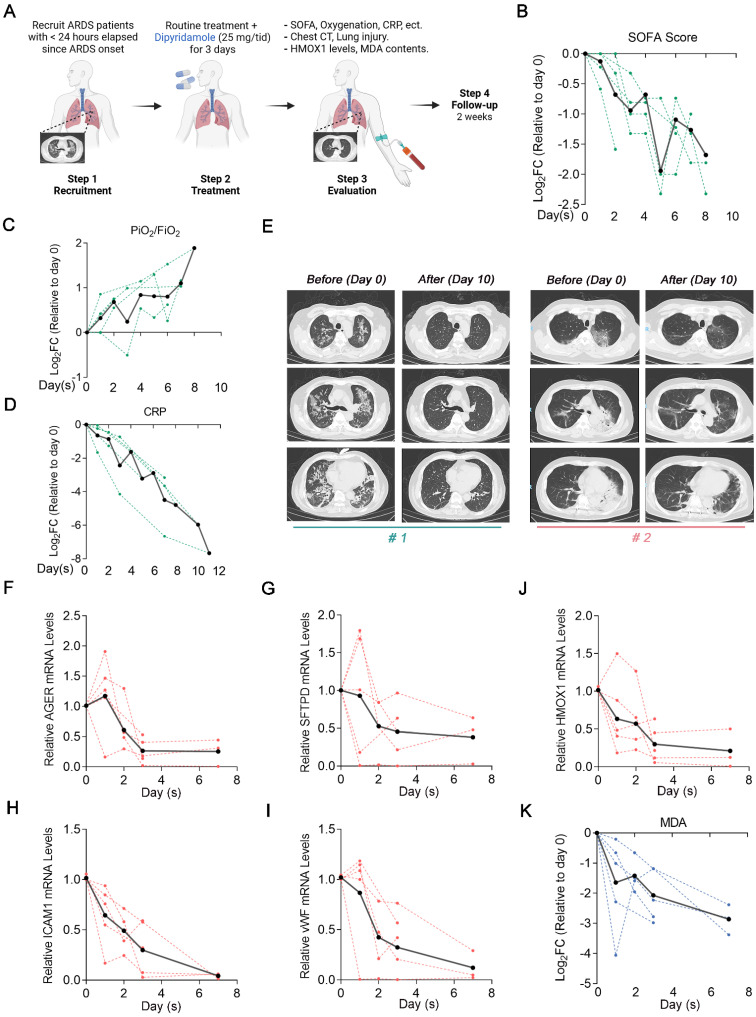
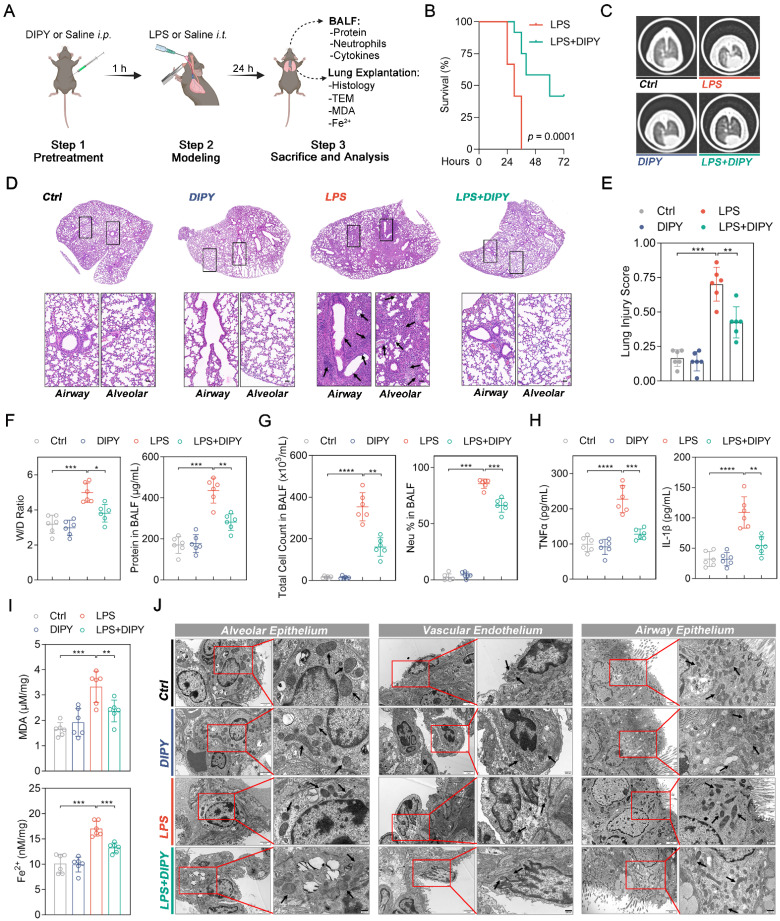
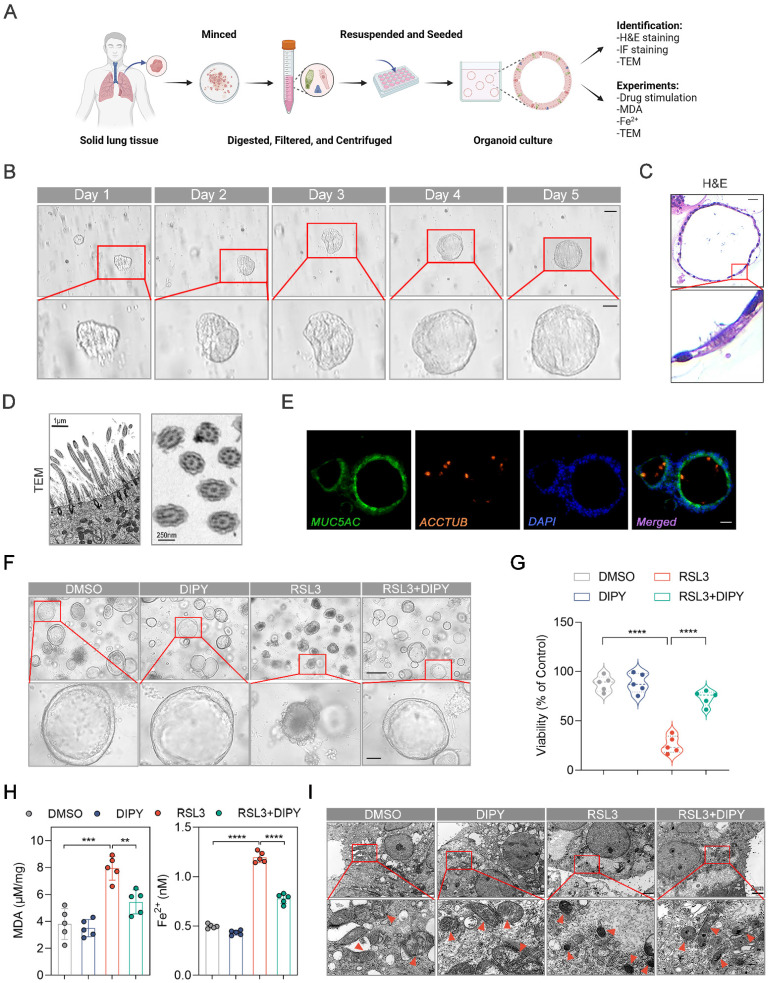
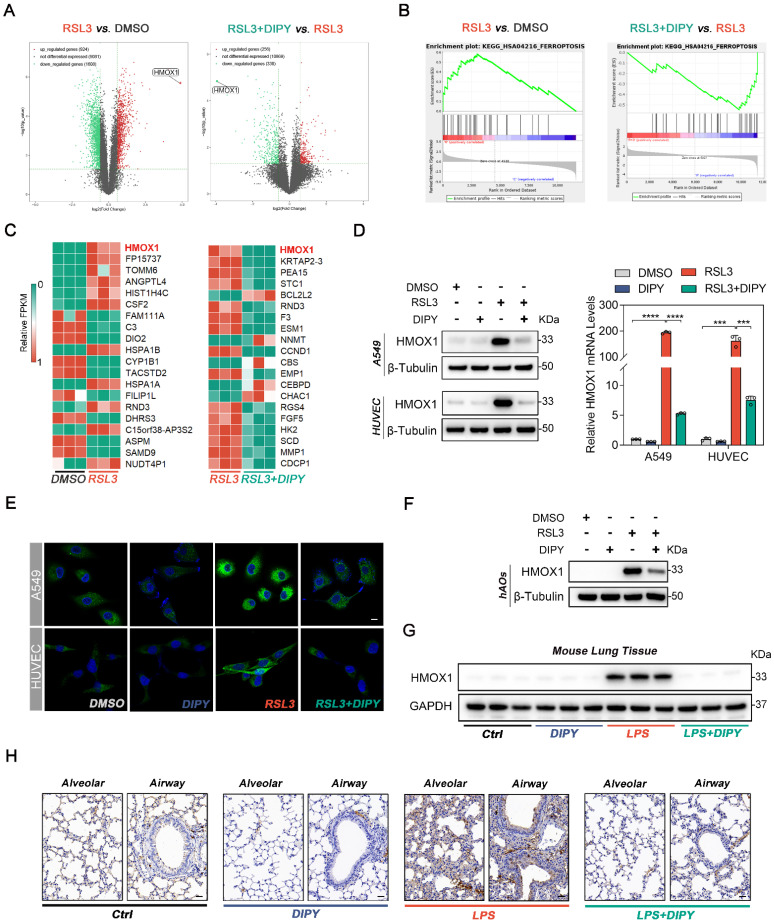
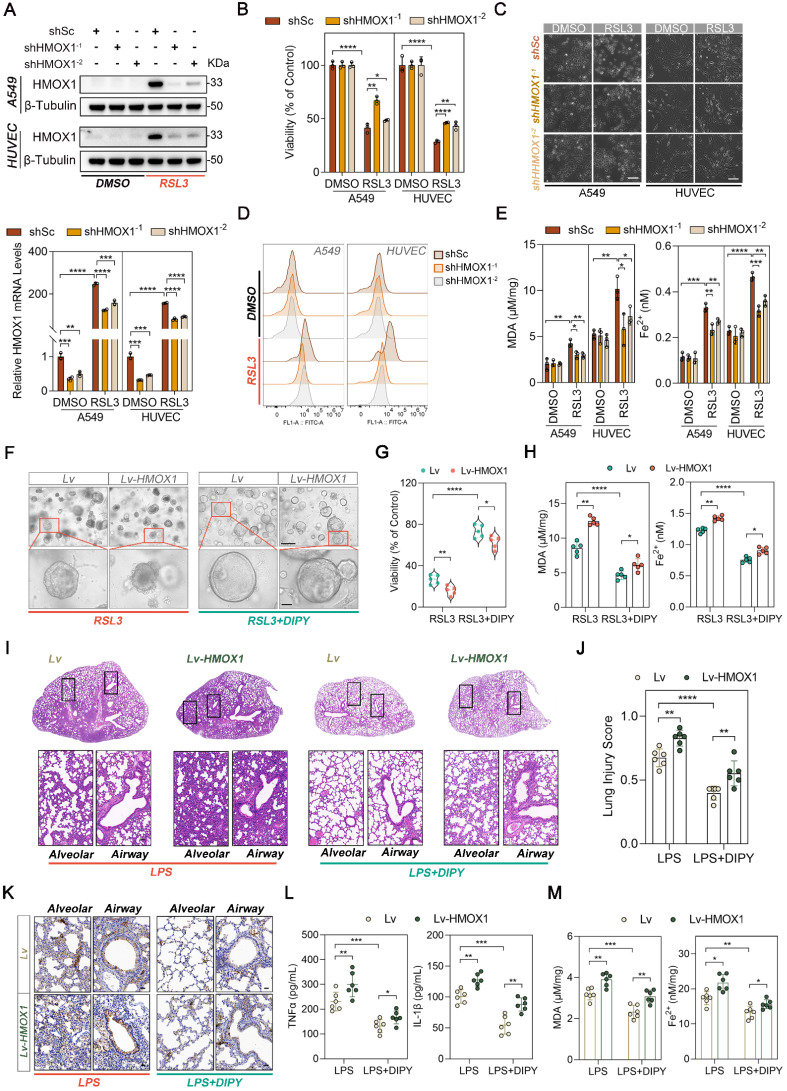
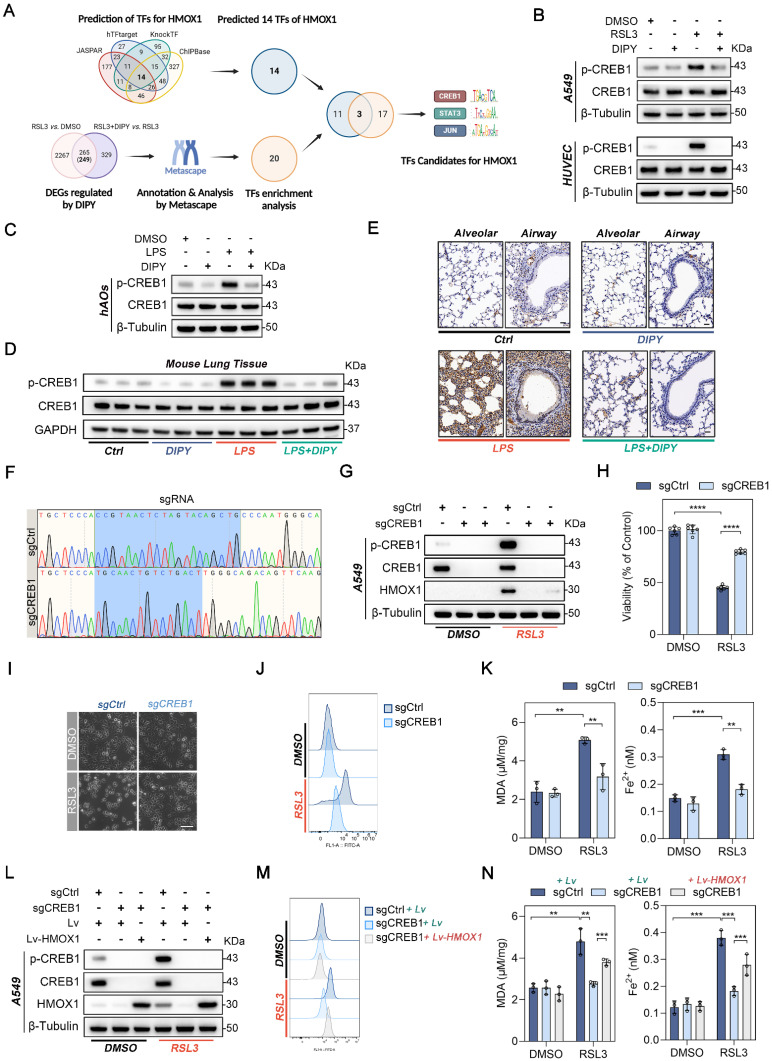
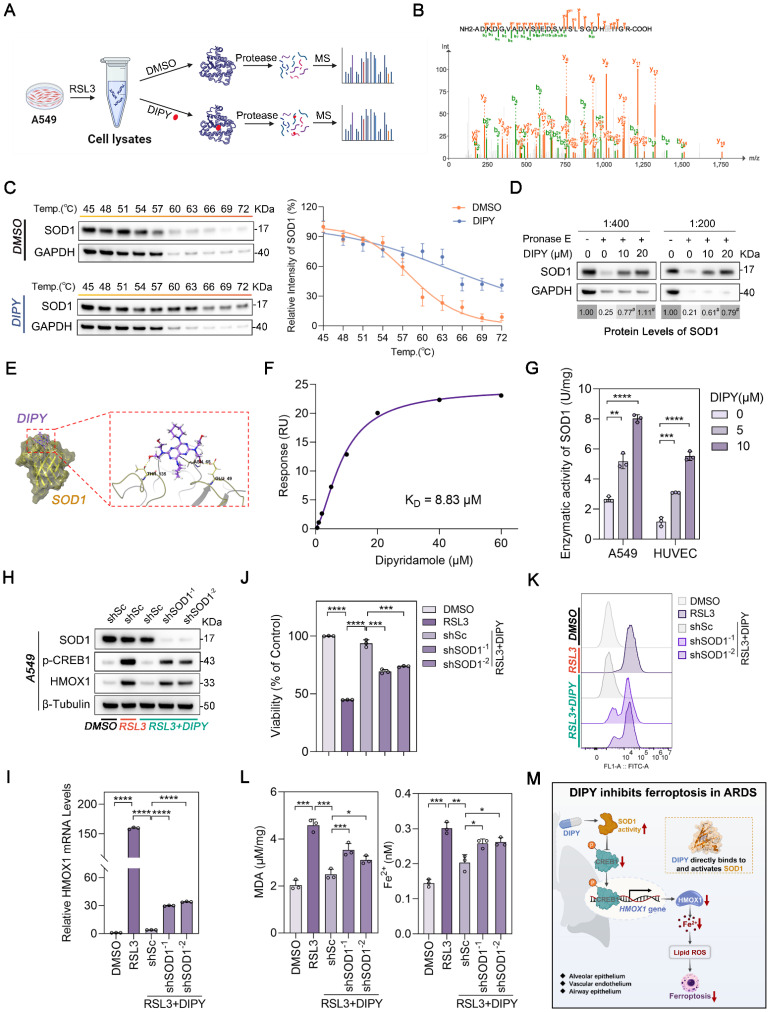
: Ferroptosis in lung epithelium and endothelium contributes to the pathogenesis of acute respiratory distress syndrome (ARDS), a critical and often fatal condition marked by acute inflammation and elevated pulmonary vascular permeability. Despite this, there are currently no FDA-approved therapeutics specifically targeting ferroptosis for ARDS management. : A screening of 259 FDA-approved drugs was conducted to identify an effective ferroptosis inhibitor in pulmonary epithelial and endothelial cells. The anti-ferroptotic and therapeutic efficacy of this screened drug was rigorously evaluated using two distinct ARDS mouse models (LPS-induced acute lung injury and CLP-induced sepsis) and human airway organoids (hAOs). The regulatory mechanism of this drug on ferroptosis inhibition was investigated via RNA-sequencing, qRT-PCR, western blotting, IF, luciferase reporter assay, chromatin immunoprecipitation assay, limited proteolysis-mass spectrometry assay, cellular thermal shift assay, and drug affinity responsive target stability assay. Furthermore, a proof-of-concept clinical trial was conducted, wherein ARDS patients were administered with the drug as adjunctive therapy. : Dipyridamole (DIPY) was identified as a potent inhibitor of ferroptosis in pulmonary epithelial and endothelial cells. DIPY effectively mitigated ferroptosis and pulmonary damage in both mouse models and hAOs, primarily by downregulating heme oxygenase 1 (HMOX1). The transcription factor cAMP responsive element binding protein 1 (CREB1) was identified as a key transactivator of HMOX1, which DIPY effectively downregulated. Mechanistically, DIPY binds to and activates superoxide dismutase 1 (SOD1), which in turn inhibits the CREB1/HMOX1 pathway, thereby suppressing ferroptosis. Notably, the clinical trial further corroborated the therapeutic potential of DIPY in ARDS patients, demonstrating improved outcomes with DIPY adjunctive therapy. : These findings provide compelling evidence that DIPY inhibits ferroptosis in pulmonary epithelial and endothelial cells by modulating the SOD1/CREB1/HMOX1 signaling axis and suggest DIPY as a promising therapeutic strategy for ARDS treatment.
肺上皮细胞和内皮细胞中的铁死亡有助于急性呼吸窘迫综合征(ARDS)的发病机制,这是一种以急性炎症和肺血管通透性升高为特征的危急且往往致命的病症。尽管如此,目前尚无FDA批准的专门针对铁死亡用于ARDS治疗的疗法。:对259种FDA批准的药物进行了筛选,以确定一种在肺上皮细胞和内皮细胞中有效的铁死亡抑制剂。使用两种不同的ARDS小鼠模型(脂多糖诱导的急性肺损伤和盲肠结扎穿孔诱导的脓毒症)和人气道类器官(hAO)对这种筛选出的药物的抗铁死亡和治疗效果进行了严格评估。通过RNA测序、qRT-PCR、蛋白质免疫印迹、免疫荧光、荧光素酶报告基因检测、染色质免疫沉淀检测、有限蛋白水解-质谱检测、细胞热位移检测和药物亲和力响应靶点稳定性检测,研究了该药物对铁死亡抑制的调控机制。此外,还进行了一项概念验证临床试验,其中ARDS患者接受该药物作为辅助治疗。:双嘧达莫(DIPY)被确定为肺上皮细胞和内皮细胞中铁死亡的有效抑制剂。DIPY在小鼠模型和hAO中均有效减轻了铁死亡和肺损伤,主要是通过下调血红素加氧酶1(HMOX1)实现的。转录因子cAMP反应元件结合蛋白1(CREB1)被确定为HMOX1的关键反式激活因子,DIPY有效地下调了该因子。机制上,DIPY结合并激活超氧化物歧化酶1(SOD1),进而抑制CREB1/HMOX1途径,从而抑制铁死亡。值得注意的是,临床试验进一步证实了DIPY在ARDS患者中的治疗潜力,表明DIPY辅助治疗可改善预后。:这些发现提供了令人信服的证据,表明DIPY通过调节SOD1/CREB1/HMOX1信号轴抑制肺上皮细胞和内皮细胞中的铁死亡,并表明DIPY是一种有前景的ARDS治疗策略。