
具有辛基侧链的咪唑鎓、吡啶鎓和吡嗪鎓基离子液体作为抗多重耐药性尿路致病性细菌的潜在抗菌剂。
Imidazolium, pyridinium and pyrazinium based ionic liquids with octyl side chains as potential antibacterial agents against multidrug resistant uropathogenic .
作者信息
Hafeez Sidrah, Rasool Zamar, Hafeez Samia, Paracha Rehan Zafar, Iqbal Muddassir, Khan Dilawar, Adnan Fazal
机构信息
Atta-ur-Rahman School of Applied Biosciences (ASAB), National University of Sciences and Technology (NUST), Islamabad, 44000, Pakistan.
Pakistan Institute of Medical Sciences (PIMS), Islamabad, 44000, Pakistan.
出版信息
Heliyon. 2024 Oct 24;10(22):e39829. doi: 10.1016/j.heliyon.2024.e39829. eCollection 2024 Nov 30.
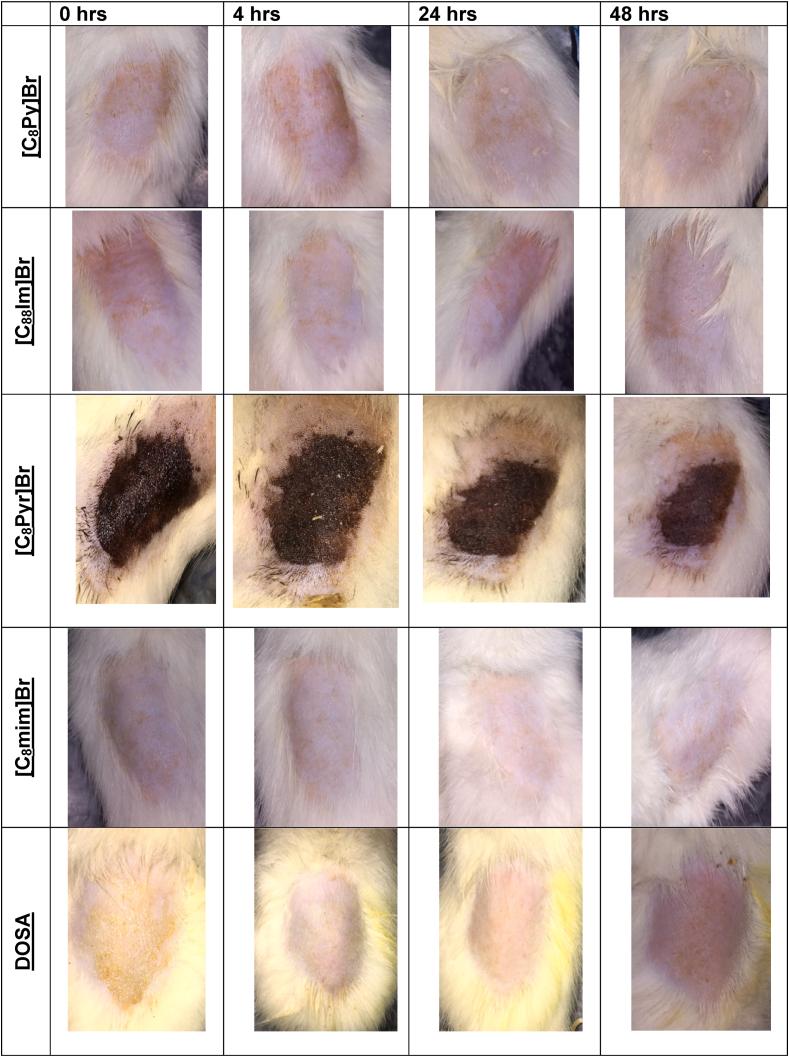
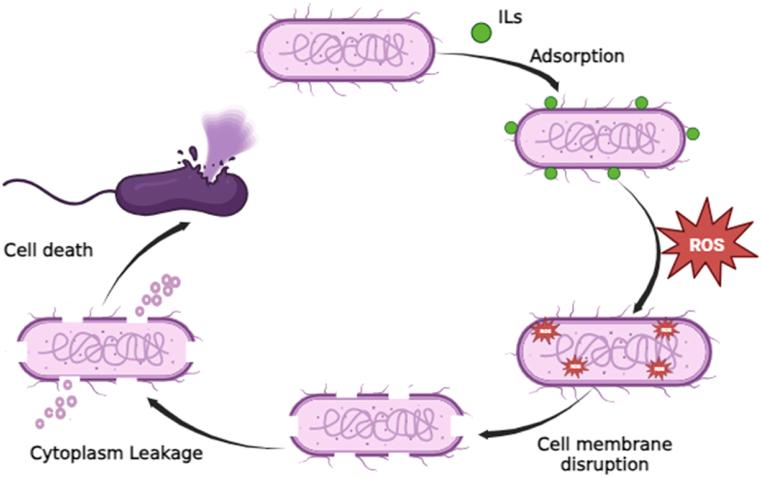
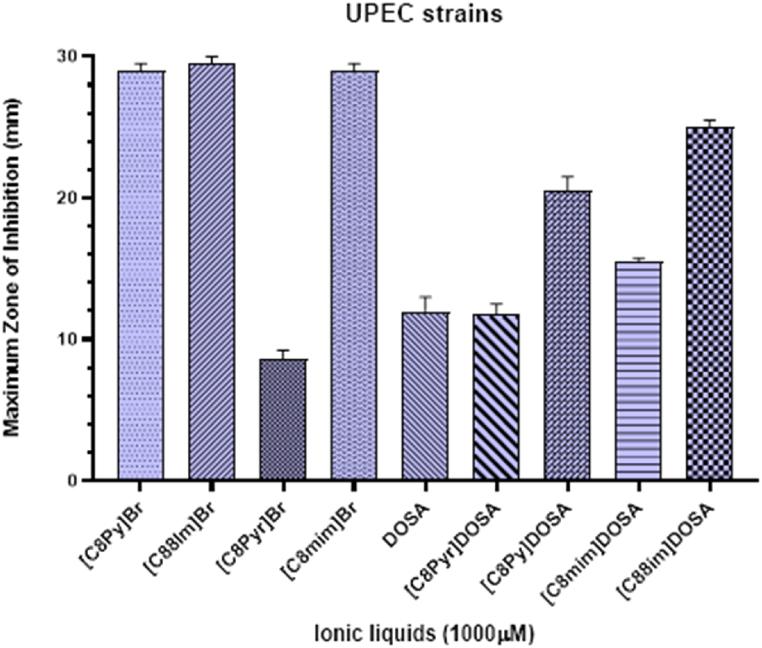
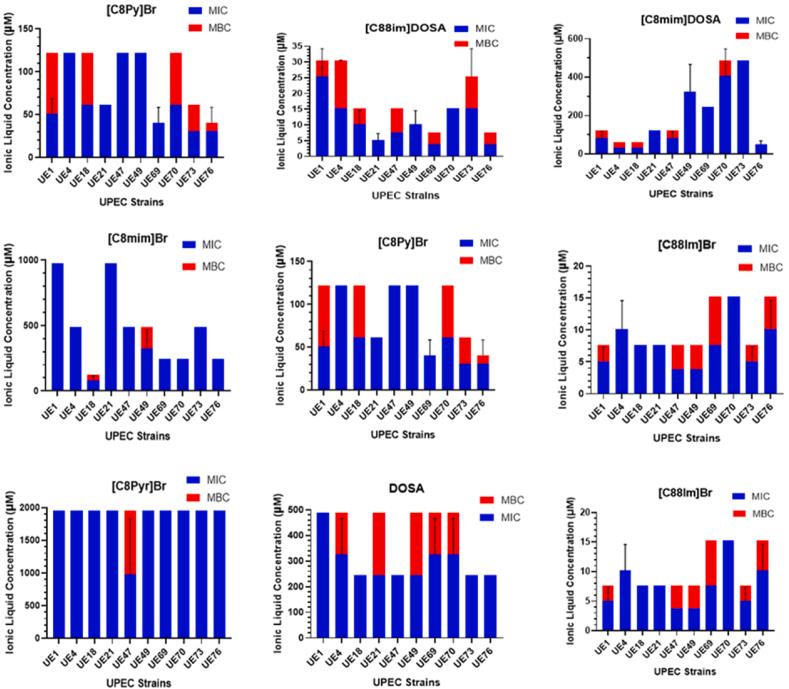
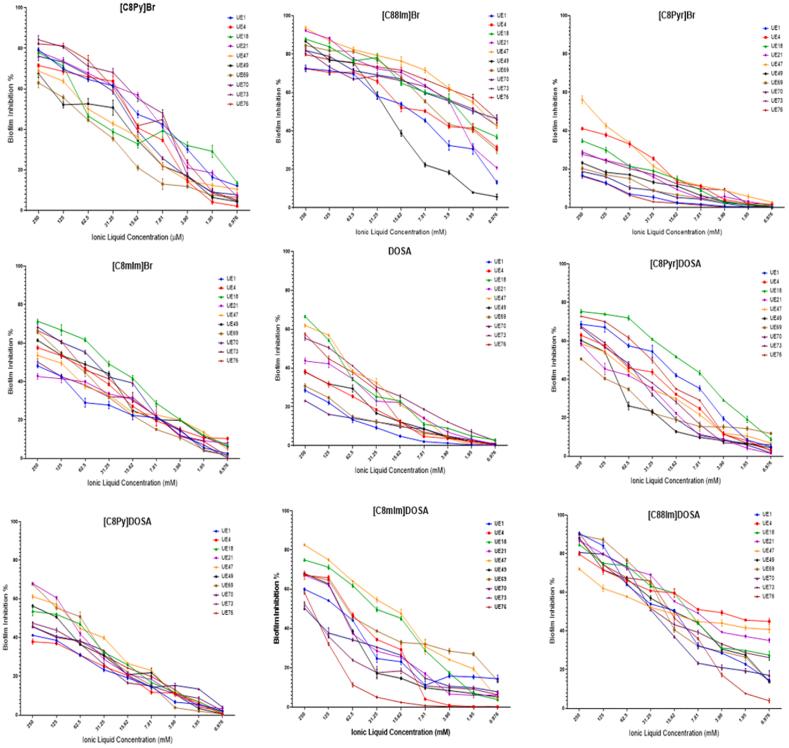
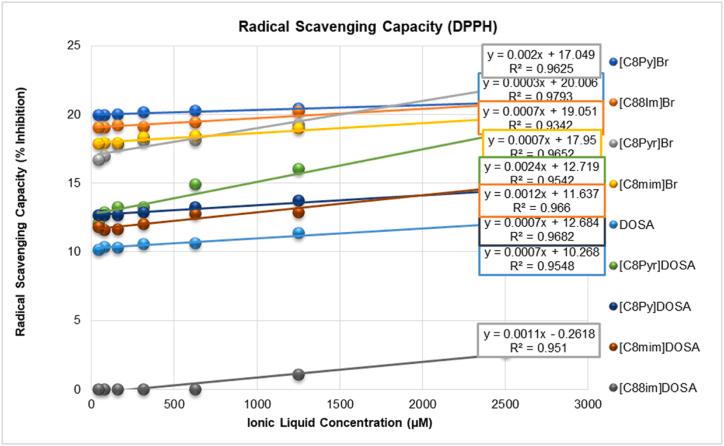
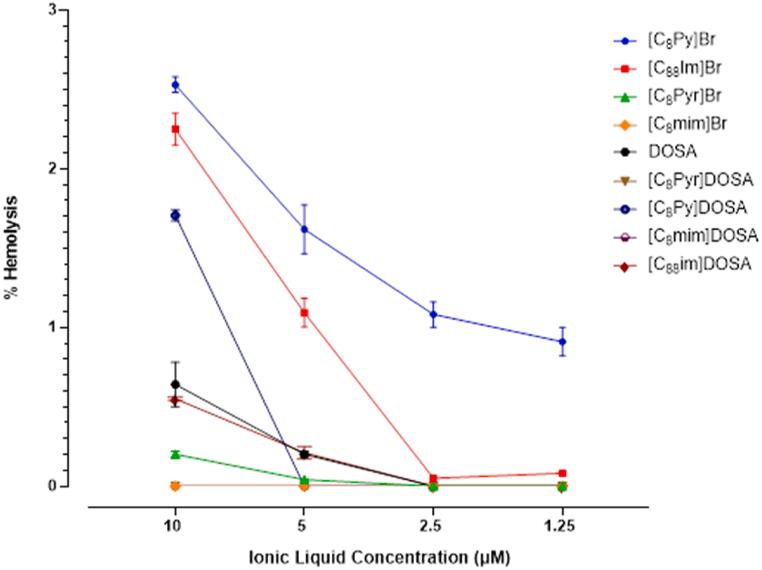
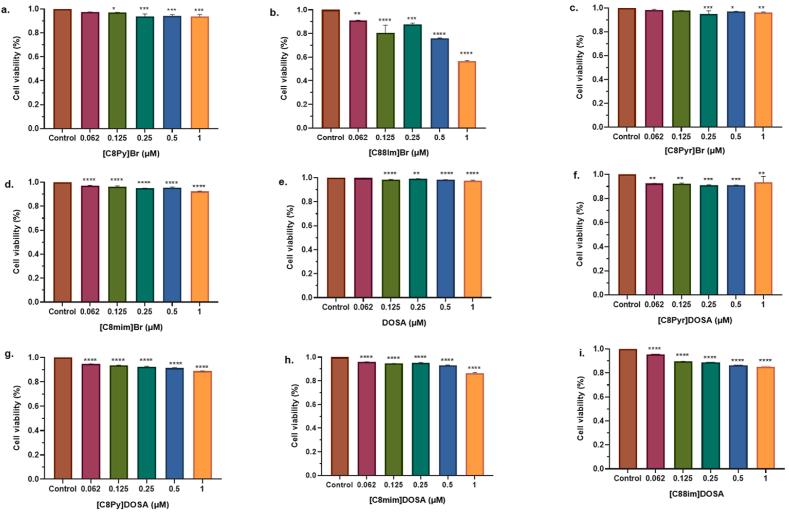
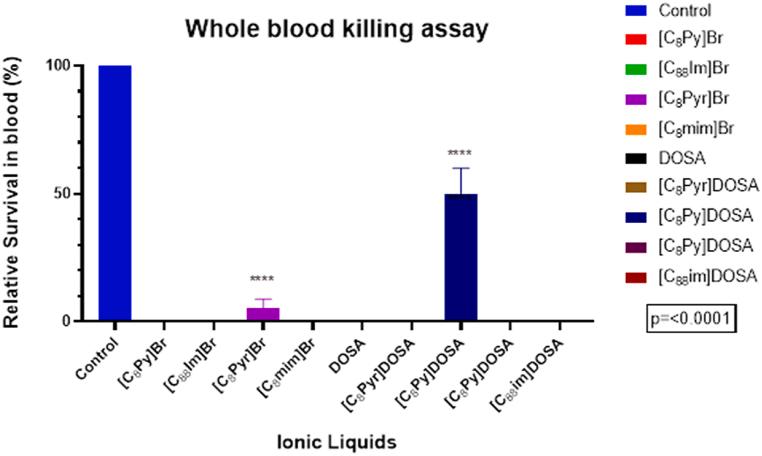
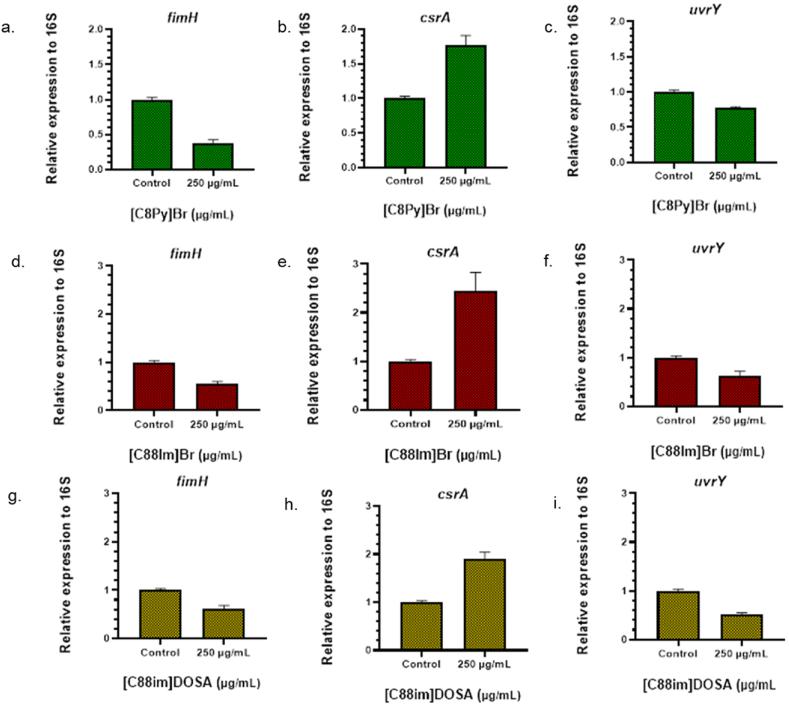
Urinary tract infections (UTIs) are the second most prevalent infectious disease with being the most common etiological agent behind these infections, affecting more than 150 million people globally each year. In recent decades, the emergence of multi-drug resistant (MDR) pathogens has rapidly escalated. To combat antimicrobial resistance (AMR), it is important to synthesize new biologically effective alternatives like ionic liquids (ILs) to control the bacterial infection and their spread. Ionic liquids are poorly coordinated organic salts characterized by melting points typically below 100 °C. The ability of ILs to form anionic and cationic interactions contributes to their versatile chemical, physical and biological attributes. In the present study, a total of 9 previously chemically synthesized and characterized ILs were used. For exploration of their antibacterial potential against the urinary tract infections (UTIs) caused by MDR Uropathogenic (UPEC) strains and evaluation of ILs were performed. ILs showed pronounced zone of inhibition (ZOI), minimum inhibitory concentration (MIC) and minimum bactericidal concentration (MBC) values of 29.5 mm, 3.81 μM and 5.08 μM by agar disk diffusion and broth micro-dilution methods, respectively. Scanning electron microscopy results depicted substantial morphological changes in UPEC biofilm formation ascertaining antibiofilm potential of tested ILs. Moreover, ILs showed exceptional antioxidant potential depicted by DPPH assay along with low cytotoxic effect toward mammalian cell lines (NB4), red blood cells and whole blood. Furthermore, the gene expression analysis results justified the antibacterial potential of ILs showing down-regulation of fimH, uvrY and up-regulation of csrA gene in UPEC after ILs treatment. dermal sensitivity assessment also established their non-cytotoxic behavior. analysis validated these results, with the majority of the compounds exhibiting moderate to good absorption.Due to remarkable antibacterial and antioxidant potential and negligible cytoxicity, it could be inferred that ILs could serve as novel antimicrobial alternative agents in the treatment of UTIs.
尿路感染(UTIs)是第二大常见传染病,大肠杆菌是这些感染背后最常见的病原体,每年全球有超过1.5亿人受其影响。近几十年来,多重耐药(MDR)病原体的出现迅速升级。为了对抗抗菌药物耐药性(AMR),合成新的生物有效替代品(如离子液体(ILs))以控制细菌感染及其传播非常重要。离子液体是配位性差的有机盐,其熔点通常低于100°C。离子液体形成阴离子和阳离子相互作用的能力有助于其具有多种化学、物理和生物学特性。在本研究中,总共使用了9种先前化学合成并表征的离子液体。为了探索它们对由多重耐药尿路致病性大肠杆菌(UPEC)菌株引起的尿路感染(UTIs)的抗菌潜力,并对离子液体进行了评估。通过琼脂平板扩散法和肉汤微量稀释法,离子液体分别显示出明显的抑菌圈(ZOI)、最低抑菌浓度(MIC)和最低杀菌浓度(MBC)值,分别为29.5毫米、3.81微摩尔和5.08微摩尔。扫描电子显微镜结果显示,UPEC生物膜形成有大量形态变化,确定了受试离子液体的抗生物膜潜力。此外,通过DPPH测定法显示离子液体具有出色的抗氧化潜力,同时对哺乳动物细胞系(NB4)、红细胞和全血的细胞毒性作用较低。此外,基因表达分析结果证明了离子液体的抗菌潜力,显示在离子液体处理后,UPEC中fimH、uvrY基因下调,csrA基因上调。皮肤敏感性评估也证实了它们的无细胞毒性行为。分析验证了这些结果,大多数化合物表现出中度至良好的吸收。由于具有显著的抗菌和抗氧化潜力以及可忽略不计的细胞毒性,可以推断离子液体可作为治疗尿路感染的新型抗菌替代剂。


 Zotero 插件