Hafeez Uzma, Kant Sara Bashir, Sakina Syeda, Khan Raja Sohail, Akbar Amna, Khattak Muhammad Iftikhar, Ahmed Mumtaz, Jadoon Sarosh Khan, Tasneem Sabahat
Public Health/Community Medicine, Azad Jammu Kashmir Medical College, Muzaffarabad, PAK.
Dermatology, Dr. Sakina Clinics, Wah Cantt, PAK.
Cureus. 2024 Nov 5;16(11):e73061. doi: 10.7759/cureus.73061. eCollection 2024 Nov.
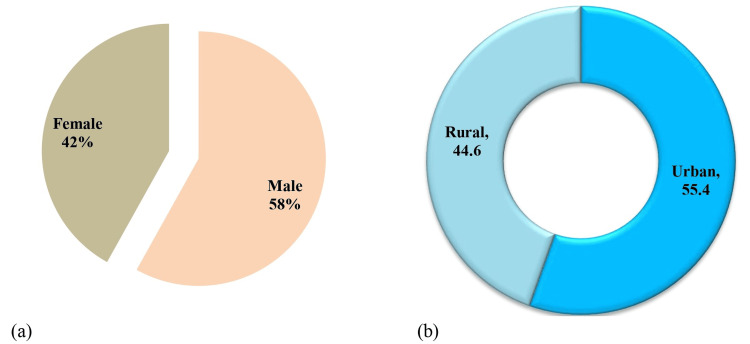
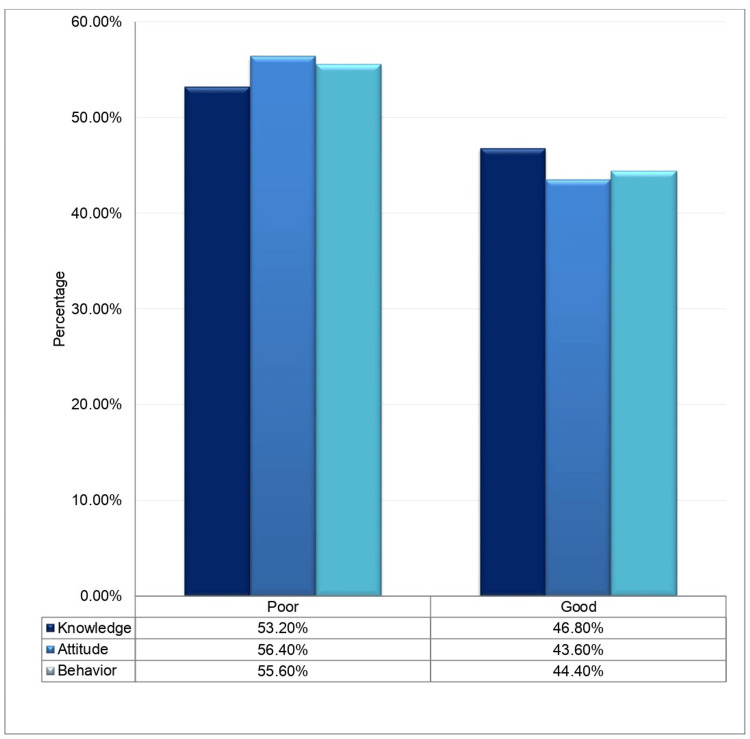
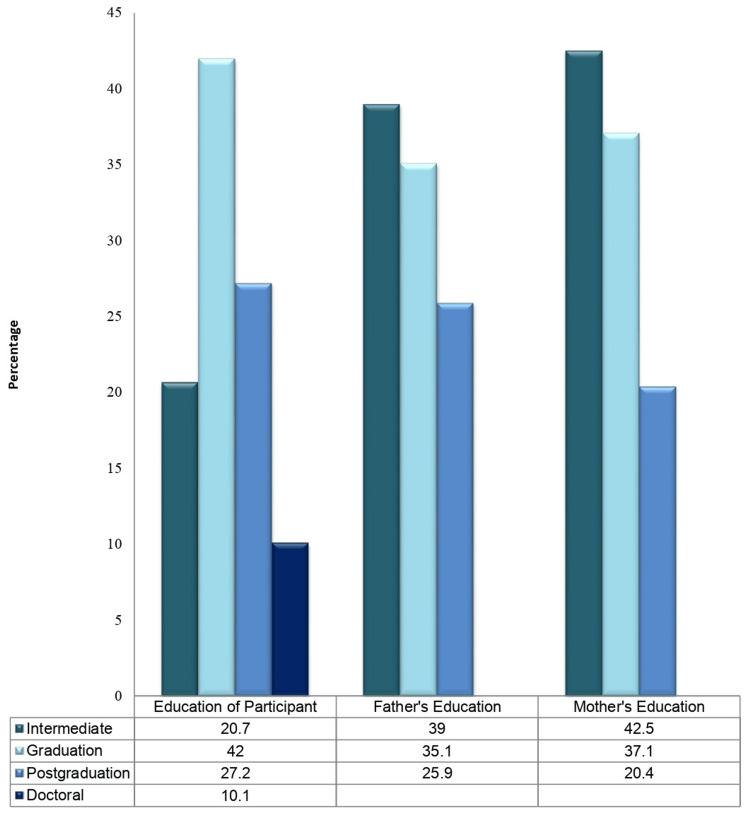
Background Monkeypox (Mpox) is a virulent disease caused by orthopoxvirus. Mpox is emerging as a major global health threat. Currently, more than 100 countries are facing outbreaks. Pakistan, too, is witnessing the spread of this virus, with 11 confirmed cases and one death since its first detection in April 2023. Mpox infection can be diagnosed using polymerase chain reaction (PCR) and treated with antiviral agents. The smallpox vaccine is also proven to be effective against Mpox. Methodology This cross-sectional survey aimed to evaluate the knowledge, attitude, and behaviors (KAB) of the Pakistani population toward the Mpox pandemic and determine the factors affecting it. Data were collected through Google Forms using a validated questionnaire to assess the population's KAB. In total, 1,511 individuals were included in the final analysis. Results Study participants had good knowledge of the disease, poor attitude toward Mpox risk and severity, and poor behavior with low adherence to recommended protocols. Overall, 58% (n = 888) of the participants were male, and most of the respondents were aged between 18 and 30 years (n = 743, 49.2%). Most participants were married (n = 983, 65.1%), from urban areas (n = 837, 55.4%), and living in shared households (n = 876, 58%). Age showed a significant relationship with knowledge level and behavior, but not with attitude. The 18-30-year age group demonstrated higher knowledge levels (p = 0.007), regardless of gender. Shared households were significantly associated with a higher incidence of good knowledge (p < 0.05) compared to independent households (p = 0.038). Additionally, higher income was linked to better attitudes and behaviors. KAB outcomes also varied significantly based on marital status, individual education level, and parents' education levels. Conclusions Population dynamics such as cultural norms, religious beliefs, misperceptions about the disease associated with sexual behavior, health literacy, education level, rural and urban division of the population, gender role, migrant and refugee population, poverty, cost-seeking healthcare, and distrust in the government and healthcare system should be considered when constructing a public health policy because the behavior of the population is important for the implementation of preventive measures.
背景 猴痘是由正痘病毒引起的一种烈性疾病。猴痘正在成为全球主要的健康威胁。目前,100多个国家正面临疫情暴发。巴基斯坦也在见证这种病毒的传播,自2023年4月首次检测到该病毒以来,已有11例确诊病例和1例死亡。猴痘感染可通过聚合酶链反应(PCR)进行诊断,并可用抗病毒药物治疗。天花疫苗也被证明对猴痘有效。
方法 这项横断面调查旨在评估巴基斯坦民众对猴痘大流行的知识、态度和行为(KAB),并确定影响这些方面的因素。通过谷歌表单使用经过验证的问卷收集数据,以评估民众的KAB。最终分析共纳入1511名个体。
结果 研究参与者对该疾病有一定了解,但对猴痘风险和严重性的态度较差,行为也不佳,对推荐方案的依从性较低。总体而言,58%(n = 888)的参与者为男性,大多数受访者年龄在18至30岁之间(n = 743,49.2%)。大多数参与者已婚(n = 983,65.1%),来自城市地区(n = 837,55.4%),且居住在合住家庭(n = 876,58%)。年龄与知识水平和行为存在显著关系,但与态度无关。无论性别,18至30岁年龄组的知识水平较高(p = 0.007)。与独立家庭(p = 0.038)相比,合住家庭与较高的良好知识知晓率显著相关(p < 0.05)。此外,较高收入与较好的态度和行为相关。KAB结果在婚姻状况、个人教育水平和父母教育水平方面也存在显著差异。
结论 在制定公共卫生政策时,应考虑文化规范、宗教信仰、与性行为相关的对该疾病的误解、健康素养、教育水平、城乡人口划分、性别角色、移民和难民人口、贫困、寻求费用的医疗保健以及对政府和医疗系统的不信任等人口动态因素,因为民众的行为对于预防措施的实施至关重要。