Zhang Shuo, Mei Feng, Shi Yan, Yang Diya, Zhang Ju, Wang Shuhua, Qing Guoping, Fan Zhigang, Pei Xueting
Beijing Tongren Eye Center Research Ward, Beijing Tongren Hospital, Beijing Institute of Ophthalmology, Beijing Ophthalmology & Visual Sciences Key Laboratory, Capital Medical University, Beijing, China.
Medicine (Baltimore). 2024 Dec 6;103(49):e40782. doi: 10.1097/MD.0000000000040782.
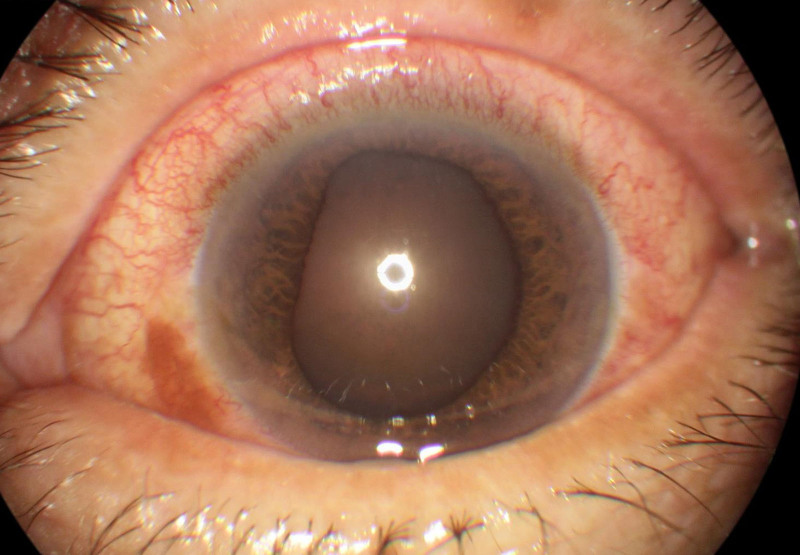
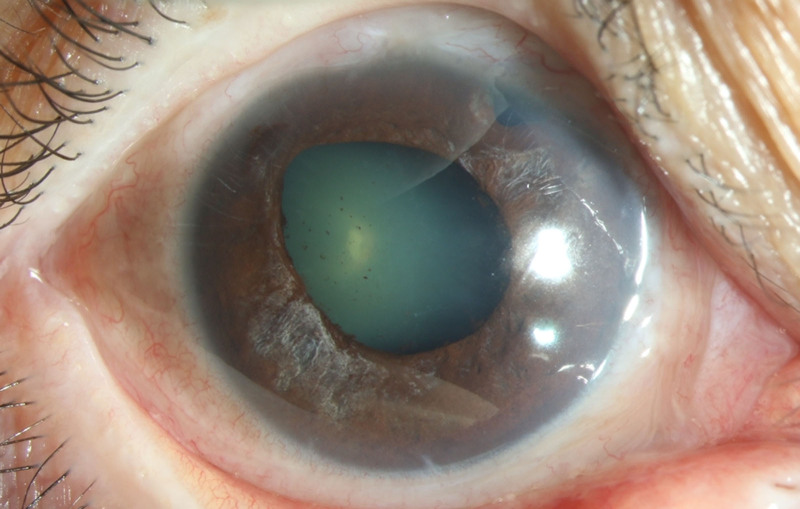
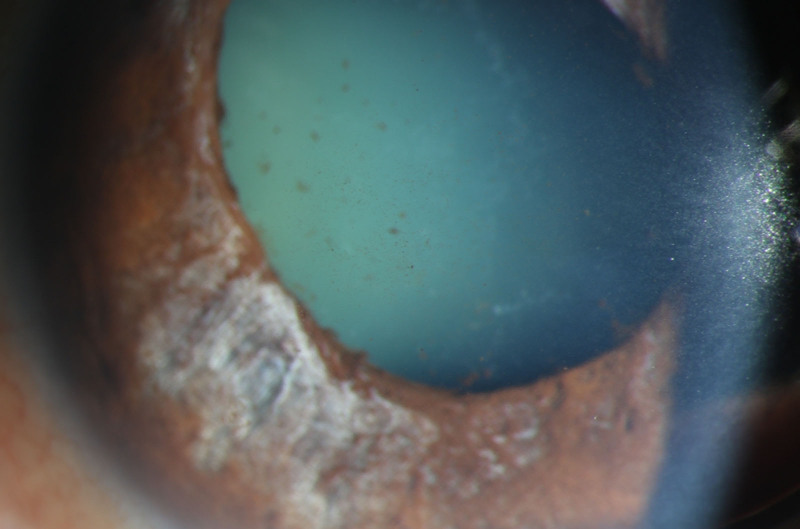
To systematically review the characteristics of patients experiencing acute angle closure (AAC) attacks during the COVID-19 outbreak in Beijing. Patients with AAC attacks during the COVID-19 epidemic and those in the same period the following year were recruited. Demographic characteristics, ocular biometry, ocular signs, sequential relationships, and the prognosis of operative management outcome were recorded and compared between the 2 groups. We included 60 eyes of 55 patients with AAC attacks in the COVID-19 group and 34 eyes of 33 patients in the control group. There was a significantly higher incidence of bilateral attacks during the COVID-19 outbreak compared to the control group (9 vs 1, P = .043). Additionally, a higher proportion of AAC attacks were observed in the COVID-19 group (P = .035). The COVID-19 group had a higher mean peak intraocular pressure (53.42 ± 8.87 mm Hg vs 47.86 ± 11.22 mm Hg; P = .007), larger pupil diameter (5.75 ± 1.04 mm vs 4.86 ± 1.26 mm; P < .001), more pigmented keratic precipitates (39 vs 8, P < .001), and segmental atrophy of the iris (32 vs 10, P = .019). Coronavirus infection was simultaneous with or slightly preceded the appearance of AAC attacks. Most patients had an ideal prognosis after comprehensive management. An increased incidence of AAC attacks, more bilateral cases and severe anterior segment inflammation were observed during the COVID-19 outbreak in Beijing. There may be a correlation between the onset of AAC attacks and coronavirus infection, but further research is needed to explore this link.
系统回顾北京新冠疫情期间急性闭角型青光眼(AAC)发作患者的特征。招募新冠疫情期间发生AAC发作的患者以及次年同期的患者。记录并比较两组患者的人口统计学特征、眼部生物测量、眼部体征、先后顺序以及手术治疗结果的预后情况。新冠疫情组纳入55例发生AAC发作患者的60只眼,对照组纳入33例患者的34只眼。与对照组相比,新冠疫情期间双侧发作的发生率显著更高(9例 vs 1例,P = 0.043)。此外,新冠疫情组观察到更高比例的AAC发作(P = 0.035)。新冠疫情组的平均眼压峰值更高(53.42±8.87 mmHg vs 47.86±11.22 mmHg;P = 0.007),瞳孔直径更大(5.75±1.04 mm vs 4.86±1.26 mm;P < 0.001),色素性角膜后沉着物更多(39个 vs 8个,P < 0.001),虹膜节段性萎缩更多(32例 vs 10例,P = 0.019)。冠状病毒感染与AAC发作同时出现或略早于发作。大多数患者综合治疗后预后理想。北京新冠疫情期间观察到AAC发作的发生率增加,双侧病例更多,前段炎症更严重。AAC发作的发生与冠状病毒感染之间可能存在关联,但需要进一步研究来探索这种联系。