Yao Liangjin, Jiao Jiejie, Wu Chuping, Jiang Bo, Fan Lili
Zhejiang Academy of Forestry, Forest Ecology Innovation Team, Hangzhou, China.
Research Institute of Subtropical Forestry, Chinese Academy of Forestry, Hangzhou, China.
Front Plant Sci. 2024 Nov 25;15:1465237. doi: 10.3389/fpls.2024.1465237. eCollection 2024.
Thinning is a common practice to enhance tree growth, but its effect on rhizosphere soil microorganisms in subtropical secondary evergreen broadleaved forests remains unclear.
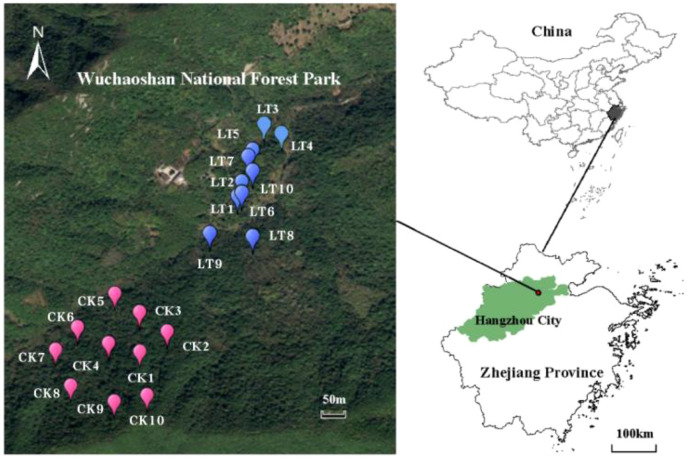
This study used 16S rDNA amplicon sequencing to explore soil microflora of five shrubs and five tree species.
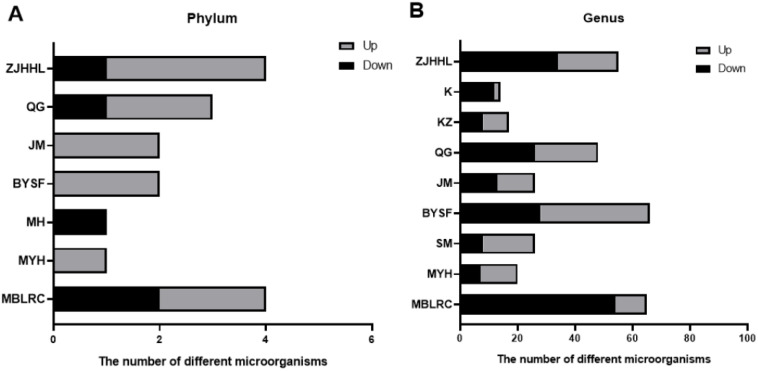
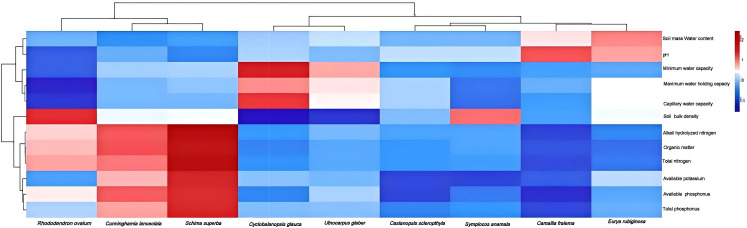
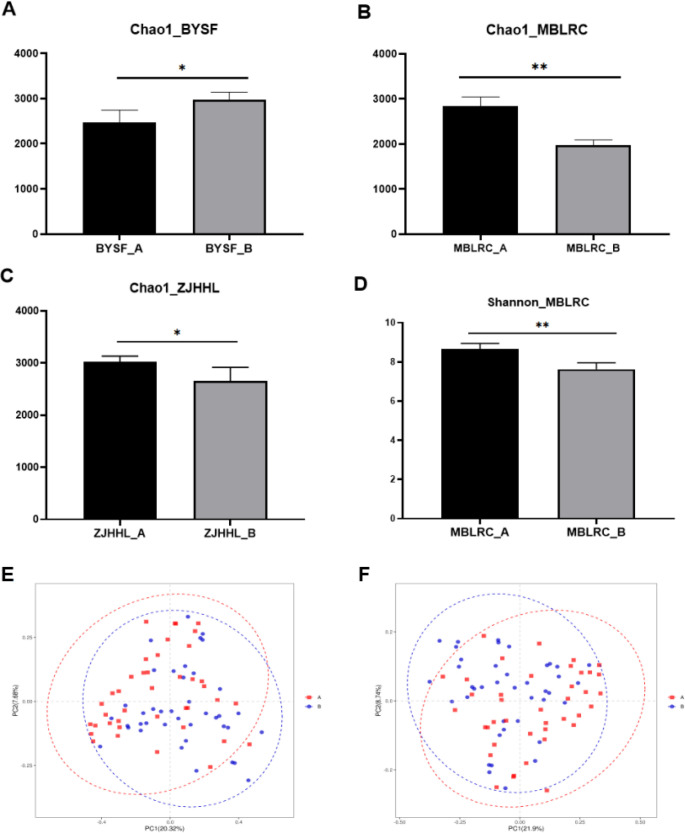
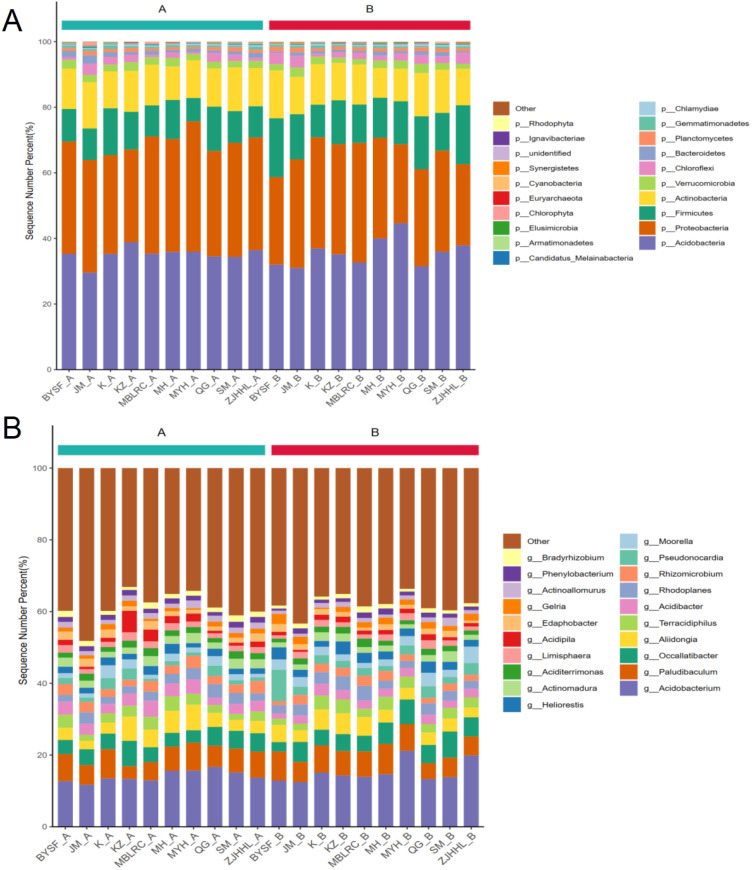
The results showed that thinning altered nutrient distribution and pH in rhizosphere soil, impacting microbial richness, which varied by tree species. The dominant bacterial phyla were Acidobacteria, Proteobacteria, Actinobacteria, and Firmicutes. Although the dominant microbial species remained largely unchanged, thinning increased the relative abundance of Firmicutes. Thinning intensity between 10-15% significantly altered the structure of soil microbial communities, demonstrating species-specific responses.
These changes in microbial structure may influence tree growth. This study proposed the potential effects of thinning on rhizosphere soil microorganisms and suggests future research to investigate the specific microbial mechanisms affected by thinning.
间伐是促进树木生长的常见做法,但其对亚热带次生常绿阔叶林根际土壤微生物的影响尚不清楚。
本研究采用16S rDNA扩增子测序技术,对5种灌木和5种乔木的土壤微生物区系进行了探索。
结果表明,间伐改变了根际土壤的养分分布和pH值,影响了微生物的丰富度,且因树种而异。优势细菌门为酸杆菌门、变形菌门、放线菌门和厚壁菌门。虽然优势微生物种类基本保持不变,但间伐增加了厚壁菌门的相对丰度。10%-15%的间伐强度显著改变了土壤微生物群落结构,表现出物种特异性响应。
微生物结构的这些变化可能会影响树木生长。本研究提出了间伐对根际土壤微生物的潜在影响,并建议未来开展研究以探究受间伐影响的具体微生物机制。