Tang Hai-Peng, Zhu En-Lin, Bai Qian-Xiang, Wang Shuang, Wang Zhi-Bin, Wang Meng, Kuang Hai-Xue
Key Laboratory of Basic and Application Research of Beiyao, Heilongjiang University of Chinese Medicine, Harbin, 150000, China.
Clinical Medical College of Acupuncture Moxibustion and Rehabilitation, Guangzhou University of Chinese Medicine, Guangzhou, 510006, China.
Chin Med. 2024 Dec 12;19(1):168. doi: 10.1186/s13020-024-01037-2.
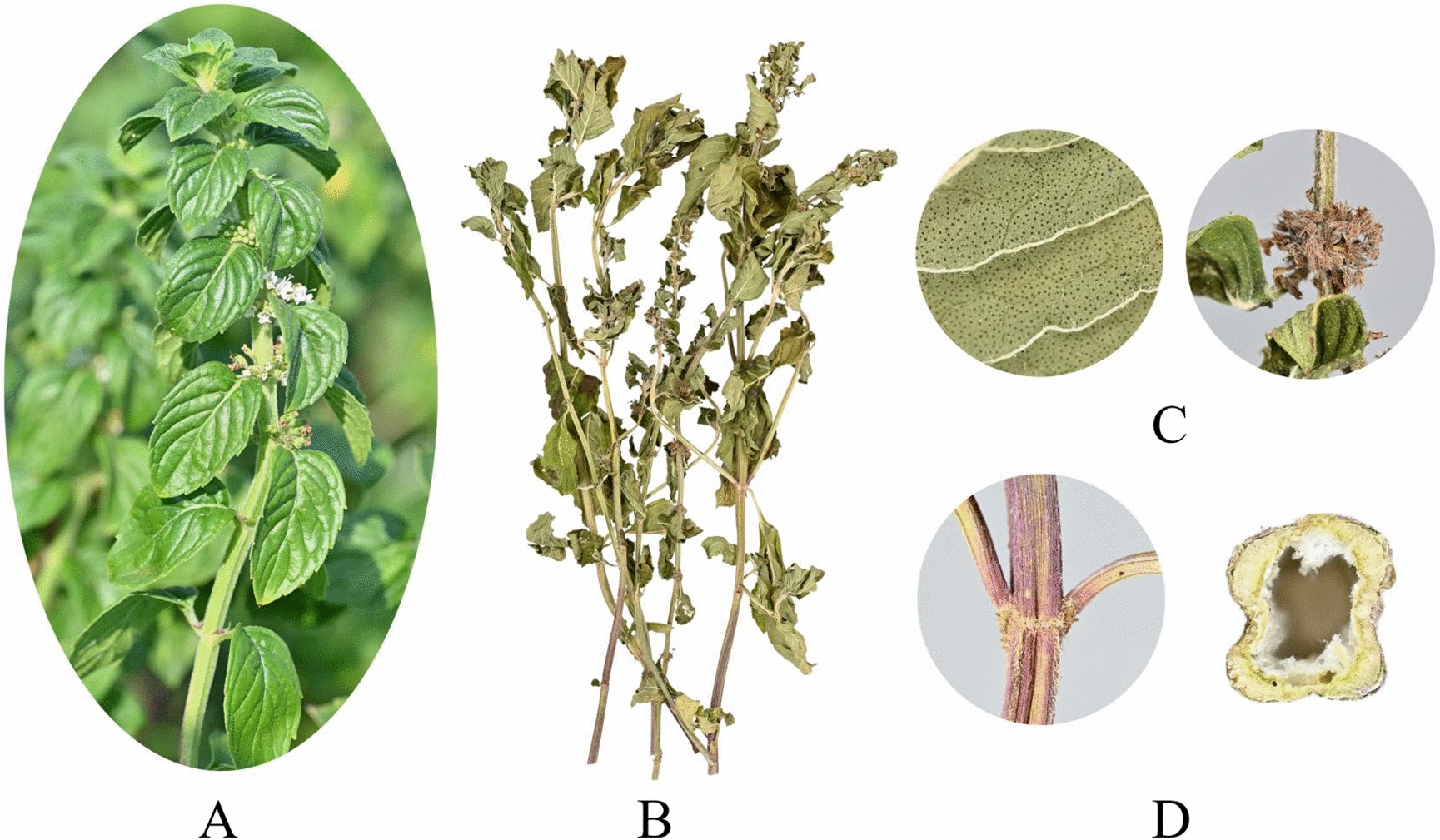
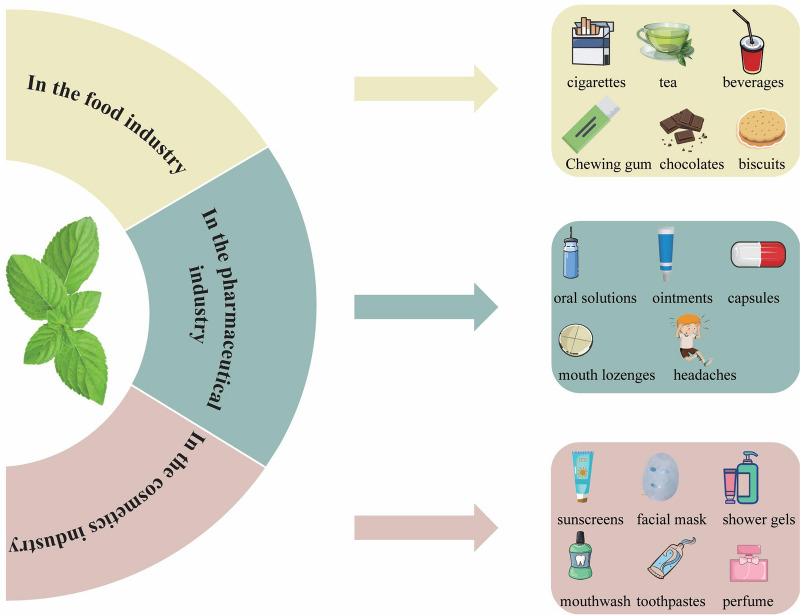
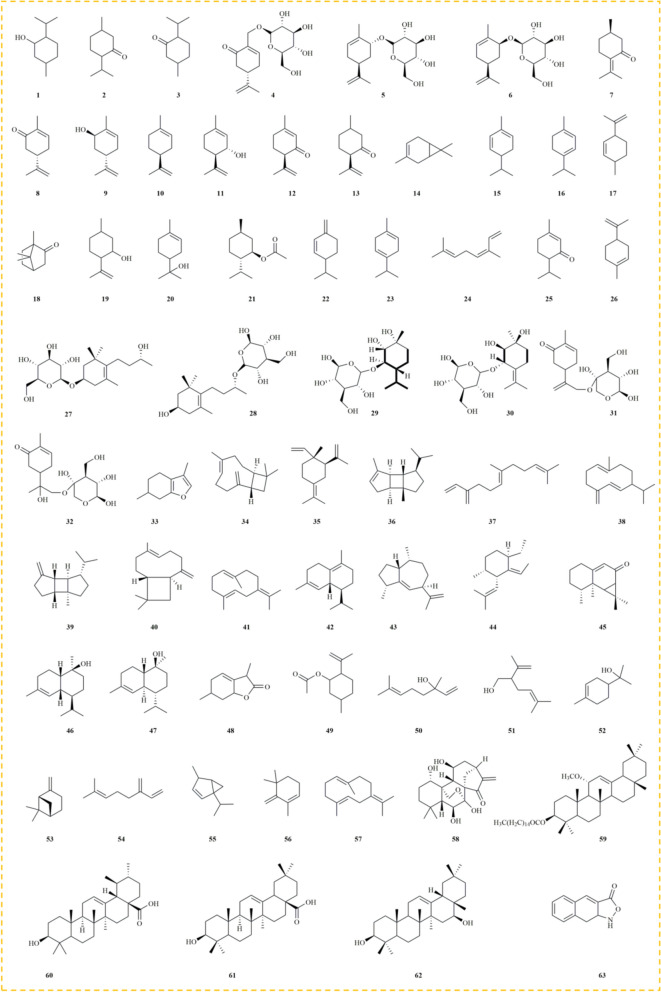
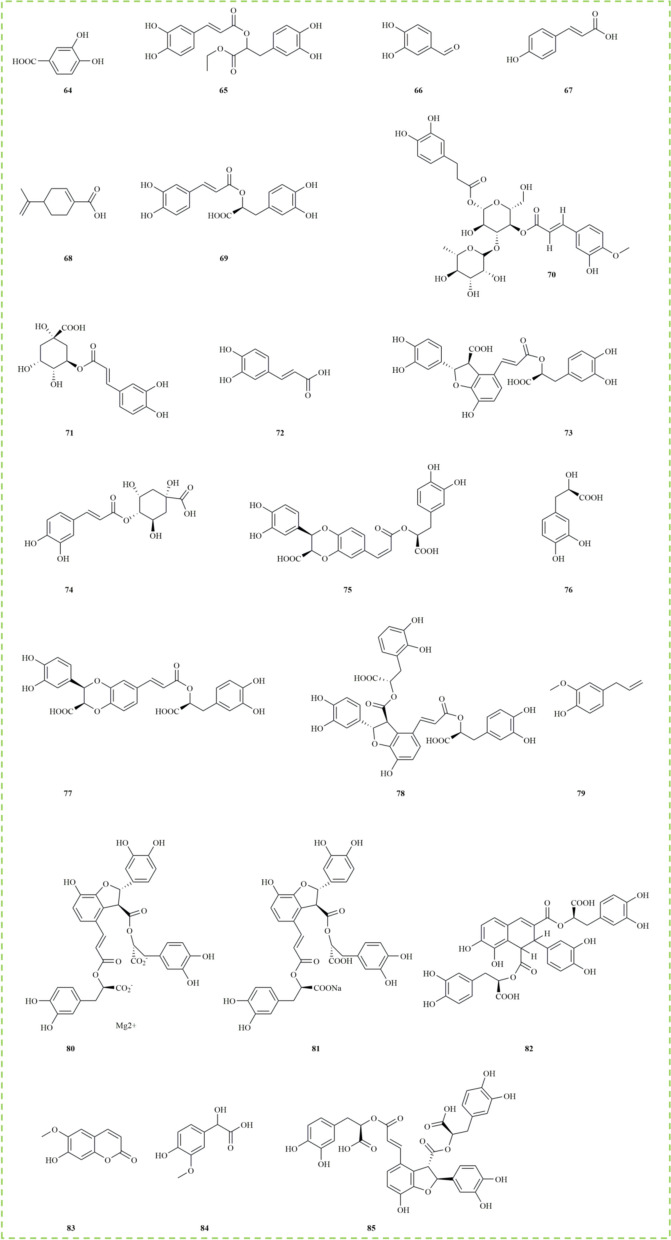
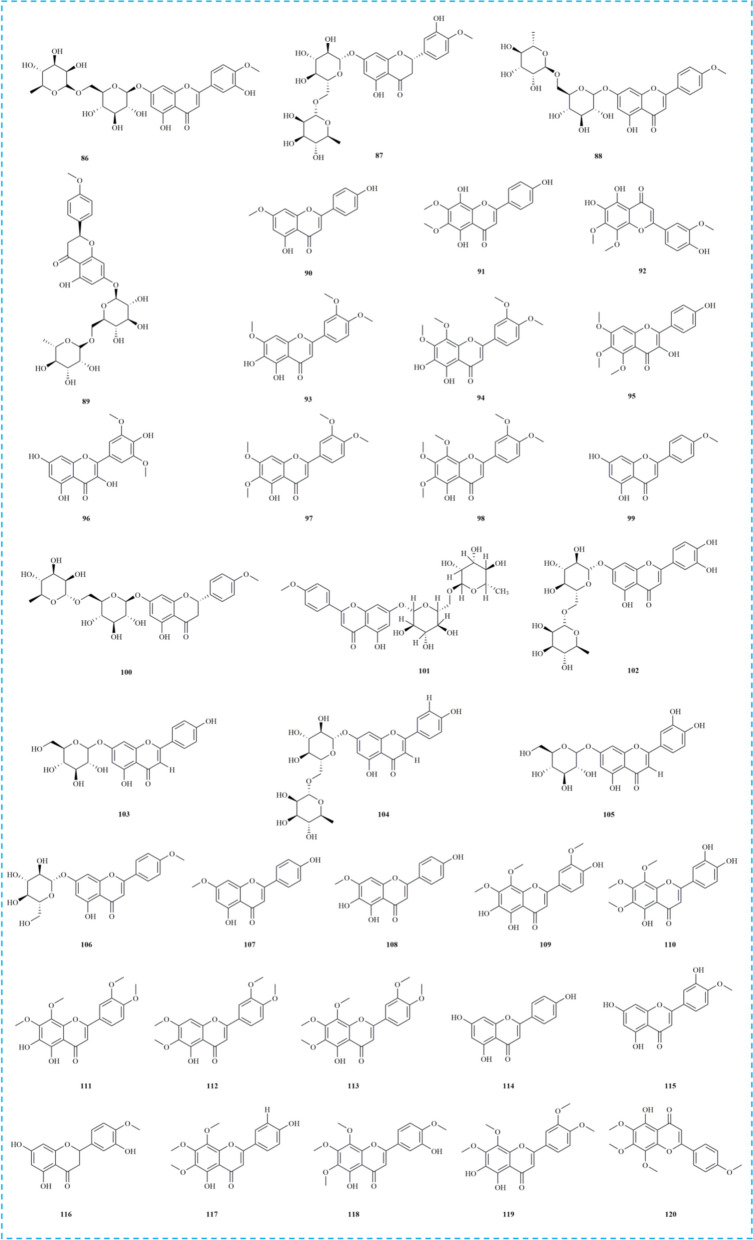
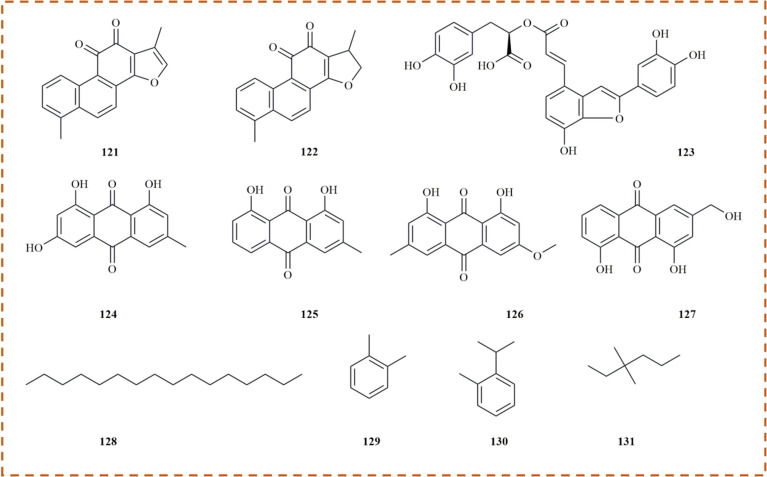
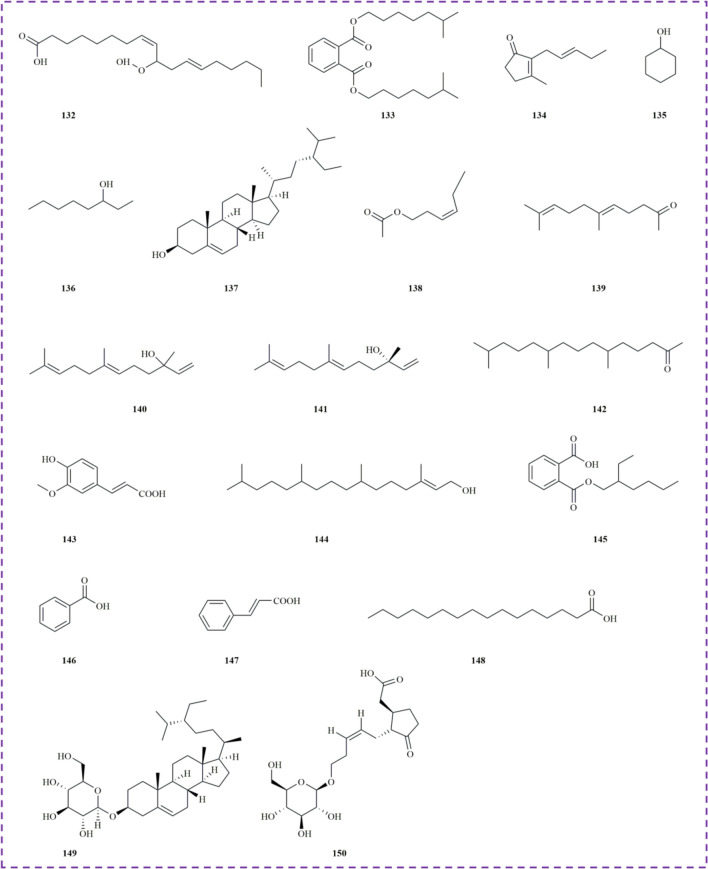
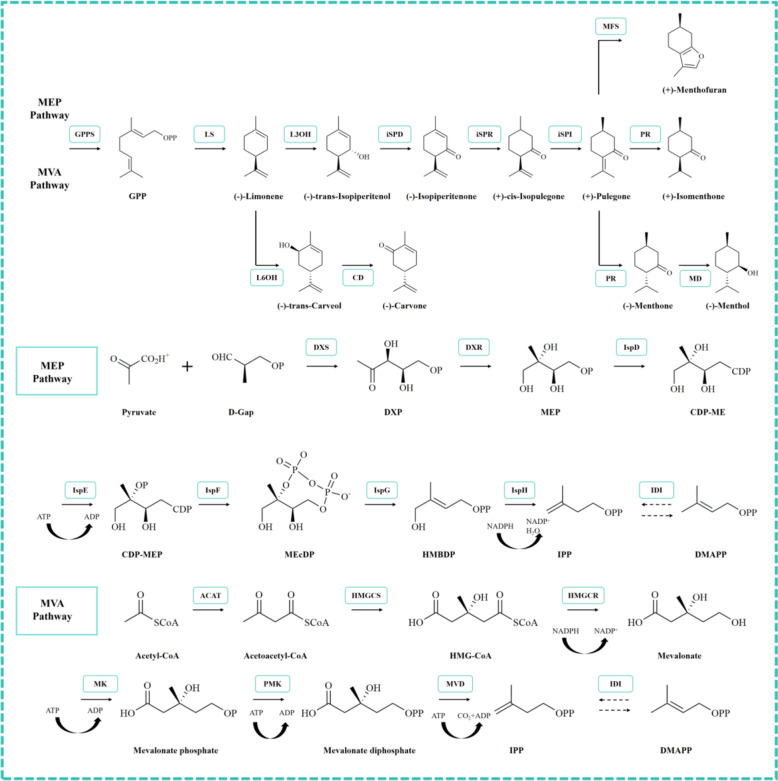
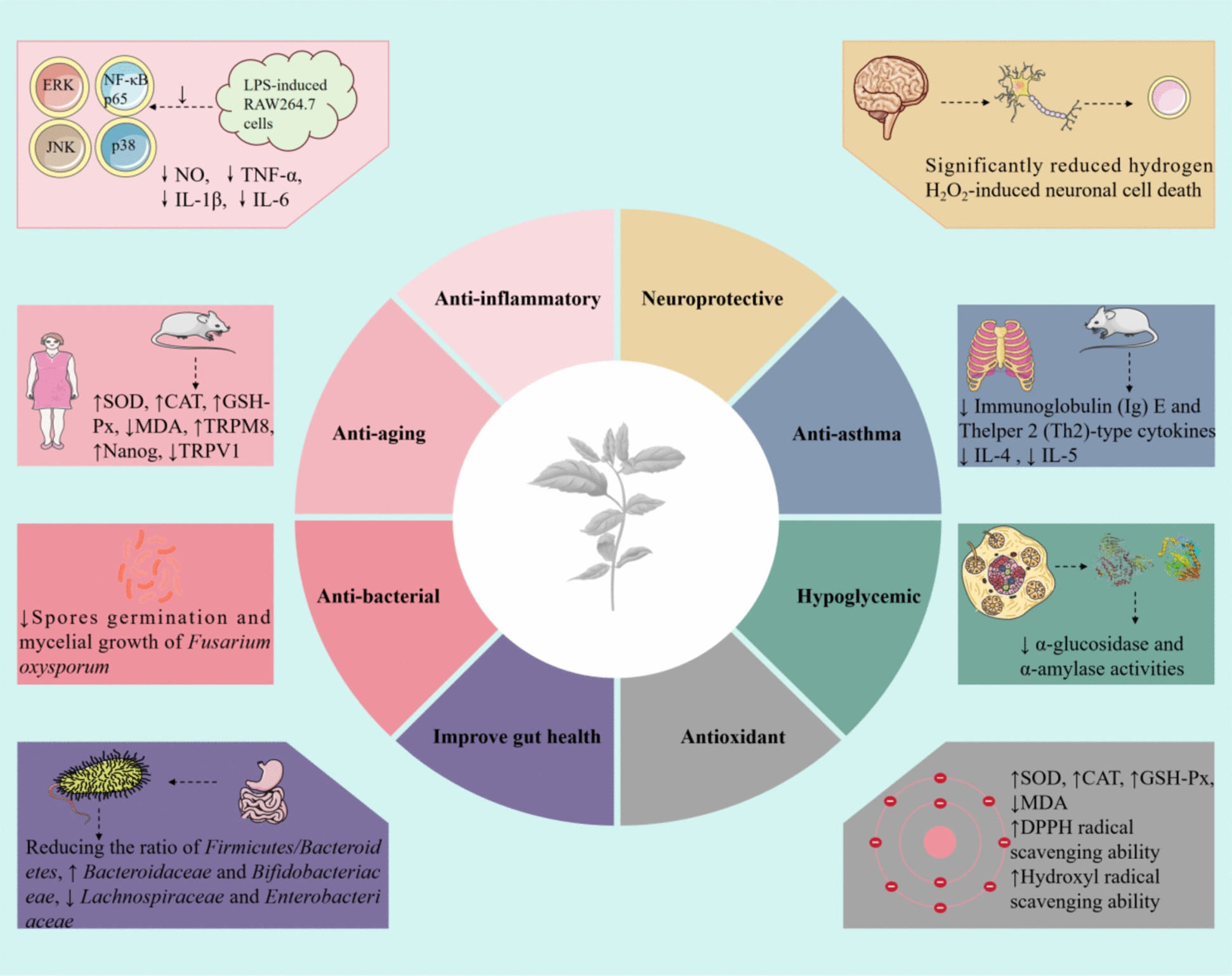
Mentha haplocalyx Briq. (M. haplocalyx), a notable member of the Lamiaceae family, occupies a significant role in the realm of health foods and botanical medicines. Traditionally, it has been employed to address various diseases, including colds, coughs, fever, indigestion, asthma, and influenza. Recent phytochemical investigations have identified the presence of terpenoids, flavonoids, phenolic acids, anthraquinones, alkanes, and polysaccharides in M. haplocalyx, with terpenoids being the primary bioactive constituents. Notably, both in vitro and in vivo studies have demonstrated its diverse health benefits, such as neuroprotective, anti-asthmatic, anti-inflammatory, gut health improvement, hypoglycemic, anti-aging, anti-bacterial, and antioxidant effects. Additionally, M. haplocalyx is a rich source of carbohydrates, dietary fiber, amino acids, minerals, and vitamins, further underscoring its nutritional value. A thorough literature review was conducted using databases like PubMed, Google Scholar, Web of Science, and China National Knowledge Infrastructure (CNKI) to consolidate existing knowledge on M. haplocalyx. This review synthesizes recent advancements in the botany, traditional uses, nutritional value, phytochemistry, health benefits, and research on the edible uses of M. haplocalyx. Furthermore, the commercial potential and future research opportunities for M. haplocalyx are briefly explored, with the goal of fostering continued interest in this multifunctional plant and inspiring future research and commercial endeavors.
薄荷(Mentha haplocalyx Briq.)是唇形科的重要成员,在保健食品和植物药领域占据重要地位。传统上,它被用于治疗各种疾病,包括感冒、咳嗽、发烧、消化不良、哮喘和流感。最近的植物化学研究已确定薄荷中存在萜类化合物、黄酮类化合物、酚酸、蒽醌、烷烃和多糖,其中萜类化合物是主要的生物活性成分。值得注意的是,体外和体内研究均表明其具有多种健康益处,如神经保护、抗哮喘、抗炎、改善肠道健康、降血糖、抗衰老、抗菌和抗氧化作用。此外,薄荷富含碳水化合物、膳食纤维、氨基酸、矿物质和维生素,进一步凸显了其营养价值。利用PubMed、谷歌学术、科学网和中国知网等数据库进行了全面的文献综述,以整合关于薄荷的现有知识。本综述综合了薄荷在植物学、传统用途、营养价值、植物化学、健康益处以及食用用途研究方面的最新进展。此外,还简要探讨了薄荷的商业潜力和未来研究机会,旨在激发对这种多功能植物的持续兴趣,并推动未来的研究和商业活动。