Crock Lara W, Rodgers Rachel, Huck Nolan A, Schriefer Lawrence A, Lawrence Dylan, Wang Leran, Muwanga Gabriella P B, Tawfik Vivianne L, Baldridge Megan T
Department of Anesthesiology and Pain Medicine, Washington University in St. Louis, St. Louis, MO, USA.
Division of Infectious Diseases, Department of Medicine, Edison Family Center for Genome Sciences & Systems Biology, Washington University School of Medicine, St. Louis, MO, USA.
Neurobiol Pain. 2024 Nov 25;16:100173. doi: 10.1016/j.ynpai.2024.100173. eCollection 2024 Jul-Dec.
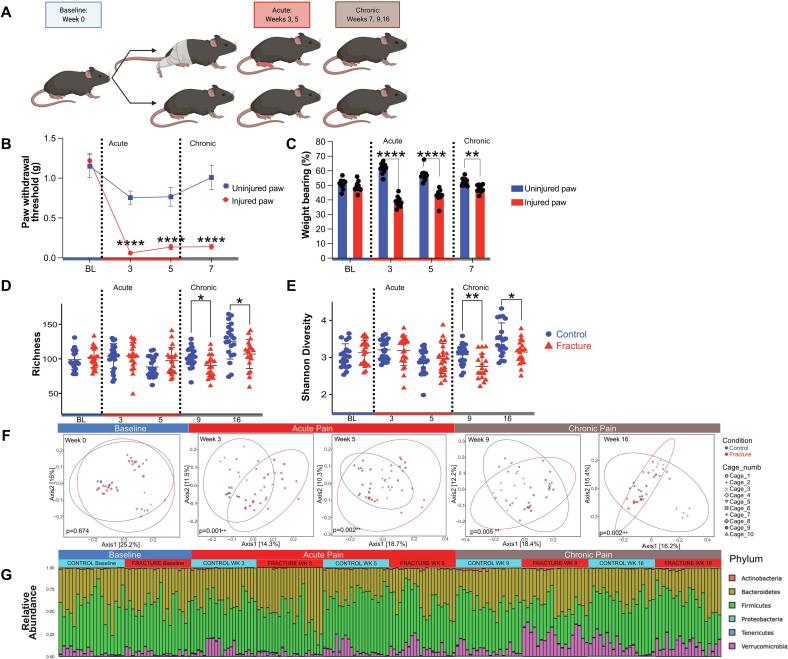
This study aimed to evaluate pain metrics and gut microbiota differences from human subjects with complex regional pain syndrome (CRPS) compared to cohabitants (HHC) and non-cohabitating (biobank) controls. In addition, we aimed evaluate longitudinal changes of gut microbiota using a mouse model of acute and chronic CRPS.
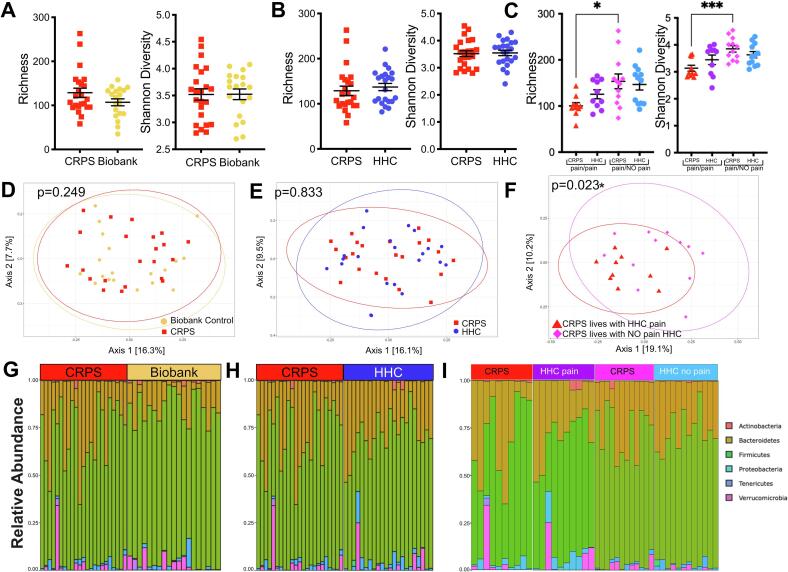
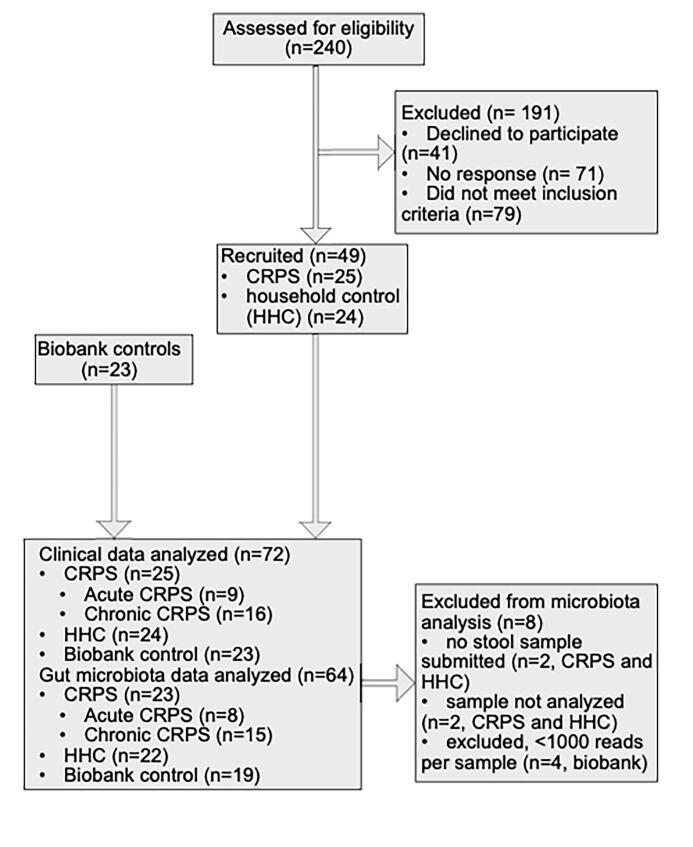
In an observational, cross-sectional study, 25 patients with CRPS and 24 household controls (HHC) were recruited, completed pain questionnaires, and submitted stool samples. 23 biobank stool samples were matched to the CRPS group. Additionally, longitudinal stool samples were collected from a mouse model of acute and chronic CRPS. 16S rRNA gene sequencing analysis was performed on all samples.
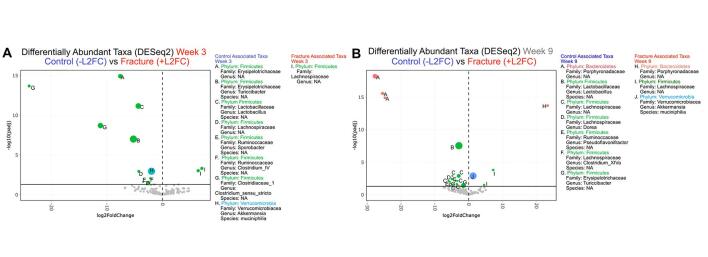
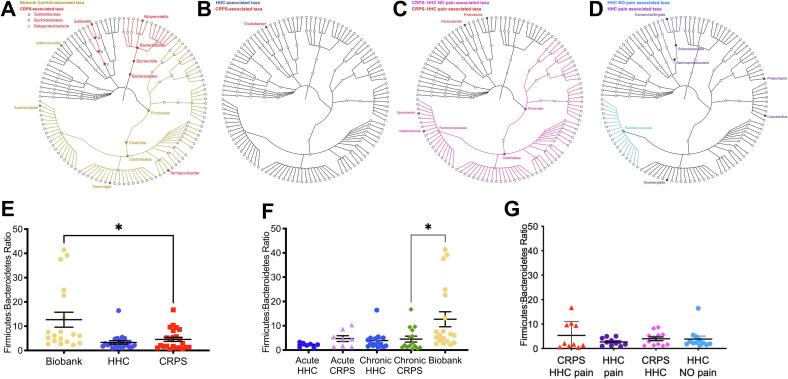
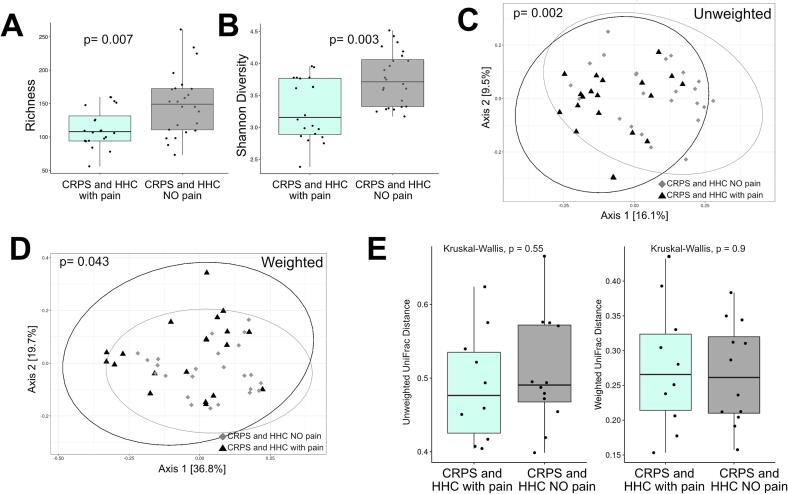
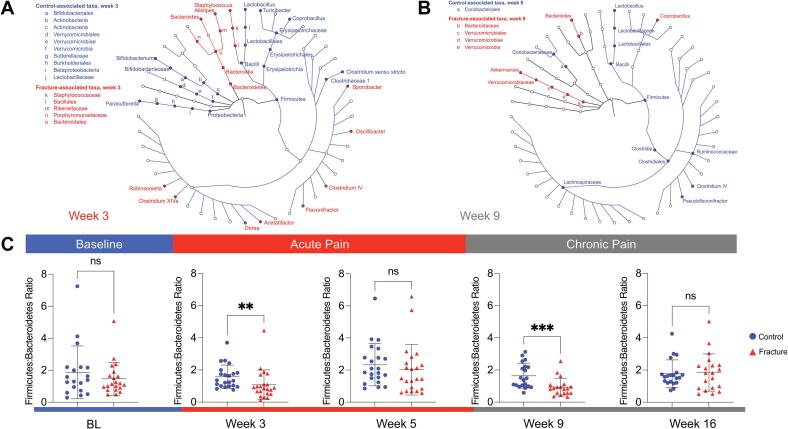
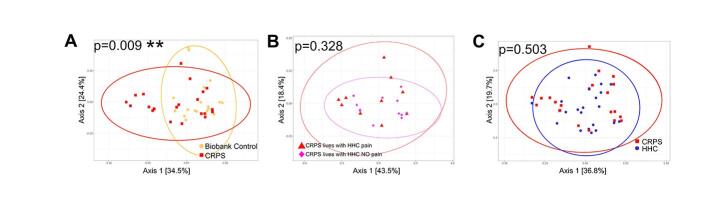
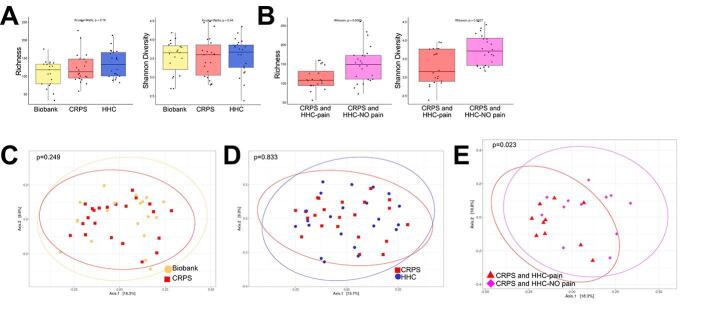
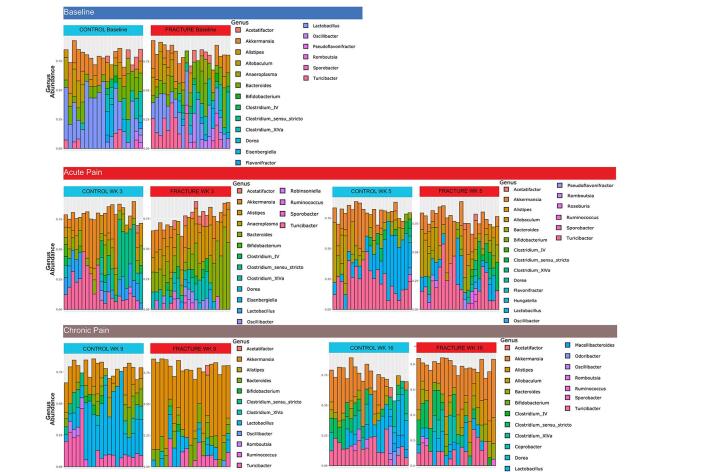
A diagnosis of CRPS is associated with higher pain, increased pain interference, and decreased physical and social function when compared to HHC. Interestingly, 46% of HHC reported significant daily pain. In the households where HHC were also suffering from pain, there was decreased bacterial richness and diversity when compared to households wherein only the participant with CRPS suffered from pain. Furthermore, when comparing households where the HHC had significant pain, CRPS was clinically more severe. In the mouse model of CRPS, we observed decreased bacterial richness and diversity when compared to non-cohabitating littermate controls.
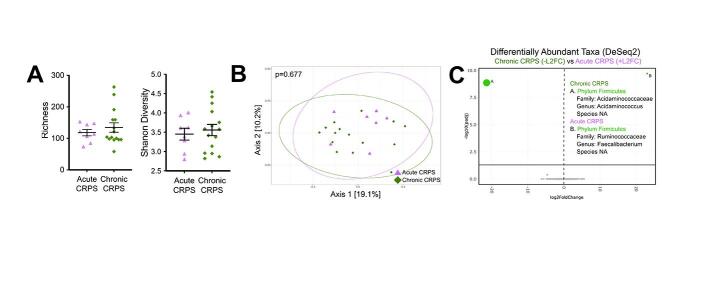
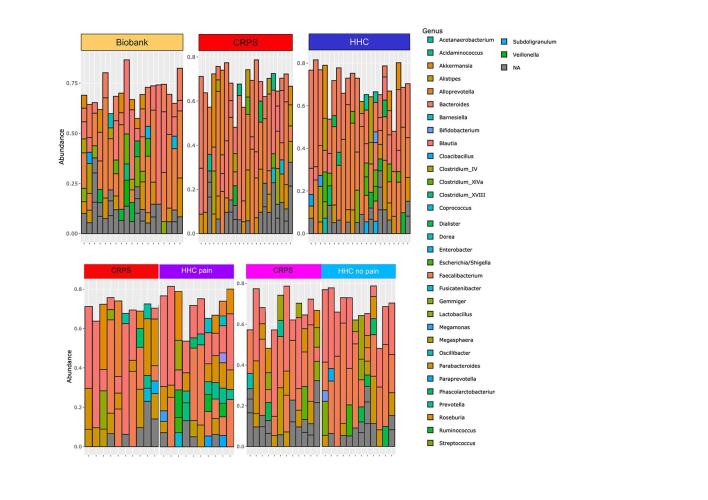
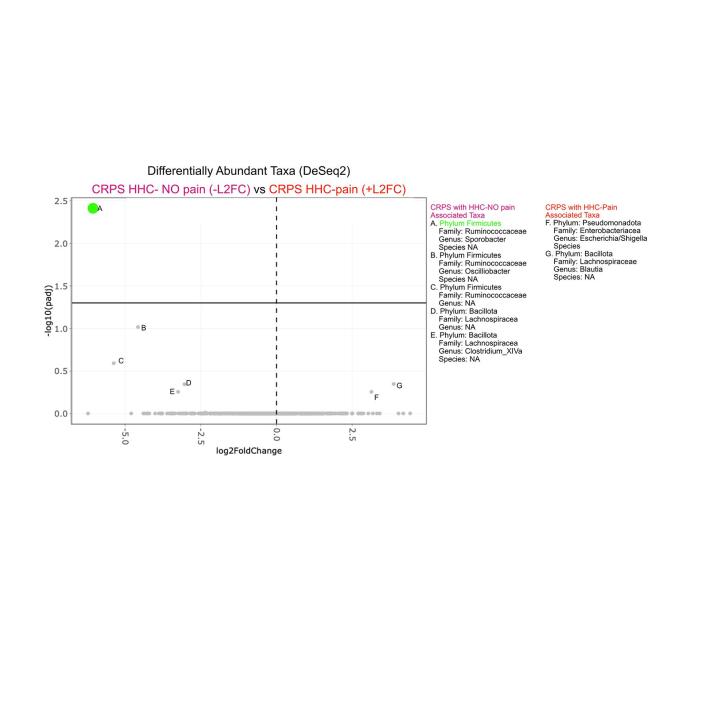
Both humans living in chronic pain households and mice shared distinct taxa over the time course of disease and pain chronicity. These findings suggest that microbiota changes seen in CRPS as well as in a mouse model of CRPS may reflect pain chronicity and may indicate that pain alone can contribute to microbiota dysbiosis. The trial was registered at ClinicalTrials.gov (NCT03612193).
本研究旨在评估与同居者(HHC)和非同居(生物样本库)对照相比,复杂区域疼痛综合征(CRPS)患者的疼痛指标和肠道微生物群差异。此外,我们旨在使用急性和慢性CRPS小鼠模型评估肠道微生物群的纵向变化。
在一项观察性横断面研究中,招募了25名CRPS患者和24名家庭对照(HHC),他们完成了疼痛问卷并提交了粪便样本。将23份生物样本库粪便样本与CRPS组进行匹配。此外,从急性和慢性CRPS小鼠模型中收集纵向粪便样本。对所有样本进行16S rRNA基因测序分析。
与HHC相比,CRPS的诊断与更高的疼痛、增加的疼痛干扰以及身体和社会功能下降相关。有趣的是,46%的HHC报告有明显的日常疼痛。在HHC也患有疼痛的家庭中,与仅CRPS患者患有疼痛的家庭相比,细菌丰富度和多样性降低。此外,当比较HHC有明显疼痛的家庭时,CRPS在临床上更严重。在CRPS小鼠模型中,与非同居的同窝对照相比,我们观察到细菌丰富度和多样性降低。
在疾病和疼痛慢性化的过程中,生活在慢性疼痛家庭中的人类和小鼠都有不同的分类群。这些发现表明,CRPS以及CRPS小鼠模型中所见的微生物群变化可能反映疼痛慢性化,并且可能表明仅疼痛就可导致微生物群失调。该试验已在ClinicalTrials.gov(NCT03612193)注册。