
标题:关于父母对儿童肥胖管理的认知、动机及障碍的定性系统评价
Title: A Qualitative Systematic Review of Parental Perceptions, Motivators, and Barriers to Management of Childhood Obesity.
作者信息
Musa Sarah, Al-Dahshan Ayman, Kehyayan Vahe
机构信息
Department of Preventative Health, Primary Health Care Corporation, Doha, Qatar.
Preventive Medicine Division, Department of Medicine, Hamad Medical Corporation, Doha, Qatar.
出版信息
Diabetes Metab Syndr Obes. 2024 Dec 11;17:4749-4765. doi: 10.2147/DMSO.S490475. eCollection 2024.
BACKGROUND
Childhood obesity is a global epidemic affecting millions worldwide. Children living with obesity face increased risks of health-related and psychosocial problems extending into adulthood. Parents and carers play a crucial role in cultivating healthy habits in their children. This review aims to synthesize qualitative research on parental perceptions, motivators, and barriers in managing childhood obesity and their views on weight management programs.
METHODS
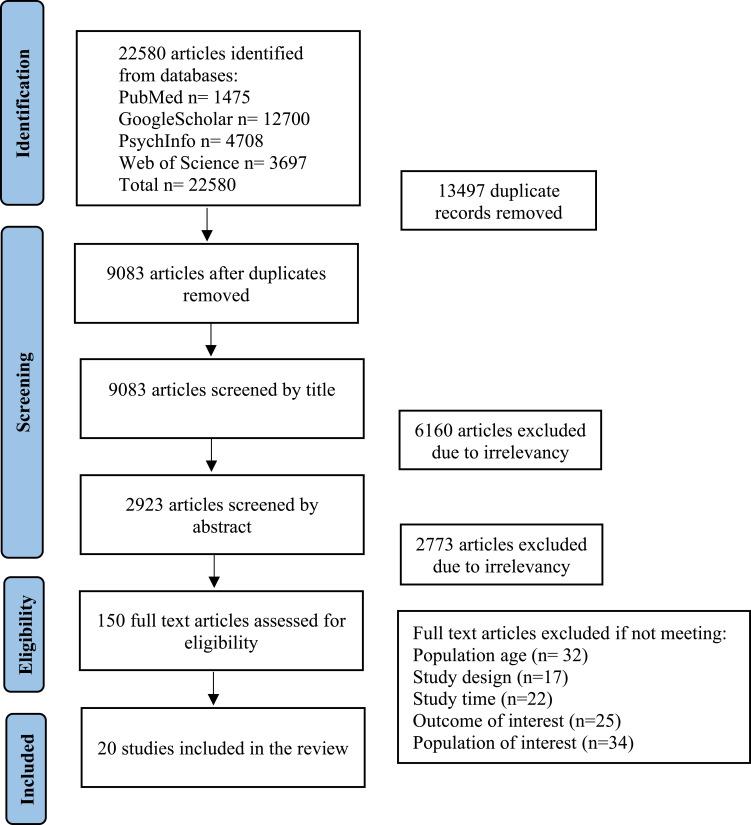
This systematic review was performed in accordance with the guidelines established by the Preferred Reporting Items for Systematic Reviews and Meta-Analyses. A variety of electronic databases were explored for qualitative studies published between 2006 and 2023. The CASP checklist was employed to assess the quality of the studies. Data extraction and synthesis were carried out utilizing thematic content analysis.
RESULTS
The search identified 20 peer-reviewed studies meeting the inclusion criteria. Key themes were mapped into five distinct groups: perceptions, facilitators and barriers influencing the management of childhood obesity, as well as facilitators and barriers to enrolment into a weight management program. Parents often perceived obesity as a temporary condition, genetically determined and believed it should not be considered as a major health concern. Identified facilitators included the restriction of screen time, school involvement, goal setting, and enhanced child-parent communication. Conversely, barriers included lack of child motivation, peer influence, easy access to junk food, as well as parental denial, insufficient knowledge or control and logistical challenges.
CONCLUSION
To tackle childhood obesity, it is essential to adopt a comprehensive strategy that fosters a supportive family environment. Successful initiatives should encompass nutritional education for both parents and children, increase access to healthy food choices, implement home-based programs, and improve the infrastructure that encourages physical activity. Additionally, cultural factors and technological advancements should be considered when designing these interventions.
SYSTEMATIC REVIEW REGISTRATION NUMBER
PROSPERO (CRD42024514219).
背景
儿童肥胖是一种全球流行疾病,影响着全球数百万人。肥胖儿童面临着与健康相关及心理社会问题的风险增加,这些问题会延续至成年期。父母和照顾者在培养孩子的健康习惯方面起着至关重要的作用。本综述旨在综合关于父母对管理儿童肥胖的认知、动机和障碍以及他们对体重管理项目看法的定性研究。
方法
本系统综述按照系统评价和荟萃分析的首选报告项目制定的指南进行。探索了各种电子数据库,以查找2006年至2023年期间发表的定性研究。采用CASP清单评估研究质量。利用主题内容分析进行数据提取和综合。
结果
检索确定了20项符合纳入标准的同行评审研究。关键主题被归纳为五个不同的组:影响儿童肥胖管理的认知、促进因素和障碍,以及参加体重管理项目的促进因素和障碍。父母通常将肥胖视为一种暂时状况,由基因决定,并且认为不应将其视为主要的健康问题。确定的促进因素包括限制屏幕时间、学校参与、设定目标以及加强亲子沟通。相反,障碍包括儿童缺乏动力、同伴影响、容易获得垃圾食品,以及父母否认、知识或控制不足以及后勤挑战。
结论
为解决儿童肥胖问题,必须采取全面战略,营造支持性的家庭环境。成功的举措应包括对父母和孩子的营养教育、增加获得健康食品选择的机会、实施家庭项目,以及改善鼓励体育活动的基础设施。此外,在设计这些干预措施时应考虑文化因素和技术进步。
系统评价注册号
PROSPERO(CRD42024514219)。
 Zotero 插件