Qiao Kaina, Zhao Mingxia, Huang Yan, Liang Li, Zhang Yuyu
Food Laboratory of Zhongyuan · Beijing Technology and Business University, Luohe 462300, China.
Key Laboratory of Geriatric Nutrition and Health, Ministry of Education, Beijing Technology and Business University, Beijing 100048, China.
Foods. 2024 Nov 22;13(23):3747. doi: 10.3390/foods13233747.
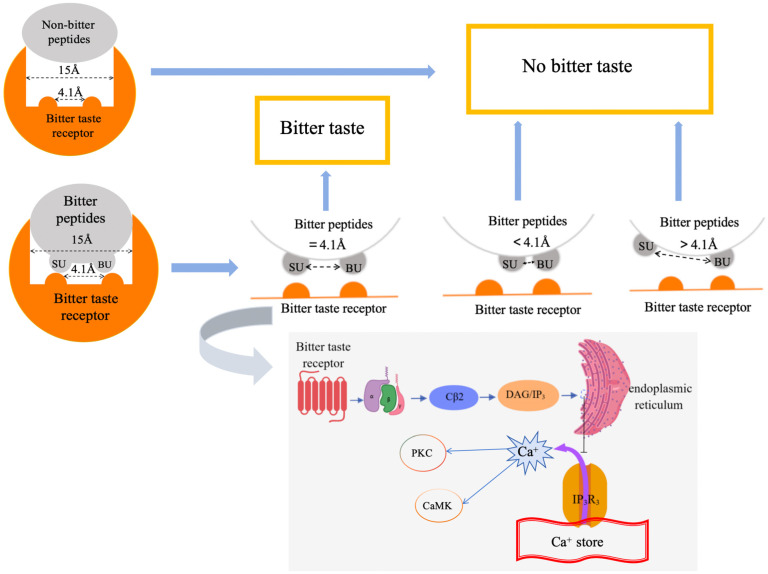
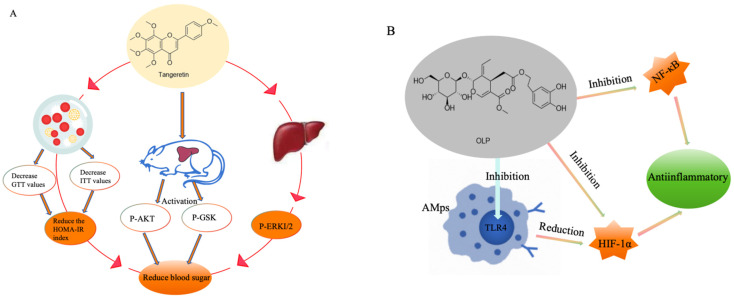
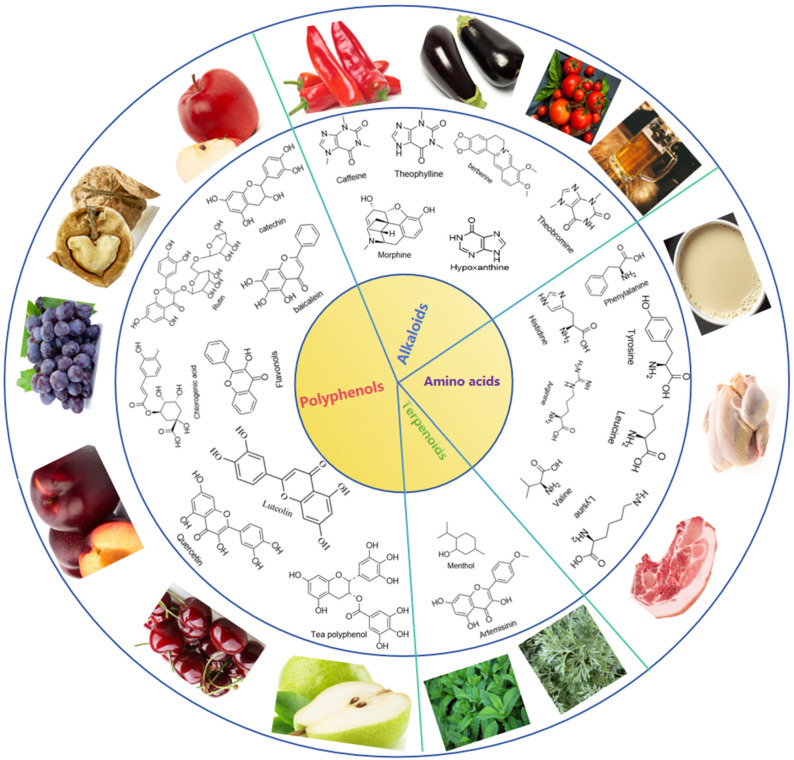
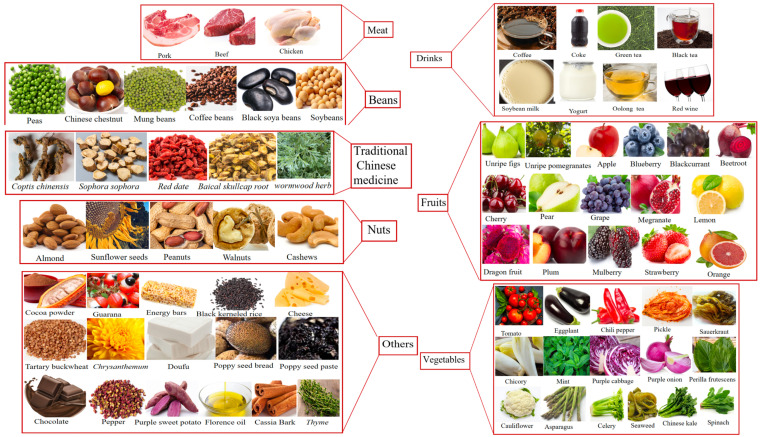
Bitter food, because of its unique taste, is not popular with the public, and is even considered to be difficult to swallow. By binding to specific sites of bitter receptors (26 hTAS2Rs), bitter compounds activate the downstream signaling pathways mediated by G protein, which convert chemical signals into electrical signals that are ultimately transmitted to the brain to produce the bitter perception. The intensity of bitterness is mainly determined by the hydrophobic recognition region of bitter receptors. The bitter compounds in foods mainly include alkaloids, polyphenols, terpenoids, amino acids, etc. Foods rich in bitter taste are mostly natural such as beans, nuts, and coffee, etc. Studies have proven that bitter foods have biological activities such as preventing hyperlipidemia, hypertension, hyperglycemia, anti-inflammatory, antitumor, antibacterial, antioxidant, and exhibit neuroprotective effects and other biological activities. The purpose of this review is to explore the bitter perception and the biological activity of bitter compounds, clarify the mechanism of their action on human health, and provide theoretical guidance for the development and application of functional foods.
苦味食物因其独特的味道而不受大众欢迎,甚至被认为难以下咽。苦味化合物通过与苦味受体(26种人类味觉感受器2型,hTAS2Rs)的特定位点结合,激活由G蛋白介导的下游信号通路,将化学信号转化为电信号,最终传递至大脑产生苦味感知。苦味的强度主要由苦味受体的疏水识别区域决定。食物中的苦味化合物主要包括生物碱、多酚、萜类、氨基酸等。富含苦味的食物大多是天然的,如豆类、坚果和咖啡等。研究证明,苦味食物具有预防高脂血症、高血压、高血糖、抗炎、抗肿瘤、抗菌、抗氧化等生物活性,并具有神经保护作用等其他生物活性。本综述的目的是探讨苦味感知和苦味化合物的生物活性,阐明其对人体健康的作用机制,为功能性食品的开发和应用提供理论指导。