Seo Chae-Ryeong, Lee Bo Kyung, Jee Hye Jin, Yoo Jae Ryeong, Lee Chul-Kyu, Park Jin Wook, Jung Yi-Sook
Department of Pharmacy, Ajou University, Suwon 16499, Republic of Korea.
Headquarters of New Drug Development Support, Corestemchemon Inc., 15 F, Gyeonggi Bio Center, Suwon 16229, Republic of Korea.
Nutrients. 2024 Dec 6;16(23):4224. doi: 10.3390/nu16234224.
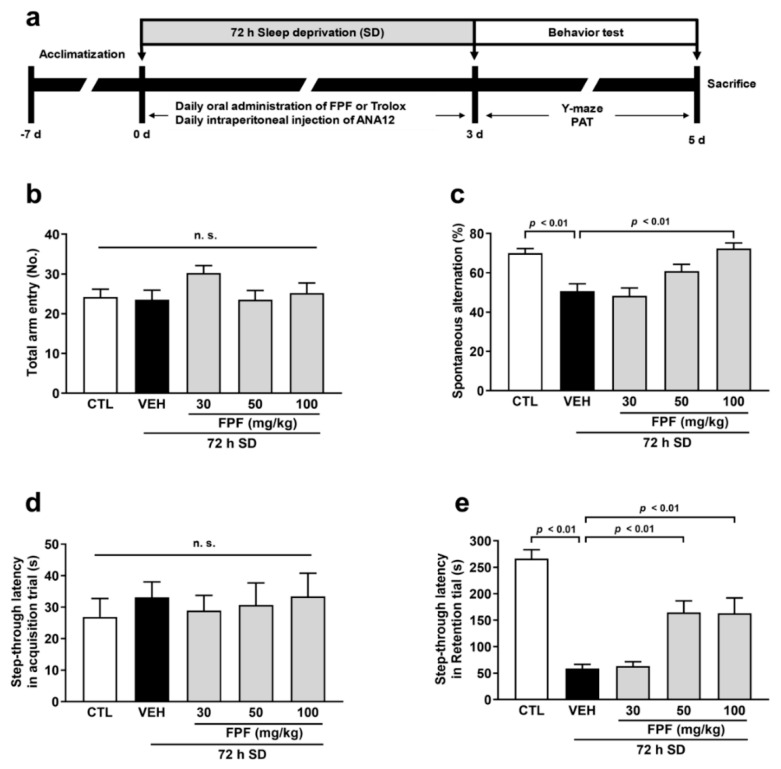
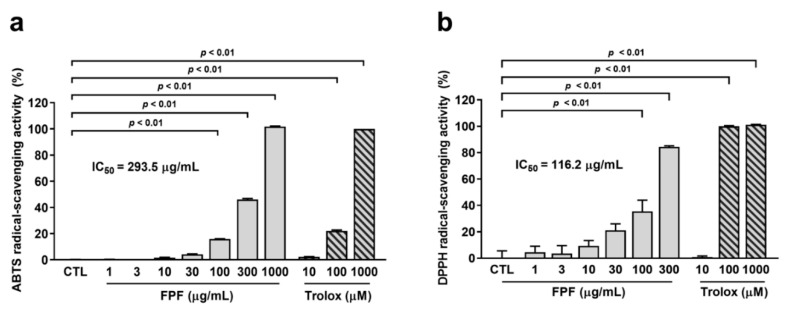
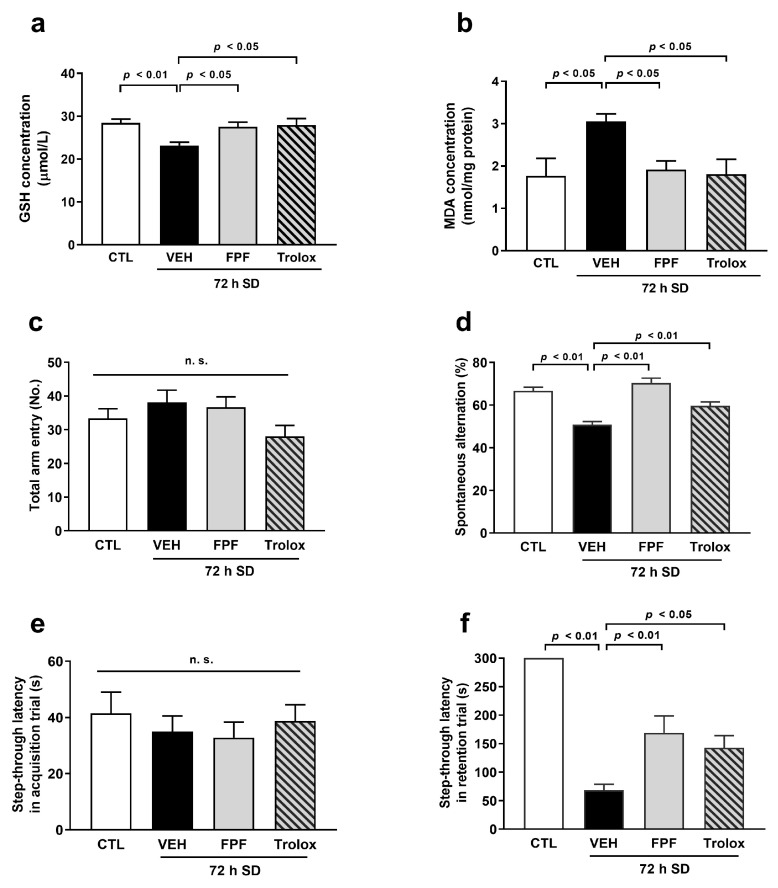
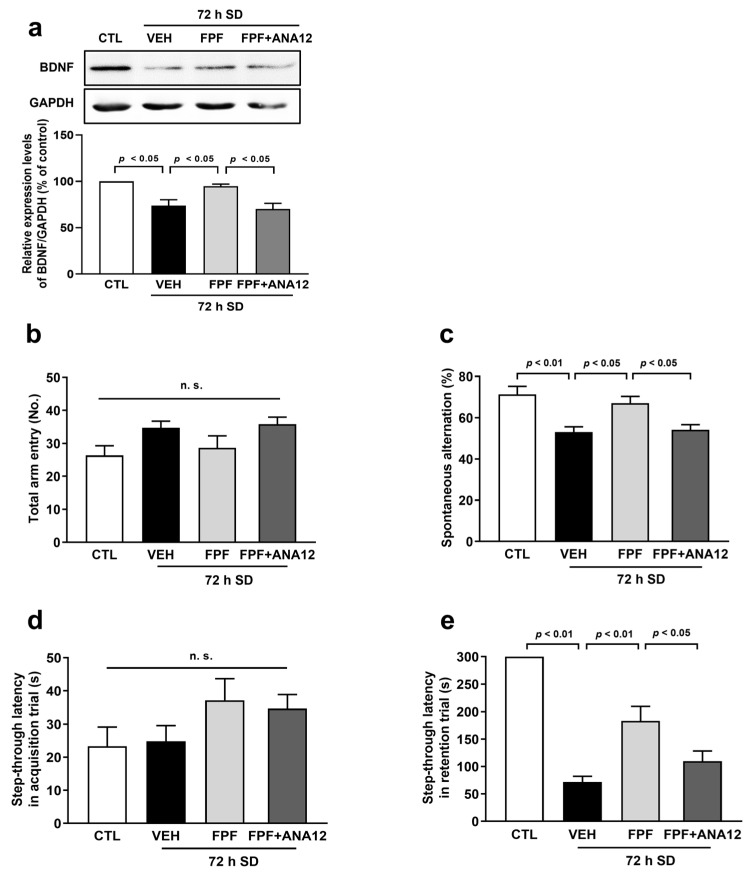
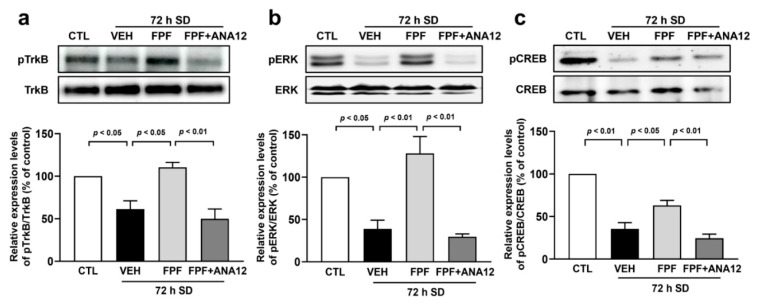
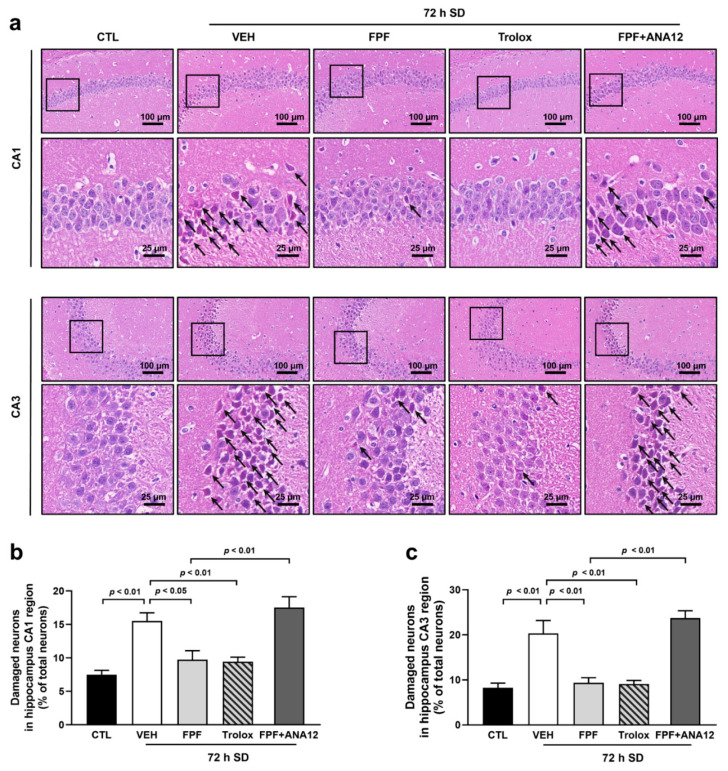
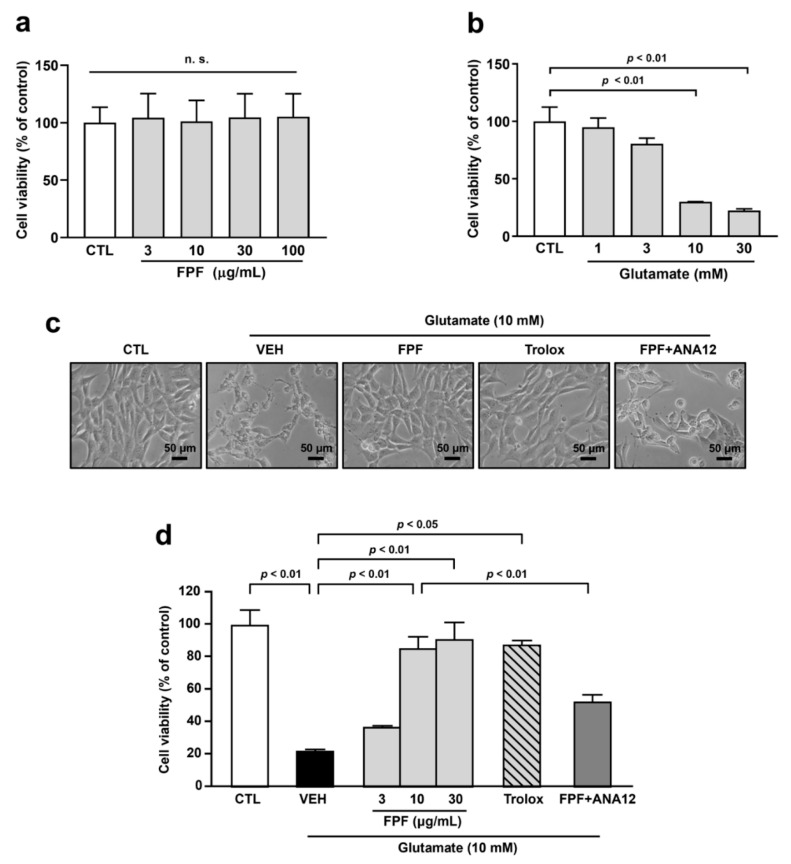
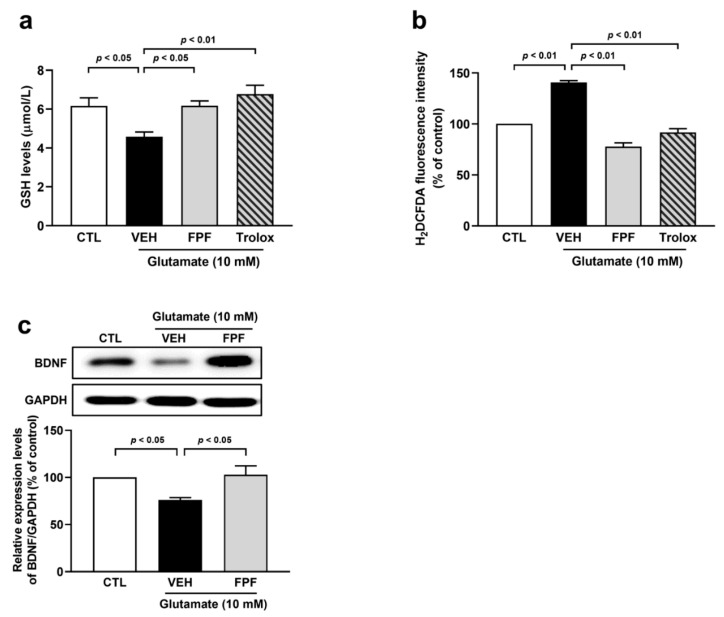
Adequate sleep is essential for maintaining cognitive function, as evidenced by literature. var. (PF) is a traditional medicinal herb reported to improve vascular cognitive impairment and induce sedation. However, the effects of PF on cognitive impairment caused by sleep deprivation (SD) have not yet been evaluated. This study aims to evaluate the effects of fermented PF (FPF) and its underlying mechanisms in a model of SD-induced cognitive impairment. Mice were subjected to SD to establish cognitive impairment, and FPF was administered once daily for 3 days. Cognitive performance was assessed using Y-maze and passive avoidance tests, followed by molecular mechanisms analyses. FPF treatment improved SD-induced cognitive impairment, as evidenced by increased spontaneous alternation and extended latency time. Histological analysis revealed that SD impaired the hippocampus, and this impairment was alleviated by FPF treatment. FPF demonstrated antioxidant activity by increasing glutathione levels and decreasing malondialdehyde levels. Furthermore, the decreased levels of brain-derived neurotrophic factor (BDNF) observed in sleep-deprived mice were restored with FPF treatment. FPF also enhanced the phosphorylation of tropomyosin receptor kinase B, extracellular signal-regulated kinase, and cAMP response element-binding protein. These results indicate that FPF may have beneficial effects on SD-induced cognitive impairment by protecting against oxidative stress and increasing BDNF expression.
充足的睡眠对于维持认知功能至关重要,文献已有证明。(PF)是一种传统草药,据报道可改善血管性认知障碍并诱导镇静作用。然而,PF对睡眠剥夺(SD)引起的认知障碍的影响尚未得到评估。本研究旨在评估发酵PF(FPF)在SD诱导的认知障碍模型中的作用及其潜在机制。将小鼠进行睡眠剥夺以建立认知障碍模型,并连续3天每天给予一次FPF。使用Y迷宫和被动回避试验评估认知表现,随后进行分子机制分析。FPF治疗改善了SD诱导的认知障碍,表现为自发交替增加和潜伏期延长。组织学分析显示,SD损害了海马体,而FPF治疗减轻了这种损害。FPF通过增加谷胱甘肽水平和降低丙二醛水平表现出抗氧化活性。此外,FPF治疗恢复了睡眠剥夺小鼠中观察到的脑源性神经营养因子(BDNF)水平的降低。FPF还增强了原肌球蛋白受体激酶B、细胞外信号调节激酶和cAMP反应元件结合蛋白的磷酸化。这些结果表明,FPF可能通过抵御氧化应激和增加BDNF表达对SD诱导的认知障碍产生有益影响。