Alaraby Mohamed, Abass Doaa, Gutiérrez Javier, Velázquez Antonia, Hernández Alba, Marcos Ricard
Group of Mutagenesis, Department of Genetics and Microbiology, Faculty of Biosciences, Universitat Autònoma de Barcelona, Campus of Bellaterra, 08193 Cerdanyola del Vallès, Spain.
Zoology Department, Faculty of Science, Sohag University, Sohag 82524, Egypt.
Molecules. 2024 Dec 9;29(23):5802. doi: 10.3390/molecules29235802.
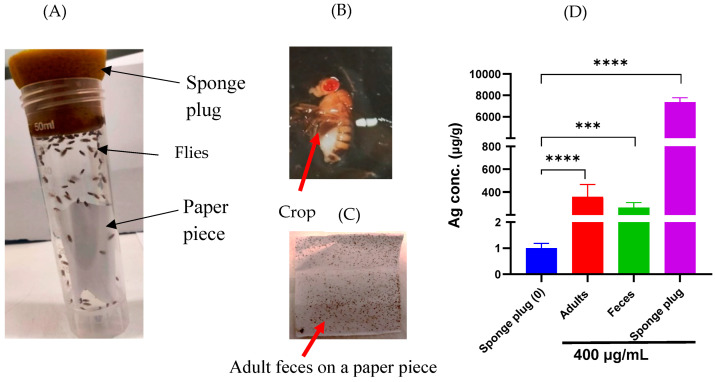
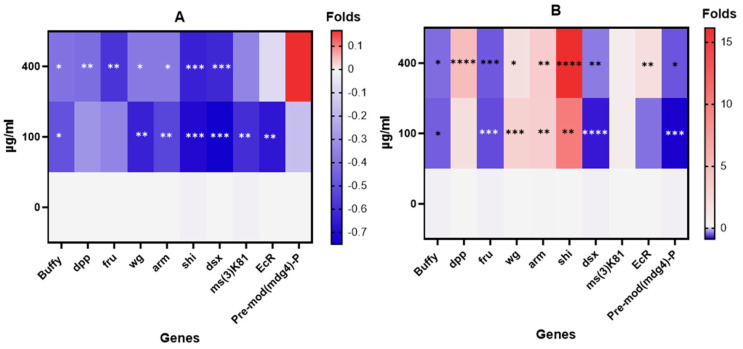
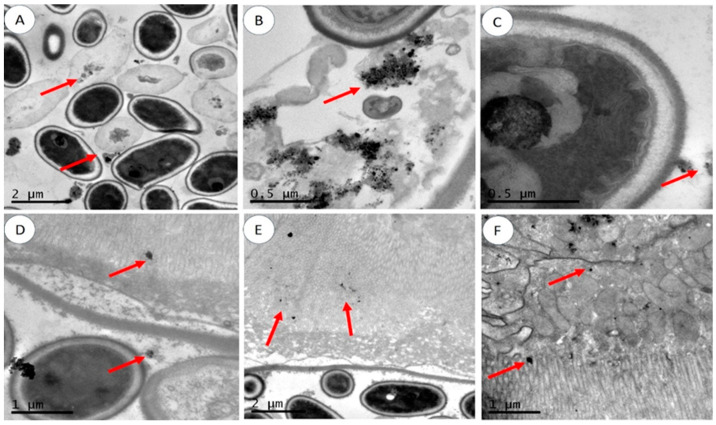
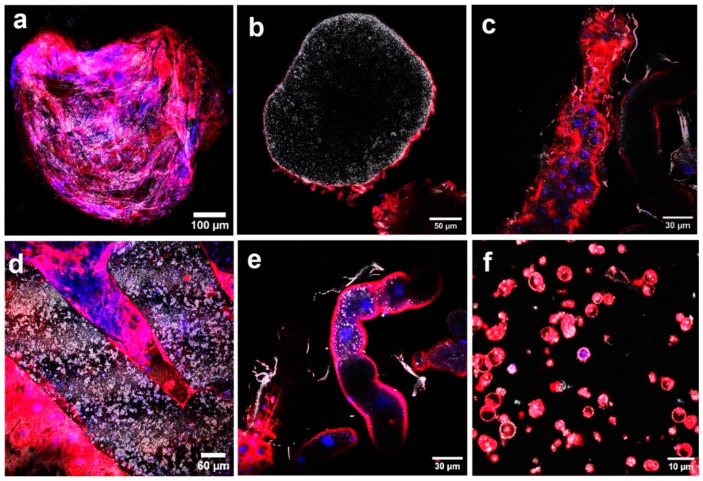
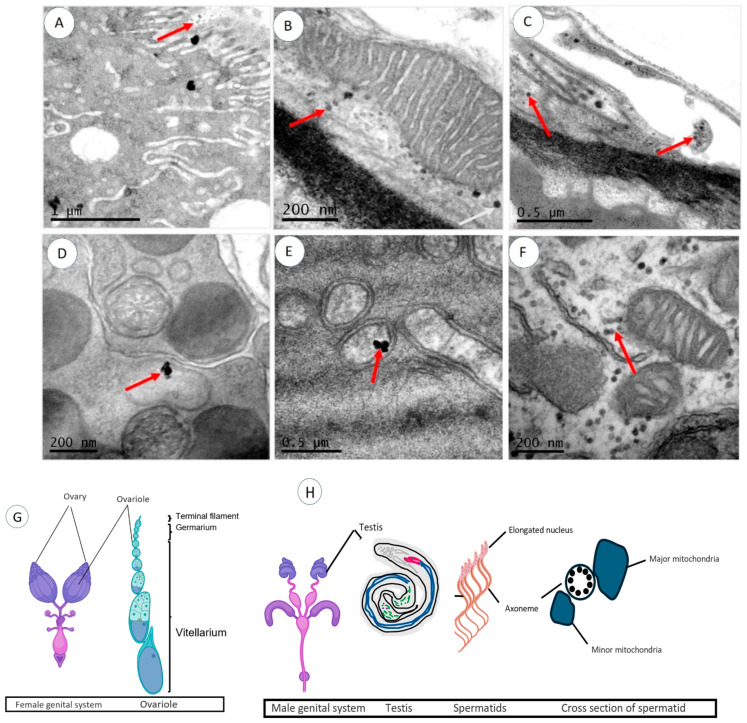
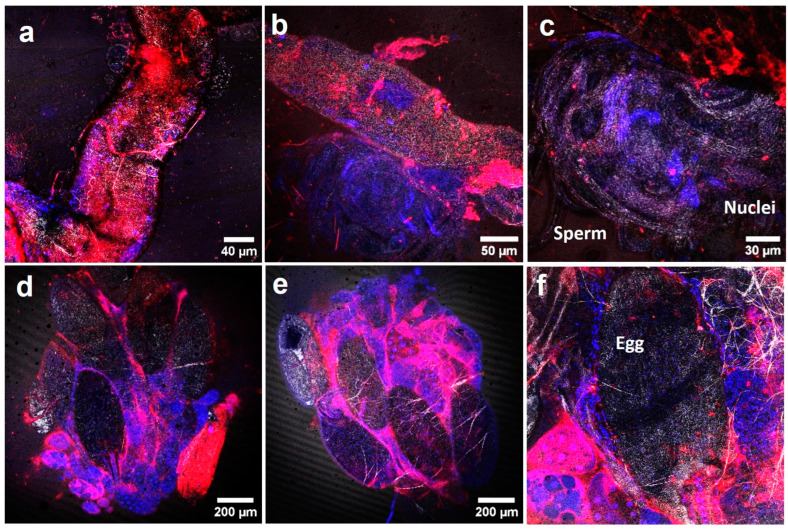
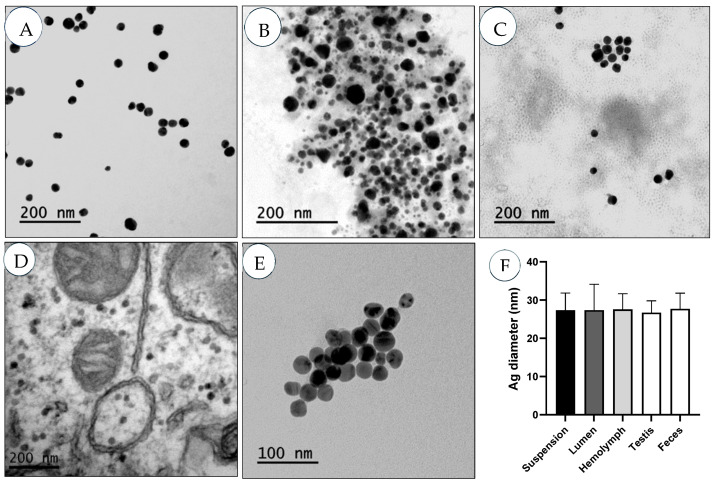
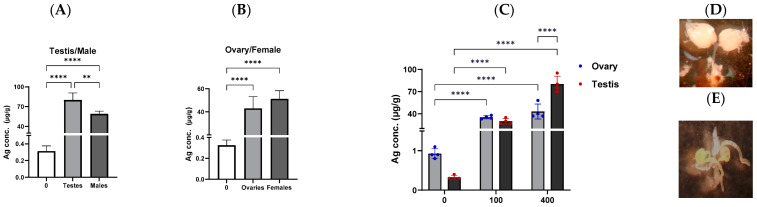
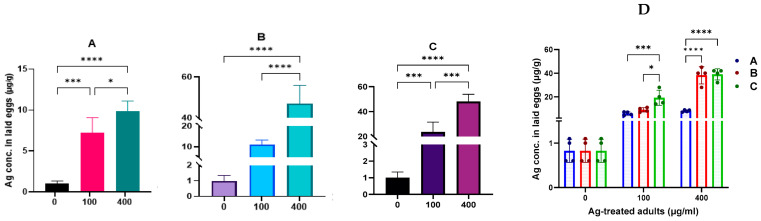
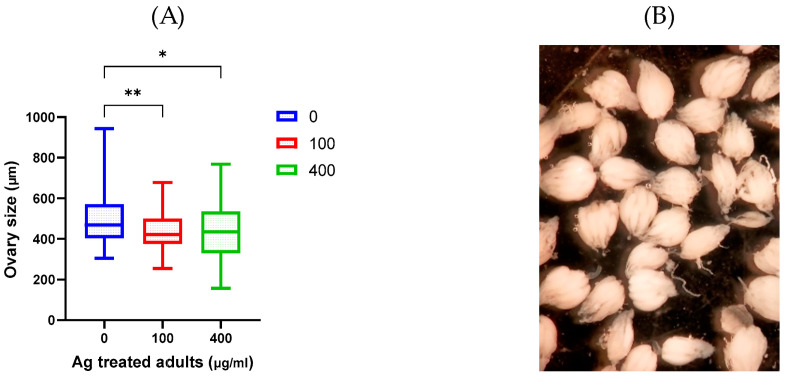
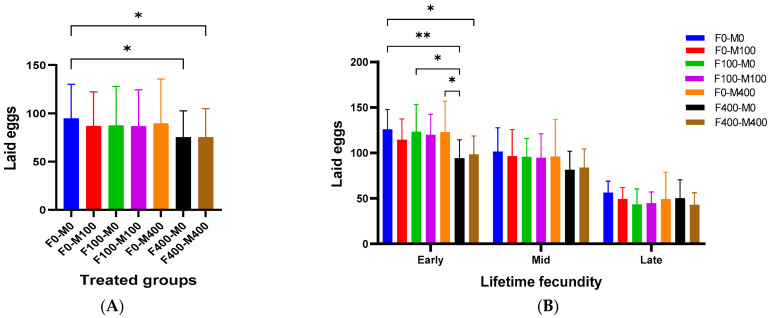
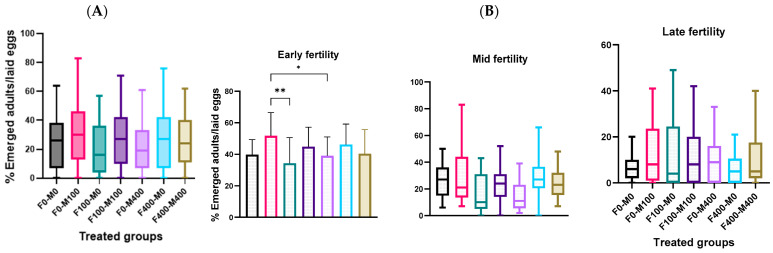
Reproductive toxicity is of special concern among the harmful effects induced by environmental pollutants; consequently, further studies on such a topic are required. To avoid the use of mammalians, lower eukaryotes like are viable alternatives. This study addresses the gap in understanding the link between reproductive adverse outcomes and the presence of pollutants in reproductive organs by using Silver nanoparticles (AgNPs) were selected for their ease of internalization, detection, and widespread environmental presence. Both male and female flies were exposed to AgNPs (28 ± 4 nm, 100 and 400 µg/mL) for one week. Internalization and bioaccumulation of AgNPs in organs were assessed using transmission electron microscopy, confocal microscopy, and inductively coupled plasma mass spectrometry. Substantial accumulation of AgNPs in the gastrointestinal tract, Malpighian tubules, hemolymph, reproductive organs (ovaries and testes), and gametes were observed. The highest AgNP content was observed in testes. Exposure to AgNPs reduced ovary size and fecundity, though fertility and gender ratios of the offspring were unaffected. Significant deregulation of reproductive-related genes was observed, particularly in males. These findings underscore the utility of as a model for evaluating reproductive hazards posed by AgNP exposure. The ease of AgNP internalization in reproductive targets could be extrapolated to mammalians, raising concerns about the potential impacts of nanoparticle exposure on reproduction toxicity in humans.
生殖毒性是环境污染物所导致的有害影响中特别值得关注的问题;因此,需要对这一主题进行进一步研究。为避免使用哺乳动物,像[此处原文缺失具体物种名称]这样的低等真核生物是可行的替代选择。本研究通过使用[此处原文缺失具体物质名称]填补了在理解生殖不良后果与生殖器官中污染物存在之间联系方面的空白。选择银纳米颗粒(AgNPs)是因为它们易于内化、检测且在环境中广泛存在。雄性和雌性果蝇均暴露于AgNPs(28±4纳米,100和400微克/毫升)中一周。使用透射电子显微镜、共聚焦显微镜和电感耦合等离子体质谱法评估AgNPs在器官中的内化和生物积累情况。观察到AgNPs在胃肠道、马氏管、血淋巴、生殖器官(卵巢和睾丸)以及配子中有大量积累。在睾丸中观察到最高的AgNP含量。暴露于AgNPs会使卵巢大小和繁殖力降低,不过后代的生育力和性别比例未受影响。观察到与生殖相关基因有显著失调,尤其是在雄性中。这些发现强调了[此处原文缺失具体物种名称]作为评估AgNP暴露所造成生殖危害模型的实用性。AgNP在[此处原文缺失具体物种名称]生殖靶标中的易于内化情况可能外推至哺乳动物,这引发了对纳米颗粒暴露对人类生殖毒性潜在影响的担忧。