Drymel Bernadeta, Tomela Katarzyna, Galus Łukasz, Olejnik-Schmidt Agnieszka, Mackiewicz Jacek, Kaczmarek Mariusz, Mackiewicz Andrzej, Schmidt Marcin
Department of Biotechnology and Food Microbiology, Poznań University of Life Sciences, 60-627 Poznań, Poland.
Department of Cancer Immunology, Poznań University of Medical Sciences, 61-866 Poznań, Poland.
Int J Mol Sci. 2024 Dec 3;25(23):12982. doi: 10.3390/ijms252312982.
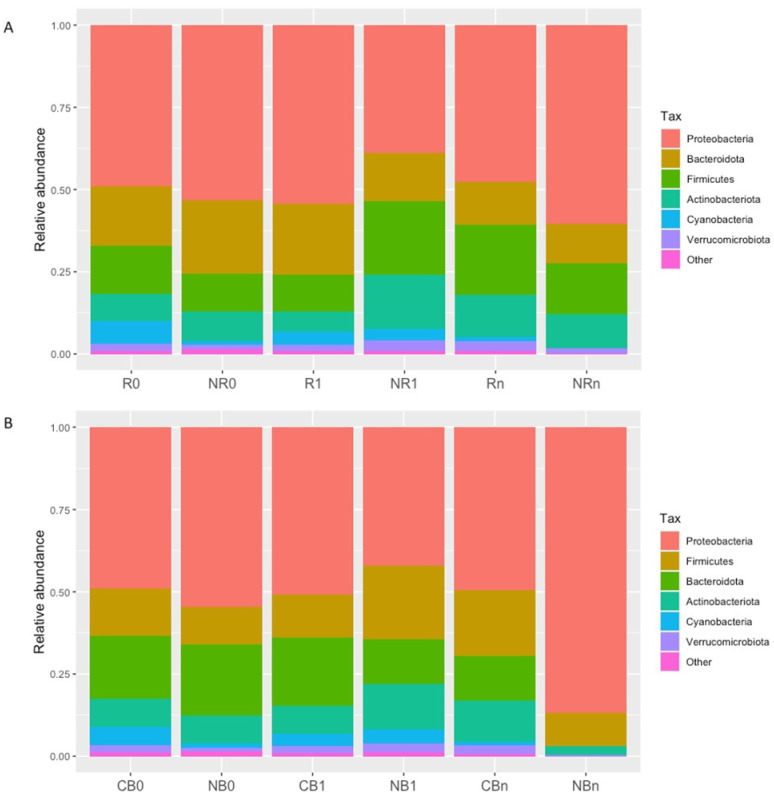
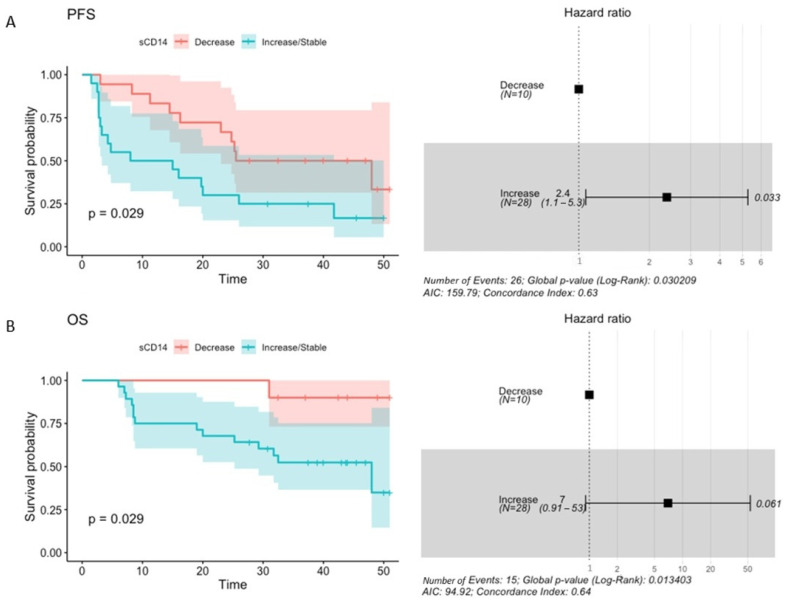
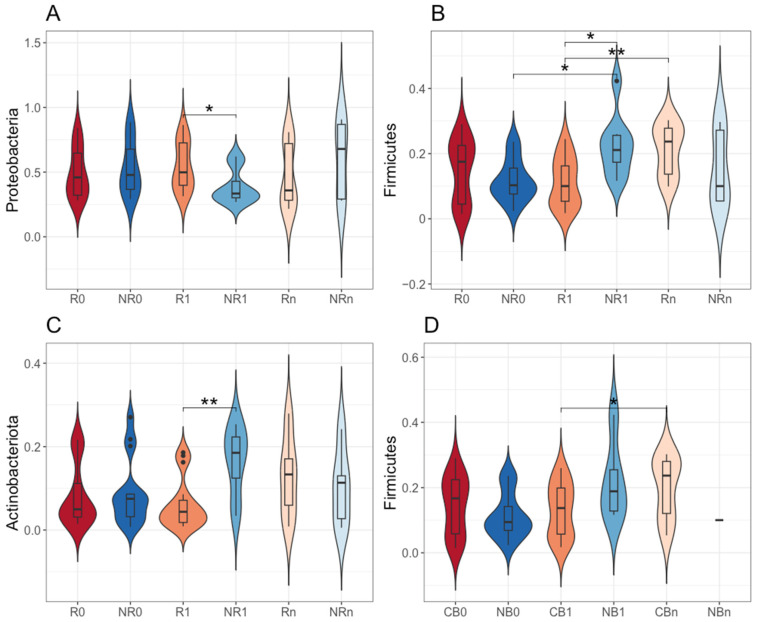
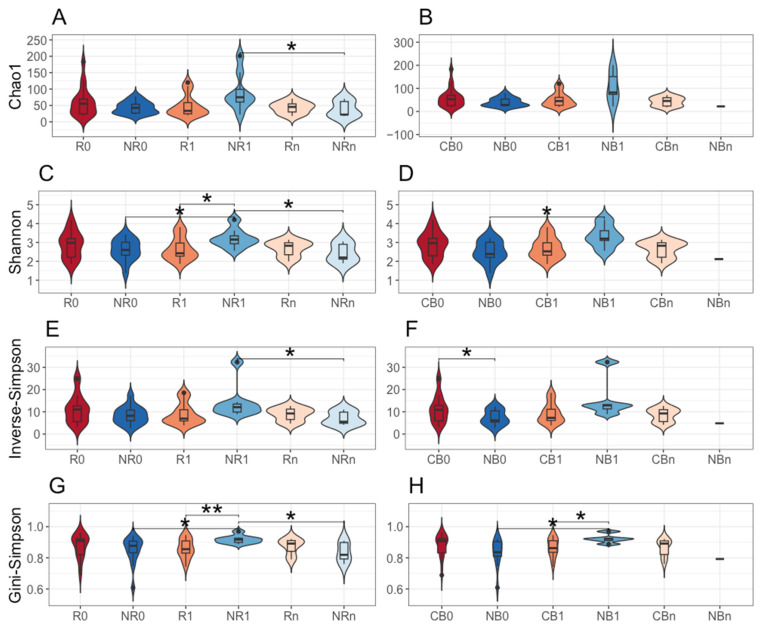
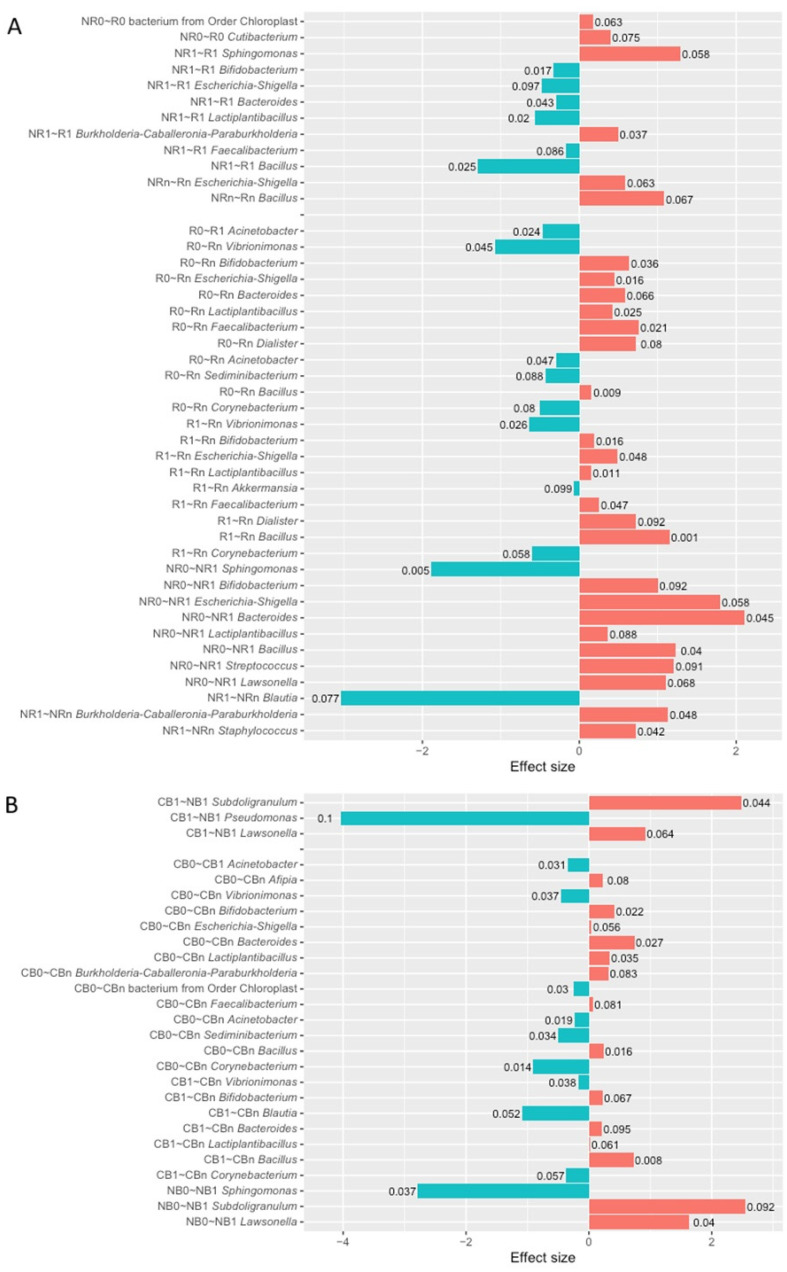
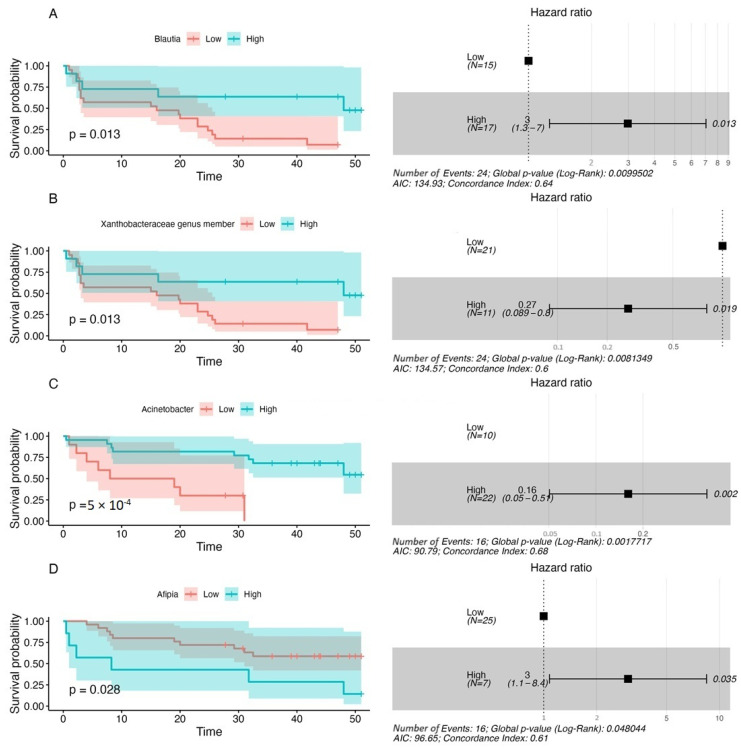
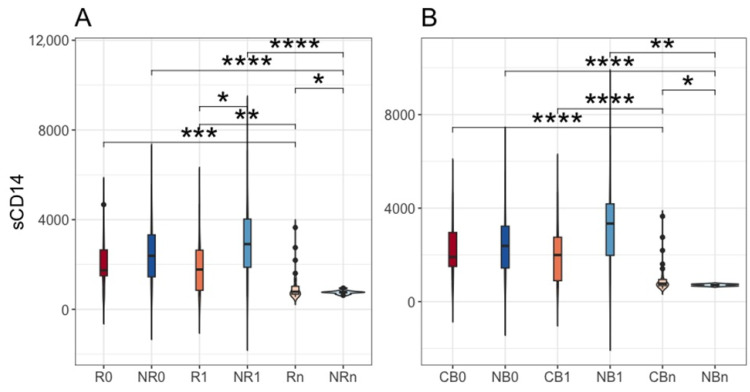
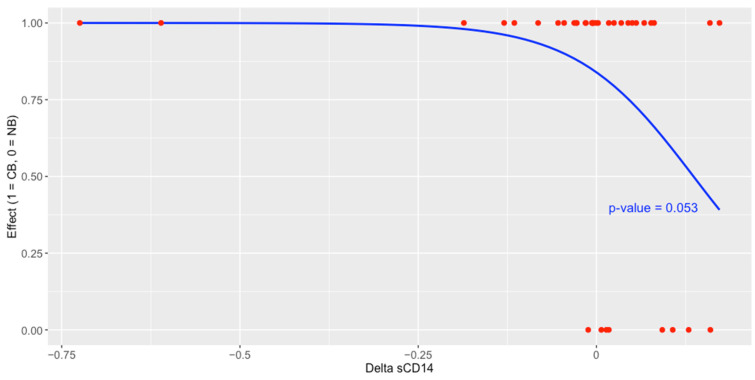
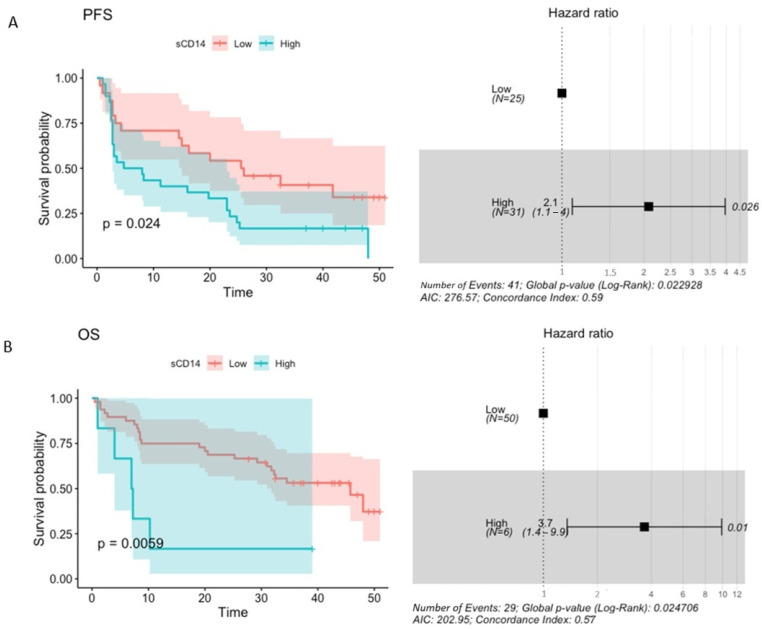
An accumulating number of studies suggest the potential of circulating cell-free microbial DNA (cfmDNA) as a non-invasive biomarker in various diseases, including cancers. However, its value in the prediction or prognosis of clinical outcomes of immune checkpoint inhibitors (ICIs) is poorly explored. The circulating cfmDNA pool may also reflect the translocation of various microbial ligands to the circulatory system and may be associated with the increased release of soluble CD14 (sCD14) by myeloid cells. In the present study, blood samples were collected from advanced melanoma patients ( = 66) before and during the anti-PD-1 therapy (approximately 3 and 12 months after the start). Then, V3-V4 16S rRNA gene sequencing was performed to analyze the circulating cfmDNA extracted from plasma samples. Moreover, the concentration of plasma sCD14 was measured using ELISA. As a result, the differences in the circulating cfmDNA profiles were found between patients with favorable and unfavorable clinical outcomes of the anti-PD-1 and baseline signatures correlated with progression-free survival and overall survival. Moreover, there was a higher concentration of plasma sCD14 in patients with unfavorable clinical outcomes. High baseline sCD14 level and its increase during the therapy prognosticated worse survival outcomes. Taken together, this preliminary study indicates the potential of circulating cfmDNA signatures and plasma sCD14 levels as biomarkers of clinical outcomes of ICIs.
越来越多的研究表明,循环游离微生物DNA(cfmDNA)作为包括癌症在内的各种疾病的非侵入性生物标志物具有潜力。然而,其在免疫检查点抑制剂(ICI)临床结果预测或预后方面的价值尚未得到充分探索。循环cfmDNA库也可能反映各种微生物配体向循环系统的转移,并且可能与髓样细胞可溶性CD14(sCD14)释放增加有关。在本研究中,收集了晚期黑色素瘤患者(n = 66)在抗PD-1治疗前及治疗期间(开始后约3个月和12个月)的血样。然后,进行V3-V4 16S rRNA基因测序,以分析从血浆样本中提取的循环cfmDNA。此外,使用ELISA测量血浆sCD14的浓度。结果发现,抗PD-1治疗临床结果良好和不良的患者之间循环cfmDNA谱存在差异,且基线特征与无进展生存期和总生存期相关。此外,临床结果不良的患者血浆sCD14浓度较高。基线sCD14水平高及其在治疗期间升高预示生存结果较差。综上所述,这项初步研究表明,循环cfmDNA特征和血浆sCD14水平作为ICI临床结果生物标志物的潜力。