Yue Fengli, Sha Zhuo, Sun Hongyun, Liu Huan, Chen Dayong, Liu Jinsong, Chen Chuanlai
Automotive and Transportation College, Shenyang Ligong University, Shenyang 110159, China.
Shi Changxu Materials Innovation Center, Institute of Metal Research, Chinese Academy of Sciences, Shenyang 110016, China.
Materials (Basel). 2024 Nov 21;17(23):5685. doi: 10.3390/ma17235685.
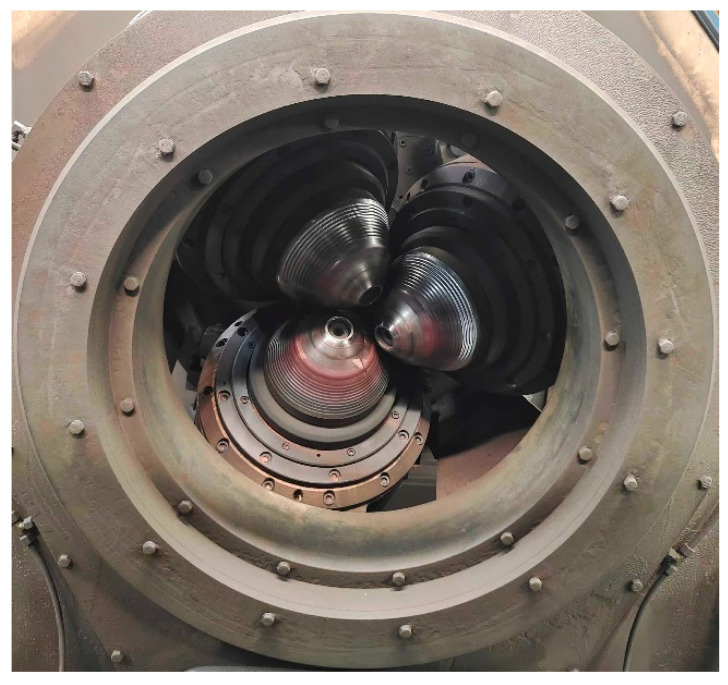
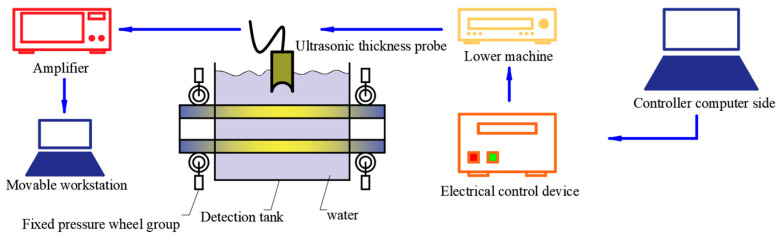
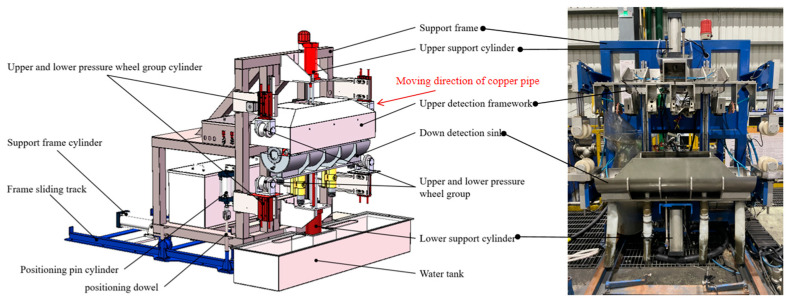
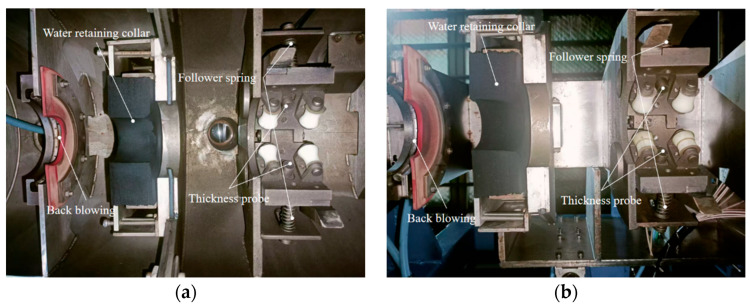
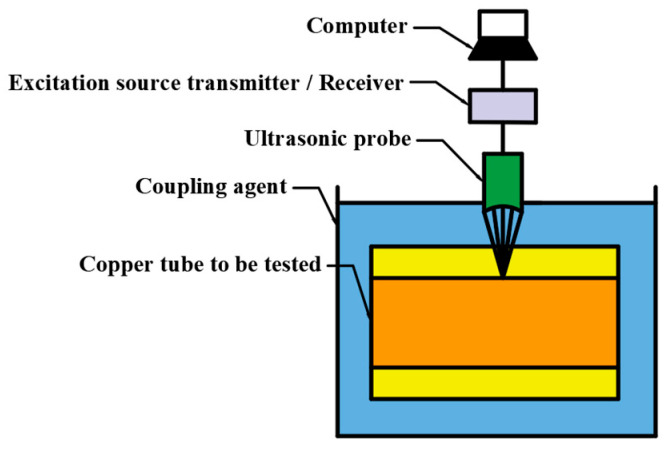
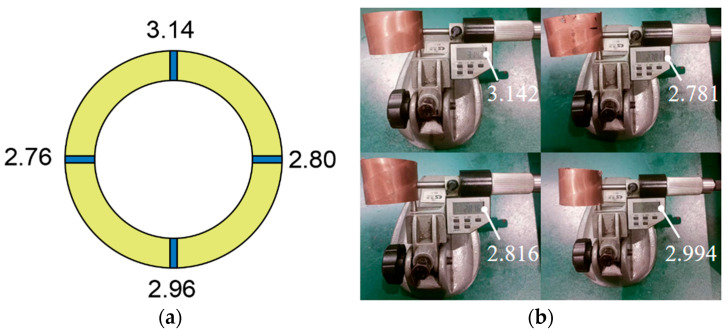
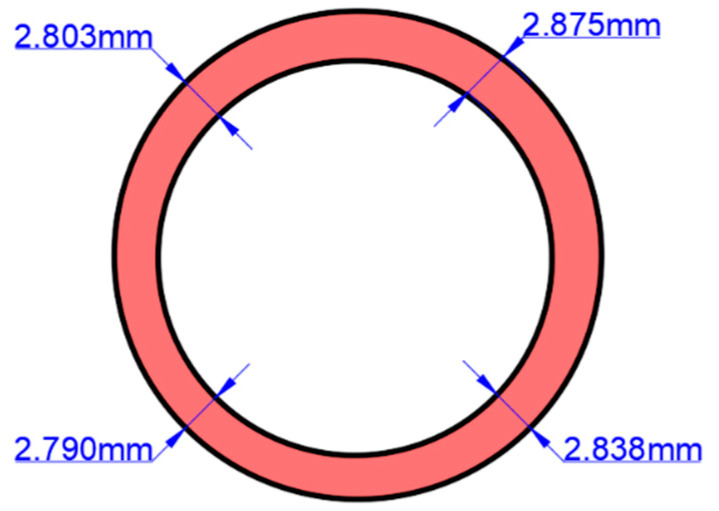
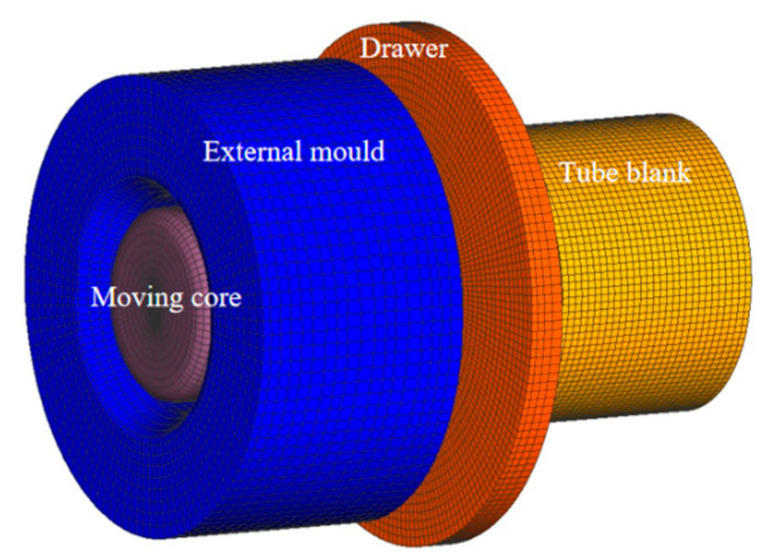
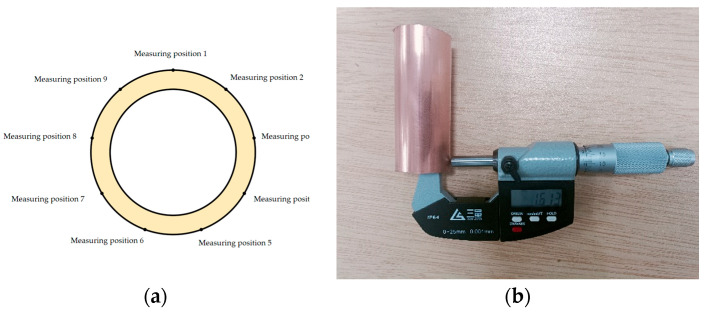
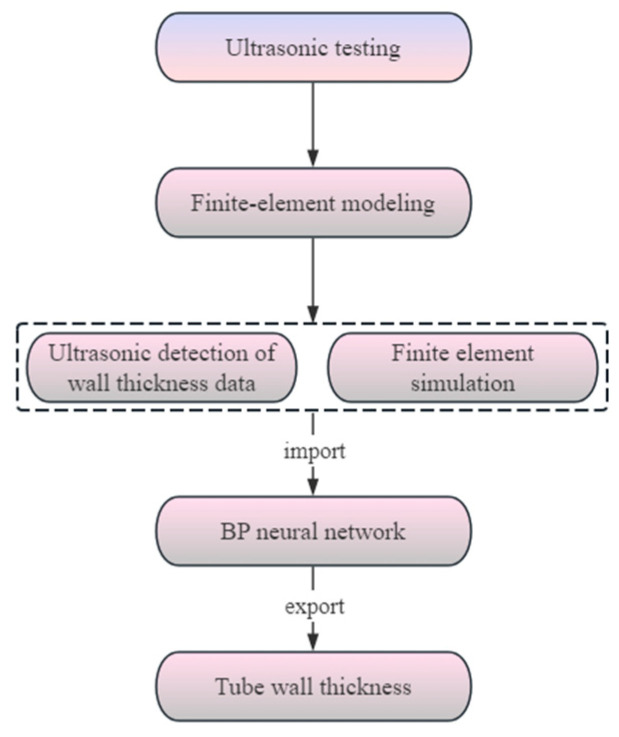
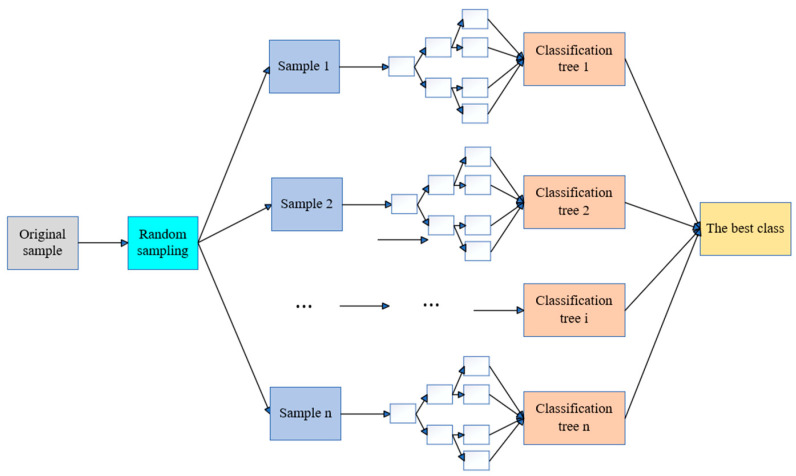
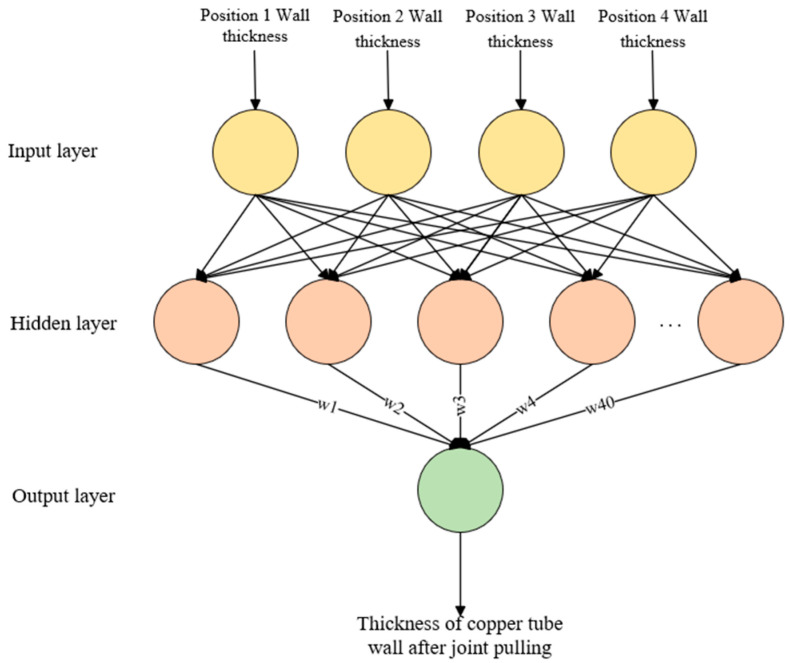
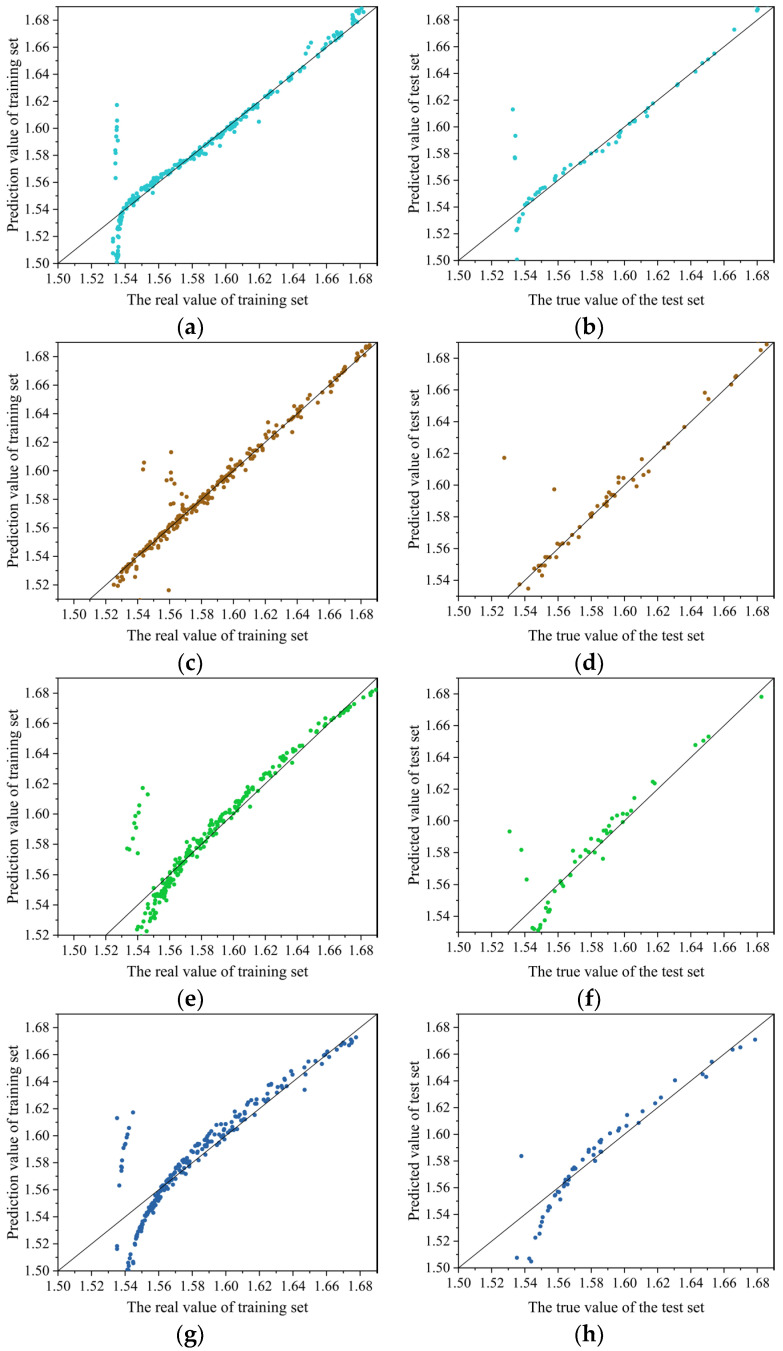
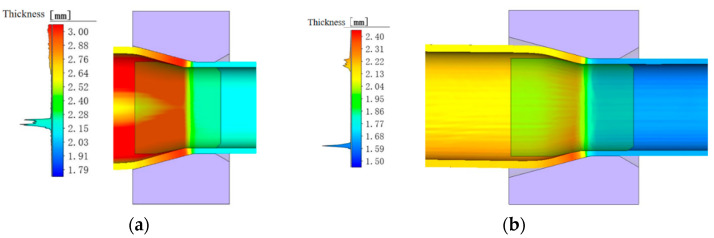
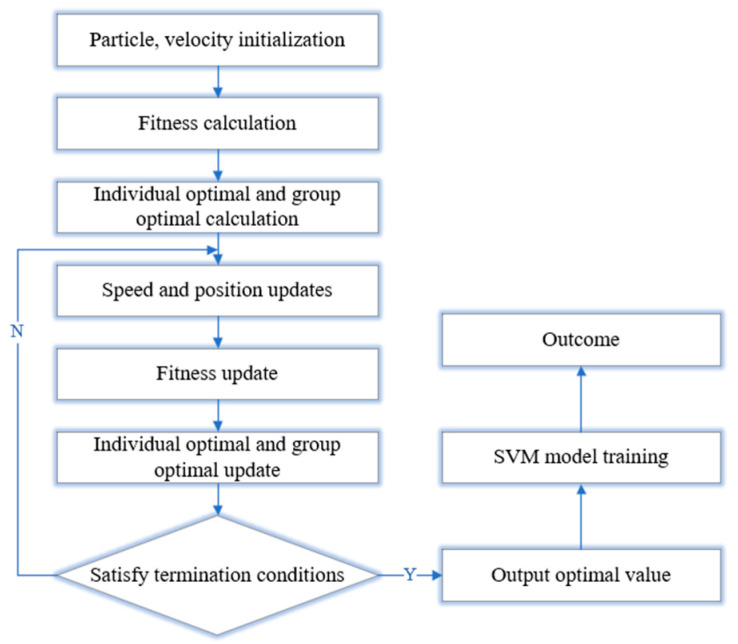
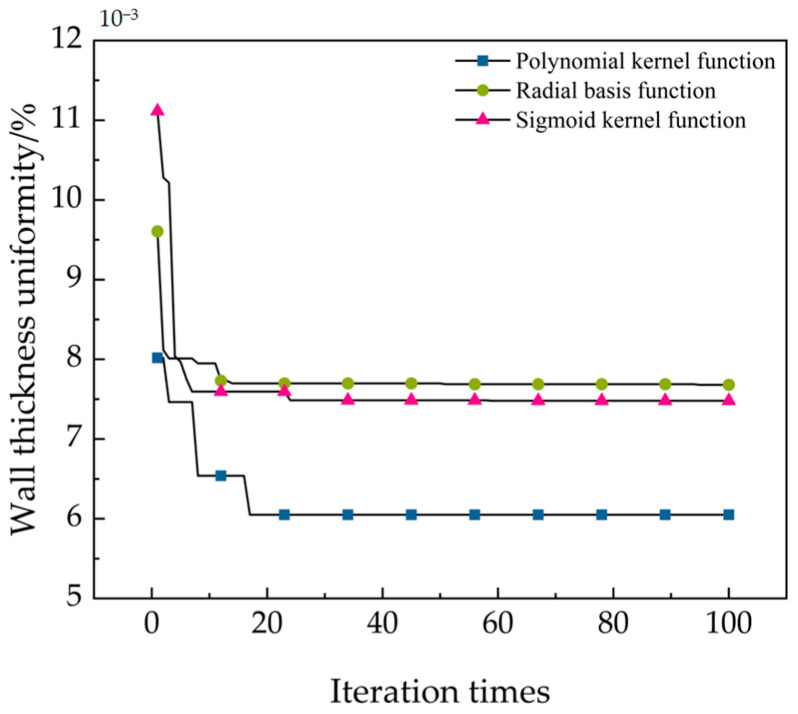
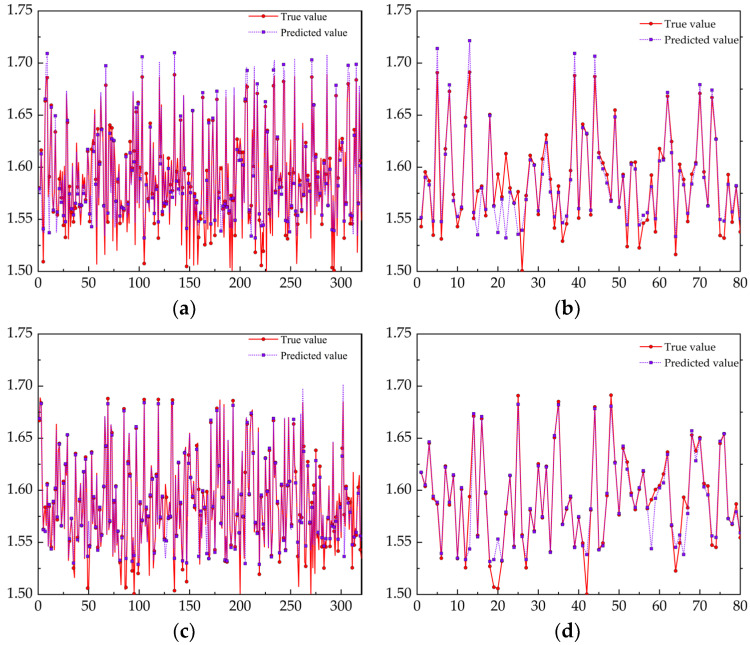
The wall thickness of the TP2 copper tube casting billet is not uniform after a three-roll planetary rotational rolling, which affects the wall thickness uniformity of the copper tube in the subsequent process. In order to study the influence of wall thickness at different positions of copper pipe after rolling on the wall thickness of copper pipe after joint drawing, an online ultrasonic test platform was used to measure the wall thickness of copper pipe after tying, and based on the test data, a finite element model of copper pipe billet was established, and the numerical simulation of joint drawing wall thickness was conducted. Based on the results of the ultrasonic testing experiment and finite element simulation, different neural network models were used to predict the joint tensile wall thickness with the data of the ultrasonic testing experiment as input and the results of finite element simulation as output. The prediction effect of different neural network models was compared, and the results showed that the prediction and fitting effect of the SVM model was better, but overfitting occurred during the fitting process. Furthermore, particle swarm optimization is used to optimize the penalty parameter C and the kernel parameter g in the SVM model. Compared with the traditional SVM model, the PSO-SVM model is more suitable for the prediction of joint tensile wall thickness, which can better guide the production to solve this problem.
三辊行星旋轧后TP2铜管铸坯壁厚不均匀,影响后续工序中铜管的壁厚均匀性。为研究轧制后铜管不同位置壁厚对联合拉拔后铜管壁厚的影响,采用在线超声检测平台测量绑扎后铜管的壁厚,并基于试验数据建立铜管坯有限元模型,进行联合拉拔壁厚的数值模拟。基于超声检测实验和有限元模拟结果,以超声检测实验数据为输入、有限元模拟结果为输出,采用不同神经网络模型预测联合拉伸壁厚。比较不同神经网络模型的预测效果,结果表明SVM模型的预测和拟合效果较好,但拟合过程中出现了过拟合现象。此外,采用粒子群优化算法对SVM模型中的惩罚参数C和核参数g进行优化。与传统SVM模型相比,PSO-SVM模型更适合联合拉伸壁厚的预测,能更好地指导生产解决该问题。