Rodriguez-Fortun Jose-Manuel, Alvarez Jorge, Monzon Luis, Salillas Ricardo, Noriega Sergio, Escuin David, Abadia David, Barrutia Aitor, Gaspar Victor, Romeo Jose Antonio, Cebrian Fernando, Del-Hoyo-Alonso Rafael
Technological Institute of Aragón, Calle Maria de Luna, 7-8, 50018 Zaragoza, Spain.
Ideko S.Coop, Member of Basque Research and Technology Alliance (BRTA), Arriaga Kalea, 2, 20870 Elgoibar, Gipuzkoa, Spain.
Sensors (Basel). 2024 Dec 5;24(23):7783. doi: 10.3390/s24237783.
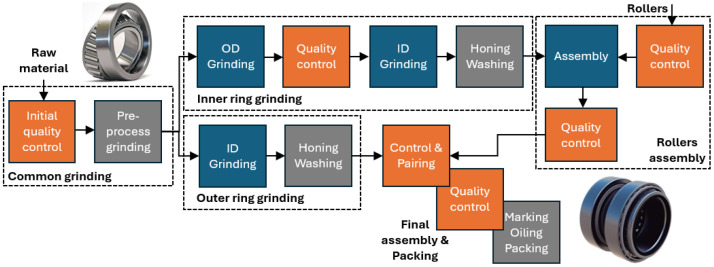
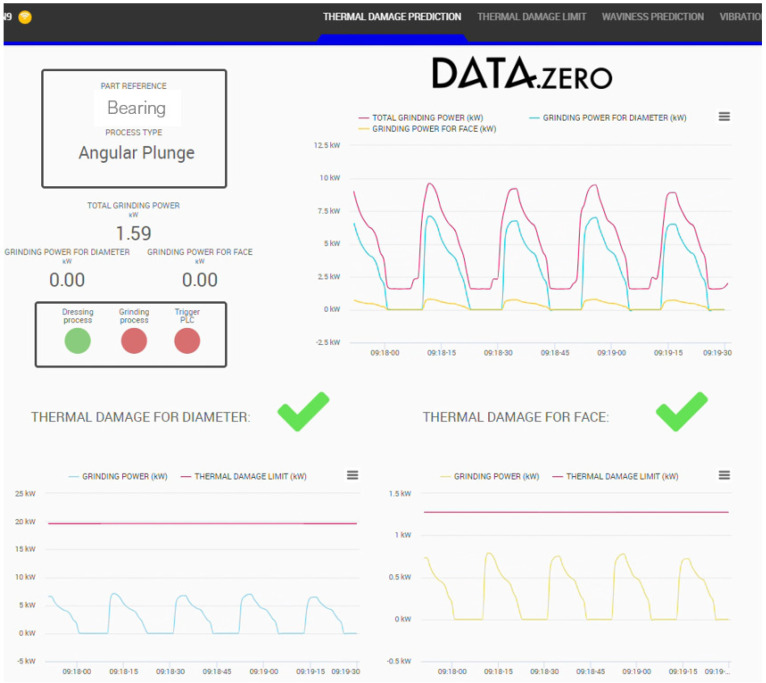
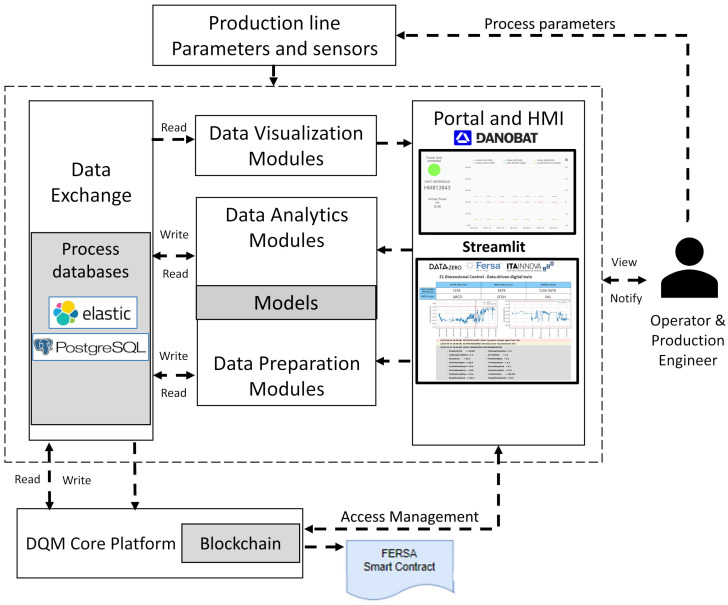
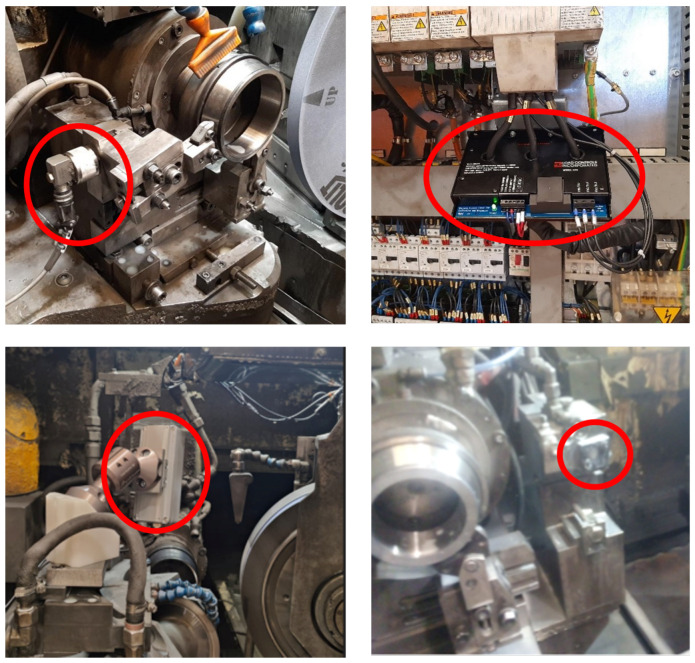
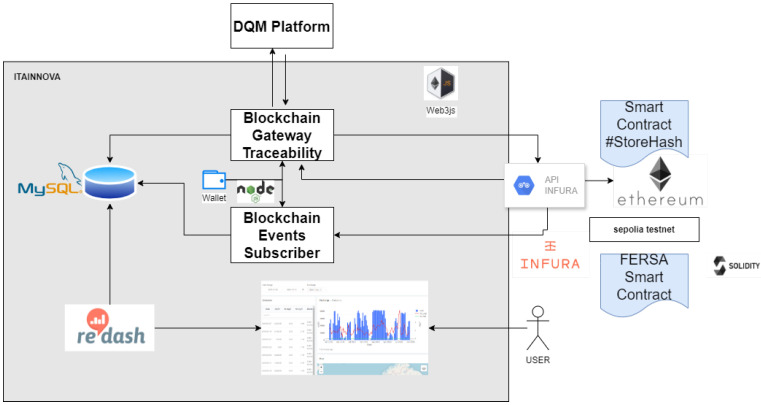
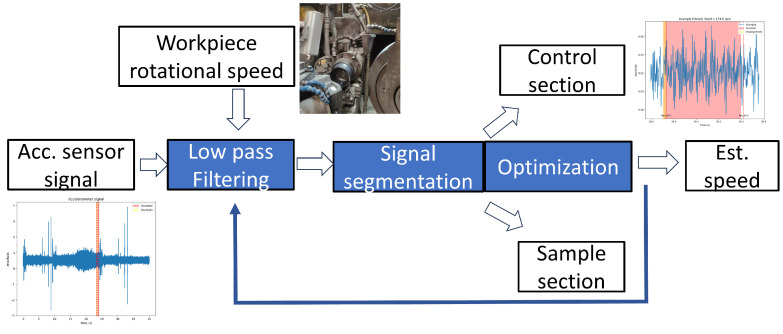
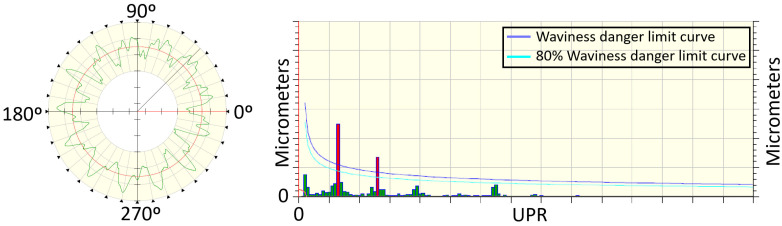
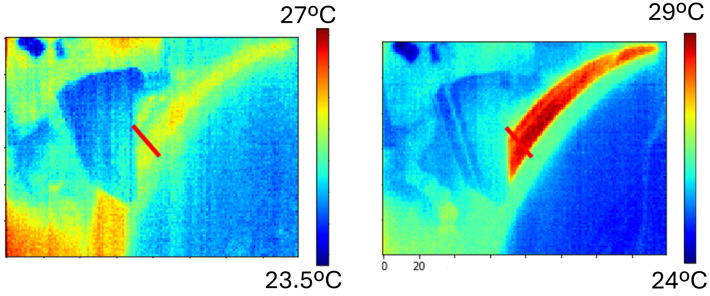
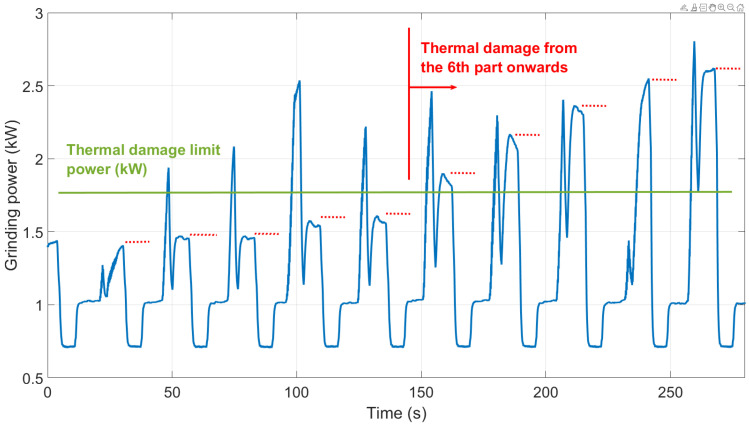
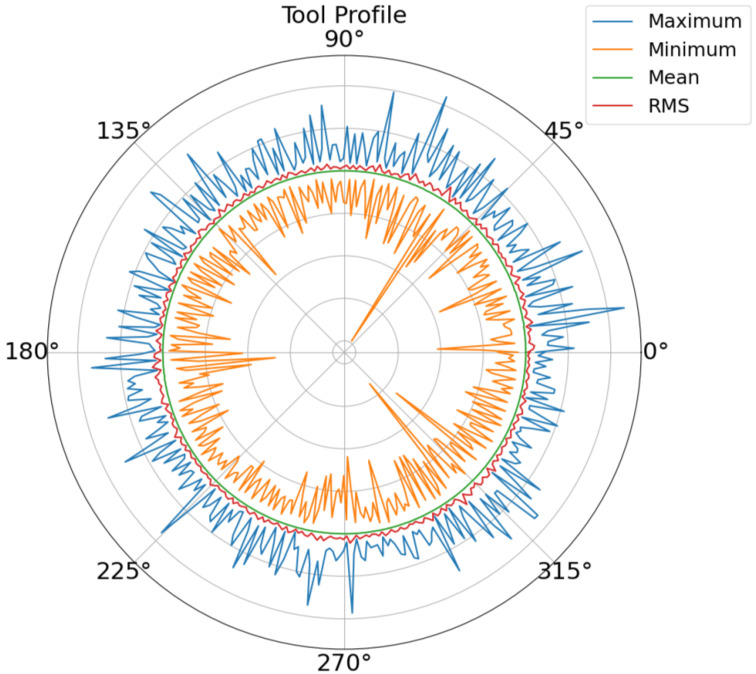
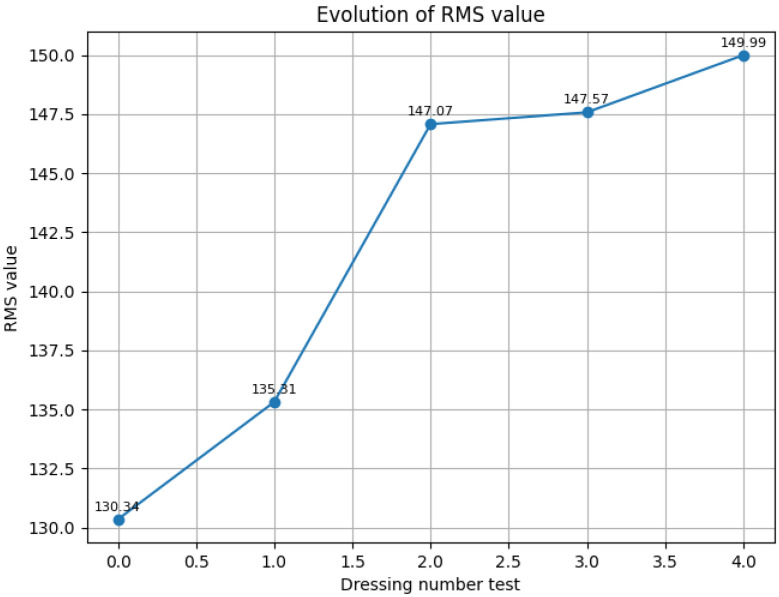
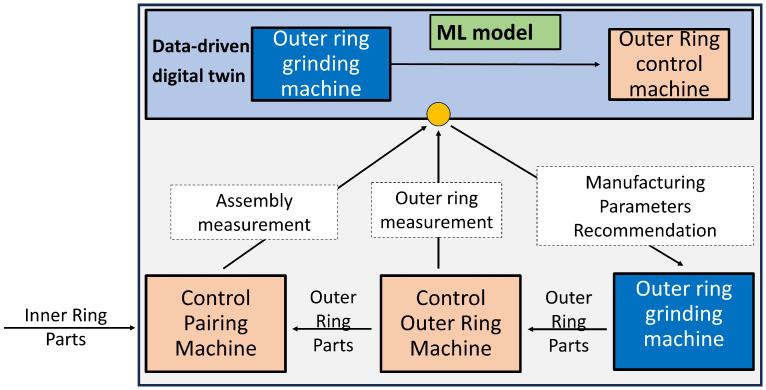
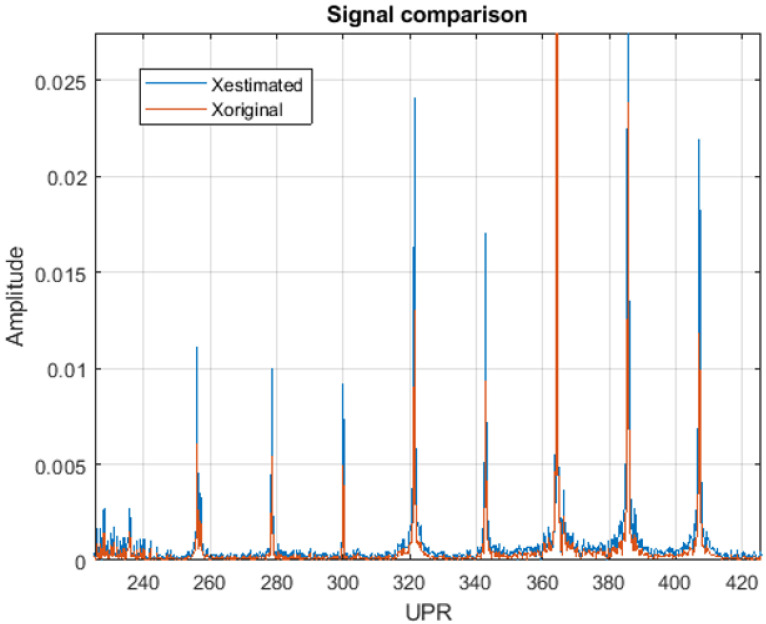
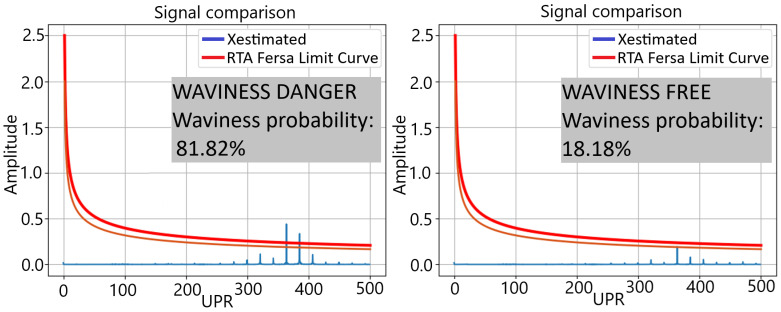
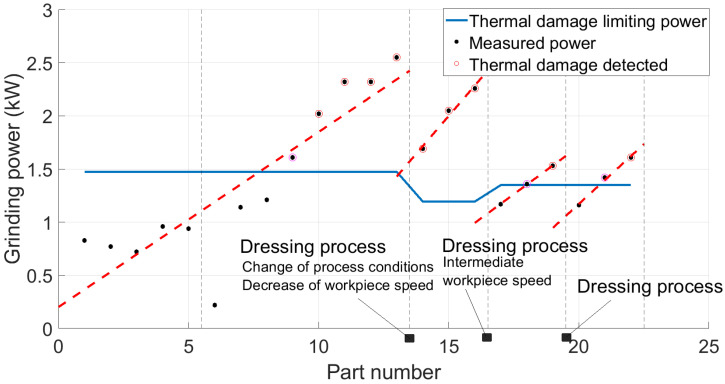
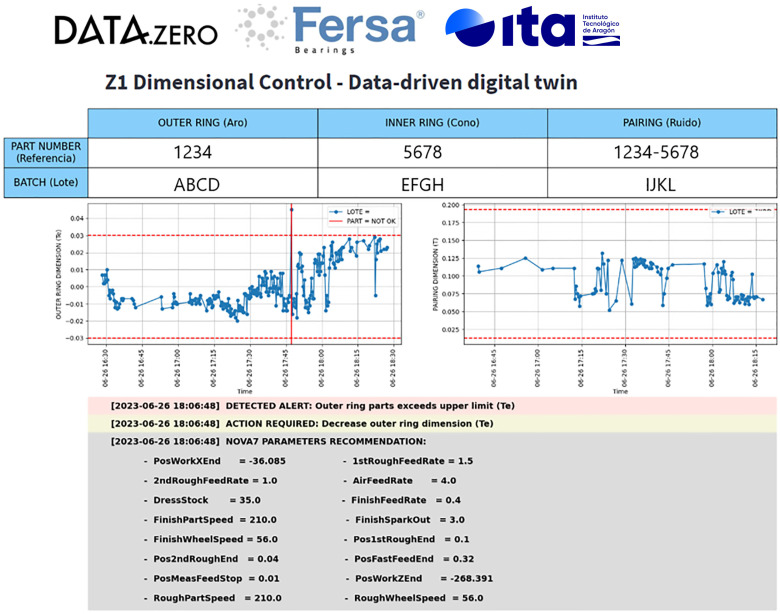
The developments in sensing, actuation, and algorithms, both in terms of Artificial Intelligence (AI) and data treatment, have open up a wide range of possibilities for improving the quality of the production systems in diverse industrial fields. The present paper describes the automatizing process performed in a production line for high-quality bearings. The actuation considered new sensing elements at the machine level and the treatment of the information, fusing the different sources in order to detect quality defects in the grinding process (waviness, burns) and monitoring the state of the tool. At a supervision level, an AI model has been developed for monitoring the complete line and compensating deviations in the dimension of the final assembly. The project also contemplated the hardware architecture for improving the data acquisition and communication among the machines and databases, the data treatment units, and the human interfaces. The resulting system gives feedback to the operator when deviations or potential errors are detected so that the quality issues are recognized and can be amended in advance, thereby reducing the quality cost.
在人工智能和数据处理方面,传感、驱动及算法的发展为提高不同工业领域生产系统的质量开辟了广泛的可能性。本文描述了在一条高质量轴承生产线中执行的自动化过程。驱动方面考虑了机器层面的新型传感元件以及信息处理,融合不同来源以检测磨削过程中的质量缺陷(波纹度、烧伤)并监测刀具状态。在监督层面,开发了一个人工智能模型来监测整条生产线并补偿最终装配尺寸的偏差。该项目还考虑了硬件架构,以改善机器与数据库、数据处理单元以及人机界面之间的数据采集和通信。当检测到偏差或潜在错误时,所得系统会向操作员提供反馈,以便提前识别质量问题并进行修正,从而降低质量成本。