Sato Takehito, Inoue Shigeru, Asano Ichiko, Ando Takahiro, Shibata Yasuyuki
Department of Anesthesiology, Nagoya University Hospital, Nagoya City, Aichi, 466-8550, Japan.
Division of Operation Room, Nagoya University Hospital, Nagoya, Aichi, Japan.
JA Clin Rep. 2024 Dec 18;10(1):75. doi: 10.1186/s40981-024-00760-x.
Anal and perineum pain caused by malignant tumor invasion is often difficult to control with opioids. Continuous sacral epidural ethanol injection therapy is less likely to cause bladder and rectal disturbances, making it a suitable treatment option for patients with preserved voiding function.
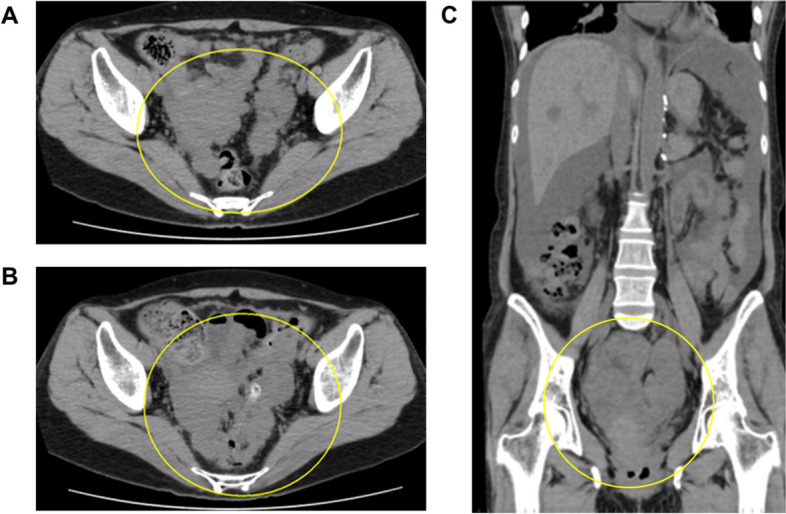
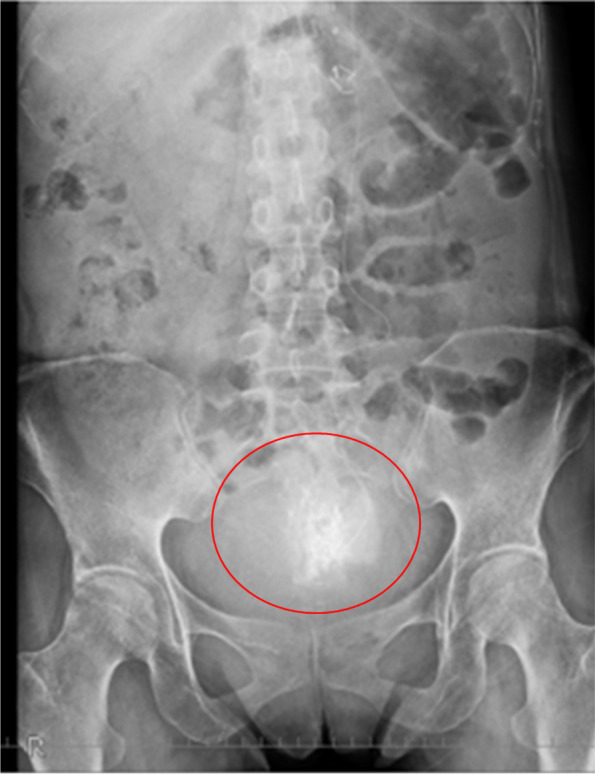
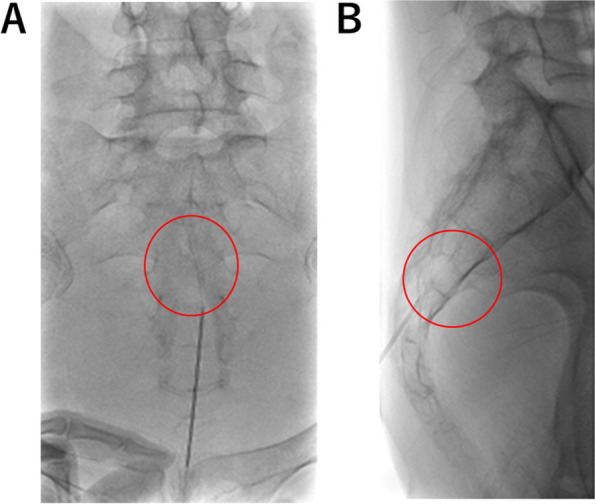
A 45-year-old woman with multiple metastases of malignant pheochromocytoma suffered severe anal pain that worsened, especially when sitting, and was unresponsive to opioid rescue therapy. With her NRS score of 9, a sacral epidural catheter was placed, and a continuous infusion of 2% lidocaine was administered overnight. This is followed by a 1.5mL bolus of ethanol and continuous ethanol administration at 2 mL/h. After administration, her anal pain decreased to approximately NRS 0-1, and she was subsequently discharged.
We report successful pain control using continuous sacral epidural ethanol injection therapy in a patient with anal pain due to malignant pheochromocytoma metastasis.
恶性肿瘤侵犯引起的肛门和会阴疼痛通常难以用阿片类药物控制。持续骶管硬膜外注射乙醇疗法不太可能引起膀胱和直肠功能障碍,使其成为排尿功能保留患者的合适治疗选择。
一名45岁患有恶性嗜铬细胞瘤多处转移的女性患者遭受严重的肛门疼痛,疼痛在坐立时加重,对阿片类药物解救治疗无反应。她的数字疼痛评分量表(NRS)评分为9分,置入了骶管硬膜外导管,夜间持续输注2%利多卡因。随后推注1.5mL乙醇,并以2mL/h的速度持续输注乙醇。给药后,她的肛门疼痛降至约NRS 0 - 1分,随后出院。
我们报告了一例因恶性嗜铬细胞瘤转移导致肛门疼痛的患者,通过持续骶管硬膜外注射乙醇疗法成功控制疼痛。