Muthukrishanan Gomathy, Munisamy Jeyashri, Gopalasubramaniam Sabarinathan Kuttalingam, Subramanian Kizaharael Sevathapandian, Dharmaraj Rajakumar, Nath Dhruba Jyoti, Dutta Pranab, Devarajan Arun Kumar
Department of Soil Science and Agricultural Chemistry, Agricultural College and Research Institute, Tamil Nadu Agricultural University, Killikulam, Tuticorin, 628252, India.
Department of Plant Pathology, Agricultural College and Research Institute, Tamil Nadu Agricultural University, Killikulam, Tuticorin, 628252, India.
Environ Microbiome. 2024 Dec 18;19(1):102. doi: 10.1186/s40793-024-00635-9.
The application of beneficial microbes in agriculture is gaining increasing attention as a means to reduce reliance on chemical fertilizers. This approach can potentially mitigate negative impacts on soil, animal, and human health, as well as decrease climate-changing factors. Among these microbes, yeast has been the least explored, particularly within the phyllosphere compartment. This study addresses this knowledge gap by investigating the potential of phyllosphere yeast to improve rice yield while reducing fertilizer dosage.
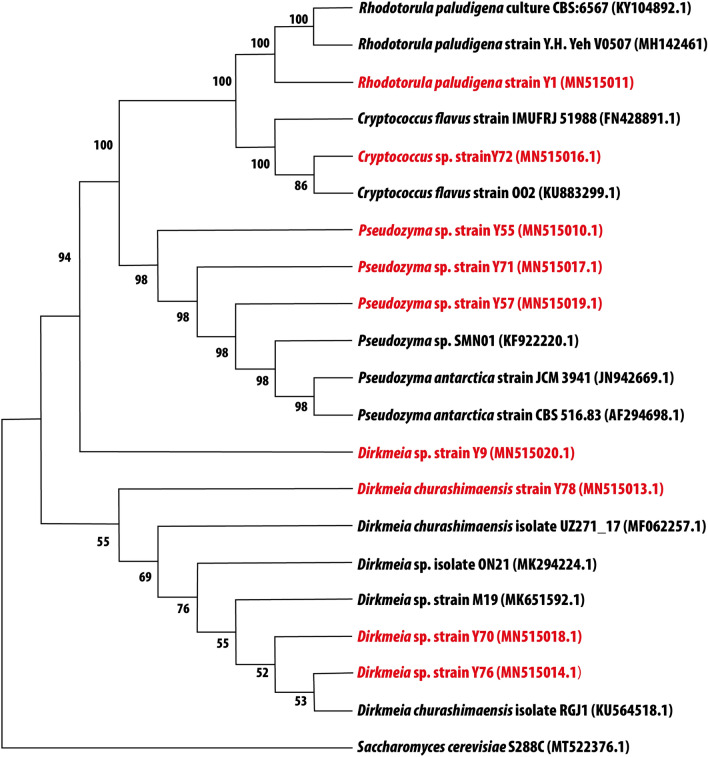
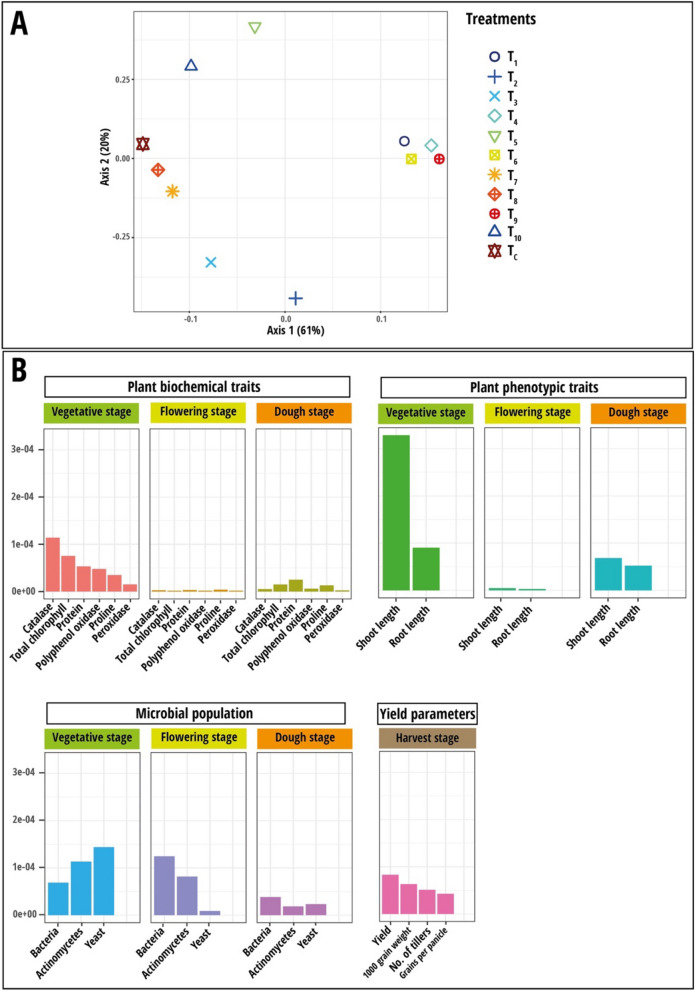
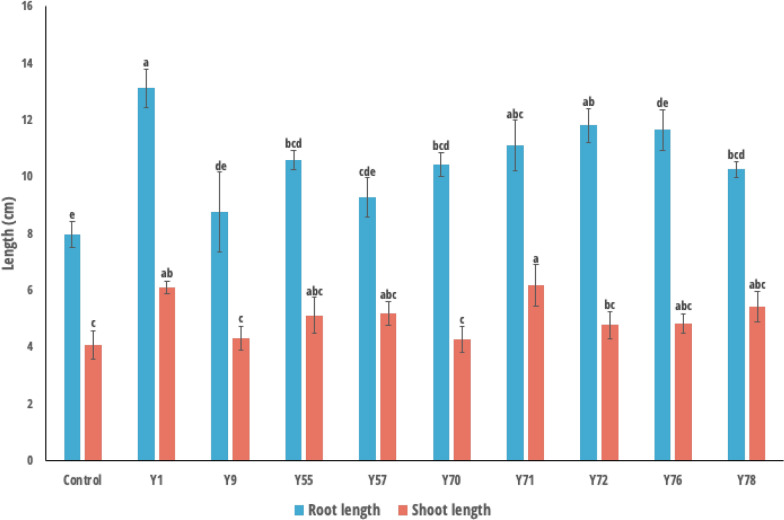
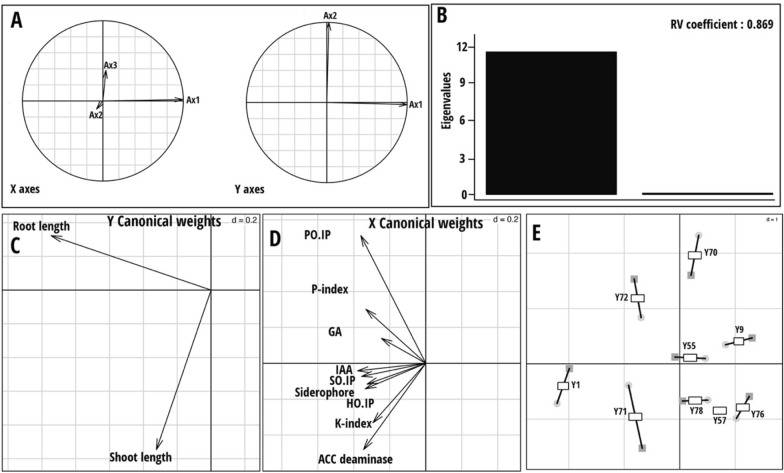
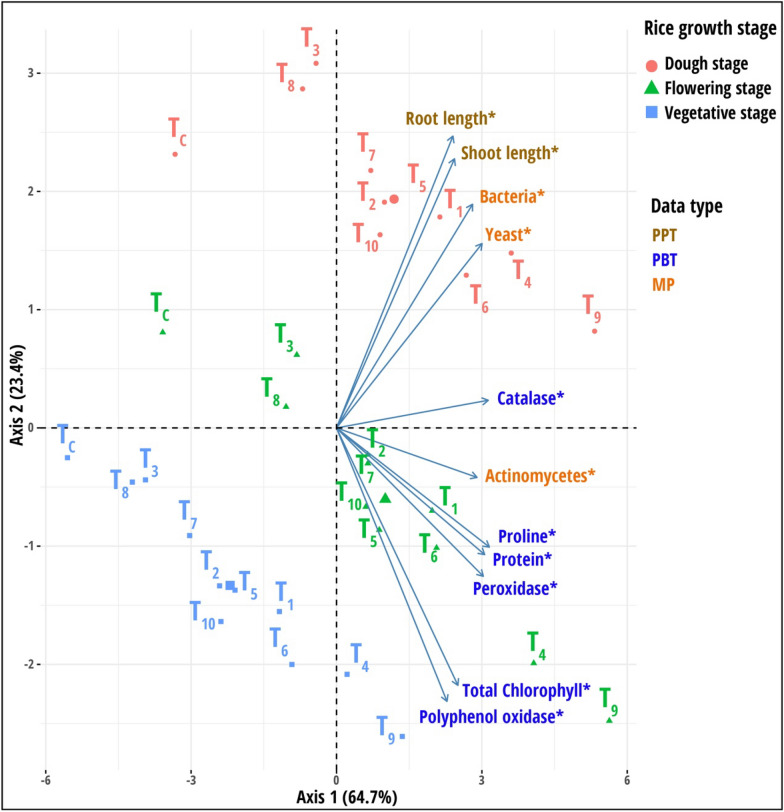
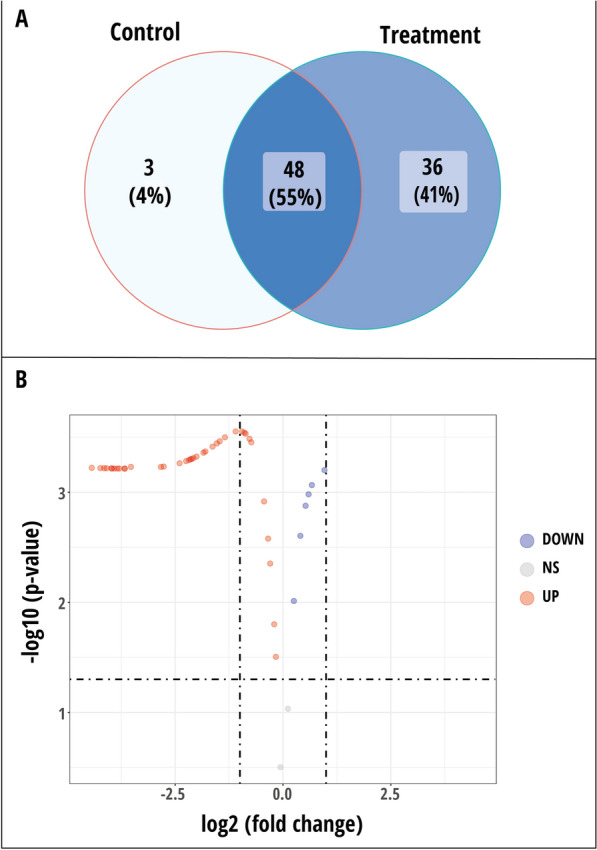
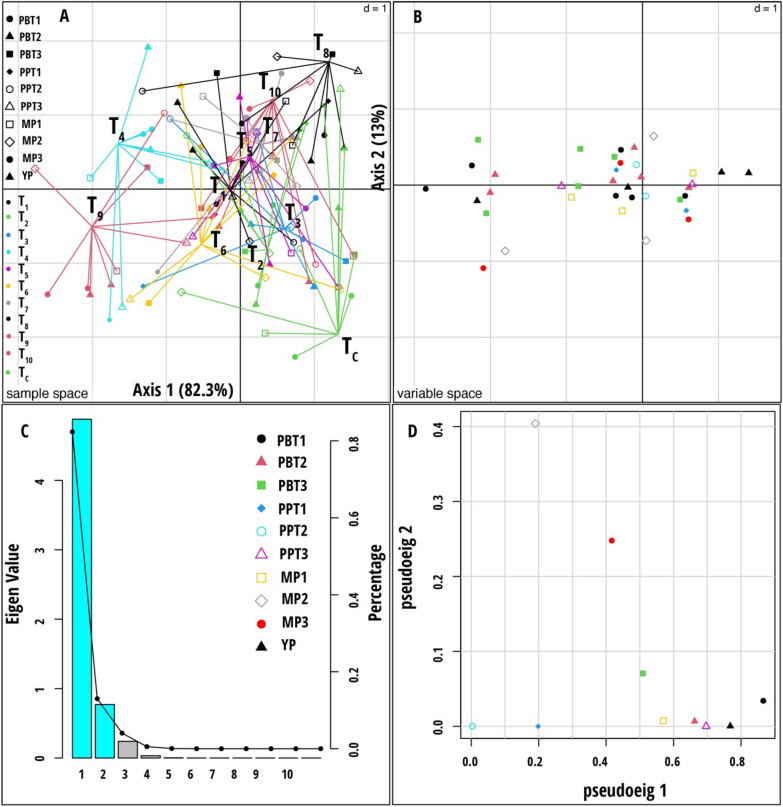
From fifty-two rice yeast phyllosphere isolates, we identified three yeast strains-Rhodotorula paludigena Y1, Pseudozyma sp. Y71, and Cryptococcus sp. Y72-that could thrive at 36 °C and possessed significant multifarious plant growth-promoting traits, enhancing rice root and shoot length upon seed inoculation. These three strains demonstrated favorable compatibility, leading to the creation of a yeast consortium. We assessed the combined effect of foliar application of this yeast consortium and individual strains with two distinct recommended doses of chemical fertilizers (RDCFs) (75 and 100%), as well as RDCFs alone (75 and 100%), in rice maintained in pot-culture and field experiments. The pot-culture experiment investigated the leaf microbial community, plant biochemicals, root and shoot length during the stem elongation, flowering, and dough phases, and yield-related parameters at harvest. The field experiment determined the actual yield. Integrated results from both experiments revealed that the yeast consortium with 75% RDCFs was more effective than the yeast consortium with 100% RDCFs, single strain applications with RDCFs (75 and 100%), and RDCFs alone (75 and 100%). Additionally, this treatment improved leaf metabolite levels compared to control rice plants.
Overall, a 25% reduction in soil chemical fertilizers combined with yeast consortium foliar application improved rice growth, biochemicals, and yield. This study also advances the field of phyllosphere yeast research in agriculture.
有益微生物在农业中的应用作为一种减少对化肥依赖的手段,正日益受到关注。这种方法有可能减轻对土壤、动物和人类健康的负面影响,并减少气候变化因素。在这些微生物中,酵母的研究最少,尤其是在叶际环境中。本研究通过调查叶际酵母在减少化肥用量的同时提高水稻产量的潜力,填补了这一知识空白。
从52株水稻叶际酵母分离物中,我们鉴定出三株酵母菌株——沼泽红酵母Y1、假丝酵母属Y71和隐球菌属Y72,它们能够在36°C下生长,并具有多种显著的促进植物生长的特性,在种子接种后能增加水稻根和茎的长度。这三株菌株表现出良好的兼容性,从而形成了一个酵母联合体。我们在盆栽和田间试验中,评估了叶面喷施该酵母联合体和单个菌株与两种不同推荐剂量的化肥(75%和100%)以及单独使用化肥(75%和100%)对水稻的综合影响。盆栽试验研究了茎伸长、开花和灌浆期的叶片微生物群落、植物生化物质、根和茎长度,以及收获时与产量相关的参数。田间试验测定了实际产量。两个试验的综合结果表明,75%推荐剂量化肥与酵母联合体处理比100%推荐剂量化肥与酵母联合体处理、单菌株与推荐剂量化肥(75%和100%)处理以及单独使用推荐剂量化肥(75%和100%)处理更有效。此外,与对照水稻植株相比,这种处理提高了叶片代谢物水平。
总体而言,土壤化肥用量减少25%并结合叶面喷施酵母联合体可改善水稻生长、生化物质和产量。本研究也推动了农业中叶际酵母研究领域的发展。