Shi Mingyan, Li Zhichao, Hu Shuaishuai, Zhang Pei, Meng Shuaitao, Huang Luyao, Miao Zhiguo, Zhang Jinzhou
Life Science College, Luoyang Normal University, Luoyang, 471934, China.
College of Animal Science and Technology, Henan Agricultural University, Zhengzhou, 450000, China.
BMC Vet Res. 2024 Dec 18;20(1):563. doi: 10.1186/s12917-024-04417-w.
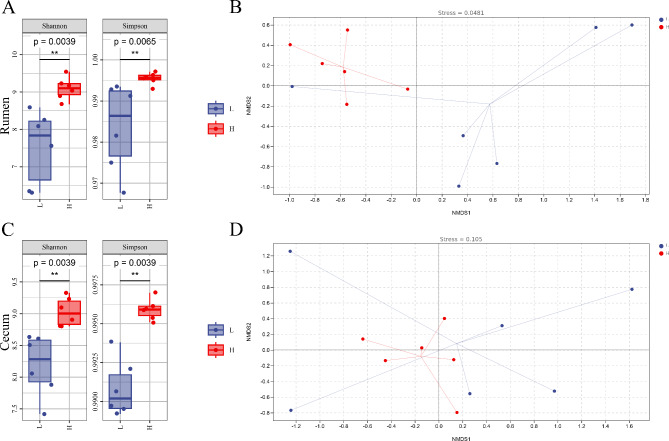
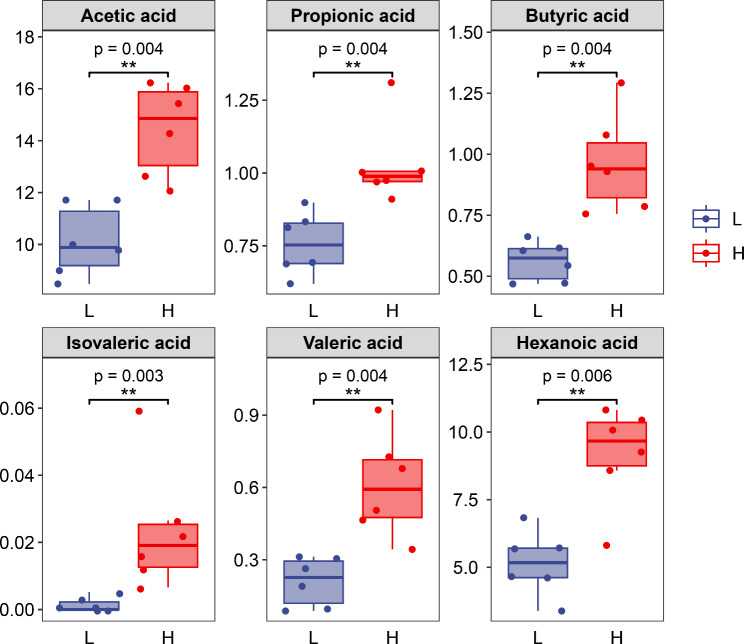
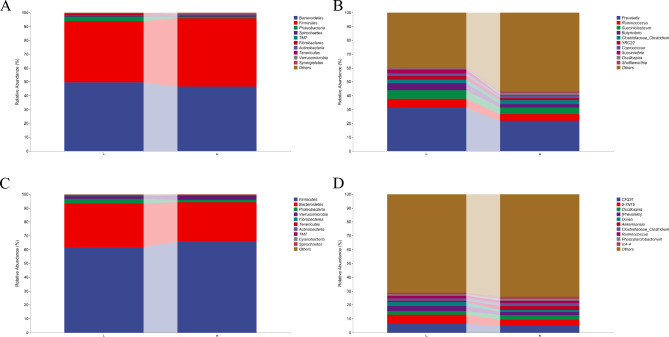
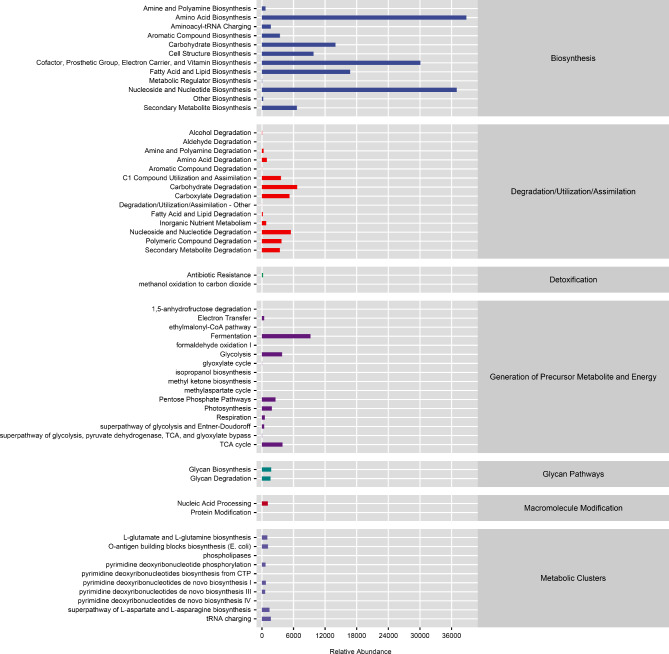
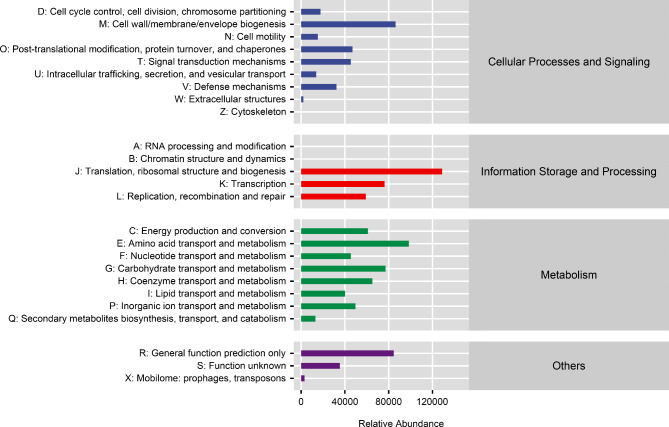
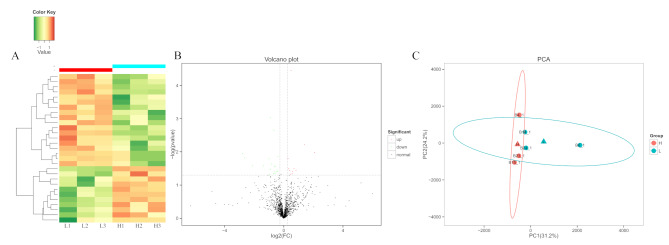
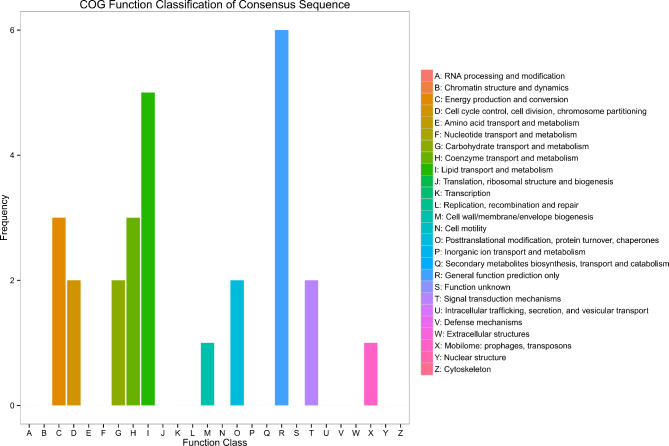
Marbling is a key indicator of the meat quality of ruminants. Gastrointestinal microbiota may regulate the formation of marbling by influencing the nutritional metabolism of animals. This study analyzed the composition and functional differences of microbiota in the rumen and cecum, the differences in volatile fatty acids (VFAs) content in the longissimus thoracis muscle, and the differences in protein abundance in the longissimus thoracis muscle of ruminants with different marbling grades through microbiome-proteome analysis. The results showed that the diversity of gastrointestinal microbiota in high-marbling ruminants was significantly higher than that in low-marbling ruminants. The relative abundance of Firmicutes and Akkermansia in the gastrointestinal of high-marbling ruminants was higher than that in low-marbling ruminants, while the relative abundance of Bacteroidetes and Prevotella was lower. In addition, PICRUST2 functional prediction results of the microbiota revealed that the gastrointestinal microbiota of high-marbling ruminants was mainly involved in the biosynthesis pathways of fat and lipids. The metabolomics results showed that the content of VFAs (acetic acid, propionic acid, butyric acid, isovaleric acid, valeric acid, and hexanoic acid) in the rumen of high-marbling ruminants was significantly higher than that in low-marbling ruminants. The proteome analysis results indicated that the differential proteins in the longissimus thoracis muscle of high-marbling ruminants were mainly involved in lipid transport and metabolism compared to low-marbling ruminants. In summary, the differences in the composition and function of the gastrointestinal microbiota led to higher levels of VFAs in the gastrointestinal tract of high-marbling ruminants, which provides the basis for lipid/fat synthesis. The proteome results of the longissimus thoracis muscle support the view that high-marbling ruminants have richer lipid transport and metabolic functions in their muscle.
大理石花纹是反刍动物肉质的关键指标。胃肠道微生物群可能通过影响动物的营养代谢来调节大理石花纹的形成。本研究通过微生物组-蛋白质组分析,分析了不同大理石花纹等级反刍动物瘤胃和盲肠中微生物群的组成和功能差异、胸最长肌中挥发性脂肪酸(VFA)含量的差异以及胸最长肌中蛋白质丰度的差异。结果表明,高大理石花纹反刍动物胃肠道微生物群的多样性显著高于低大理石花纹反刍动物。高大理石花纹反刍动物胃肠道中厚壁菌门和阿克曼氏菌的相对丰度高于低大理石花纹反刍动物,而拟杆菌门和普雷沃氏菌的相对丰度较低。此外,微生物群的PICRUST2功能预测结果表明,高大理石花纹反刍动物的胃肠道微生物群主要参与脂肪和脂质的生物合成途径。代谢组学结果表明,高大理石花纹反刍动物瘤胃中VFA(乙酸、丙酸、丁酸、异戊酸、戊酸和己酸)的含量显著高于低大理石花纹反刍动物。蛋白质组分析结果表明,与低大理石花纹反刍动物相比,高大理石花纹反刍动物胸最长肌中的差异蛋白主要参与脂质转运和代谢。综上所述,胃肠道微生物群组成和功能的差异导致高大理石花纹反刍动物胃肠道中VFA水平较高,这为脂质/脂肪合成提供了基础。胸最长肌的蛋白质组结果支持了高大理石花纹反刍动物肌肉中脂质转运和代谢功能更丰富的观点。