Sbaraglia Fabio, Gaudino Simona, Tiberi Eloisa, Maiellare Federica, Spinazzola Giorgia, Garra Rossella, Della Sala Filomena, Micci Daniela Maria, Russo Rosellina, Riitano Francesca, Ferrara Giuseppe, Vento Giovanni, Rossi Marco
Department of Anesthesia and Intensive Care, Fondazione Policlinico Universitario A. Gemelli IRCCS, Università Cattolica del Sacro Cuore, Rome, Italy.
Department of Radiologic and Hematologic Sciences, Fondazione Policlinico Universitario A. Gemelli IRCCS, Università Cattolica del Sacro Cuore, Rome, Italy.
J Anesth Analg Crit Care. 2024 Dec 18;4(1):80. doi: 10.1186/s44158-024-00216-9.
Respiratory adverse events are common during the sedation of preterm babies, often needing active airway support. During magnetic resonance imaging, this occurrence could extend the acquisition time, with a negative impact on the thermic and metabolic homeostasis. The aim of the study is to verify if lying in a lateral position instead of supine could improve the safe quality of sedation, without worsening the quality of imaging.
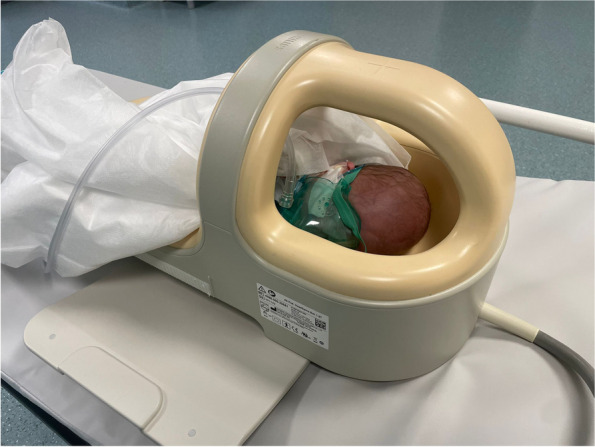
This study was performed as a single-center, prospective study at a university-affiliated tertiary care center. A consultant provided deep sedation with sevoflurane 3-4% delivered by an external mask, in the lateral decubitus position. All patients were evaluated for the incidence of apnea and desaturation, quality of imaging obtained, the timing of imaging acquisition, and thermic and metabolic homeostasis.
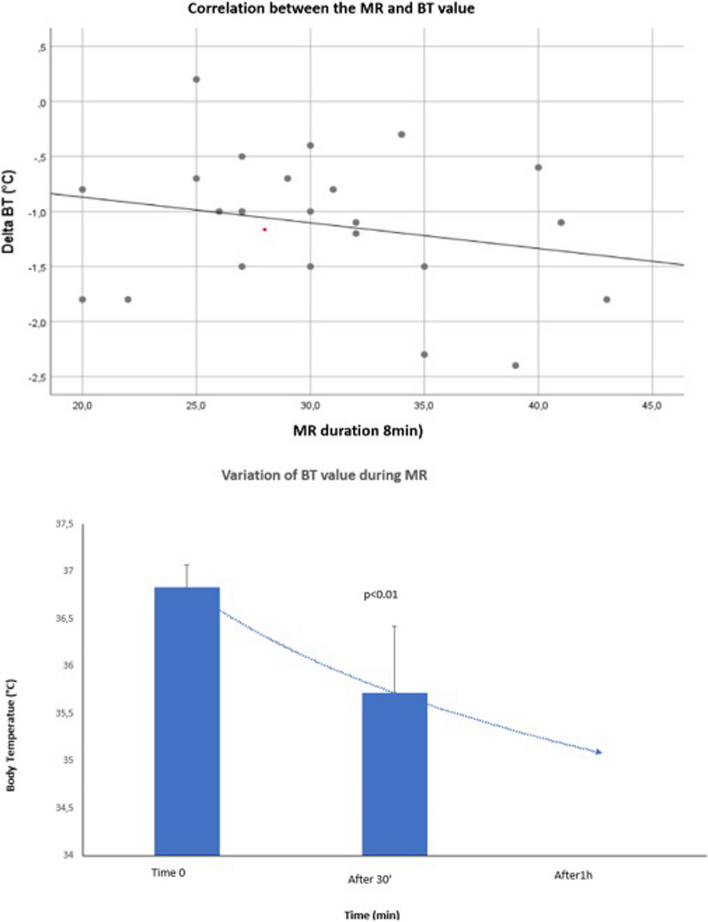
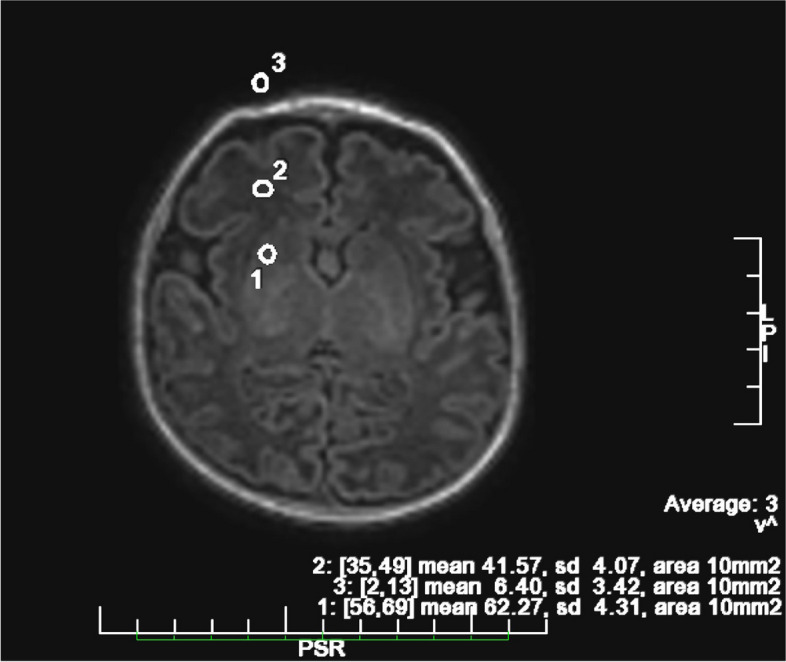
We enrolled 23 consecutive preterm babies born < 37 weeks gestational age, candidates for sedation for elective brain magnetic resonance imaging. All patients completed the radiological procedure in 30 min (SD ± 6.39 min) without complications requiring exam interruption. Only one patient (4%) experienced a transient desaturation, while 2 neonates (9%) showed apnea lasting > 20 s. On average, there was a 1 °C decrease in body temperature and full enteral feeding was resumed within 1.5 h. Neuroradiologists rated the quality of the images obtained as high.
Lateral lying seems to be a viable option for sedated preterm babies during magnetic resonance imaging with a low risk of intervention for apnea and a reduced impact on thermic and metabolic homeostasis. Quality of imaging would be preserved maintaining correct scheduling of standard care.
The study was registered at www.
gov before enrollment (NCT05776238 on December, 21th 2023).
在对早产儿进行镇静期间,呼吸不良事件很常见,通常需要积极的气道支持。在磁共振成像期间,这种情况可能会延长采集时间,对热和代谢稳态产生负面影响。本研究的目的是验证侧卧而非仰卧是否可以提高镇静的安全质量,同时又不降低成像质量。
本研究在一家大学附属三级医疗中心进行,为单中心前瞻性研究。一名顾问使用外部面罩给予3-4%的七氟醚进行深度镇静,患者取侧卧位。评估所有患者的呼吸暂停和血氧饱和度下降发生率、获得的成像质量、成像采集时间以及热和代谢稳态。
我们纳入了23名连续的孕周小于37周的早产儿,他们均为择期脑磁共振成像镇静的候选者。所有患者均在30分钟内(标准差±6.39分钟)完成了放射学检查,无需要中断检查的并发症。只有一名患者(4%)出现短暂的血氧饱和度下降,而2名新生儿(9%)出现持续超过20秒的呼吸暂停。平均体温下降1°C,1.5小时内恢复全肠道喂养。神经放射科医生将获得的图像质量评为高。
对于镇静的早产儿,在磁共振成像期间侧卧似乎是一种可行的选择,呼吸暂停干预风险低,对热和代谢稳态的影响较小。保持标准护理的正确安排可确保成像质量。
该研究在入组前已在www.CLINICALTRIALS.gov上注册(2023年12月21日,NCT05776238)。