Youssef Emile, Zhao Shuai, Purcell Connor, Olson Gary L, El-Deiry Wafik S
Research & Development, SMURF-Therapeutics, Inc., Providence, RI, United States.
Medical & Pharmacovigilance, Kapadi, Inc., Raleigh, NC, United States.
Front Oncol. 2024 Dec 4;14:1484515. doi: 10.3389/fonc.2024.1484515. eCollection 2024.
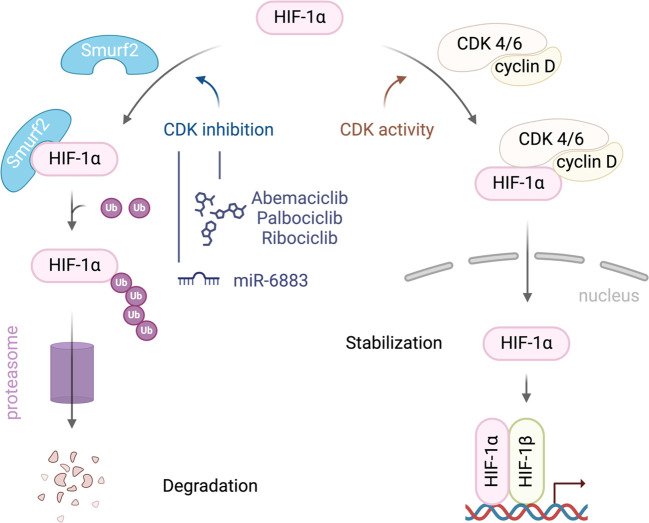
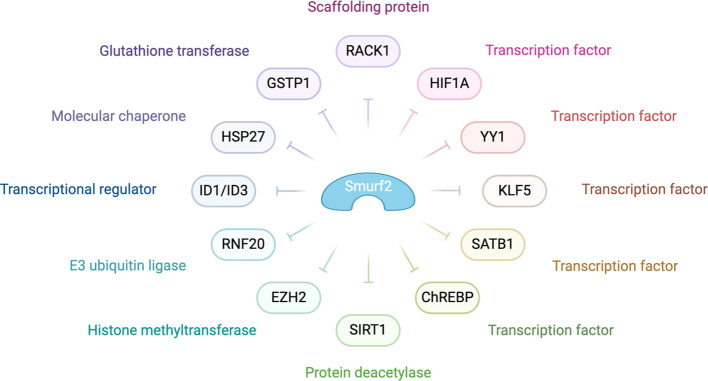
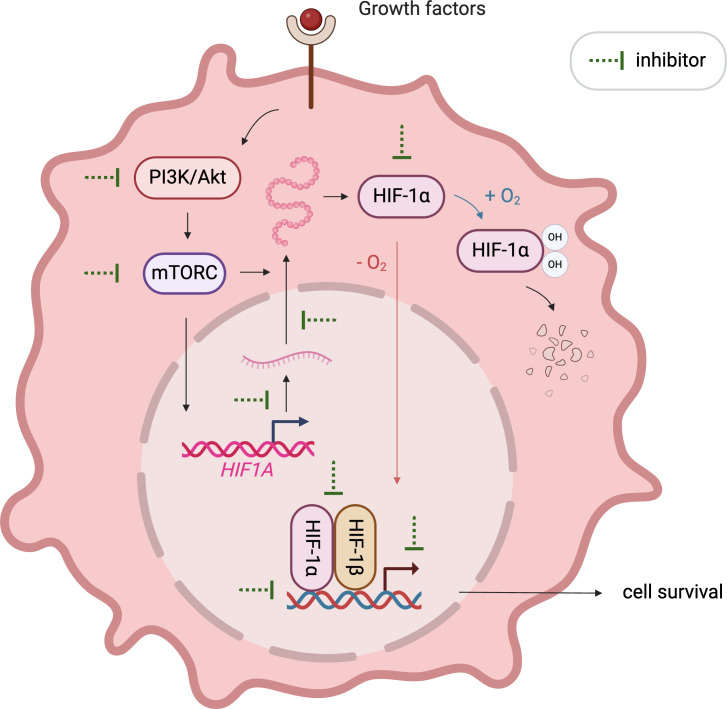
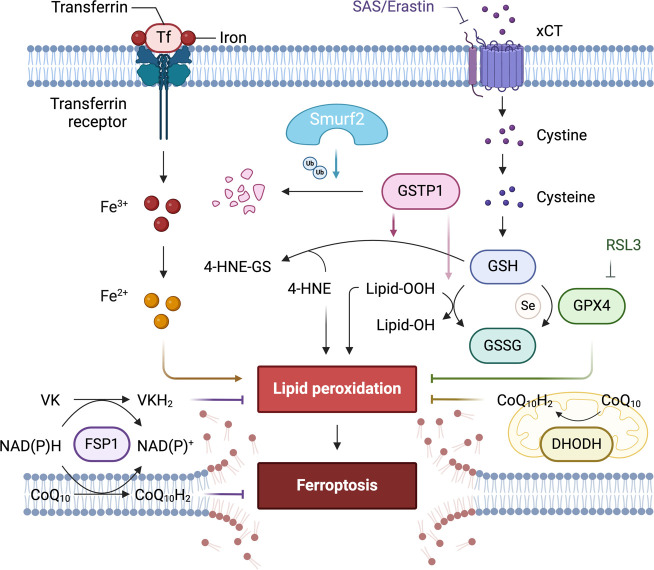
The SMAD-specific E3 ubiquitin protein ligase 2 (SMURF2) has emerged as a critical regulator in cancer biology, modulating the stability of Hypoxia-Inducible Factor 1-alpha (HIF1α) and influencing a network of hypoxia-driven pathways within the tumor microenvironment (TME). SMURF2 targets HIF1α for ubiquitination and subsequent proteasomal degradation, disrupting hypoxic responses that promote cancer cell survival, metabolic reprogramming, angiogenesis, and resistance to therapy. Beyond its role in HIF1α regulation, SMURF2 exerts extensive control over cellular processes central to tumor progression, including chromatin remodeling, DNA damage repair, ferroptosis, and cellular stress responses. Notably, SMURF2's ability to promote ferroptotic cell death through GSTP1 degradation offers an alternative pathway to overcome apoptosis resistance, expanding therapeutic options for refractory cancers. This review delves into the multifaceted interactions between SMURF2 and HIF1α, emphasizing how their interplay impacts metabolic adaptations like the Warburg effect, immune evasion, and therapeutic resistance. We discuss SMURF2's dual functionality as both a tumor suppressor and, in certain contexts, an oncogenic factor, underscoring its potential as a highly versatile therapeutic target. Furthermore, modulating the SMURF2-HIF1α axis presents an innovative approach to destabilize hypoxia-dependent pathways, sensitizing tumors to chemotherapy, radiotherapy, and immune-based treatments. However, the complexity of SMURF2's interactions necessitate a thorough assessment of potential off-target effects and challenges in specificity, which must be addressed to optimize its clinical application. This review concludes by proposing future directions for research into the SMURF2-HIF1α pathway, aiming to refine targeted strategies that exploit this axis and address the adaptive mechanisms of aggressive tumors, ultimately advancing the landscape of precision oncology.
SMAD特异性E3泛素蛋白连接酶2(SMURF2)已成为癌症生物学中的关键调节因子,它调节缺氧诱导因子1α(HIF1α)的稳定性,并影响肿瘤微环境(TME)中由缺氧驱动的信号通路网络。SMURF2将HIF1α靶向泛素化并随后进行蛋白酶体降解,破坏促进癌细胞存活、代谢重编程、血管生成和治疗抗性的缺氧反应。除了在HIF1α调节中的作用外,SMURF2还对肿瘤进展的核心细胞过程发挥广泛控制,包括染色质重塑、DNA损伤修复、铁死亡和细胞应激反应。值得注意的是,SMURF2通过降解GSTP1促进铁死亡细胞死亡的能力提供了一条克服凋亡抗性的替代途径,为难治性癌症扩展了治疗选择。本综述深入探讨了SMURF2与HIF1α之间的多方面相互作用,强调了它们的相互作用如何影响诸如瓦伯格效应、免疫逃逸和治疗抗性等代谢适应。我们讨论了SMURF2作为肿瘤抑制因子以及在某些情况下作为致癌因子的双重功能,强调了其作为高度通用治疗靶点的潜力。此外,调节SMURF2-HIF1α轴提出了一种破坏缺氧依赖性信号通路稳定性的创新方法,使肿瘤对化疗、放疗和基于免疫的治疗敏感。然而,SMURF2相互作用的复杂性需要对潜在的脱靶效应和特异性挑战进行全面评估,必须解决这些问题以优化其临床应用。本综述最后提出了对SMURF2-HIF1α通路研究的未来方向,旨在完善利用该轴的靶向策略并应对侵袭性肿瘤的适应性机制,最终推动精准肿瘤学的发展。