Kawakami Tsuyoshi
ILO Decent Work Technical Support Team for South Asia, New Delhi, India.
Saf Health Work. 2024 Dec;15(4):500-506. doi: 10.1016/j.shaw.2024.09.002. Epub 2024 Sep 7.
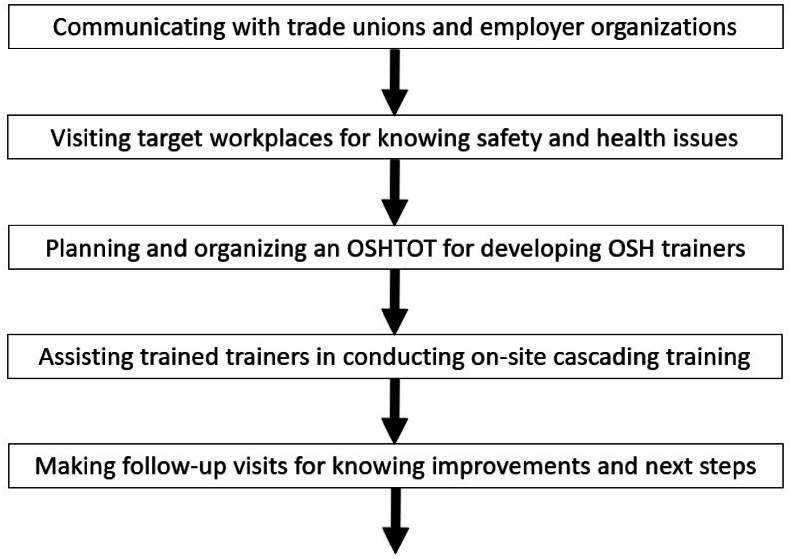
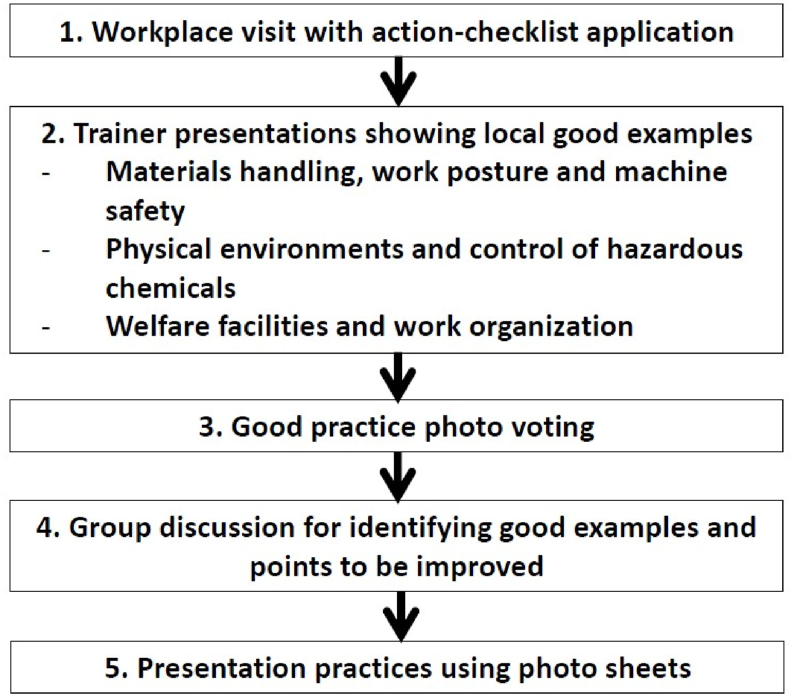
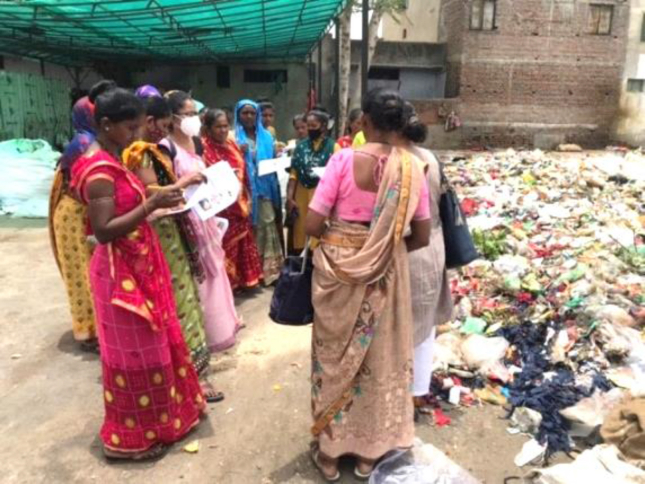
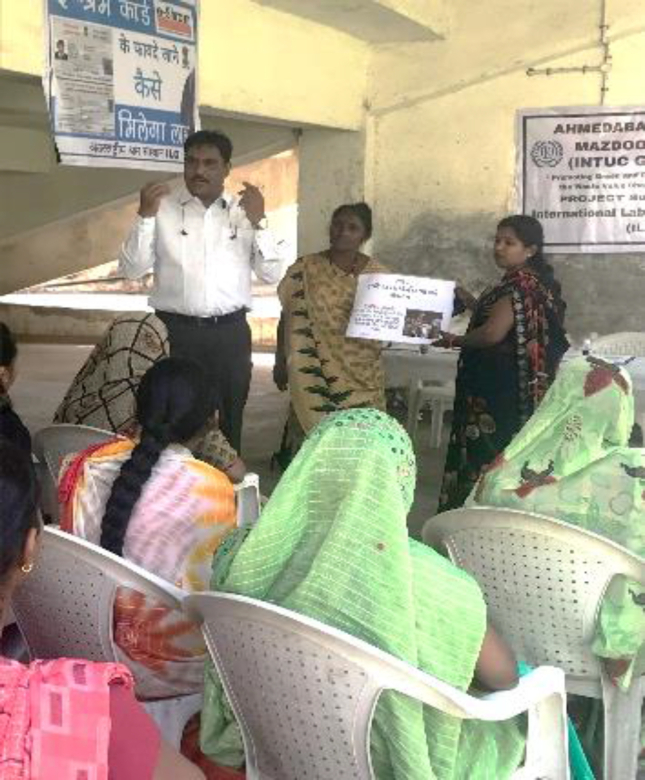
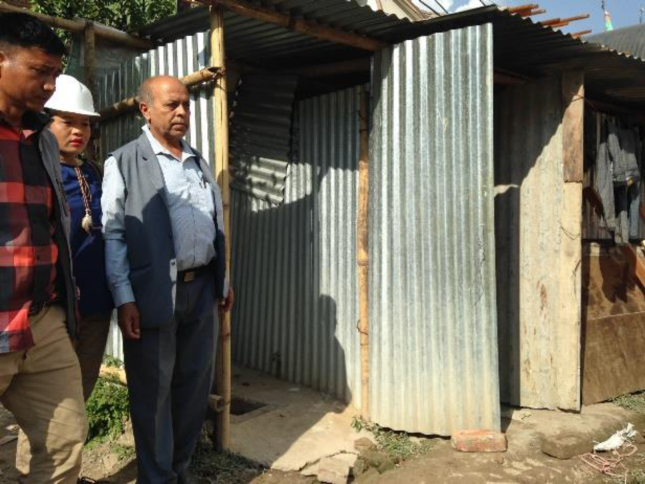
Workers and employers in the informal economy are often outside the scope of legal frameworks of occupational safety and health (OSH) service in South Asia. The present study aimed to find practical support measures to improve their safety and health. International Labour Organization's participatory training activities in five selected informal economy workplaces comprising waste collection and recycling in India, sewage cleaning in Pakistan, home-based manufacturing in Nepal, small-scale construction in Nepal, and cotton farming in India were studied. The common steps taken in the training were collaboration with local trade unions and employer organizations to reach informal economy workplaces, collection of local good practices in OSH for designing participatory training contents, training worker and employer OSH trainers, assisting trained worker and employer trainers in conducting cascading training activities in their own workplaces, and follow-up visits for support and sustainability. It was found that working with local trade unions and employer organizations had the strong potential to reach various informal economy workplaces. Applying the easy-to-apply participatory training methodologies was vital in delivering practical OSH support.
在南亚,非正规经济部门的工人和雇主往往不在职业安全与健康(OSH)服务法律框架范围内。本研究旨在找出改善他们安全与健康状况的切实可行的支持措施。对国际劳工组织在五个选定的非正规经济工作场所开展的参与式培训活动进行了研究,这些工作场所包括印度的垃圾收集与回收、巴基斯坦的污水清理、尼泊尔的家庭手工业、尼泊尔的小规模建筑以及印度的棉花种植。培训采取的常见步骤包括与当地工会和雇主组织合作以覆盖非正规经济工作场所、收集当地职业安全与健康方面的良好做法以设计参与式培训内容、培训工人和雇主职业安全与健康培训师、协助受过培训的工人和雇主培训师在其各自工作场所开展分级培训活动以及进行后续访问以提供支持并确保可持续性。研究发现,与当地工会和雇主组织合作极有可能覆盖各类非正规经济工作场所。应用易于实施的参与式培训方法对于提供切实可行的职业安全与健康支持至关重要。