Parra Amalia S, Johnston Christopher A
Department of Biology, U.S Department of Energy, (DOE), Oakridge Institute for Science and Education, (ORISE), Office of the Director of National Intelligence, (ODNI), University of New Mexico, Albuquerque, New Mexico, United States of America.
Department of Biology, University of New Mexico, Albuquerque, New Mexico, United States of America.
PLoS One. 2024 Dec 19;19(12):e0309221. doi: 10.1371/journal.pone.0309221. eCollection 2024.
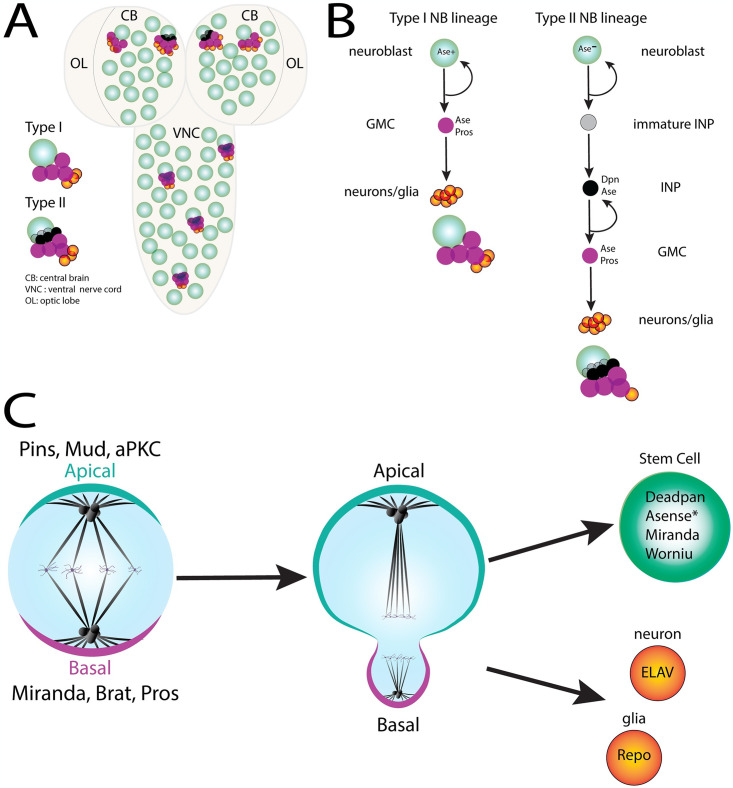
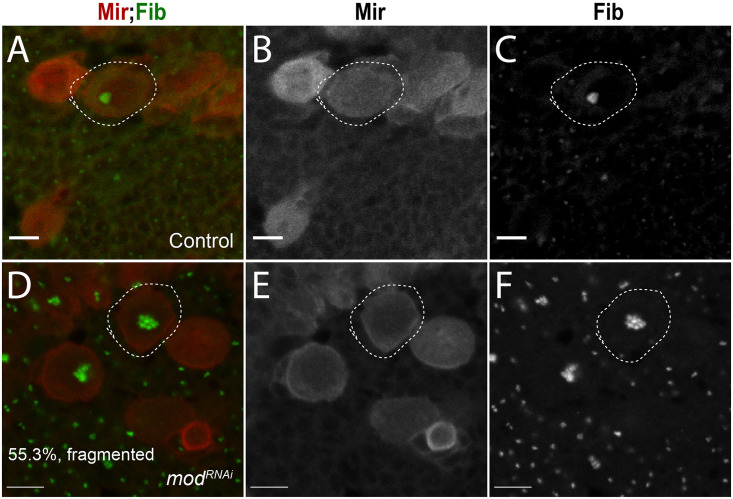
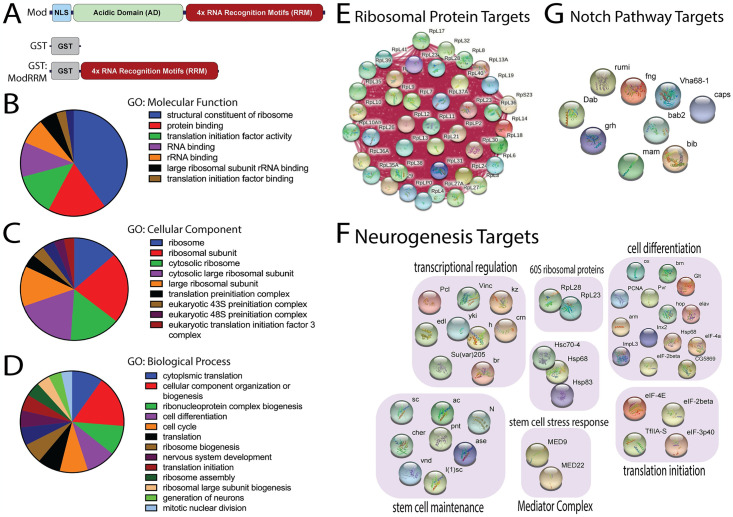
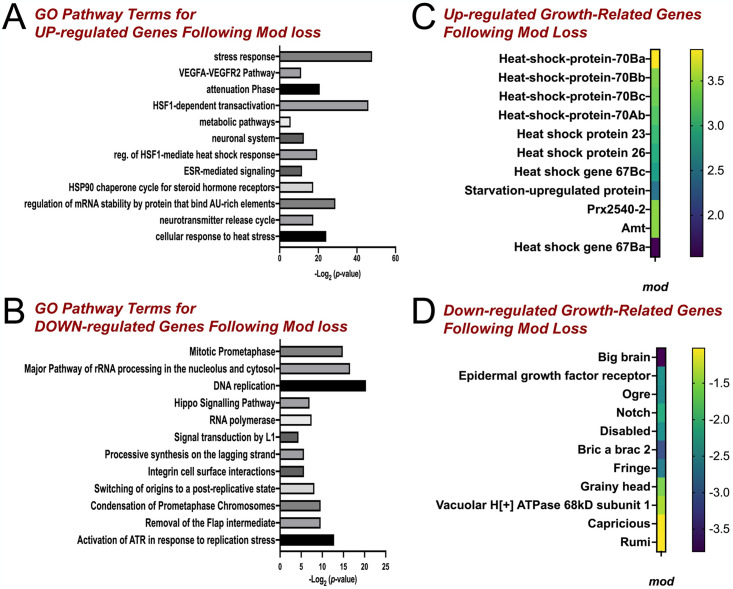
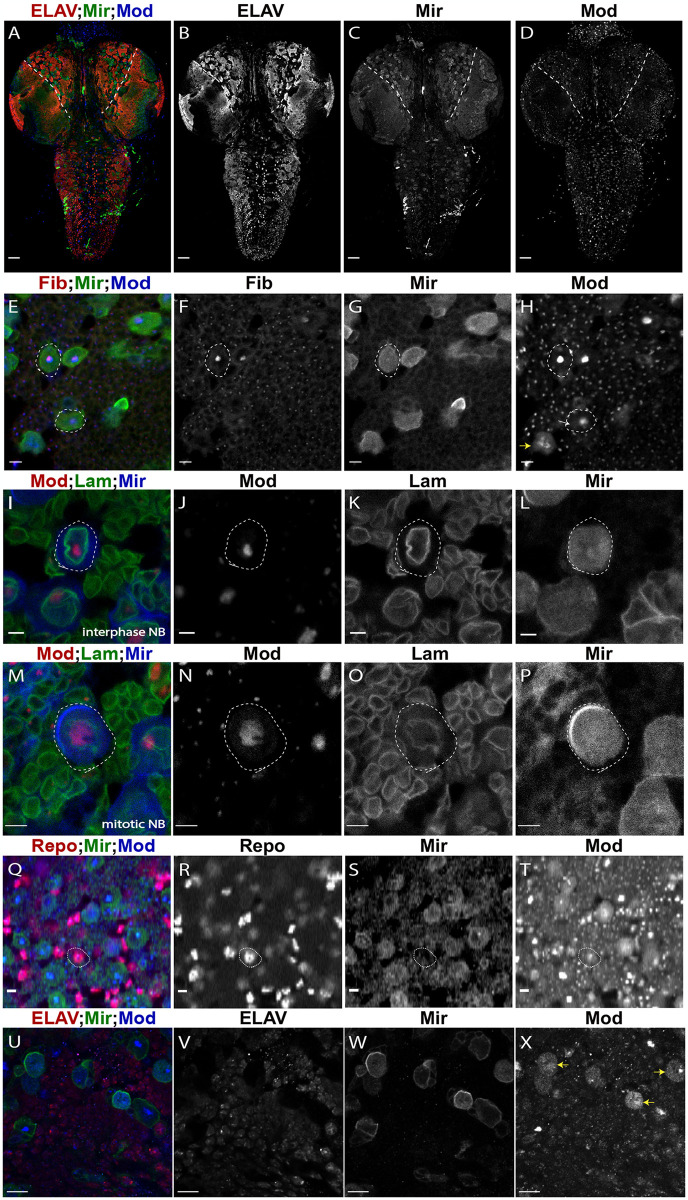
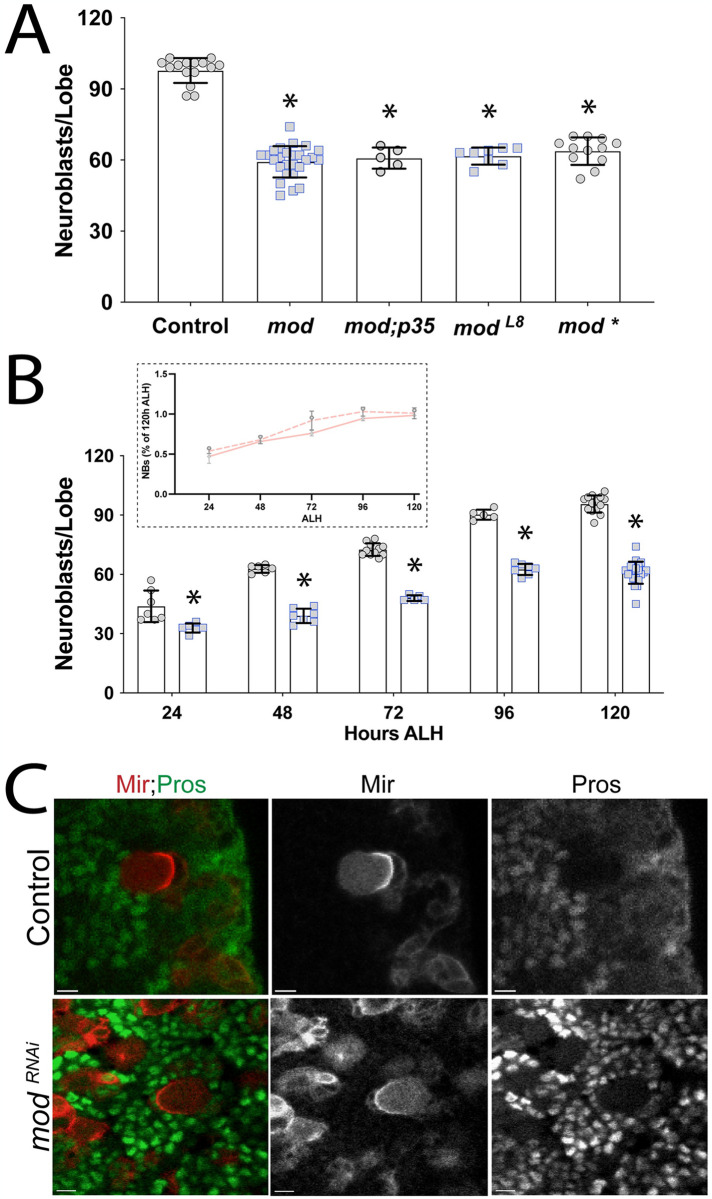
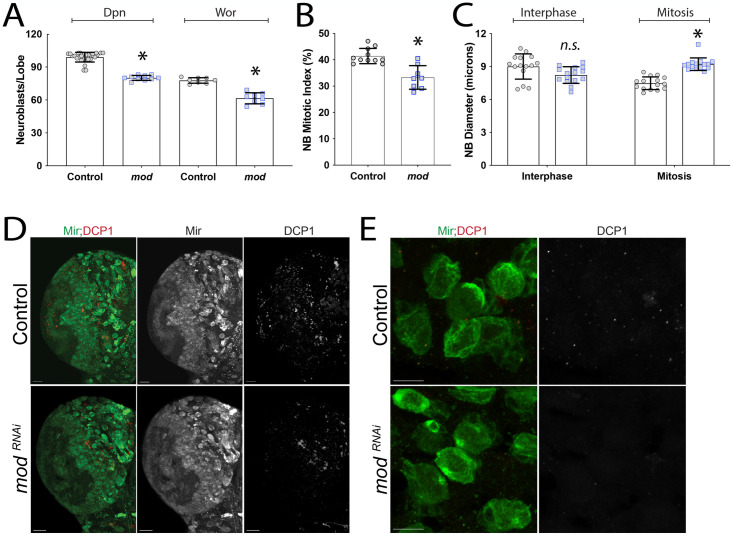
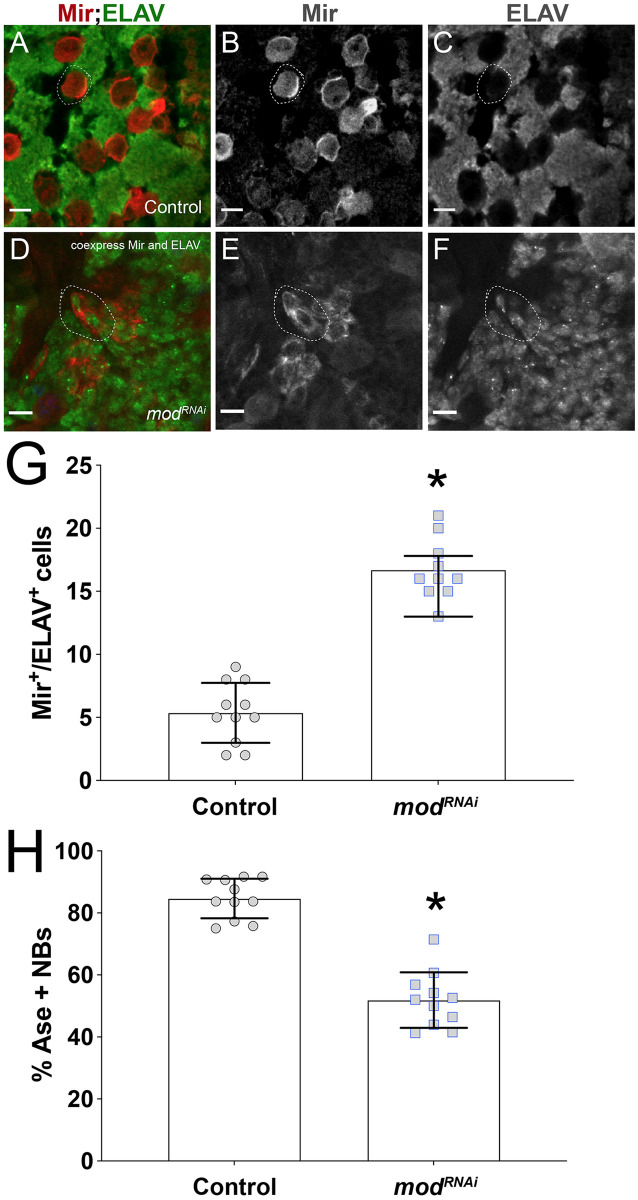
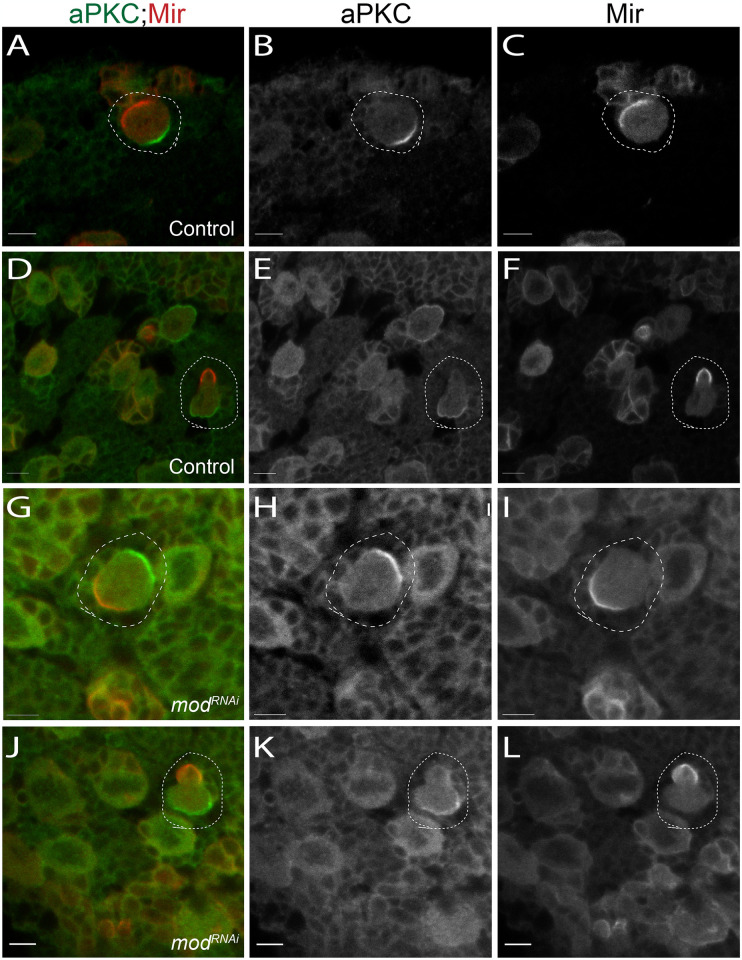
A small population of stem cells in the developing Drosophila central nervous system generates the large number of different cell types that make up the adult brain. To achieve this, these neural stem cells (neuroblasts, NBs) divide asymmetrically to produce non-identical daughter cells. The balance between stem cell self-renewal and neural differentiation is regulated by various cellular machinery, including transcription factors, chromatin remodelers, and RNA-binding proteins. The list of these components remains incomplete, and the mechanisms regulating their function are not fully understood, however. Here, we identify a role for the RNA-binding protein Modulo (Mod; nucleolin in humans) in NB maintenance. We employ transcriptomic analyses to identify RNA targets of Mod and assess changes in global gene expression following its knockdown, results of which suggest a link with notable proneural genes and those essential for neurogenesis. Mod is expressed in larval brains and its loss leads to a significant decrease in the number of central brain NBs. Stem cells that remain lack expression of key NB identity factors and exhibit cell proliferation defects. Mechanistically, our analysis suggests these deficiencies arise at least in part from altered cell cycle progression, with a proportion of NBs arresting prior to mitosis. Overall, our data show that Mod function is essential for neural stem cell maintenance during neurogenesis.
在发育中的果蝇中枢神经系统中,一小群干细胞产生了构成成体大脑的大量不同细胞类型。为实现这一点,这些神经干细胞(神经母细胞,NBs)进行不对称分裂以产生不同的子细胞。干细胞自我更新与神经分化之间的平衡由多种细胞机制调控,包括转录因子、染色质重塑因子和RNA结合蛋白。然而,这些成分的清单仍不完整,且调控其功能的机制尚未完全明确。在此,我们确定了RNA结合蛋白Modulo(Mod;人类中的核仁素)在NB维持中的作用。我们采用转录组分析来鉴定Mod的RNA靶标,并评估其敲低后全局基因表达的变化,结果表明其与显著的神经源性基因以及神经发生所必需的基因存在关联。Mod在幼虫大脑中表达,其缺失导致中枢脑NBs数量显著减少。剩余的干细胞缺乏关键NB身份因子的表达,并表现出细胞增殖缺陷。从机制上讲,我们的分析表明这些缺陷至少部分源于细胞周期进程的改变,一部分NBs在有丝分裂前停滞。总体而言,我们的数据表明Mod功能对于神经发生过程中神经干细胞的维持至关重要。