Xu Mengjiao, Xu Chao, Qiu Yu, Feng Yushuo, Shi Qianqian, Liu Yaqing, Deng Huaping, Ma Xiaoqian, Lin Nuo, Shi Qunying, Shen Zhiyang, Meng Shanshan, Yang Jiang, Chen Hongmin, Xue Fangqin
State Key Laboratory of Vaccines for Infectious Diseases, Center for Molecular Imaging and Translational Medicine, Xiang An Biomedicine Laboratory, School of Public Health, Xiamen University, Xiamen, China.
State Key Laboratory of Molecular Vaccinology and Molecular Diagnostics, National Innovation Platform for Industry-Education Intergration in Vaccine Research, Xiamen University, Xiamen, China.
J Nanobiotechnology. 2024 Dec 19;22(1):782. doi: 10.1186/s12951-024-02999-z.
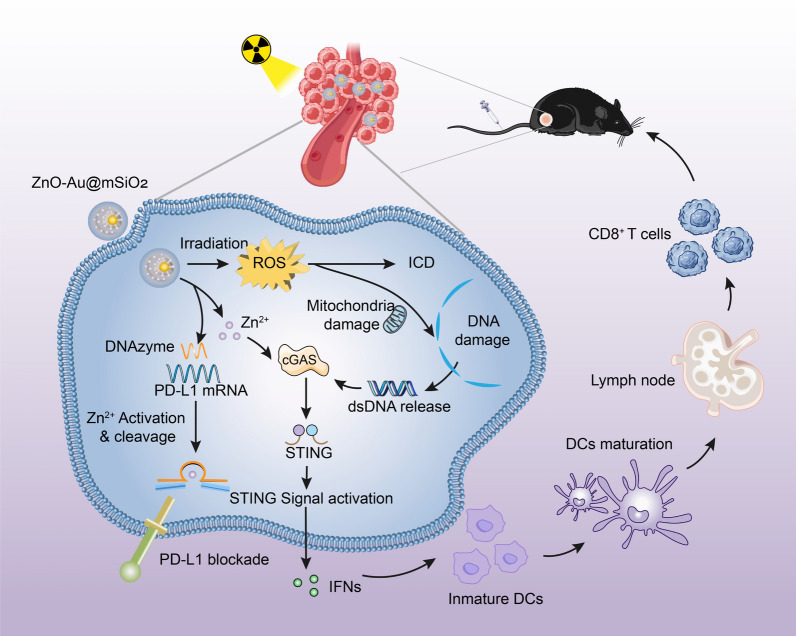
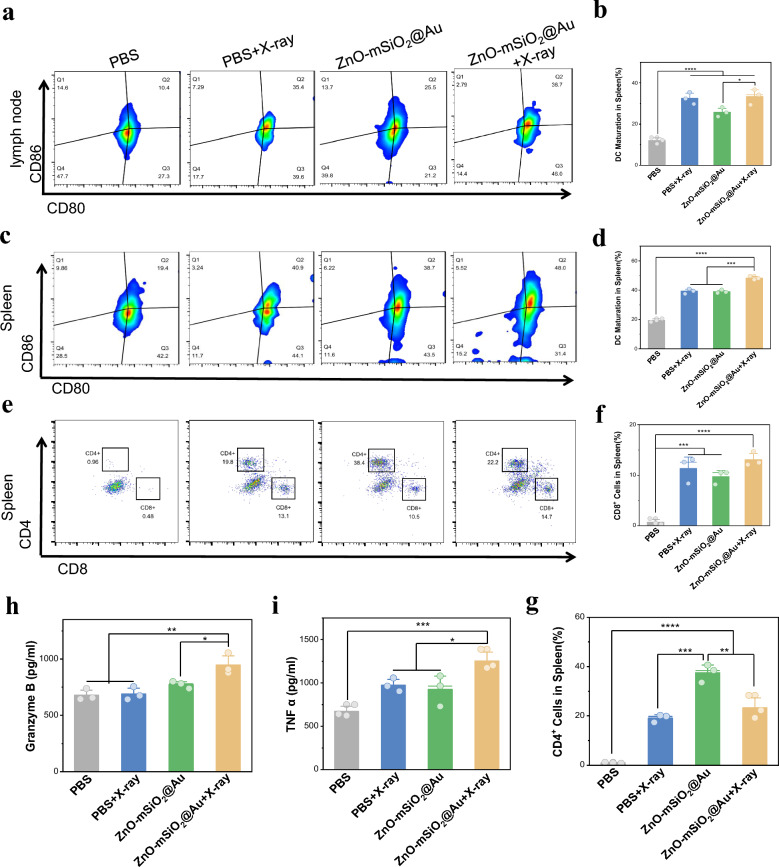
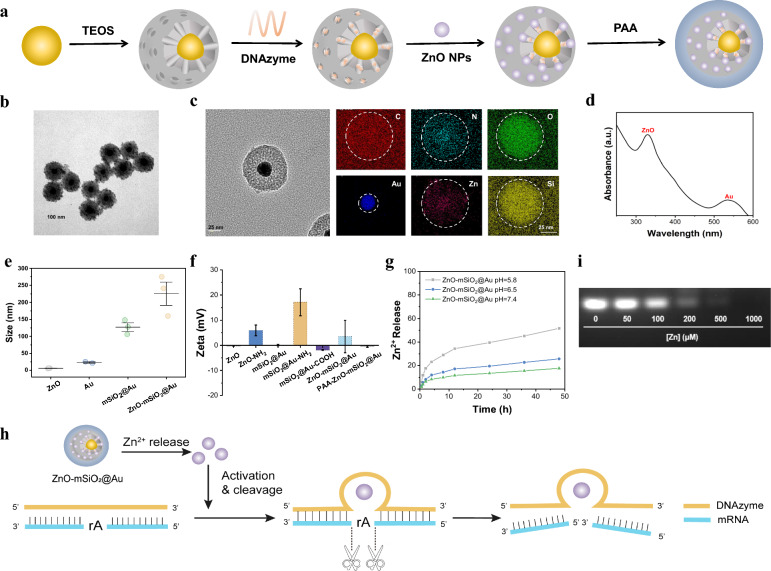
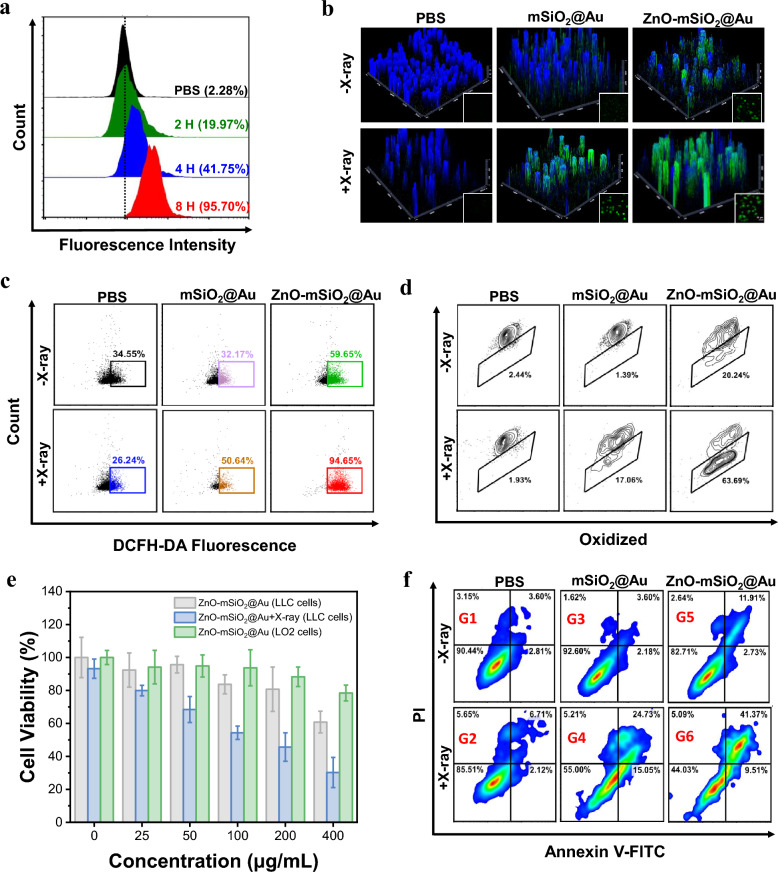
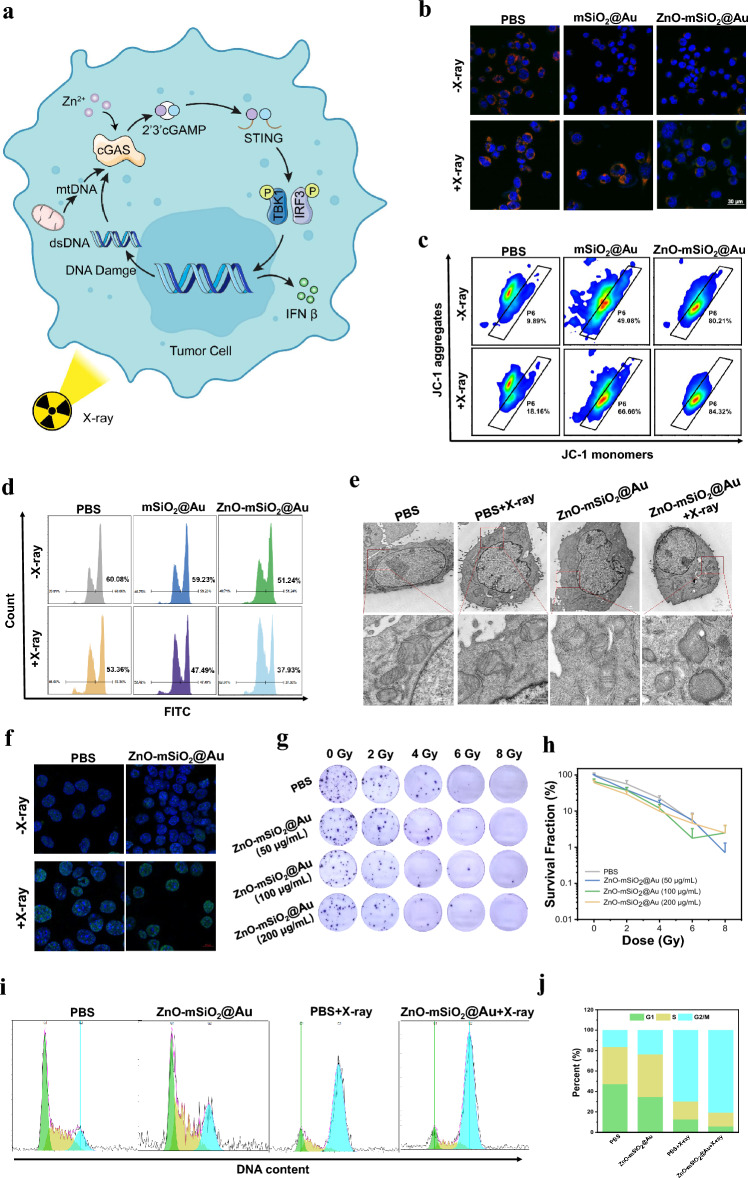
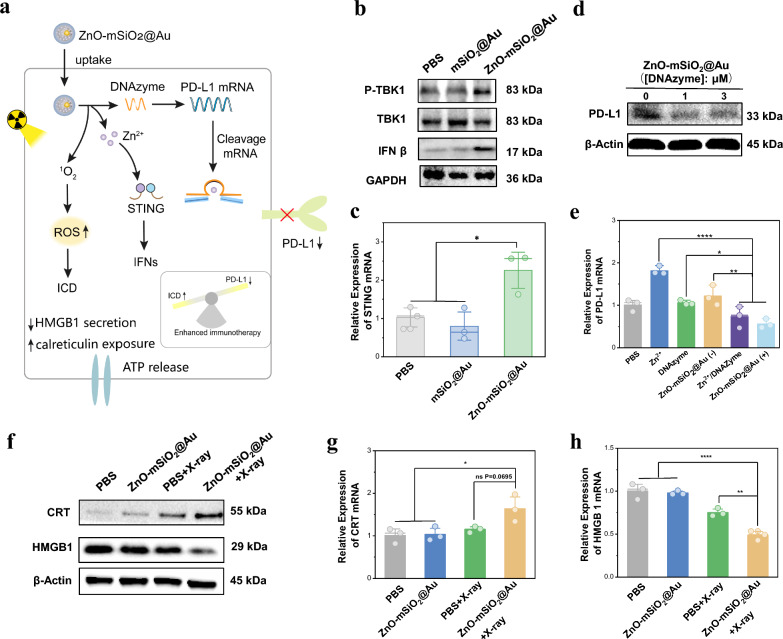
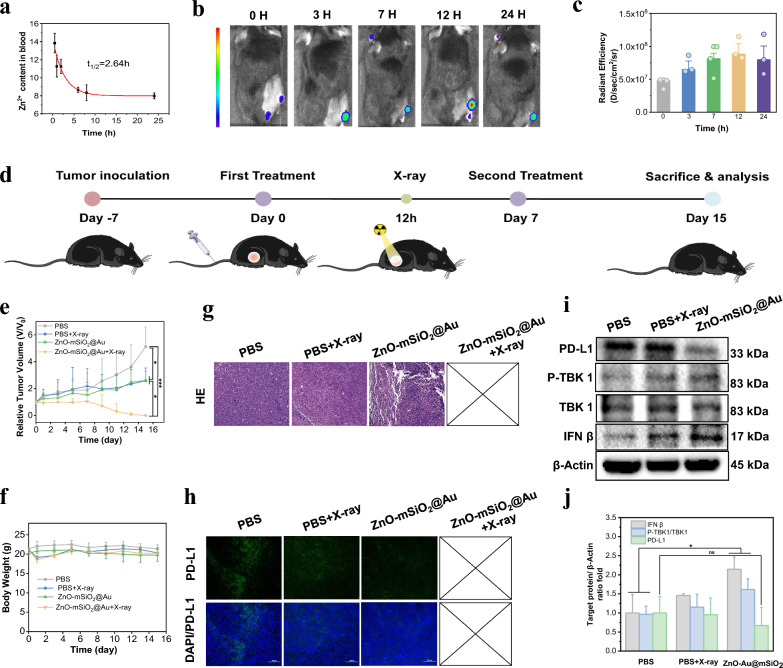
Radiotherapy and immunotherapy have already become the primary form of treatment for non-small-cell lung cancer (NSCLC), but are limited by high radiotherapy dose and low immune response rate. Herein, a multi-pronged strategy using a radio-immuno-enhancer (ZnO-Au@mSiO) is developed by inducing tumor cells apoptosis and reprograming the immunosuppressive tumor microenvironment (TME). The radio-immuno-enhancer employed Au as a radiosensitizer, transition Zn ions as immune activators, which not only tremendously enhances the anti-proliferative activity of radiotherapy toward cancer cells, but also activates the immune response with multi-targets to let "exhausted" T cells "back to life" by triggering immunogenic cell death (ICD), immune checkpoint blockade (ICB) that target PD-1/PD-L1 and cGAS-STING under X-ray irradiation with a low dosage. The in vivo results demonstrate desirable antitumor and immunogenic effects of radio-immuno-enhancer-mediated immune activation by increasing the ratio of cytotoxic T cells (CTLs) and helper T cells. This work provides a feasible approach for future development of effective transition metal ion-activated radio-immunotherapeutic agents.
放射疗法和免疫疗法已成为非小细胞肺癌(NSCLC)的主要治疗方式,但受到高放射剂量和低免疫应答率的限制。在此,通过诱导肿瘤细胞凋亡和重编程免疫抑制性肿瘤微环境(TME),开发了一种使用放射免疫增强剂(ZnO-Au@mSiO)的多管齐下策略。该放射免疫增强剂采用金作为放射增敏剂,过渡锌离子作为免疫激活剂,不仅极大地增强了放射疗法对癌细胞的抗增殖活性,还通过触发免疫原性细胞死亡(ICD)、靶向PD-1/PD-L1的免疫检查点阻断(ICB)以及在低剂量X射线照射下激活cGAS-STING,以多靶点激活免疫应答,使“耗竭”的T细胞“重获新生”。体内实验结果表明,放射免疫增强剂通过增加细胞毒性T细胞(CTL)和辅助性T细胞的比例,介导免疫激活,具有理想的抗肿瘤和免疫原性效应。这项工作为未来开发有效的过渡金属离子激活的放射免疫治疗药物提供了一种可行的方法。