Wang Zhe, Ou Qingjian, Liu Ying, Liu Yuanyuan, Zhu Qingwei, Feng Jingqiu, Han Fengze, Gao Lu
Department of Physiology, College of Basic Medical Sciences, Naval Medical University, Shanghai, 200433, China.
Laboratory of Clinical and Visual Sciences, Tongji Hospital, School of Medicine, Tongji University, Shanghai, 200331, China.
J Ovarian Res. 2024 Dec 19;17(1):245. doi: 10.1186/s13048-024-01568-0.
As a widespread epidemic, obesity poses a significant risk to health and leads to physiological abnormalities, including diabetes mellitus and inflammation. Obesity-induced inflammation can accelerate the development of various cancers; however, the role of obesity in the migration of ovarian carcinoma is still unclear.
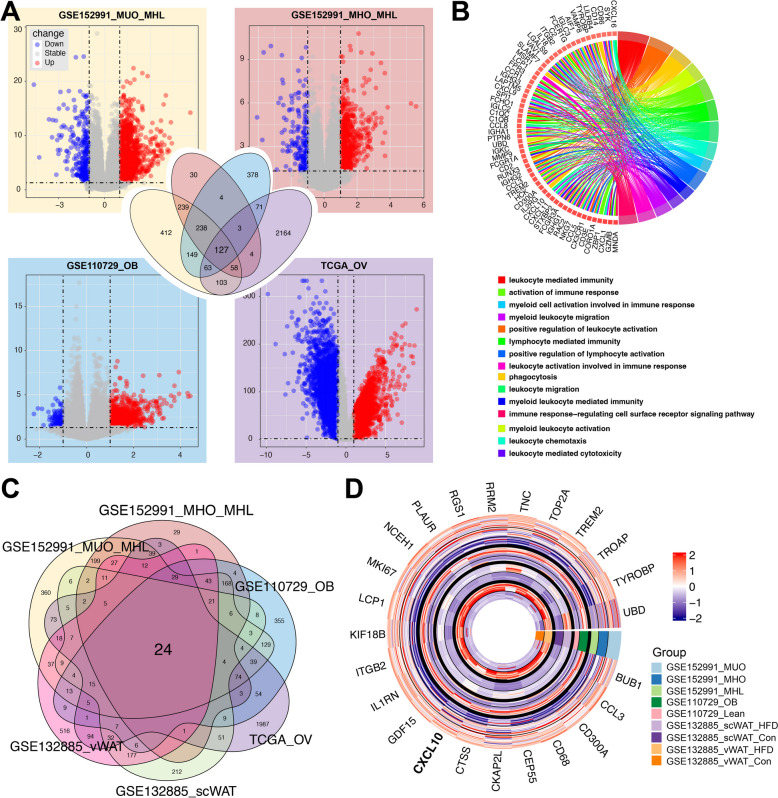
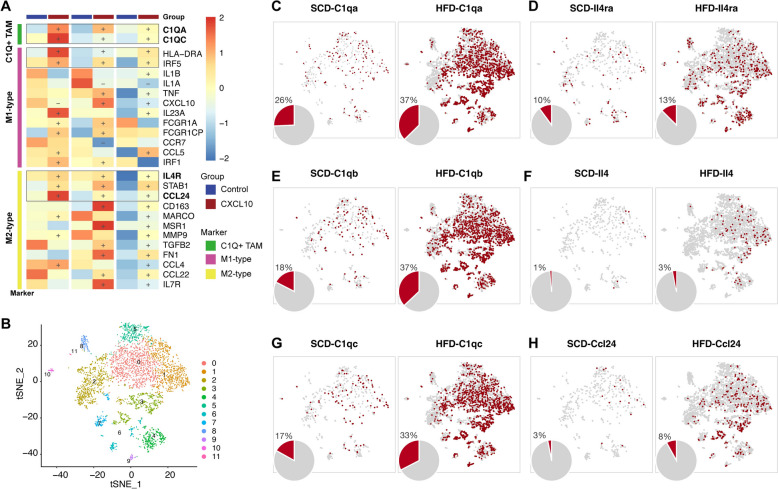
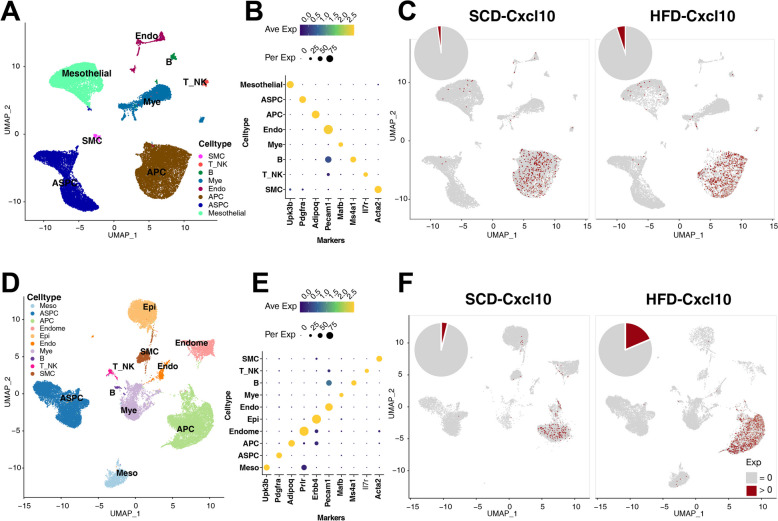
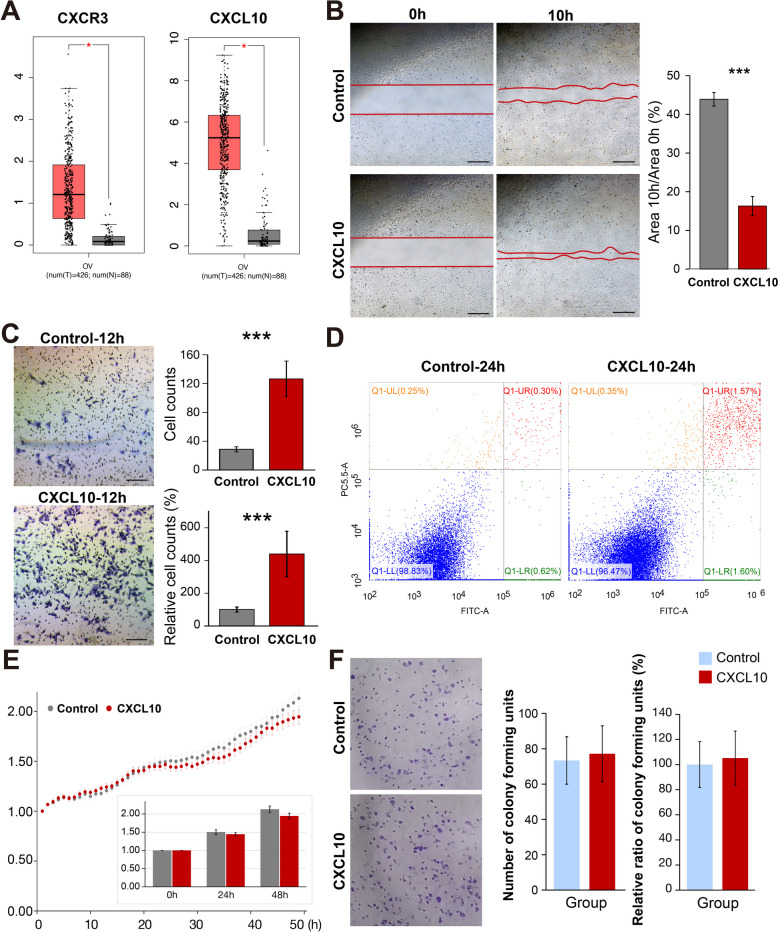
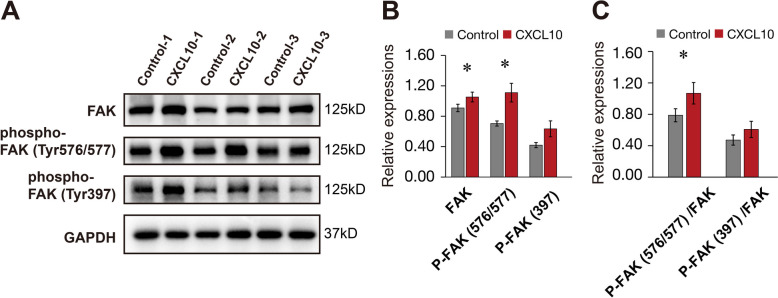
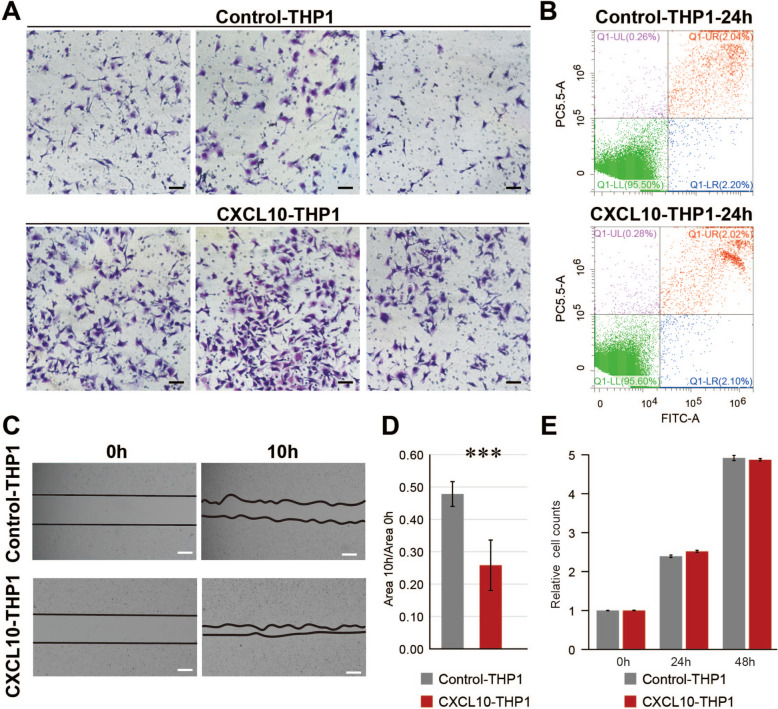
Twenty-four commonly upregulated genes were identified from single-cell RNA sequencing datasets of both ovarian carcinoma and adipose tissue of obese humans, with the chemokine CXCL10 showing a significant increase in adipose tissues associated with obesity. And CXCL10 treated primed macrophages exhibit both direct and indirect effects on the proliferation, apoptosis, migration, and invasion of ovarian adenocarcinoma cells. The treatment of CXCL10 on the SKOV3 cells enhances FAK expression and phosphorylation, thereby accelerating the migration and invasion of ovarian cancer cells. Conditioned medium-derived from CXCL10-treated THP-1 cells significantly promoted ovarian cancer cell migration and invasion, which may be attributed to the increased expression of C1QA, C1QC, CCL24, and IL4R in macrophages.
Obesity exacerbates the production of CXCL10 from adipose tissues in obese women. CXCL10 is a key hub factor between developments of ovarian cancer and adipose tissues in obese. Targeting adipose-derived CXCL10 or its downstream macrophages may be a potential strategy to alleviate ovarian cancer accompanied by obesity.
肥胖作为一种广泛流行的疾病,对健康构成重大风险,并导致生理异常,包括糖尿病和炎症。肥胖引起的炎症会加速各种癌症的发展;然而,肥胖在卵巢癌转移中的作用仍不清楚。
从肥胖人群的卵巢癌和脂肪组织的单细胞RNA测序数据集中鉴定出24个常见的上调基因,趋化因子CXCL10在与肥胖相关的脂肪组织中显著增加。并且CXCL10处理的致敏巨噬细胞对卵巢腺癌细胞的增殖、凋亡、迁移和侵袭具有直接和间接影响。CXCL10对SKOV3细胞的处理增强了FAK的表达和磷酸化,从而加速了卵巢癌细胞的迁移和侵袭。来自CXCL10处理的THP-1细胞的条件培养基显著促进了卵巢癌细胞的迁移和侵袭,这可能归因于巨噬细胞中C1QA、C1QC、CCL24和IL4R表达的增加。
肥胖加剧了肥胖女性脂肪组织中CXCL10的产生。CXCL10是肥胖人群卵巢癌发展与脂肪组织之间的关键枢纽因子。靶向脂肪来源的CXCL10或其下游巨噬细胞可能是缓解肥胖伴发卵巢癌的潜在策略。