Tang Shou-Ching, Wynn Carrie, Le Tran, McCandless Martin, Zhang Yunxi, Patel Ritesh, Maihle Nita, Hillegass William
LSU-LCMC Cancer Center, Louisiana State University (LSU) Health Sciences Center, New Orleans, LA, U.S.A..
Department of Medicine, University of Mississippi Medical Center, Jackson, MS, U.S.A.
Cancer Metastasis Rev. 2024 Dec 20;44(1):18. doi: 10.1007/s10555-024-10231-5.
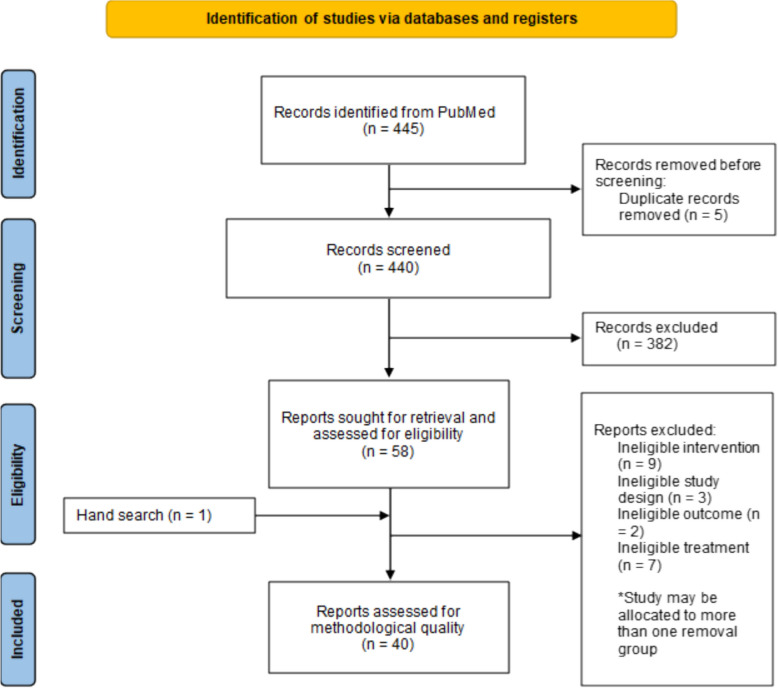
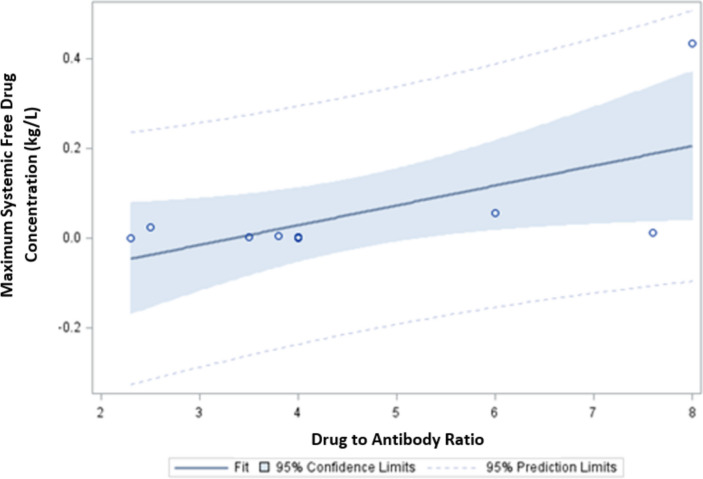
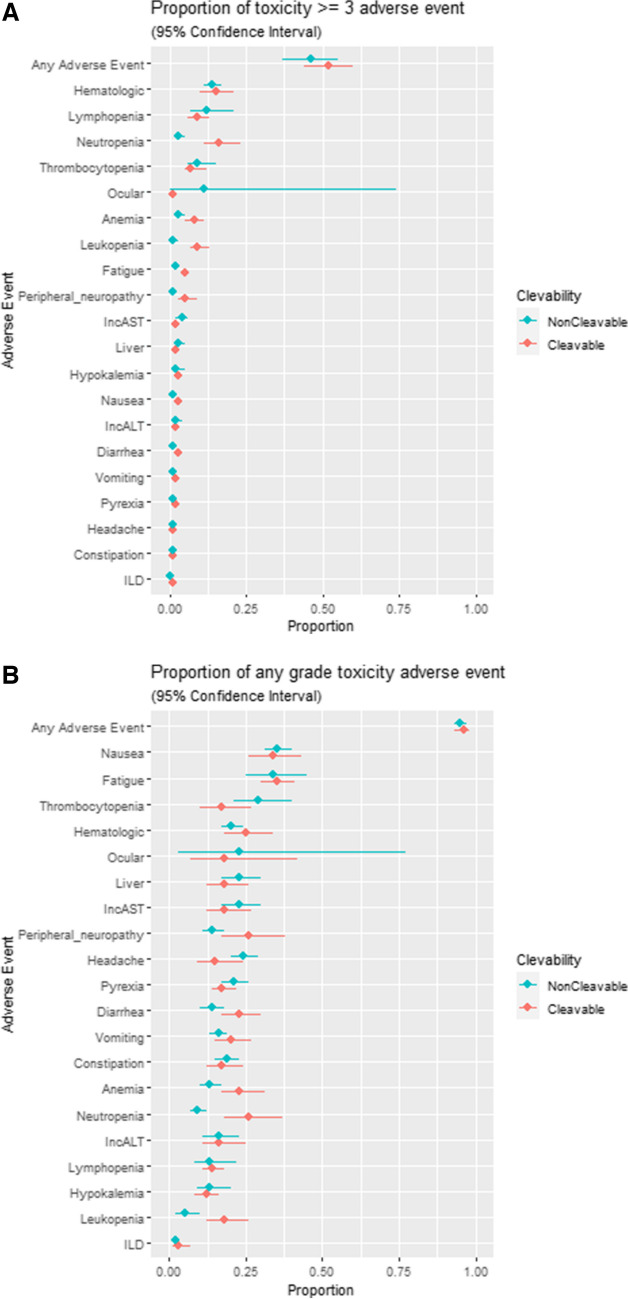
While in theory antibody drug conjugates (ADCs) deliver high-dose chemotherapy directly to target cells, numerous side effects are observed in clinical practice. We sought to determine the effect of linker design (cleavable versus non-cleavable), drug-to-antibody ratio (DAR), and free payload concentration on systemic toxicity. Two systematic reviews were performed via PubMed search of clinical trials published between January 1998-July 2022. Eligible studies: (1) clinical trial for cancer therapy in adults, (2) ≥ 1 study arm included a single-agent ADC, (3) ADC used was commercially available/FDA-approved. Data was extracted and pooled using generalized linear mixed effects logistic models. 40 clinical trials involving 7,879 patients from 11 ADCs, including 9 ADCs with cleavable linkers (N = 2,985) and 2 with non-cleavable linkers (N = 4,894), were included. Significantly more composite adverse events (AEs) ≥ grade 3 occurred in patients in the cleavable linkers arm (47%) compared with the non-cleavable arm (34%). When adjusted for DAR, for grade ≥ 3 toxicities, non-cleavable linkers remained independently associated with lower toxicity for any AE (p = 0.002). Higher DAR was significantly associated with higher probability of grade ≥ 3 toxicity for any AE. There was also a significant interaction between cleavability status and DAR for any AE (p = 0.002). Finally, higher measured systemic free payload concentrations were significantly associated with higher DARs (p = 0.043). Our results support the hypothesis that ADCs with cleavable linkers result in premature payload release, leading to increased systemic free payload concentrations and associated toxicities. This may help to inform future ADC design and rational clinical application.
虽然理论上抗体药物偶联物(ADC)可将高剂量化疗药物直接递送至靶细胞,但在临床实践中观察到了许多副作用。我们试图确定连接子设计(可裂解与不可裂解)、药物与抗体比率(DAR)以及游离有效载荷浓度对全身毒性的影响。通过PubMed搜索1998年1月至2022年7月发表的临床试验进行了两项系统评价。符合条件的研究:(1)针对成人癌症治疗的临床试验,(2)≥1个研究组包括单药ADC,(3)使用的ADC为市售/美国食品药品监督管理局(FDA)批准的产品。使用广义线性混合效应逻辑模型提取和汇总数据。纳入了40项涉及来自11种ADC的7879例患者的临床试验,其中包括9种具有可裂解连接子的ADC(N = 2985)和2种具有不可裂解连接子的ADC(N = 4894)。与不可裂解连接子组(34%)相比,可裂解连接子组患者中发生的≥3级复合不良事件(AE)明显更多(47%)。在调整DAR后,对于≥3级毒性,不可裂解连接子与任何AE的较低毒性仍独立相关(p = 0.002)。较高的DAR与任何AE发生≥3级毒性的较高概率显著相关。对于任何AE,可裂解状态与DAR之间也存在显著交互作用(p = 0.002)。最后,测得的较高全身游离有效载荷浓度与较高的DAR显著相关(p = 0.043)。我们的结果支持以下假设:具有可裂解连接子的ADC会导致有效载荷过早释放,从而导致全身游离有效载荷浓度增加及相关毒性。这可能有助于为未来的ADC设计和合理的临床应用提供参考。