Al-Shourbaji Ibrahim, Kachare Pramod H, Jabbari Abdoh, Kirner Raimund, Puri Digambar, Mehanawi Mostafa, Alameen Abdalla
Department of Electrical and Electronics Engineering, Jazan University, Jazan, Saudi Arabia.
Department of Computer Science, University of Hertfordshire, Hatfield, United Kingdom.
PLoS One. 2024 Dec 20;19(12):e0314391. doi: 10.1371/journal.pone.0314391. eCollection 2024.
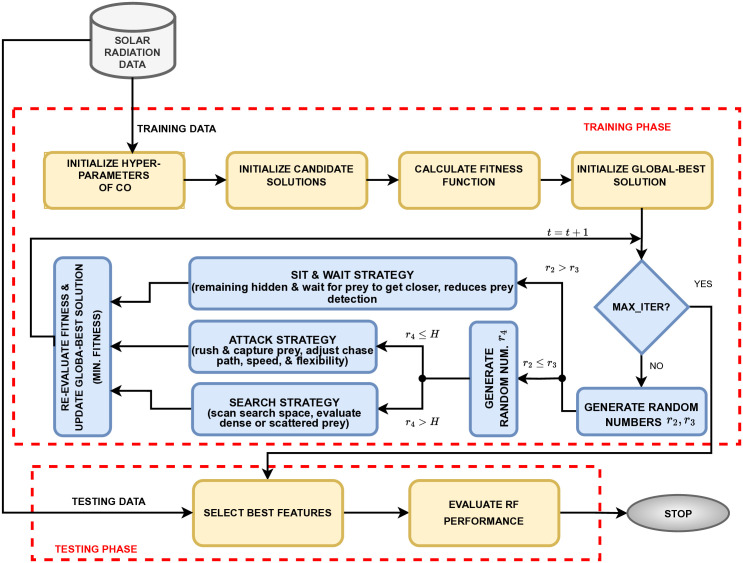
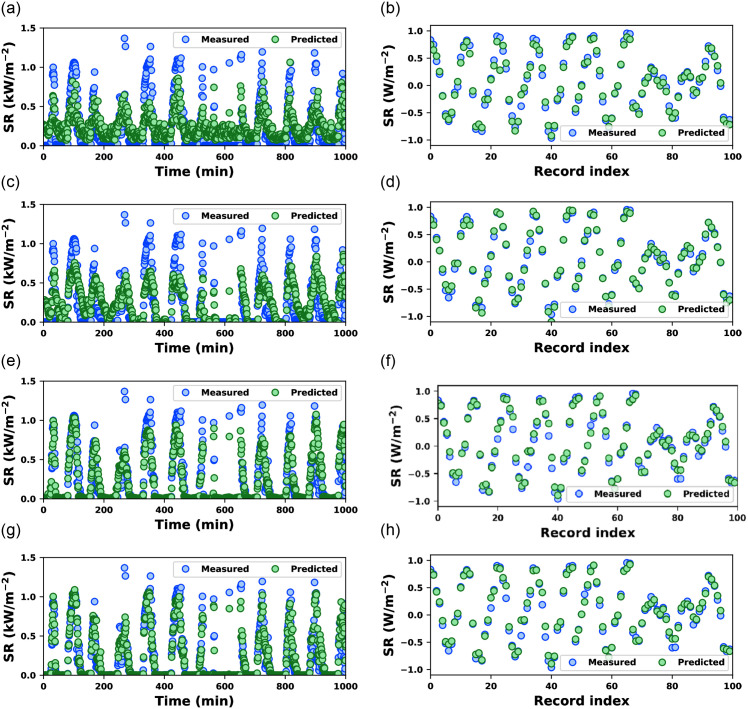
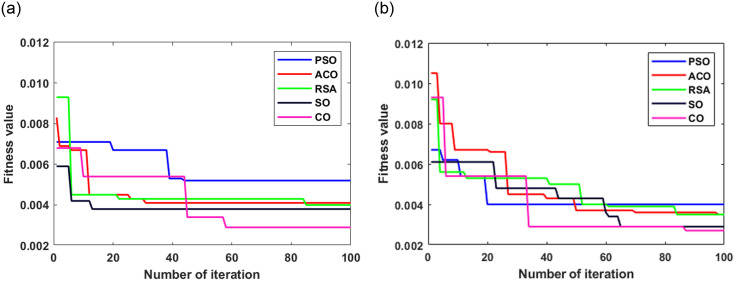
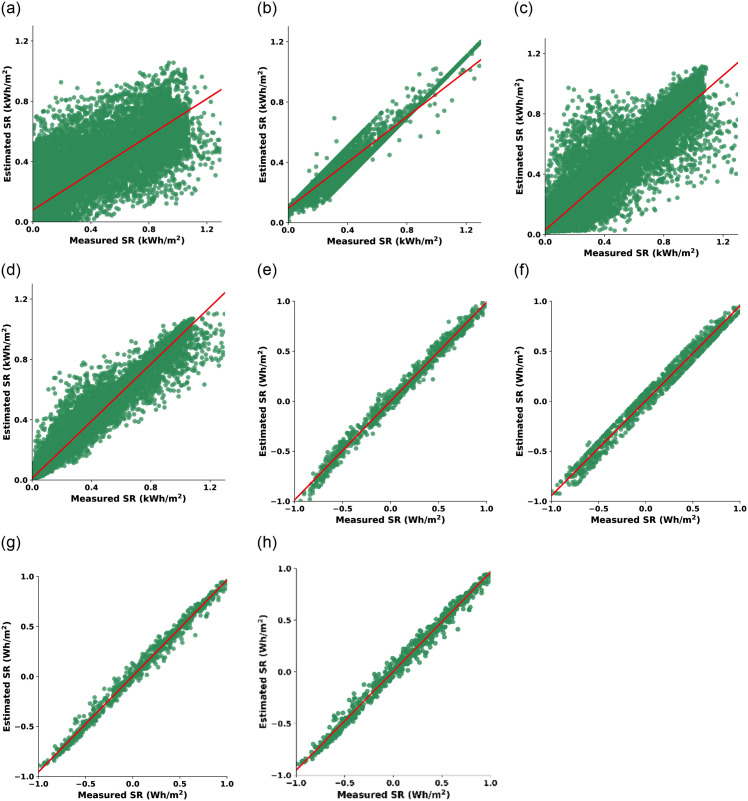
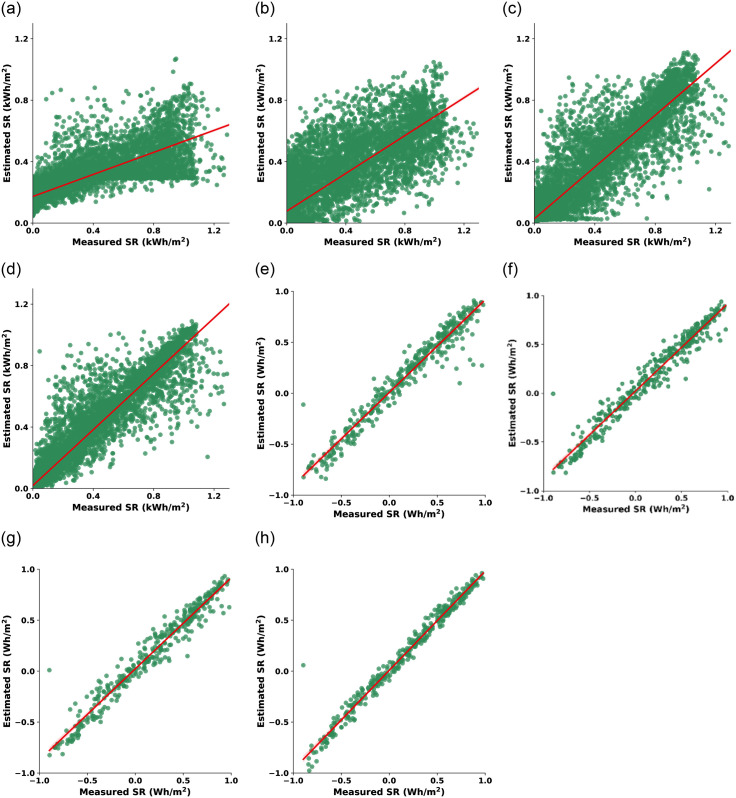
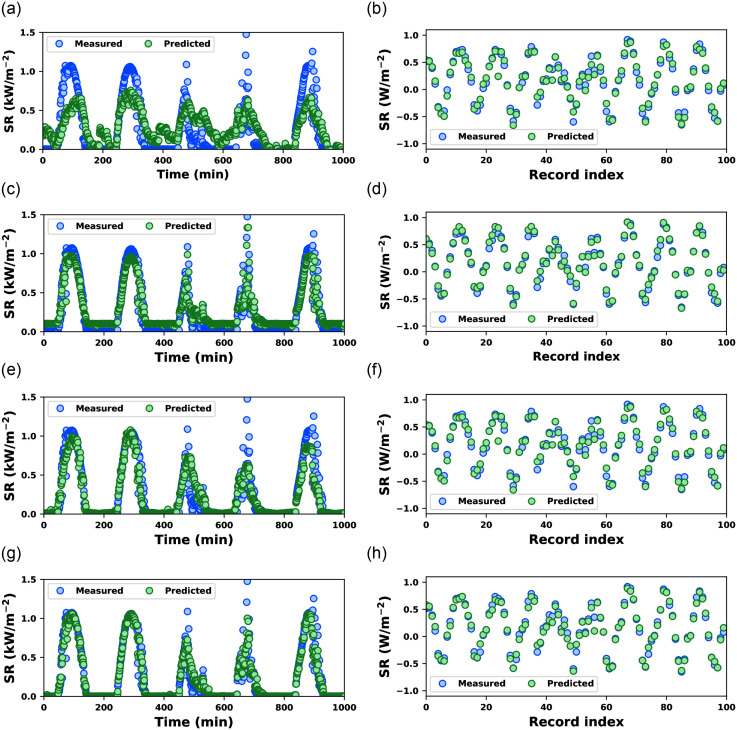
In the contemporary context of a burgeoning energy crisis, the accurate and dependable prediction of Solar Radiation (SR) has emerged as an indispensable component within thermal systems to facilitate renewable energy generation. Machine Learning (ML) models have gained widespread recognition for their precision and computational efficiency in addressing SR prediction challenges. Consequently, this paper introduces an innovative SR prediction model, denoted as the Cheetah Optimizer-Random Forest (CO-RF) model. The CO component plays a pivotal role in selecting the most informative features for hourly SR forecasting, subsequently serving as inputs to the RF model. The efficacy of the developed CO-RF model is rigorously assessed using two publicly available SR datasets. Evaluation metrics encompassing Mean Absolute Error (MAE), Mean Squared Error (MSE), and coefficient of determination (R2) are employed to validate its performance. Quantitative analysis demonstrates that the CO-RF model surpasses other techniques, Logistic Regression (LR), Support Vector Machine (SVM), Artificial Neural Network, and standalone Random Forest (RF), both in the training and testing phases of SR prediction. The proposed CO-RF model outperforms others, achieving a low MAE of 0.0365, MSE of 0.0074, and an R2 of 0.9251 on the first dataset, and an MAE of 0.0469, MSE of 0.0032, and R2 of 0.9868 on the second dataset, demonstrating significant error reduction.
在当前能源危机日益加剧的背景下,准确可靠地预测太阳辐射(SR)已成为热系统中促进可再生能源发电不可或缺的一部分。机器学习(ML)模型因其在应对SR预测挑战方面的精度和计算效率而获得广泛认可。因此,本文介绍了一种创新的SR预测模型,称为猎豹优化器-随机森林(CO-RF)模型。CO组件在为每小时的SR预测选择最具信息性的特征方面起着关键作用,随后将这些特征作为输入提供给RF模型。使用两个公开可用的SR数据集对所开发的CO-RF模型的有效性进行了严格评估。采用包括平均绝对误差(MAE)、均方误差(MSE)和决定系数(R2)在内的评估指标来验证其性能。定量分析表明,在SR预测的训练和测试阶段,CO-RF模型均优于其他技术,如逻辑回归(LR)、支持向量机(SVM)、人工神经网络和独立随机森林(RF)。所提出的CO-RF模型表现优于其他模型,在第一个数据集上实现了低MAE为0.0365、MSE为0.0074和R2为0.9251,在第二个数据集上实现了MAE为0.0469、MSE为0.0032和R2为0.9868,显示出显著的误差降低。