Sasaki Nobunari, Homme Mizuki, Murayama Takahiko, Osaki Tatsuya, Tenma Toshiyuki, An Tadaichi, Takegami Yujiro, Tani Tetsuo, Gedeon Patrick C, Kobayashi Yoshihisa, Cañadas Israel, Barbie David A, Yao Ryoji, Kitajima Shunsuke
Department of Cell Biology, Cancer Institute, Japanese Foundation for Cancer Research, Koto-ku, Tokyo 135-8550, Japan.
Blood Cell Development and Function Program, Fox Chase Cancer Center, Philadelphia, PA 19111, USA.
Mol Cell. 2025 Feb 20;85(4):770-786.e7. doi: 10.1016/j.molcel.2024.11.025. Epub 2024 Dec 19.
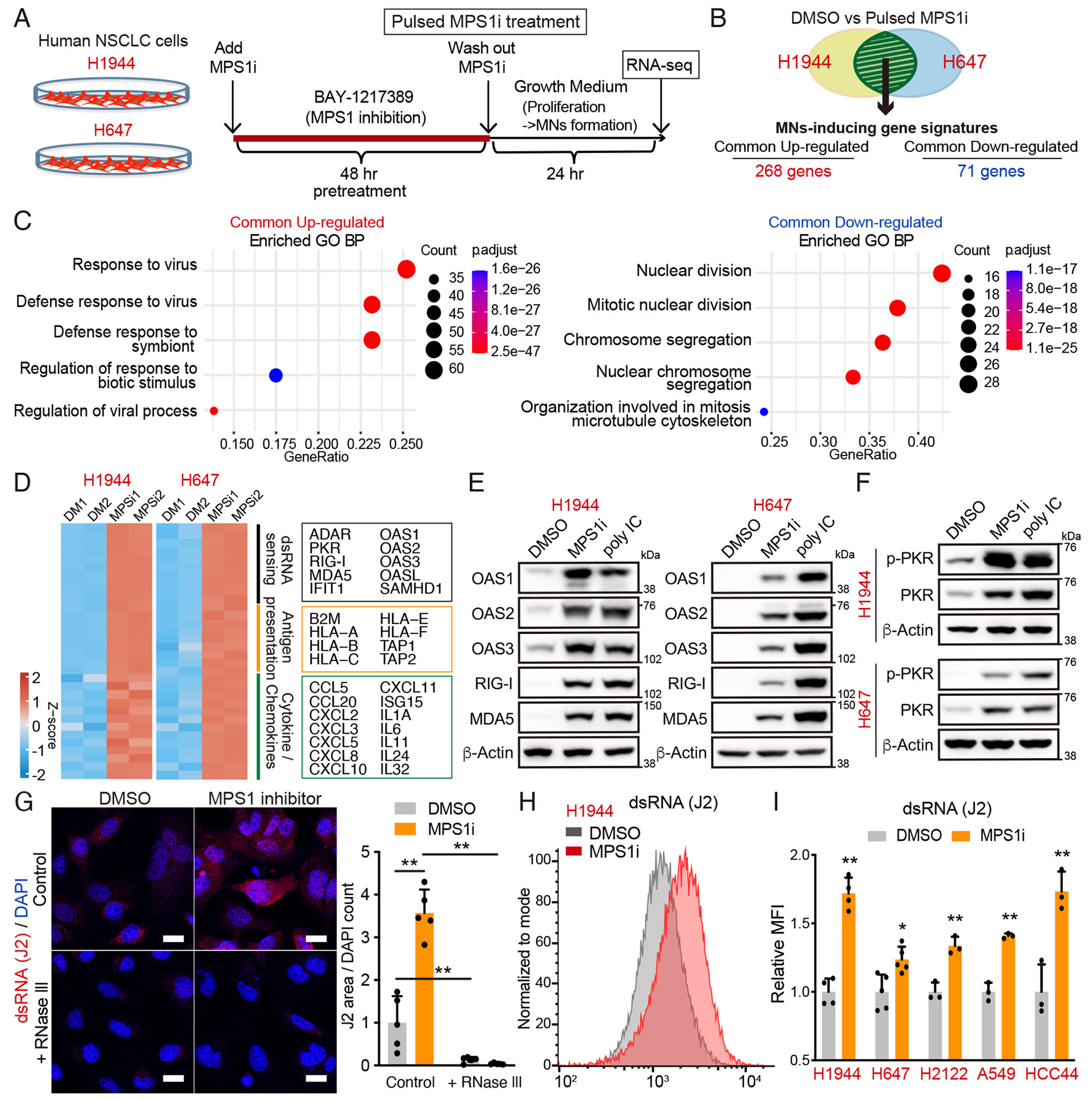
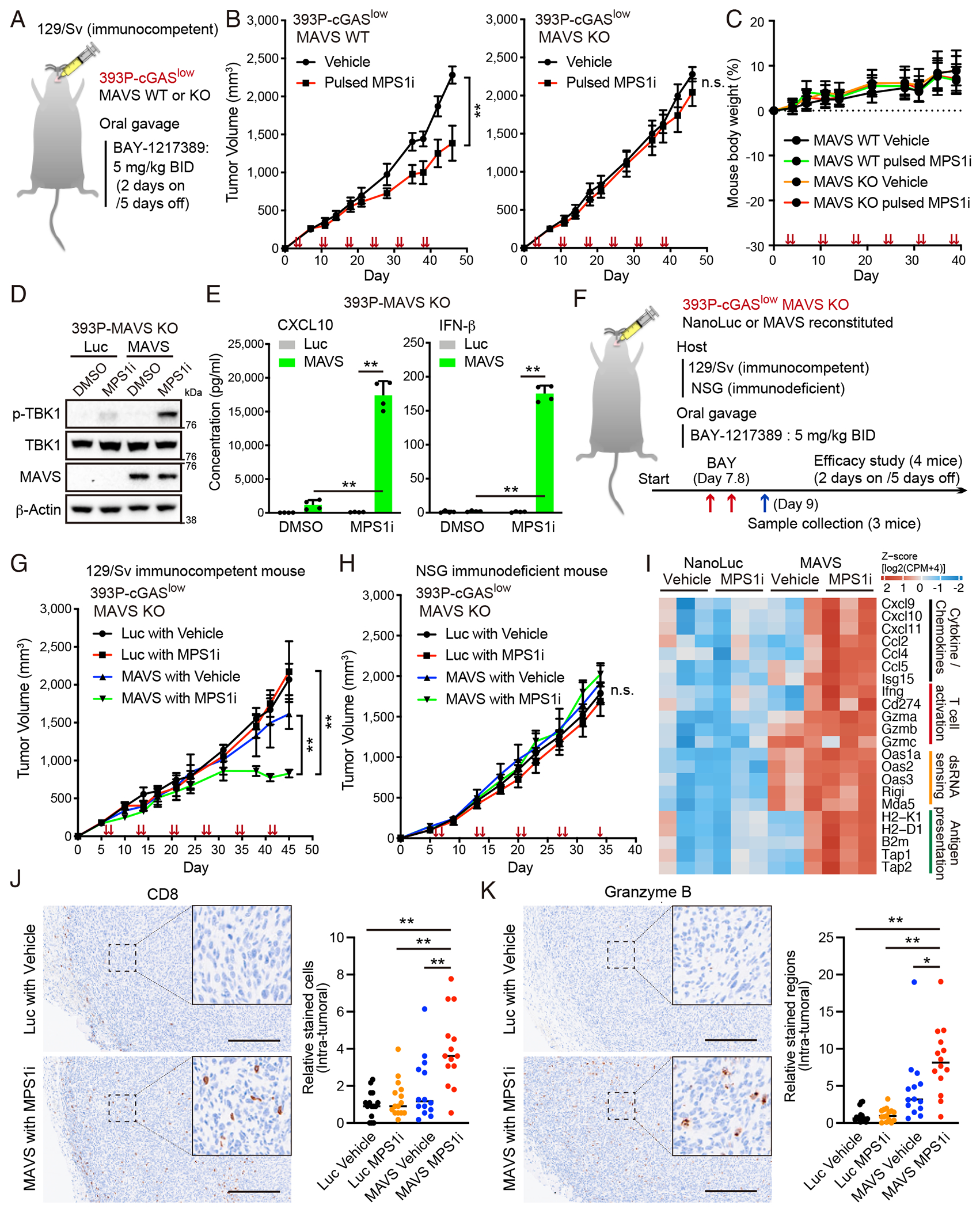
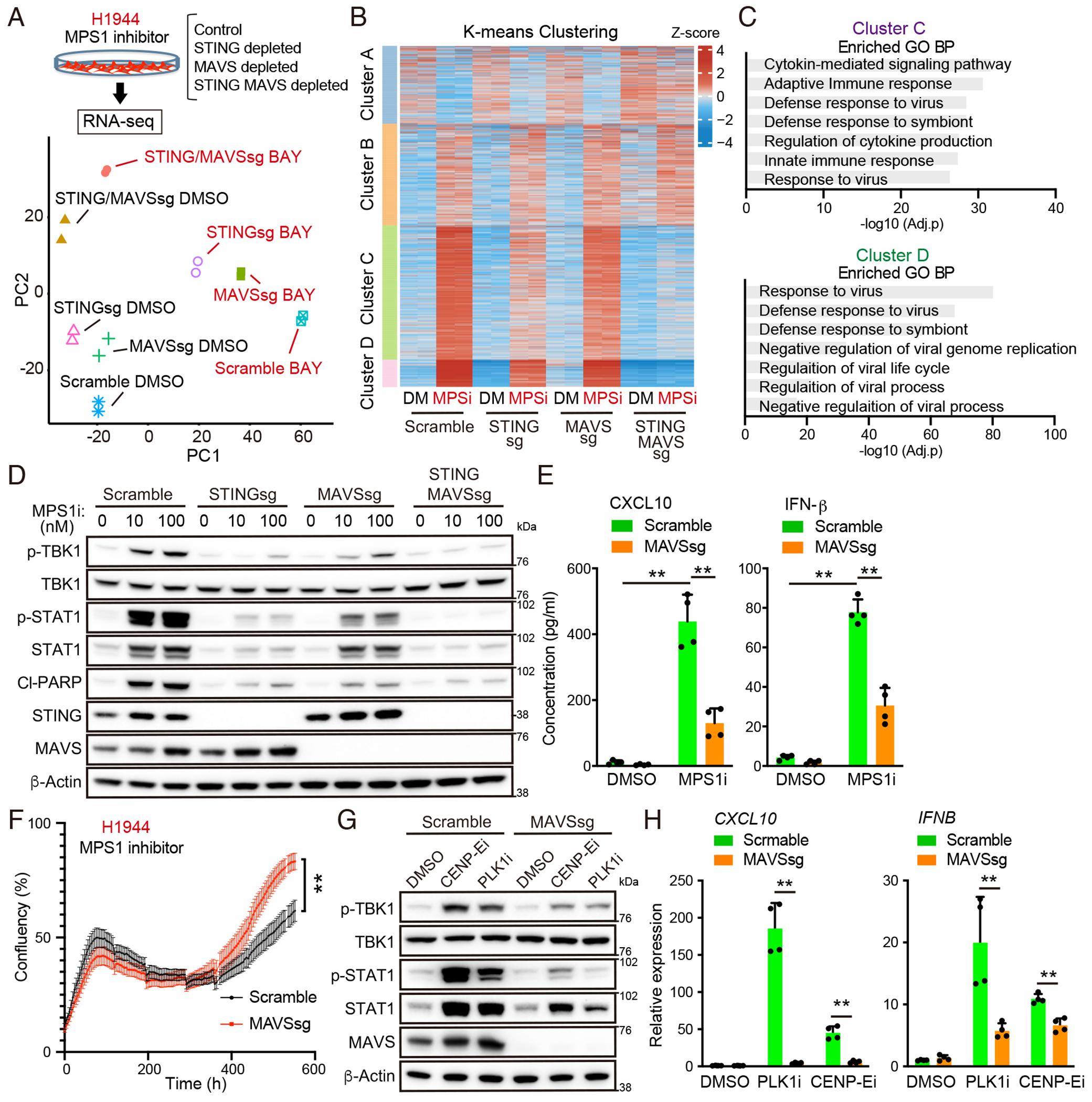
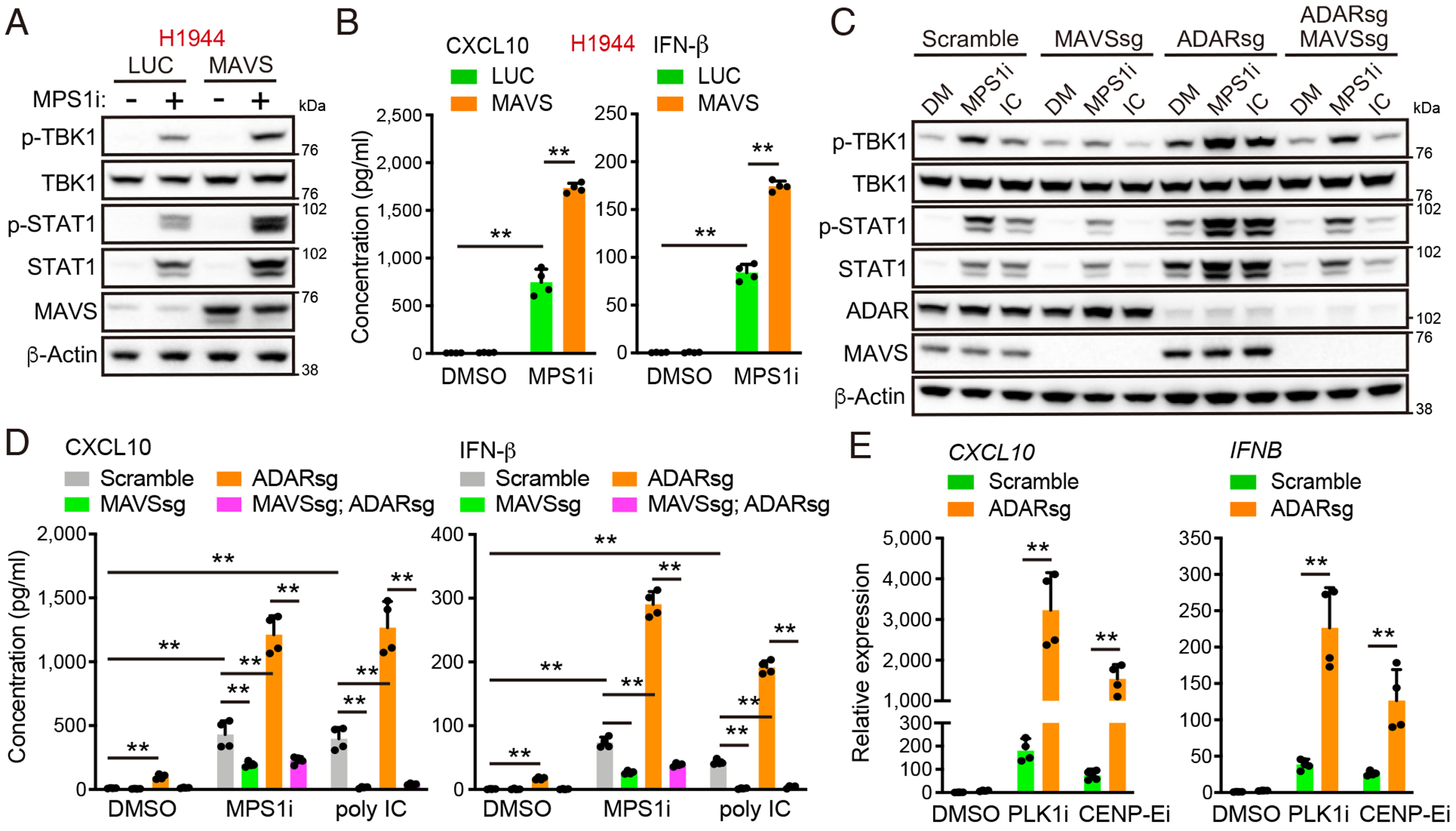
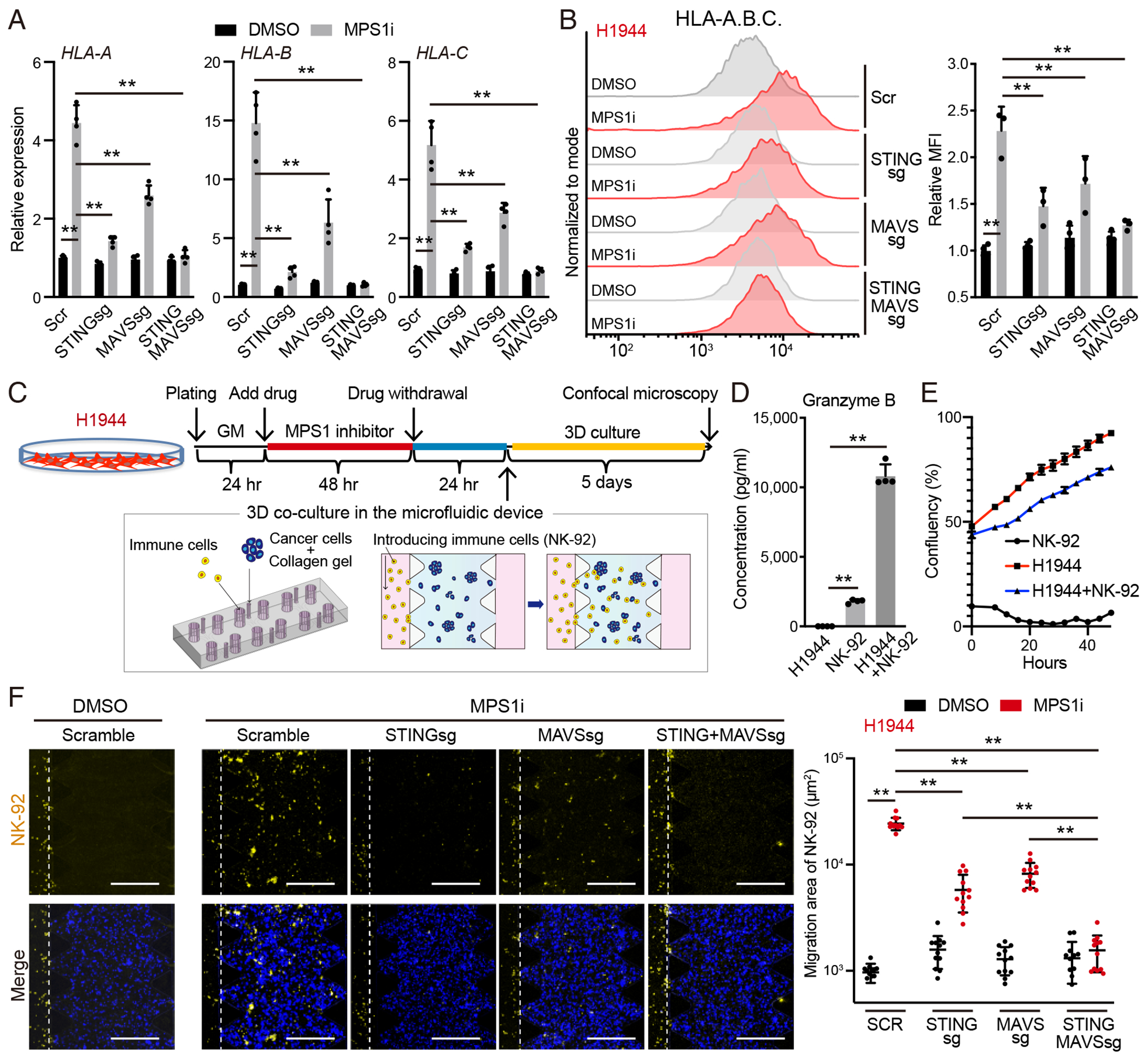
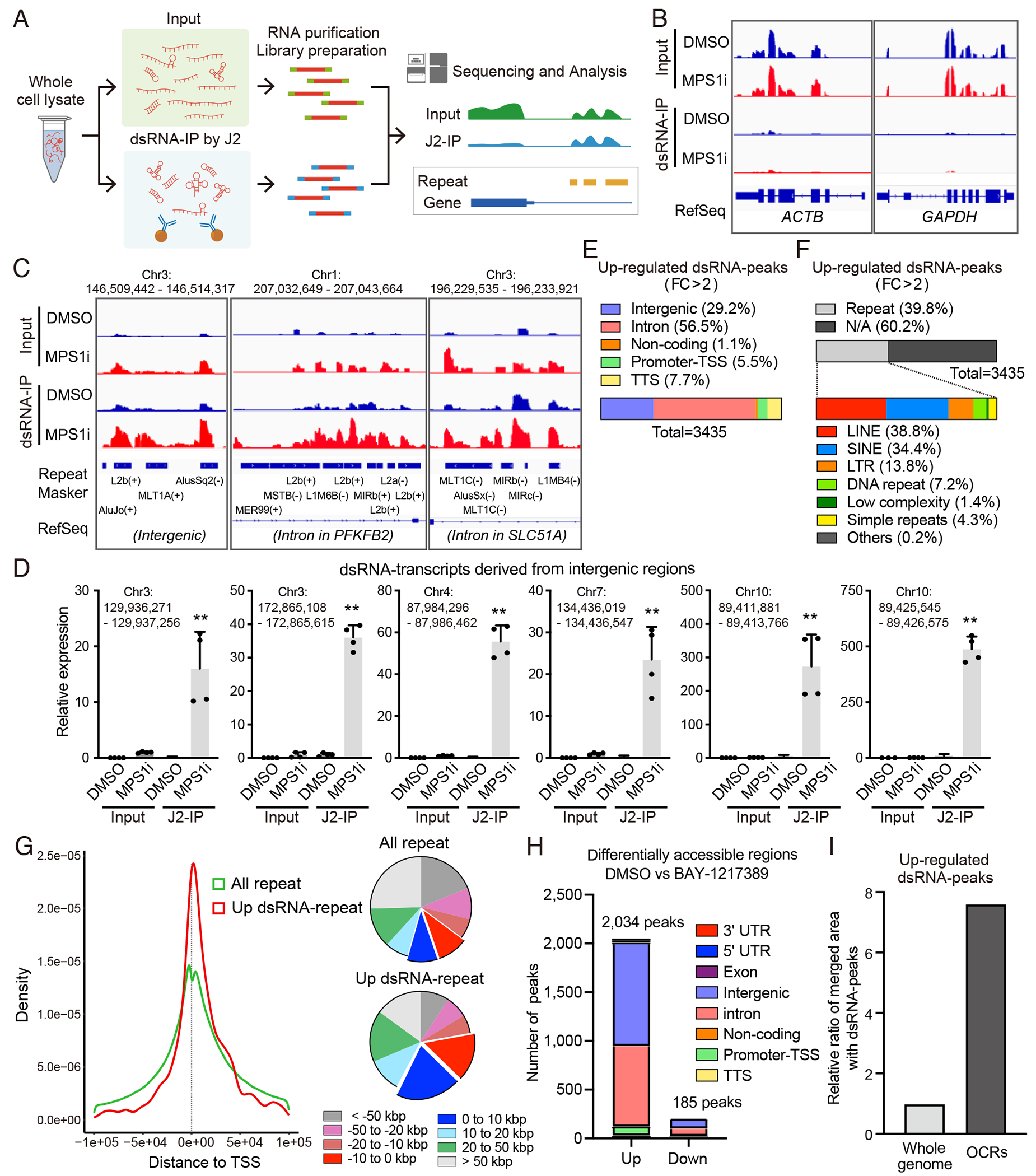
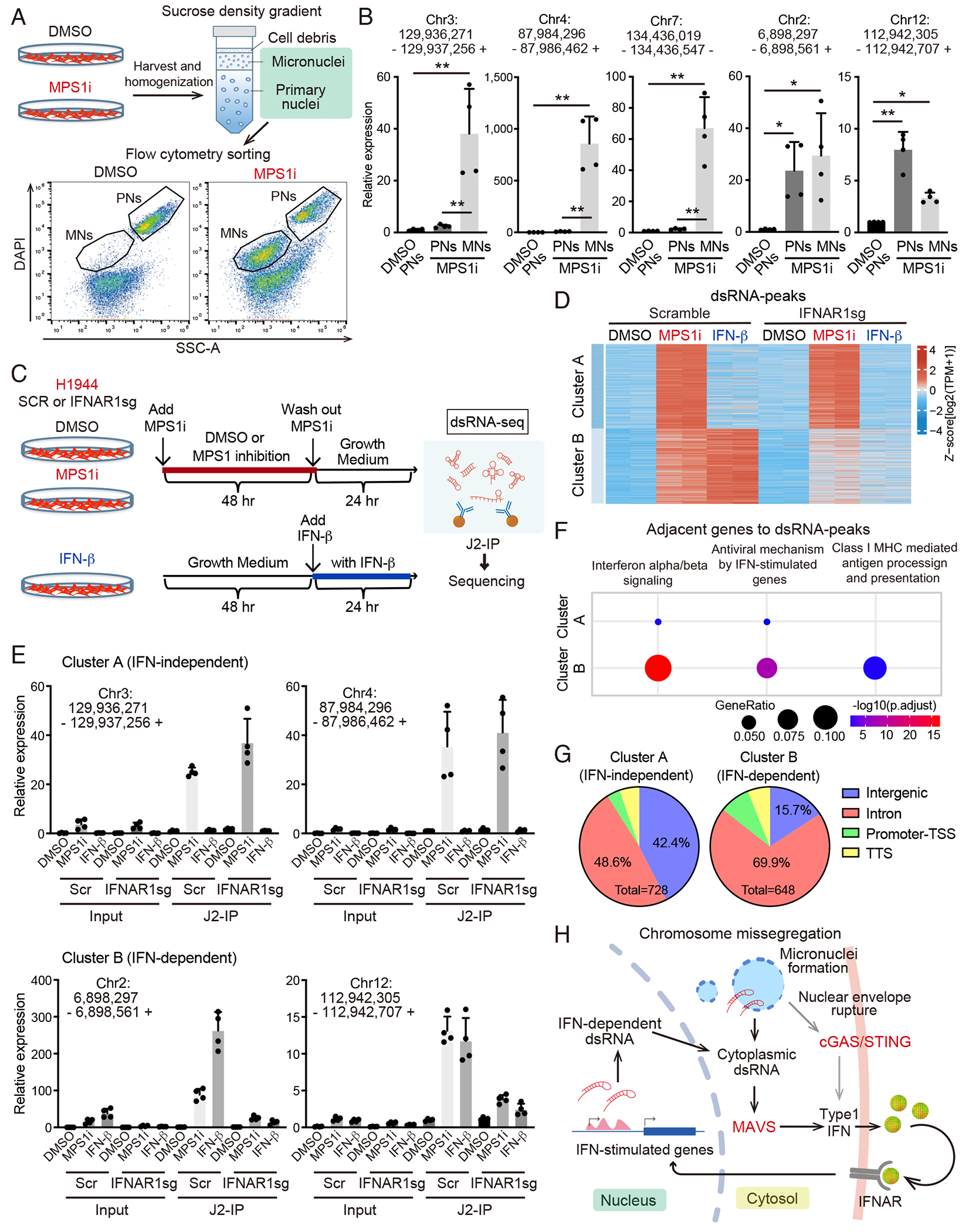
Viral mimicry driven by endogenous double-stranded RNA (dsRNA) stimulates innate and adaptive immune responses. However, the mechanisms that regulate dsRNA-forming transcripts during cancer therapy remain unclear. Here, we demonstrate that dsRNA is significantly accumulated in cancer cells following pharmacologic induction of micronuclei, stimulating mitochondrial antiviral signaling (MAVS)-mediated dsRNA sensing in conjunction with the cyclic GMP-AMP synthase (cGAS)/stimulator of interferon genes (STING) pathway. Activation of cytosolic dsRNA sensing cooperates with double-stranded DNA (dsDNA) sensing to upregulate immune cell migration and antigen-presenting machinery. Tracing of dsRNA-sequences reveals that dsRNA-forming transcripts are predominantly generated from non-exonic regions, particularly in locations proximal to genes exhibiting high chromatin accessibility. Activation of this pathway by pulsed monopolar spindle 1 (MPS1) inhibitor treatment, which potently induces micronuclei formation, upregulates cytoplasmic dsRNA sensing and thus promotes anti-tumor immunity mediated by cytotoxic lymphocyte activation in vivo. Collectively, our findings uncover a mechanism in which dsRNA sensing cooperates with dsDNA sensing to boost immune responses, offering an approach to enhance the efficacy of cancer therapies targeting genomic instability.
由内源性双链RNA(dsRNA)驱动的病毒模拟可刺激先天性和适应性免疫反应。然而,癌症治疗期间调节形成dsRNA的转录本的机制仍不清楚。在此,我们证明,在药理学诱导微核形成后,dsRNA在癌细胞中显著积累,与环状GMP-AMP合酶(cGAS)/干扰素基因刺激物(STING)途径一起刺激线粒体抗病毒信号(MAVS)介导的dsRNA感知。胞质dsRNA感知的激活与双链DNA(dsDNA)感知协同作用,上调免疫细胞迁移和抗原呈递机制。对dsRNA序列的追踪显示,形成dsRNA的转录本主要来自非外显子区域,特别是在染色质可及性高的基因附近的位置。通过脉冲单极纺锤体1(MPS1)抑制剂处理激活该途径,该抑制剂可有效诱导微核形成,上调细胞质dsRNA感知,从而在体内促进由细胞毒性淋巴细胞激活介导的抗肿瘤免疫。总的来说,我们的研究结果揭示了一种机制,即dsRNA感知与dsDNA感知协同作用以增强免疫反应,为提高针对基因组不稳定的癌症治疗疗效提供了一种方法。