Ma Xiaofan, Hu Xiaoyu, Liu Kai, Wang Wei, Jia Wei, Gao Huayao, Lu Ming, Liu Jie, Chen Yunfeng, Ma Yingjie, Li Yumei, Nie Yonggang
Key Laboratory of Animal Ecology and Conservation Biology, Institute of Zoology, Chinese Academy of Sciences, Beijing, 100101, China.
University of Chinese Academy of Sciences, Beijing, 100049, China.
Anim Microbiome. 2024 Dec 20;6(1):74. doi: 10.1186/s42523-024-00362-z.
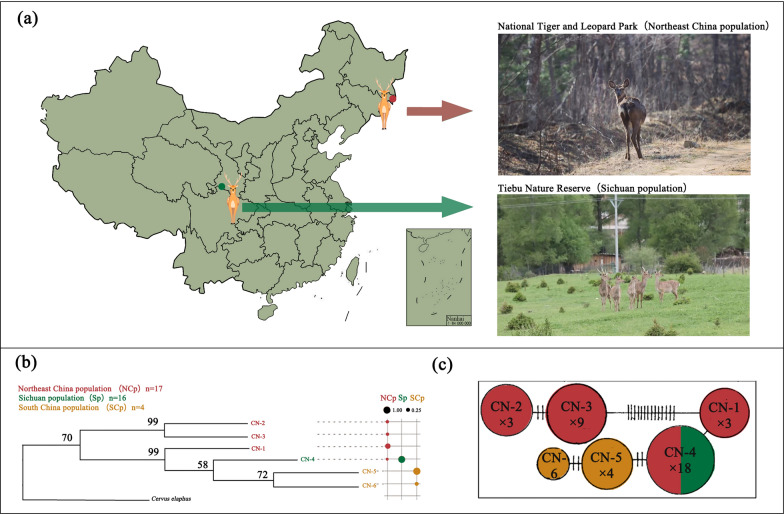
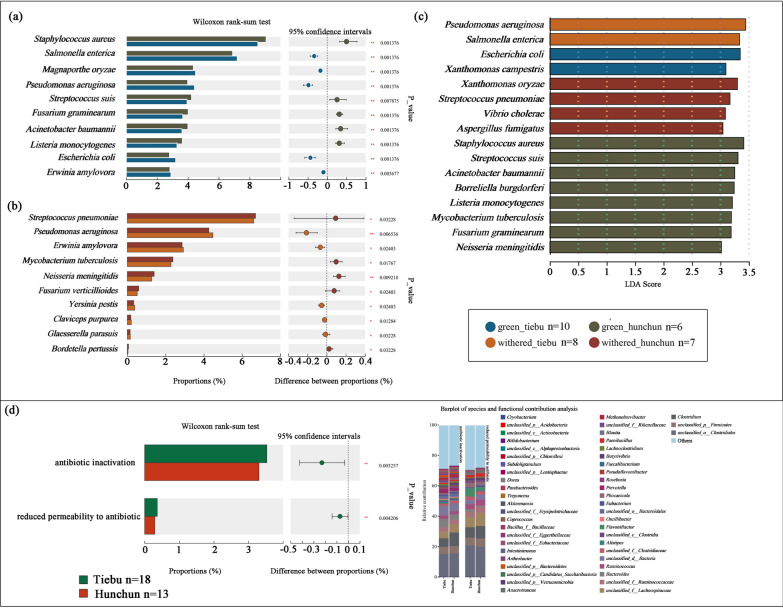
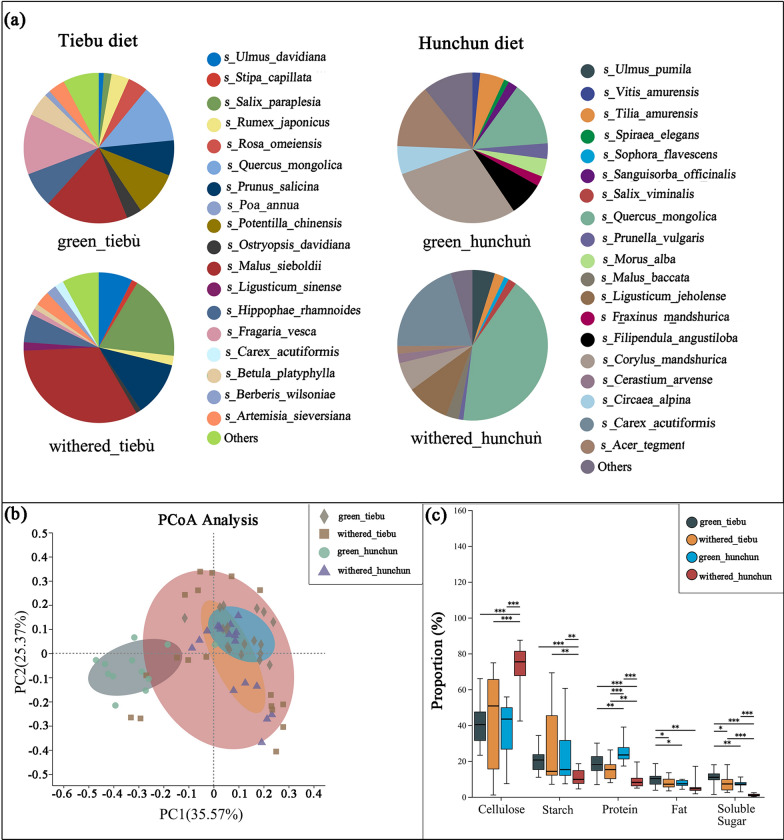
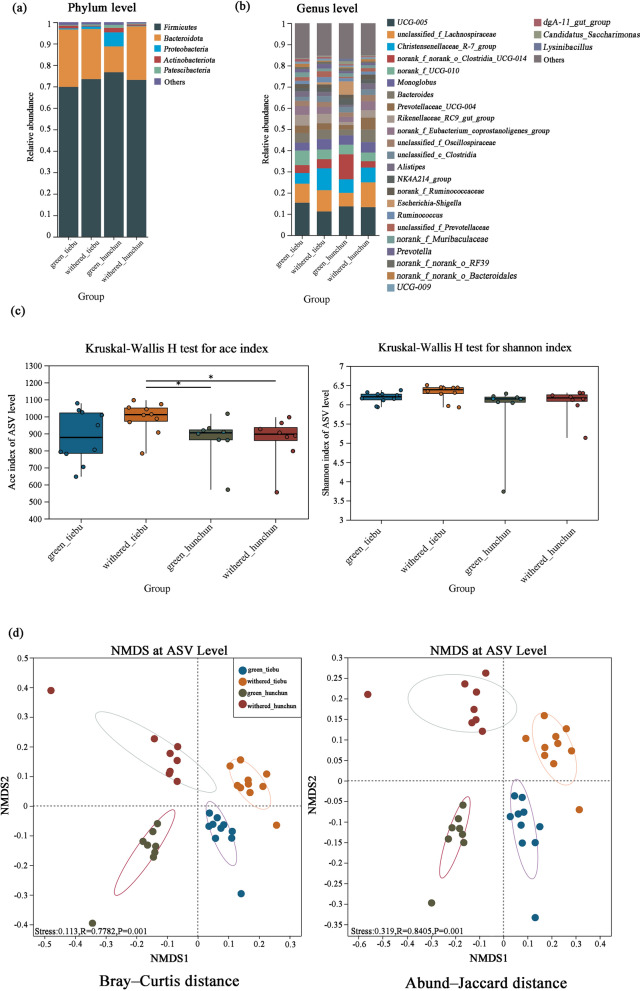
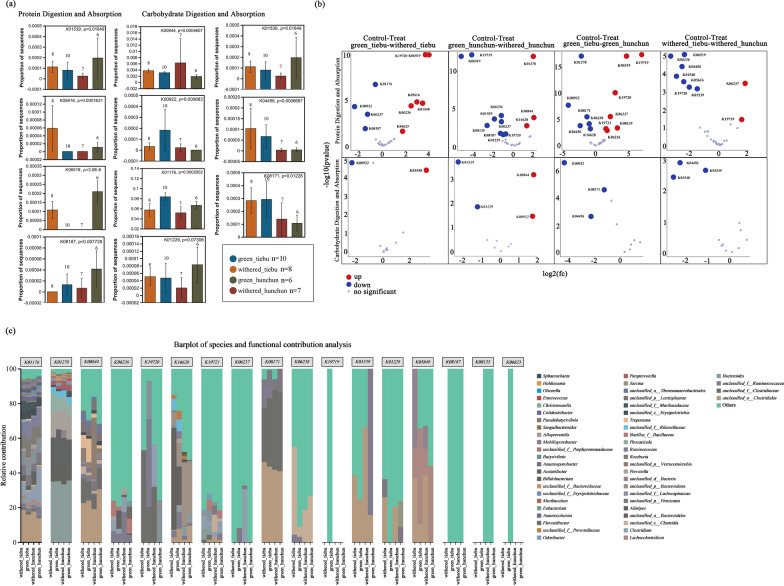
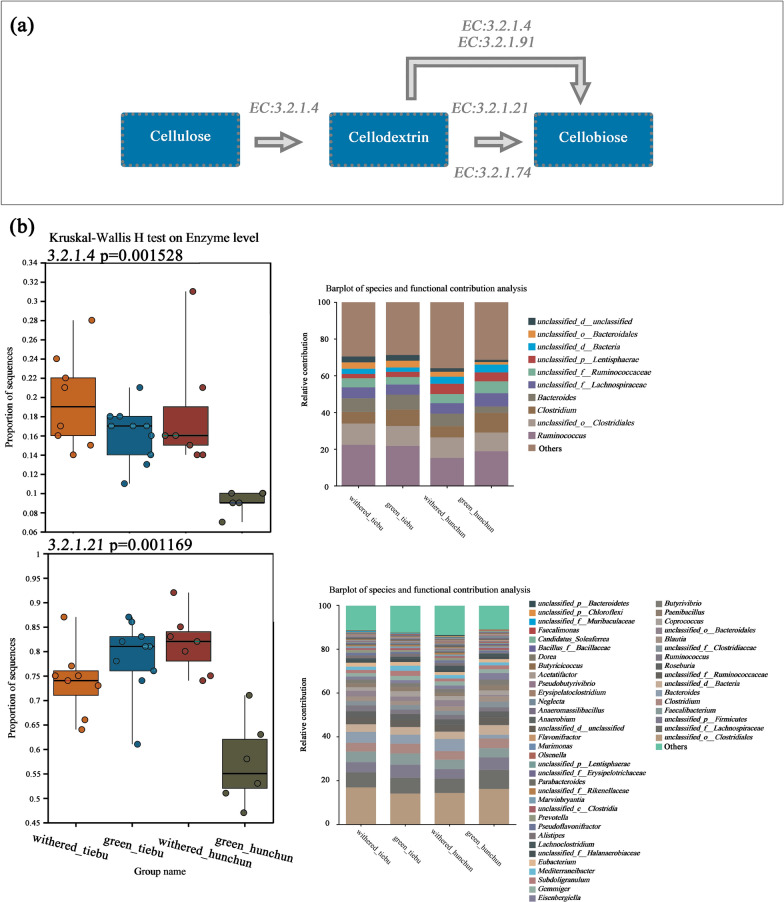
The composition and function of animal gut microbiota are shaped by various factors, among which diet is one of the major factors. Diet is affected by seasonal shifts and geographical differences, which in turn impact the host's nutritional levels. To adapt to these environmental changes, the gut microbiome often produces matching responses. Understanding the relationships among the environment, diet, host and the gut microbiome is helpful for exploring the environmental adaptation of wildlife. Here, we chose wild sika deer (Cervus nippon), which is composed natural allopatric populations, to explore how the environment shapes the gut microbiome and affects the relationship between microbiota composition and function and the mutual adaptation of the seasonal living environment to seasonal dietary changes. To this purpose we used DNA metabarcoding, 16S RNA gene amplification sequencing, metagenomic shotgun sequencing and nutritional analyses to comprehensively examine the relationships among the forage plant, nutrient status and host gut microbiome. Our analyses showed spatiotemporal differences in diet between the Tiebu and Hunchun regions, which ultimately led to varying intakes of protein, cellulose, and soluble sugar. The microbiome composition and function showed unique characteristics in each group, and significant differences were detected at the gene level for the protein absorption and metabolism pathway, the carbohydrate metabolic absorption pathway, and cellulase enzyme function, which are related to nutrition. We also found differences in the pathogenic bacteria and resistance mechanisms genes of the gut microbiota in different groups. Our results showed that the gut microbiome of allopatric populations adapts to changes in food composition and nutrition in different seasons and areas to help the host cope with spatiotemporal changes in the living environment. At the same time, varying levels of human activity can have potential health impacts on wild animals.
动物肠道微生物群的组成和功能受多种因素影响,其中饮食是主要因素之一。饮食受季节变化和地理差异的影响,进而影响宿主的营养水平。为适应这些环境变化,肠道微生物群通常会产生相应的反应。了解环境、饮食、宿主和肠道微生物群之间的关系,有助于探索野生动物的环境适应性。在此,我们选择了由自然异域种群组成的野生梅花鹿(Cervus nippon),以探究环境如何塑造肠道微生物群,以及如何影响微生物群组成与功能之间的关系,以及季节性生活环境与季节性饮食变化的相互适应。为此,我们使用DNA宏条形码、16S RNA基因扩增测序、宏基因组鸟枪法测序和营养分析,全面研究了饲料植物、营养状况与宿主肠道微生物群之间的关系。我们的分析表明,铁布和珲春地区的饮食存在时空差异,最终导致蛋白质、纤维素和可溶性糖的摄入量不同。每组的微生物群组成和功能都表现出独特的特征,在与营养相关的蛋白质吸收和代谢途径、碳水化合物代谢吸收途径以及纤维素酶功能的基因水平上检测到显著差异。我们还发现不同组肠道微生物群的病原菌和抗性机制基因存在差异。我们的结果表明,异域种群的肠道微生物群适应不同季节和地区食物组成和营养的变化,以帮助宿主应对生活环境的时空变化。同时,不同程度的人类活动可能会对野生动物产生潜在的健康影响。