Orjuela-Garzón Ian C, Rodríguez Cristian F, Cruz Juan C, Briceño Juan C
Department of Biomedical Engineering, Universidad de los Andes, Bogotá 111711, Colombia.
Neuroscience Group of Antioquia, Cellular and Molecular Neurobiology Area, School of Medicine, SIU, Universidad de Antioquia, Medellín 050010, Colombia.
ACS Omega. 2024 Nov 28;9(50):49143-49162. doi: 10.1021/acsomega.4c05600. eCollection 2024 Dec 17.
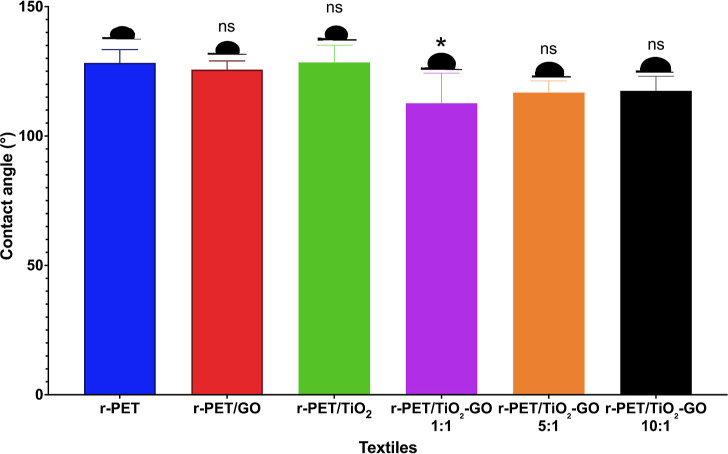
Exposure to high temperatures during indoor and outdoor activities increases the risk of heat-related illness such as cramps, rashes, and heatstroke (HS). Fatal cases of HS are ten times more common than serious cardiac episodes in sporting scenarios, with untreated cases leading to mortality rates as high as 80%. Enhancing thermal comfort can be achieved through heat loss in enclosed spaces and the human body, utilizing heat transfer mechanisms such as radiation, conduction, convection, and evaporation, which do not require initial energy input. Among these, two primary mechanisms are commonly employed in the textile industry to enhance passive cooling: radiation and conduction. The radiation approach encompasses two aspects: (1) reflecting solar spectrum (SS) wavelengths and (2) transmitting and emitting in the atmospheric window (AW). Conduction involves dissipating heat through materials with a high thermal conductivity. Our study focuses on the combined effect of these radiative and conductive approaches to increase thermal energy loss, an area that has not been extensively studied to date. Therefore, the main objective of this project is to develop, characterize, and evaluate a nanocomposite polymeric textile system using electrospinning, incorporating graphene oxide (GO) nanosheets and titanium dioxide nanoparticles (TiO NPs) within a recycled polyethylene terephthalate (r-PET) matrix to improve thermal comfort through the dissipation of thermal energy by radiation and conduction. The textile system with a 5:1 molar ratio between TiO NPs and GO demonstrates 89.26% reflectance in the SS and 98.40% transmittance/emittance in the AW, correlating to superior cooling performance, with temperatures 20.06 and 1.27 °C lower than skin temperatures outdoors and indoors, respectively. Additionally, the textile exhibits a high thermal conductivity index of 0.66 W/m K, contact angles greater than 120°, and cell viability exceeding 80%. These findings highlight the potential of the engineered textiles in developing high-performance sports cooling fabrics, providing significant advancements in thermal comfort and safety for athletes.
在室内和室外活动期间暴露于高温环境会增加患热相关疾病的风险,如抽筋、皮疹和中暑(HS)。在体育场景中,中暑致死病例比严重心脏事件常见十倍,未经治疗的病例死亡率高达80%。通过封闭空间和人体的散热来提高热舒适度,可以利用辐射、传导、对流和蒸发等热传递机制,这些机制不需要初始能量输入。其中,纺织工业通常采用两种主要机制来增强被动冷却:辐射和传导。辐射方法包括两个方面:(1)反射太阳光谱(SS)波长;(2)在大气窗口(AW)进行透射和发射。传导是指通过具有高导热性的材料散热。我们的研究聚焦于这些辐射和传导方法的综合效果,以增加热能损失,这一领域迄今为止尚未得到广泛研究。因此,本项目的主要目标是使用静电纺丝技术开发、表征和评估一种纳米复合聚合物纺织系统,在回收聚对苯二甲酸乙二酯(r-PET)基质中加入氧化石墨烯(GO)纳米片和二氧化钛纳米颗粒(TiO NPs),通过辐射和传导散热来提高热舒适度。TiO NPs与GO摩尔比为5:1的纺织系统在SS中显示出89.26%的反射率,在AW中显示出98.40%的透射率/发射率,这与卓越的冷却性能相关,其温度分别比室外和室内皮肤温度低20.06和1.27°C。此外,该纺织品具有0.66 W/m K的高导热系数、大于120°的接触角以及超过80%的细胞活力。这些发现凸显了工程纺织品在开发高性能运动冷却织物方面的潜力,为运动员的热舒适度和安全性带来了重大进步。