Horiuchi Shinichiro, Koda Nanae, Ikeda Yui, Tanaka Yuto, Masuo Yusuke, Kato Yukio, Yamazaki Daiju
Division of Pharmacology, National Institute of Health Sciences, Kawasaki, Kanagawa, Japan.
Faculty of Pharmacy, Kanazawa University, Kanazawa, Ishikawa, Japan.
PLoS One. 2024 Dec 23;19(12):e0315997. doi: 10.1371/journal.pone.0315997. eCollection 2024.
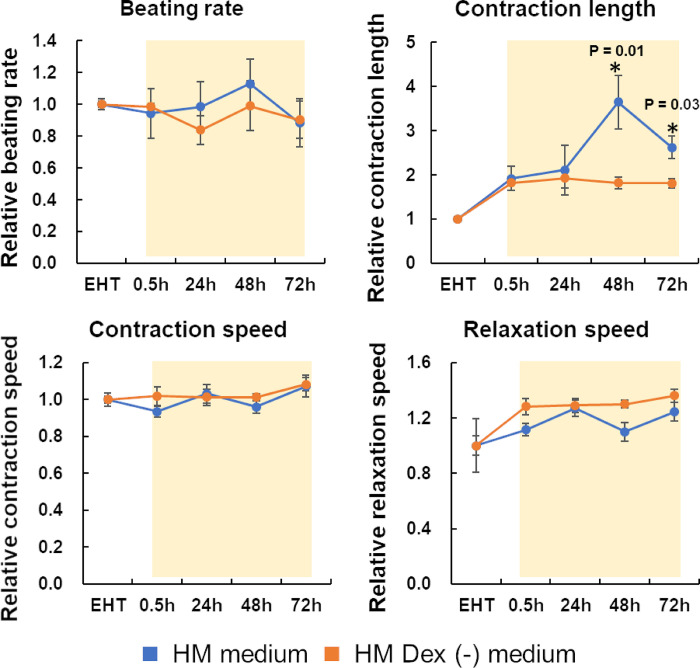
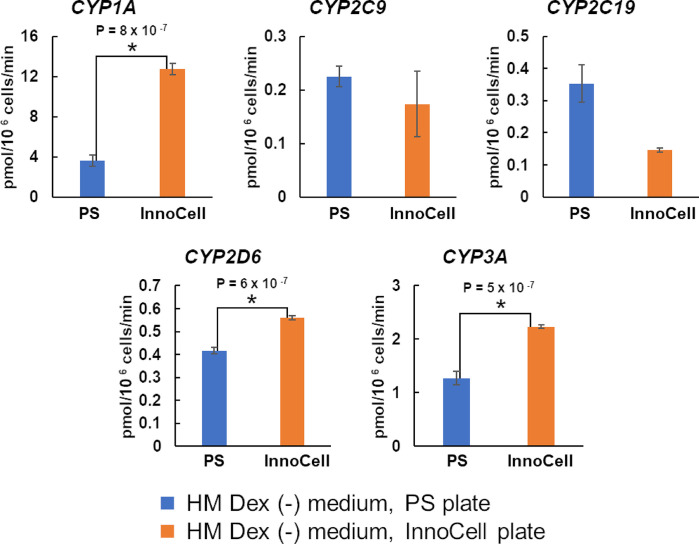
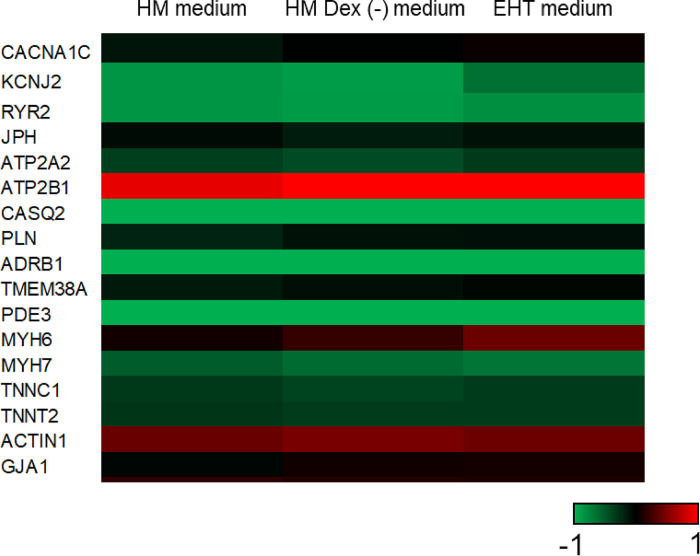
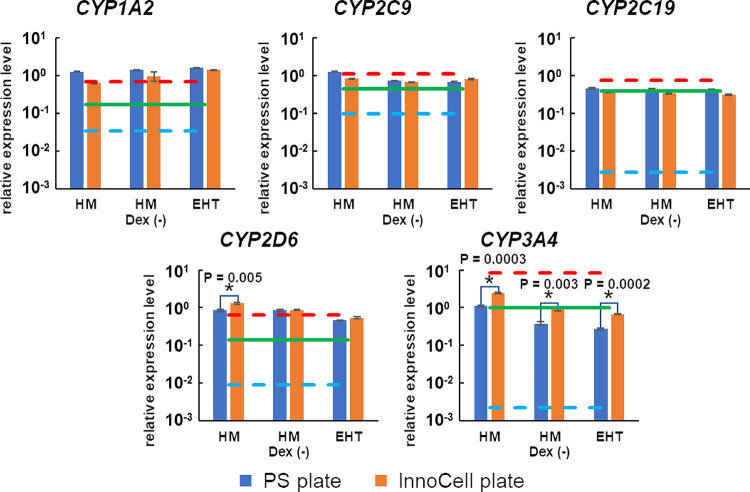
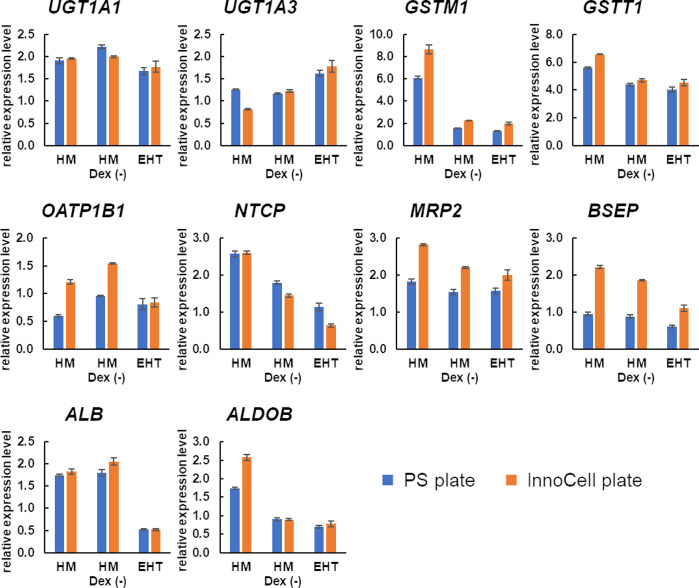
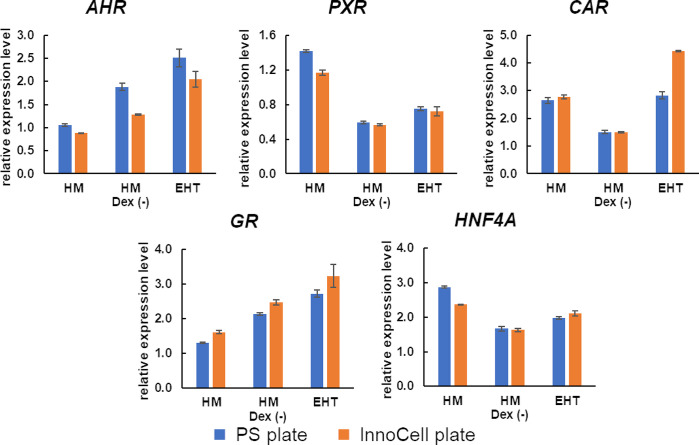
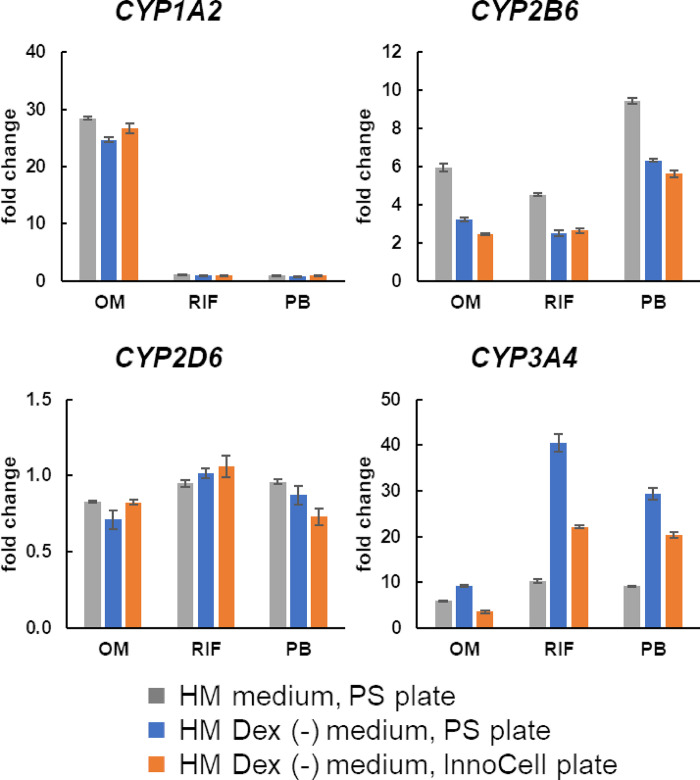
Cardiotoxicity associated with hepatic metabolism and drug-drug interactions is a serious concern. Predicting drug toxicity using animals remains challenging due to species and ethical concerns, necessitating the need to develop alternative approaches. Drug cardiotoxicity associated with hepatic metabolism cannot be detected using a cardiomyocyte-only evaluation system. Therefore, we aimed to establish a system for evaluating cardiotoxicity via hepatic metabolism by co-culturing cryopreserved human hepatocytes (cryoheps) and human iPS cell-derived engineered heart tissues (hiPSC-EHTs) using a stirrer-based microphysiological system. We investigated candidate media to identify a medium that can be used commonly for hepatocytes and cardiomyocytes. We found that the contraction length was significantly greater in the HM Dex (-) medium, the medium used for cryohep culture without dexamethasone, than that in the EHT medium used for hiPSC-EHT culture. Additionally, the beating rate, contraction length, contraction speed, and relaxation speed of hiPSC-EHT cultured in the HM Dex (-) medium were stable throughout the culture period. Among the major CYPs, the expression of CYP3A4 alone was low in cryoheps cultured in the HM Dex (-) medium. However, improved oxygenation using the InnoCell plate increased CYP3A4 expression to levels comparable to those found in the human liver. In addition, CYP3A4 activity was also increased by the improved oxygenation. Furthermore, expression levels of hepatic function-related gene and nuclear receptors in cryoheps cultured in HM Dex (-) medium were comparable to those in the human liver. These results suggest that the HM Dex (-) medium can be applied to co-culture and may allow the evaluation of cardiotoxicity via hepatic metabolism. Moreover, CYP induction by typical inducers was confirmed in cryoheps cultured in the HM Dex (-) medium, suggesting that drug-drug interactions could also be evaluated using this medium. Our findings may facilitate the evaluation of cardiotoxicity via hepatic metabolism, potentially reducing animal testing, lowering costs, and expediting drug development.
与肝脏代谢及药物相互作用相关的心脏毒性是一个严重问题。由于物种和伦理问题,利用动物预测药物毒性仍然具有挑战性,因此需要开发替代方法。仅使用心肌细胞评估系统无法检测与肝脏代谢相关的药物心脏毒性。因此,我们旨在通过基于搅拌器的微生理系统,将冷冻保存的人肝细胞(cryoheps)与人类诱导多能干细胞衍生的工程心脏组织(hiPSC-EHTs)共培养,建立一种通过肝脏代谢评估心脏毒性的系统。我们研究了候选培养基,以确定一种可同时用于肝细胞和心肌细胞的培养基。我们发现,在HM Dex (-)培养基(用于无地塞米松的cryohep培养的培养基)中,收缩长度显著大于用于hiPSC-EHT培养的EHT培养基中的收缩长度。此外,在HM Dex (-)培养基中培养的hiPSC-EHT的搏动率、收缩长度、收缩速度和舒张速度在整个培养期间都很稳定。在主要的细胞色素P450(CYPs)中,仅CYP3A4在HM Dex (-)培养基中培养的cryoheps中的表达较低。然而,使用InnoCell板改善氧合作用可使CYP3A4表达增加到与人类肝脏中相当的水平。此外,改善氧合作用也增加了CYP3A4的活性。此外,在HM Dex (-)培养基中培养的cryoheps中,肝功能相关基因和核受体的表达水平与人类肝脏中的相当。这些结果表明,HM Dex (-)培养基可用于共培养,并可能允许通过肝脏代谢评估心脏毒性。此外,在HM Dex (-)培养基中培养的cryoheps中证实了典型诱导剂对CYP的诱导作用,这表明使用该培养基也可以评估药物相互作用。我们的发现可能有助于通过肝脏代谢评估心脏毒性,潜在地减少动物试验、降低成本并加快药物开发。