Corl Ammon, Charter Motti, Rozman Gabe, Turjeman Sondra, Toledo Sivan, Kamath Pauline L, Getz Wayne M, Nathan Ran, Bowie Rauri C K
Museum of Vertebrate Zoology, University of California, Berkeley, 3101 Valley Life Sciences Building, Berkeley, CA, 94720-3160, USA.
Department of Integrative Biology, University of California, Berkeley, 3060 Valley Life Sciences Building, Berkeley, CA, 94720, USA.
Anim Microbiome. 2024 Dec 24;6(1):77. doi: 10.1186/s42523-024-00365-w.
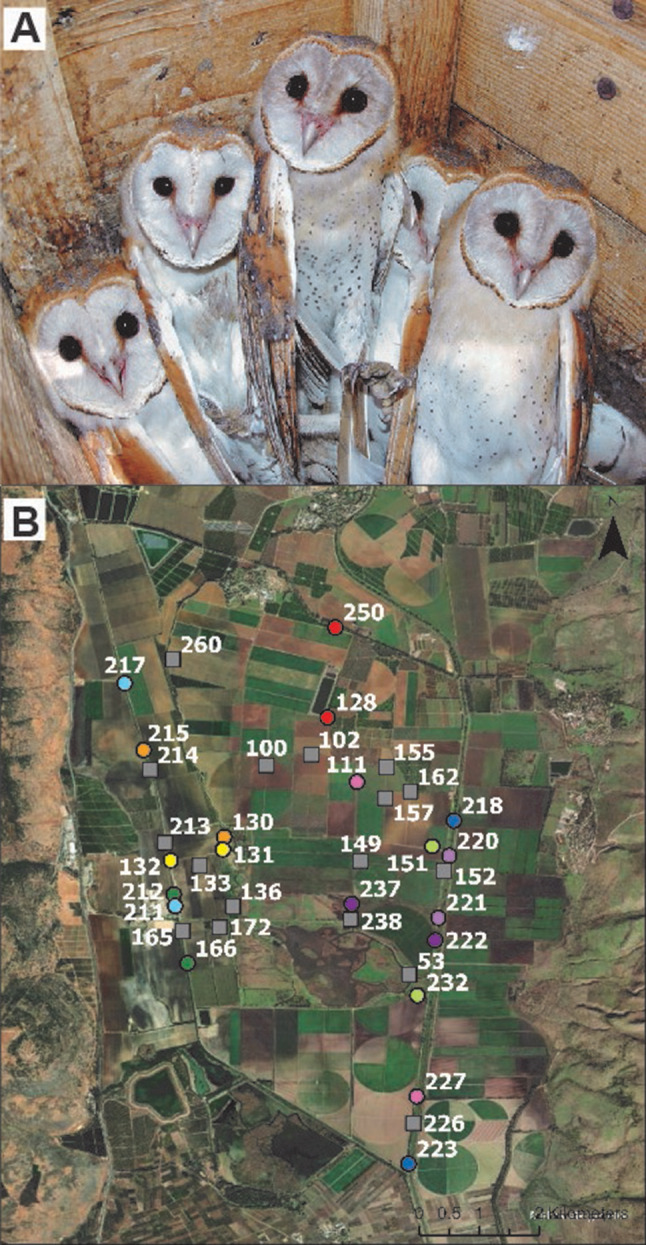
Species host diverse microbial communities that can impact their digestion and health, which has led to much interest in understanding the factors that influence their microbiota. We studied the developmental, environmental, and social factors that influence the microbiota of nestling barn owls (Tyto alba) through a partial cross-fostering experiment that manipulated the social and nest environment of the nestlings. We then examined the nestling microbiota before and three weeks after the exchange of nestlings between nests, along with the microbiota of the adults at the nest and nestlings in unmanipulated nests.
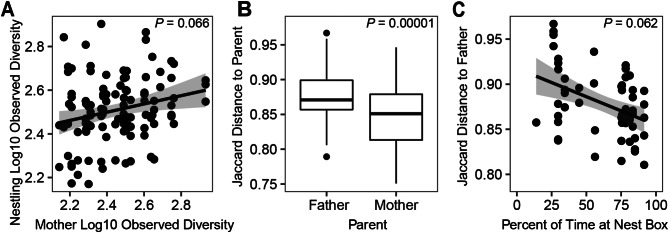
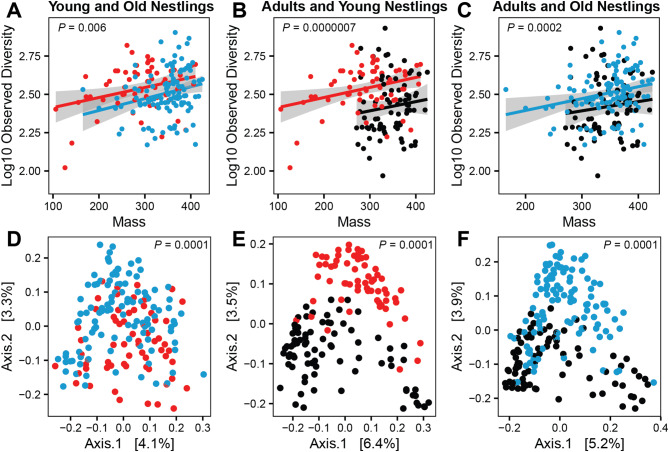
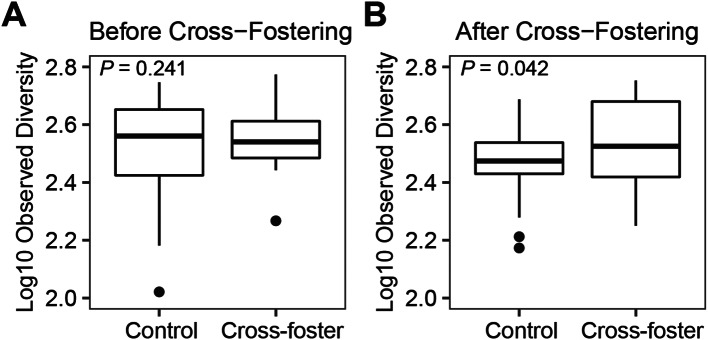
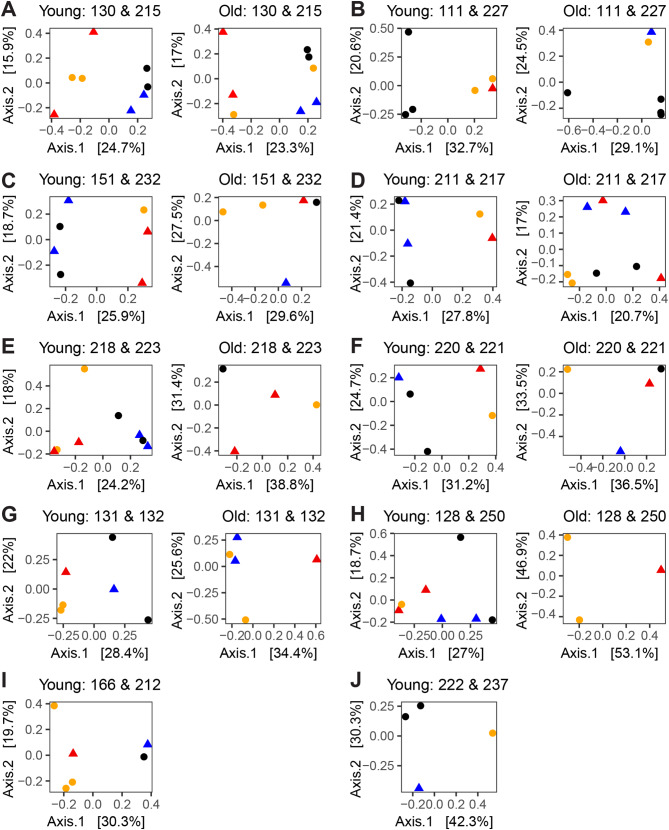
We found that nestlings had higher bacterial diversity and different bacterial communities than adults. The microbiota of nestlings was more like that of their mothers than their fathers, but the similarity to the father tended to increase with the amount of time the father was in close proximity to the nest, as measured from movement data. Cross-fostered offspring had higher bacterial diversity and greater changes in bacterial community composition over time than control offspring. Cross-fostering led the microbiota of the nestlings in the experiment to converge on similar bacterial communities. The microbiota of nestling owls therefore rapidly changed along with alterations to their social and nest environments.
These results highlight the dynamic nature of the microbiota during early development and that social interactions can shape microbial communities.
物种宿主着多样的微生物群落,这些群落会影响它们的消化和健康,这引发了人们对了解影响其微生物群因素的浓厚兴趣。我们通过一项部分交叉寄养实验研究了影响雏鸟仓鸮(Tyto alba)微生物群的发育、环境和社会因素,该实验操纵了雏鸟的社会和巢穴环境。然后,我们在巢穴间雏鸟交换前后以及未操纵巢穴中的成年鸟和雏鸟的微生物群,对雏鸟的微生物群进行了检测。
我们发现雏鸟的细菌多样性高于成年鸟,且细菌群落也有所不同。雏鸟的微生物群与其母亲的更相似,而非父亲,但从运动数据测量来看,与父亲的相似性往往会随着父亲靠近巢穴的时间增加而增加。与对照后代相比,交叉寄养后代具有更高的细菌多样性,且随着时间推移细菌群落组成变化更大。交叉寄养导致实验中雏鸟的微生物群趋向于相似的细菌群落。因此,雏鸟仓鸮的微生物群会随着其社会和巢穴环境的改变而迅速变化。
这些结果突出了微生物群在早期发育过程中的动态性质,以及社会互动能够塑造微生物群落。