Chapin Maryann R, Kane-Gill Sandra L, Li Xiaotong, Abanyie Kojo, Taneja Sanya B, Egbert Susan, Paine Mary F, Boyce Richard D
Department of Pharmacy & Therapeutics, School of Pharmacy, University of Pittsburgh, Pittsburgh, Pennsylvania, USA.
Department of Biomedical Informatics, University of Pittsburgh, Pittsburgh, Pennsylvania, USA.
Pharmacol Res Perspect. 2025 Feb;13(1):e70047. doi: 10.1002/prp2.70047.
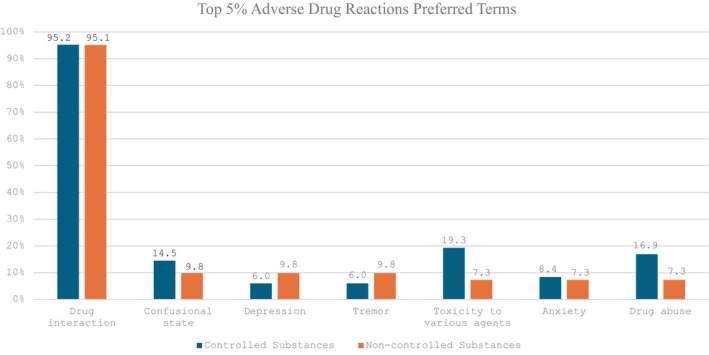
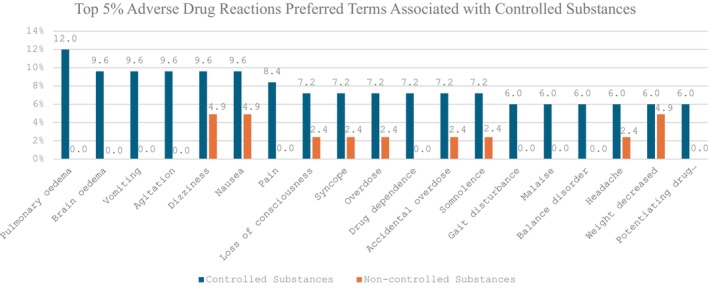
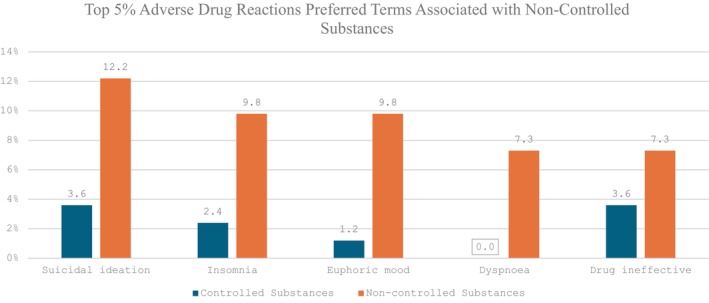
The increasing utilization of cannabis products combined with lack of data regarding potential cannabis-prescription drug interactions is concerning. This study aimed to review published case reports and FDA Adverse Event Reporting System (FAERS) spontaneous reports to assess cannabis-drug interactions in persons aged 18 and over. A literature search identified 20 case reports that were each assessed for drug interaction causality using the Drug Interaction Probability Scale. Data collected from the FAERS revealed a greater proportion of reports mentioning serious outcomes, including death, when cannabis was used concomitantly with controlled substances compared to noncontrolled substances. Fisher's exact test showed a statistically significant difference between the controlled and noncontrolled groups (p = 0.043). Overall, these findings emphasize the need for additional research and vigilant monitoring of cannabis use when combined with other medications.
大麻产品使用的增加,再加上缺乏关于潜在大麻与处方药相互作用的数据,令人担忧。本研究旨在回顾已发表的病例报告和美国食品药品监督管理局不良事件报告系统(FAERS)的自发报告,以评估18岁及以上人群中大麻与药物的相互作用。文献检索确定了20份病例报告,每份报告都使用药物相互作用概率量表评估药物相互作用的因果关系。从FAERS收集的数据显示,与非管制物质相比,大麻与管制物质同时使用时,提及严重后果(包括死亡)的报告比例更高。Fisher精确检验显示,管制组和非管制组之间存在统计学上的显著差异(p = 0.043)。总体而言,这些发现强调了在大麻与其他药物联合使用时,需要进行更多研究并对其使用进行密切监测。