Gumisiriza Hannington, Olet Eunice Apio, Mwikali Lydia, Akatuhebwa Racheal, Kembabazi Owen, Omara Timothy, Lejju Julius Bunny
Department of Chemistry, Mbarara University of Science and Technology, P.O. Box 1410, Mbarara, Uganda.
Department of Biology, Mbarara University of Science and Technology, P.O. Box 1410, Mbarara, Uganda.
Heliyon. 2024 Dec 5;10(24):e40933. doi: 10.1016/j.heliyon.2024.e40933. eCollection 2024 Dec 30.
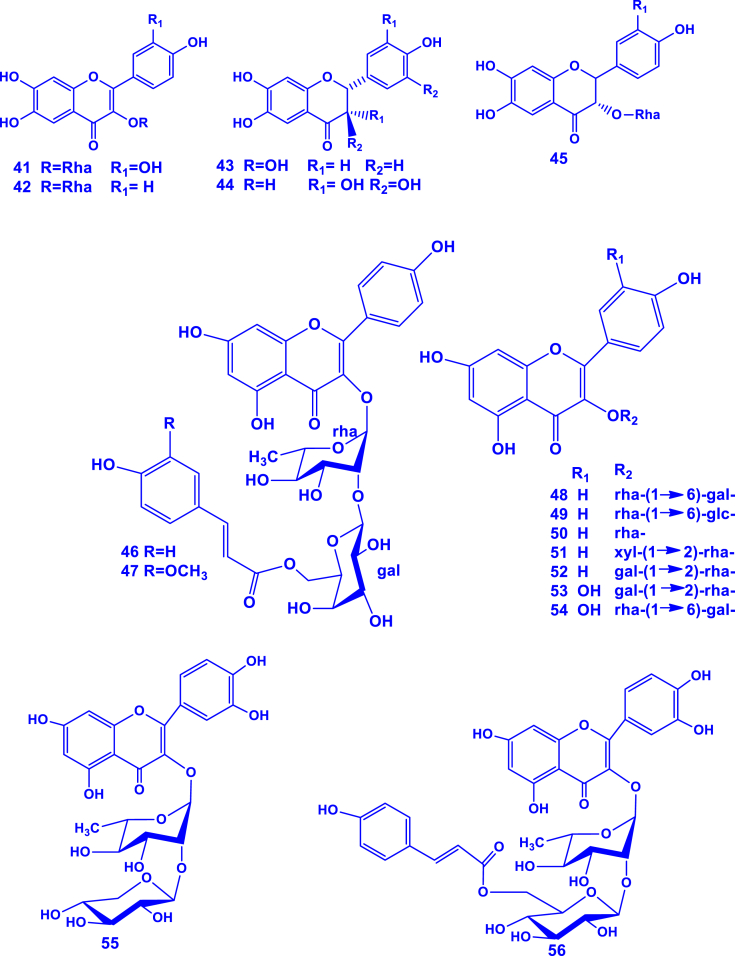
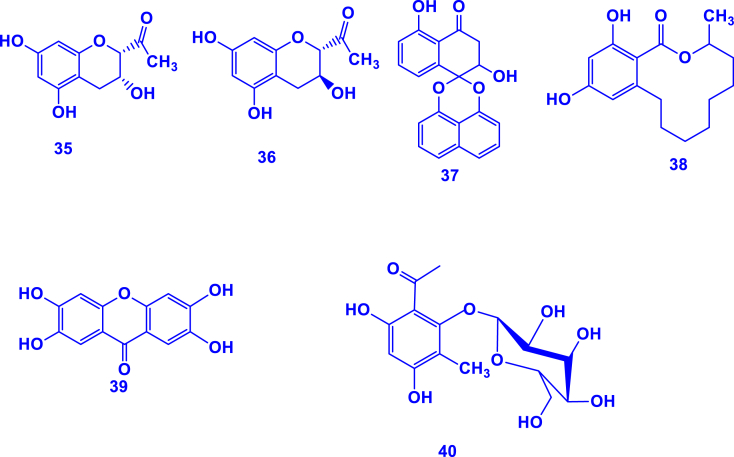
The genus (Rhamnaceae) comprises at least 50 recognized species distributed across tropical and subtropical regions. species have been ethnomedicinally used to treat a variety of ailments. Despite their widespread medicinal use, there is no comprehensive documentation that consolidates the ethnobotanical knowledge, phytochemicals, pharmacological properties, and toxicity of species. Herein, this review details the ethnopharmacology, phytochemical constituents, pharmacological properties and toxicity of species to provide perspectives for future research on this genus. Based on available literature, herbal preparations from species have been used to treat ailments related to the digestive, cardiovascular, respiratory, skin, musculoskeletal, reproductive, endocrine and urological systems. Extracts and isolated compounds from seven species (, , , , , , and ) have demonstrated promising anticancer, antimicrobial, antioxidant, and antiviral properties, supporting their ethnomedicinal uses. To date, 64 compounds (including 6 phenolic compounds, 24 flavonoids, and 34 terpenoids) have been isolated and characterized in the genus mainly as gouaniasides I-IX, gouanogenins, and gouanic acids. Most species remain unexplored for their potential bioactivities. The identification of more than 54 % as novel compounds from just seven species highlights the genus as a promising source for discovering new therapeutic agents to combat the growing challenge of multidrug-resistant pathogens. Conducting extensive phytochemical and pharmacological analyses across a broader array of species could unveil a more comprehensive profile of bioactive compounds, and pave way for innovative treatments against a diverse range of pathogens and diseases.
鼠李属(鼠李科)包含至少50个已被认可的物种,分布于热带和亚热带地区。该属物种在民族医学中被用于治疗多种疾病。尽管它们在医学上被广泛应用,但目前尚无综合文献对该属物种的民族植物学知识、植物化学成分、药理特性和毒性进行汇总。在此,本综述详细介绍了该属物种的民族药理学、植物化学成分、药理特性和毒性,为该属的未来研究提供参考。根据现有文献,鼠李属物种的草药制剂已被用于治疗与消化、心血管、呼吸、皮肤、肌肉骨骼、生殖、内分泌和泌尿系统相关的疾病。从七种鼠李属物种(鼠李、乌苏里鼠李、小叶鼠李、卵叶鼠李、长叶鼠李、鼠李糖芥和圆叶鼠李)中提取的提取物和分离出的化合物已显示出有前景的抗癌、抗菌、抗氧化和抗病毒特性,这支持了它们在民族医学中的应用。迄今为止,该属已分离并鉴定出64种化合物(包括6种酚类化合物、24种黄酮类化合物和34种萜类化合物),主要为鼠李糖苷I - IX、鼠李皂苷元和鼠李糖酸。大多数鼠李属物种的潜在生物活性仍未被探索。仅从七种鼠李属物种中就鉴定出超过54%的新化合物,这突出表明该属是发现新治疗剂以应对多药耐药病原体日益增长挑战的一个有前景的来源。对更广泛的鼠李属物种进行广泛的植物化学和药理学分析,可能会揭示出更全面的生物活性化合物概况,并为针对多种病原体和疾病的创新治疗铺平道路。